
Navigating the intricacies of healthcare access can be a daunting task, especially for the elderly population in Florida. As individuals age, their healthcare needs often increase, and the cost of medical care can become a significant burden. Fortunately, Medicaid in Florida provides a vital safety net, offering comprehensive health insurance coverage to eligible low-income individuals and families, including seniors. This guide is designed to demystify the application process for elderly residents in Florida, ensuring they can access the care they need with clarity and confidence.
Understanding Medicaid Eligibility for Florida Seniors
Medicaid eligibility in Florida is primarily based on income and asset limits, though specific programs and categories may have additional criteria. For seniors, there are several pathways to eligibility, often centered around age, disability, and specific medical needs.

Income and Asset Limits
The foundational requirements for Medicaid in Florida involve meeting certain financial thresholds. These limits are subject to change annually, so it is crucial to consult the most up-to-date information from the Florida Department of Children and Families (DCF) or the Agency for Health Care Administration (AHCA). Generally, applicants must demonstrate that their income and countable assets fall below a specified level.
- Income: This typically includes earnings from employment, Social Security benefits, pensions, retirement accounts, and other sources of regular income. Certain deductions may be allowed, such as expenses for necessary medical care not covered by Medicaid.
- Assets: Countable assets include savings accounts, checking accounts, stocks, bonds, and other investments. However, certain assets are typically excluded, such as the primary residence (home), a vehicle, and personal belongings. Specific rules apply to retirement accounts and life insurance policies.
Special Programs for Seniors
Beyond the general eligibility criteria, Florida offers specific programs tailored to the needs of seniors, including those requiring long-term care services.
- Medicaid Long-Term Care (LTC) Programs: These programs are designed to help cover the costs of nursing home care, assisted living facilities, and in-home care services for eligible seniors who require assistance with daily living activities. Eligibility for LTC programs often involves a functional assessment in addition to financial eligibility.
- Medicare Savings Programs (MSPs): While not a direct Medicaid program, MSPs are designed to help low-income Medicare beneficiaries pay for Medicare premiums, deductibles, and coinsurance. Some individuals eligible for MSPs may also be eligible for full Medicaid benefits.
- Optional State Supplement (OSS): This program provides a small cash assistance payment to certain aged, blind, or disabled individuals who are receiving Supplemental Security Income (SSI) and are living in adult family care homes.
Understanding the Application Process
The application for Medicaid in Florida can be submitted through several channels. It is important to gather all necessary documentation beforehand to ensure a smooth and efficient application.
Step 1: Gather Necessary Documentation
Before beginning the application, it is essential to collect a comprehensive set of documents that will support your eligibility claim. This typically includes:
- Proof of Identity: A valid driver’s license, state-issued ID card, or passport.
- Proof of U.S. Citizenship or Lawful Presence: A birth certificate, U.S. passport, or immigration documents.
- Social Security Number: For all household members applying.
- Proof of Income: Recent pay stubs, Social Security award letters, pension statements, and any other documentation showing sources and amounts of income.
- Proof of Assets: Bank statements, investment account statements, property deeds, and titles for vehicles.
- Medical Information: Doctor’s statements, hospital records, and any other documentation related to current medical conditions and treatments.
- Insurance Information: Details of any existing health insurance policies, including Medicare.
- Proof of Residency: Utility bills, lease agreements, or property tax statements indicating a Florida address.
Step 2: Choose Your Application Method
Florida offers multiple convenient ways to apply for Medicaid:
- Online Application: The most common and often quickest method is to apply online through the Florida Department of Children and Families (DCF) ACCESS Florida portal. This system allows you to create an account, complete the application, upload documents, and track your application status.
- Phone Application: You can call the ACCESS Florida Customer Call Center at 1-866-762-2237 to request an application over the phone or to speak with a representative who can assist you.
- In-Person Application: While less common now, it may be possible to apply in person at a local DCF service center. It is advisable to call ahead to confirm availability and appointment requirements.
- Mail or Fax: You can download a paper application from the DCF website and submit it via mail or fax. However, this method is generally slower than online or phone applications.
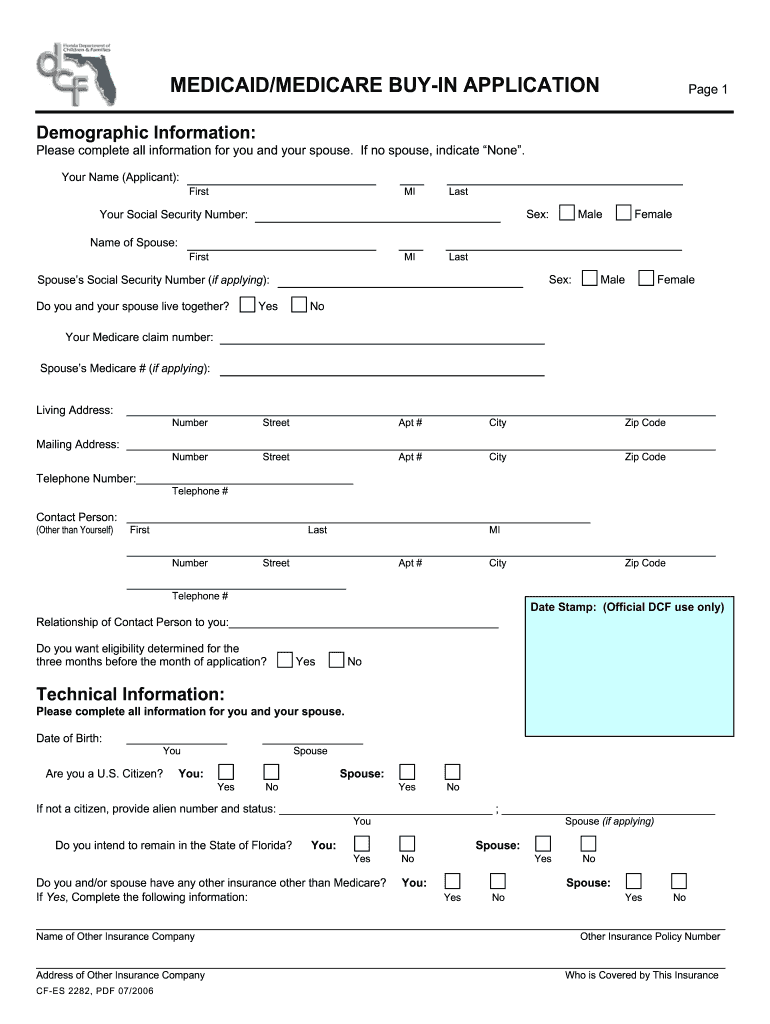
Step 3: Complete the Application Accurately
Accuracy and completeness are paramount when filling out the Medicaid application. Incomplete or inaccurate information can lead to delays or denial of your application.
- Be Truthful and Thorough: Provide honest and detailed information about your income, assets, household composition, and medical needs.
- Review Carefully: Before submitting, review your entire application to catch any errors or omissions.
- Keep Copies: Make copies of your completed application and all submitted documents for your records.
Step 4: Await Notification and Follow Up
Once your application is submitted, the DCF will review it to determine your eligibility. This process can take several weeks.
- Communication: The DCF may contact you for additional information or clarification. Respond promptly to any requests.
- Decision Notification: You will receive a written notification regarding the decision on your application. If approved, the notification will outline your covered benefits. If denied, it will explain the reasons for denial and your appeal rights.
- Appeals Process: If your application is denied, you have the right to appeal the decision. The denial letter will provide instructions on how to file an appeal, including deadlines.
Common Challenges and Tips for a Successful Application
The Medicaid application process can present challenges, but with careful planning and attention to detail, seniors can navigate it effectively.
Managing Complex Financial Situations
For seniors with complex financial histories, such as those with multiple investment accounts, property holdings, or business interests, accurately reporting assets can be challenging.
- Seek Professional Advice: Consider consulting with a financial advisor or an elder law attorney who specializes in Medicaid planning. They can help you understand asset rules, potential divestment strategies (if applicable and permissible), and ensure your application is accurate.
- Organize Financial Records: Maintain meticulously organized financial records, including statements from all accounts, deeds, and titles, spanning the period required by the application.
Understanding Long-Term Care Needs and Applications
Applying for Medicaid specifically for long-term care services, such as nursing home or assisted living facility coverage, often involves additional layers of assessment.
- Functional Assessment: You will likely undergo a functional assessment to determine your level of need and whether you require institutional care or can benefit from home and community-based services. This assessment evaluates your ability to perform Activities of Daily Living (ADLs) like bathing, dressing, eating, and toileting, as well as Instrumental Activities of Daily Living (IADLs) such as managing finances, cooking, and housekeeping.
- Prioritize Home and Community-Based Services: If feasible, explore Florida’s waiver programs that provide services to help seniors remain in their homes or communities, such as the Assisted Living Facility (ALF) Services waiver or the Home and Community-Based Services (HCBS) waiver.

What to Do After Approval
Receiving approval for Medicaid is a significant step toward securing necessary healthcare. It is important to understand your benefits and how to use them effectively.
- Understand Your Benefits: Your approval letter will detail the specific benefits you are entitled to, including doctor visits, hospital stays, prescription drugs, and long-term care services.
- Choosing a Health Plan: In Florida, many Medicaid beneficiaries are enrolled in managed care plans. You may have the option to choose a plan. Research available plans in your area, considering their network of providers, prescription drug formularies, and patient reviews.
- Regularly Review Your Eligibility: Medicaid eligibility is re-evaluated periodically. Ensure you continue to meet the income and asset requirements and respond to any requests for updated information from the DCF to maintain your coverage.
Securing Medicaid coverage in Florida for the elderly is a process that requires diligence and careful attention to detail. By understanding the eligibility criteria, gathering the necessary documentation, and utilizing the available application channels, seniors and their families can successfully navigate this crucial system and ensure access to essential healthcare services. Remember that resources are available to assist you, and proactive engagement with the application process can lead to peace of mind and improved well-being.
LifeOutOfTheBox is a participant in the Amazon Services LLC Associates Program, an affiliate advertising program designed to provide a means for sites to earn advertising fees by advertising and linking to Amazon.com. Amazon, the Amazon logo, AmazonSupply, and the AmazonSupply logo are trademarks of Amazon.com, Inc. or its affiliates. As an Amazon Associate we earn affiliate commissions from qualifying purchases.