
Securing stable and affordable long-term accommodation is a fundamental need, and for many families and individuals across the United States, the Housing Choice Voucher Program, commonly known as Section 8, offers a crucial lifeline. In the vibrant and diverse state of Florida, understanding the application process for this vital federal assistance can pave the way to a more secure living situation. This comprehensive guide aims to demystify the steps involved, offering insights into eligibility, application procedures, and what to expect when seeking Section 8 housing in the Sunshine State.
Understanding the Housing Choice Voucher Program
Before embarking on the application journey, it’s essential to have a clear understanding of what Section 8 entails, its objectives, and who it is designed to assist. This program is not just about finding a place to live; it’s about providing the financial stability that enables beneficiaries to secure quality housing in the private market.

What is Section 8?
The Housing Choice Voucher Program is the federal government’s primary program for assisting very low-income families, the elderly, and people with disabilities to afford decent, safe, and sanitary housing in the private market. Housing assistance is provided on behalf of the family or individual, allowing them to choose any housing that meets the program’s requirements. This includes single-family homes, townhouses, and apartments, as long as the dwelling meets health and safety standards and the landlord agrees to participate in the program. The subsidy is paid directly to the landlord by a Public Housing Authority (PHA) on behalf of the participant, with the participant paying the difference between the actual rent and the amount subsidized.
Program Goals and Benefits
The primary goal of the Housing Choice Voucher Program is to provide eligible low-income families with the financial assistance needed to rent privately owned housing. This not only eases the burden of housing costs but also promotes residential stability and self-sufficiency. For recipients in Florida, the benefits extend beyond mere financial aid; it opens doors to safer neighborhoods, better schools for children, and improved access to employment opportunities, contributing significantly to overall quality of life and long-term accommodation stability. The program empowers tenants by allowing them to select housing that fits their specific needs and preferences, rather than being restricted to specific public housing units.
Who is Eligible?
Eligibility for a Housing Choice Voucher is determined by a PHA based on total annual gross income and family size. The program is generally limited to U.S. citizens and specified categories of non-citizens who have eligible immigration status. Income limits are set by the U.S. Department of Housing and Urban Development (HUD) and vary by metropolitan area and family size. Typically, a family’s income may not exceed 50% of the median income for the county or metropolitan area in which the family chooses to live. Furthermore, PHAs must provide 75% of their vouchers to applicants whose incomes do not exceed 30% of the area median income. Other factors like family composition, specific needs (elderly, disabled), and background checks also play a role in determining eligibility.
Key Requirements for Applicants in Florida
Applying for Section 8 housing in Florida involves meeting several specific criteria. These requirements are in place to ensure that assistance is directed towards those who need it most and can benefit from the program effectively. Understanding these prerequisites before applying can significantly streamline the process.
Income Limits and Household Size
The most critical determinant for eligibility is income. Each PHA in Florida operates under income limits established by HUD for its specific jurisdiction. These limits are calculated based on the median family income for the area and vary depending on the number of people in a household. For instance, the income limit for a single individual will be significantly lower than for a family of four. Applicants must provide detailed documentation of all household income sources, including wages, social security benefits, disability payments, and child support. PHAs will typically verify this information through various means to ensure accuracy and compliance with federal guidelines.
Citizenship/Immigration Status
To qualify for Section 8 in Florida, at least one member of the applying household must be a U.S. citizen or have eligible immigration status. This requirement is strictly enforced, and applicants will need to provide documentation to prove their status, such as birth certificates, U.S. passports, or valid immigration documents. For families with mixed immigration status (some members eligible, some not), assistance may be prorated based on the number of eligible members in the household.
Background Checks
All adult members of an applicant household will undergo thorough background checks. These checks typically include criminal history checks and a review of past rental history. Applicants with a history of certain criminal activities, particularly those involving drug-related crimes or violent offenses, may be disqualified. Similarly, a history of evictions for cause, especially related to lease violations or non-payment of rent, can negatively impact an application. The purpose of these checks is to ensure the safety and well-being of the community and other program participants. PHAs prioritize responsible tenancy to maintain the integrity of the program and the housing stock it supports.
The Application Process: Step-by-Step
Navigating the application process for Section 8 housing in Florida can seem daunting, but breaking it down into manageable steps can make it much clearer. Patience is often key, especially when dealing with waiting lists.
Locating Your Local Public Housing Authority (PHA)
The first and most crucial step is to identify and contact the appropriate PHA. Section 8 vouchers are administered by local PHAs, not directly by HUD. Each city or county in Florida typically has its own PHA. For example, if you reside in Miami, you would contact the Miami-Dade Public Housing and Community Development; if in Orlando, the Orlando Housing Authority; or in Tampa, the Tampa Housing Authority. A simple online search for “Public Housing Authority Florida” or your specific county/city will usually yield the correct agency. It’s important to note that you generally must apply through a PHA in the jurisdiction where you intend to live, though portability rules allow vouchers to be used elsewhere under certain conditions.
The Application Form and Necessary Documentation
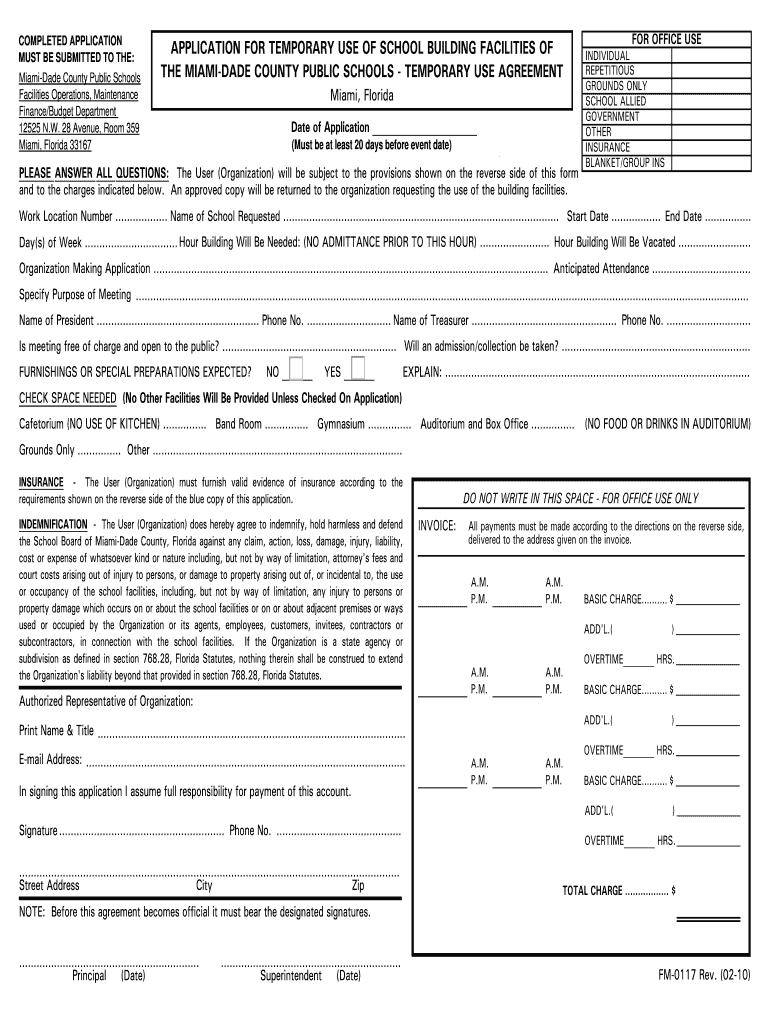
Once you’ve identified your local PHA, you’ll need to obtain and complete their specific application form. This form will request detailed information about your household, income, assets, and previous rental history. It’s imperative to fill out the application accurately and completely to avoid delays. Along with the application, you will need to gather a comprehensive set of documents, which typically include:
- Proof of Identity: Birth certificates, social security cards, driver’s licenses or state IDs for all household members.
- Proof of Income: Pay stubs, tax returns, benefit statements (Social Security, SSI, TANF, child support), unemployment compensation.
- Proof of Assets: Bank statements, property deeds (if applicable).
- Proof of U.S. Citizenship or Eligible Immigration Status: U.S. passports, birth certificates, alien registration cards.
- Rental History: Previous landlord contact information.
Having all these documents organized and ready can significantly expedite the initial application review.
Understanding the Waiting List
One of the most challenging aspects of applying for Section 8 in Florida is the waiting list. Demand for affordable housing often far exceeds the available vouchers, leading to waiting lists that can stretch for months or even years. Many PHAs have closed their waiting lists to new applicants due to overwhelming demand, only opening them periodically, sometimes for a limited window. It is crucial to regularly check the websites of PHAs in your desired areas for announcements regarding waiting list openings. Some PHAs may also offer preferences for certain groups, such as the elderly, disabled, veterans, or local residents, which could potentially move an applicant up the list.
Interview and Voucher Issuance
Once your name reaches the top of the waiting list, the PHA will contact you for an eligibility interview. During this interview, the PHA staff will verify all the information provided in your application, review your documents, and conduct the necessary background checks. This is also an opportunity for you to ask any questions you may have. If deemed eligible, you will be issued a housing voucher. This voucher typically specifies the size of the unit for which your family qualifies and outlines the subsidy amount. You will then have a limited timeframe, usually 60 to 120 days, to find suitable housing that meets program requirements.
Navigating the Housing Search with a Section 8 Voucher
Receiving a Section 8 voucher is a significant milestone, but it’s just the beginning of securing your long-term accommodation. The next phase involves actively searching for an approved rental property that aligns with your family’s needs and the program’s guidelines.
Finding Approved Properties
With a voucher in hand, you will embark on a housing search in the private market. The PHA will provide you with resources and guidance on how to find landlords who are willing to participate in the Section 8 program. Many PHAs maintain lists of landlords or properties, and some online platforms specialize in Section 8 friendly rentals. When you find a property you are interested in, the landlord must agree to lease it under the program’s terms. The property must also pass a housing quality standards (HQS) inspection conducted by the PHA to ensure it is safe, decent, and sanitary. The rent charged by the landlord must also be deemed reasonable by the PHA in comparison to unassisted units in the area.
Landlord-Tenant Responsibilities
Once a suitable property is found and passes inspection, you will enter into a lease agreement with the landlord, and simultaneously, the PHA will enter into a Housing Assistance Payments (HAP) contract with the landlord. As a tenant, your responsibilities include abiding by the terms of your lease, paying your portion of the rent on time, maintaining the property in good condition, and allowing reasonable access for inspections. The landlord is responsible for maintaining the property according to HQS standards, complying with the lease, and promptly addressing repairs. The PHA’s role is to ensure both parties adhere to the program rules and to facilitate the subsidy payments.
Annual Re-evaluations
Participation in the Section 8 program is not a one-time approval; it requires annual re-evaluation. Each year, your household’s income, family composition, and other eligibility factors will be reviewed by the PHA. You will be required to provide updated documentation to ensure continued eligibility and to adjust the subsidy amount based on any changes. The rental unit will also undergo an annual HQS inspection to confirm it still meets health and safety standards. These re-evaluations are critical for maintaining your long-term accommodation stability through the program.
Common Challenges and Important Considerations
While the Section 8 program offers invaluable support, applicants and participants in Florida should be aware of potential challenges and key considerations to ensure a smooth experience.
The Waiting List Reality
As mentioned, the extensive waiting lists are arguably the biggest hurdle for new applicants. It’s not uncommon for waiting lists to be closed for years, especially in high-demand areas like Orlando, Miami, or Jacksonville. Applicants should anticipate a significant wait and have alternative long-term accommodation plans in place. Regularly checking PHA websites and subscribing to their newsletters for waiting list openings is a proactive approach. Applying to multiple PHAs if you are willing to relocate can also increase your chances, though each PHA will have its own application process and waiting list.
Maintaining Eligibility
Once on the program, it is paramount to maintain eligibility. Any changes in income, household size, or address must be reported to the PHA promptly. Failure to do so can result in serious consequences, including termination of assistance. Compliance with lease terms, prompt payment of your rent portion, and cooperation with annual inspections are all essential. Misrepresentation of information can lead to program termination and potential legal action. Understanding your responsibilities as a tenant under the program is crucial for long-term success.
Additional Resources and Support
Beyond the PHAs, several non-profit organizations and community resources in Florida offer assistance to individuals and families seeking affordable housing. These organizations may provide help with application processes, offer financial literacy training, or connect individuals with other supportive services. Exploring these resources can provide additional guidance and support throughout your journey to secure stable long-term accommodation. Organizations focused on homeless prevention, disability advocacy, or senior services often have specialized knowledge of housing assistance programs.
Applying for Section 8 housing in Florida is a structured process designed to assist those most in need of affordable long-term accommodation. By understanding the eligibility criteria, meticulously preparing your application, patiently navigating waiting lists, and diligently fulfilling your responsibilities as a program participant, you can successfully leverage this vital program to achieve housing stability. The journey may require perseverance, but the reward of safe, decent, and affordable housing is immeasurable.
LifeOutOfTheBox is a participant in the Amazon Services LLC Associates Program, an affiliate advertising program designed to provide a means for sites to earn advertising fees by advertising and linking to Amazon.com. Amazon, the Amazon logo, AmazonSupply, and the AmazonSupply logo are trademarks of Amazon.com, Inc. or its affiliates. As an Amazon Associate we earn affiliate commissions from qualifying purchases.