
California — a name that conjures images of sun-drenched beaches, towering redwoods, vibrant cities, and a lifestyle often synonymous with dreams and aspirations. From the glittering shores of Malibu to the bustling streets of San Francisco and the creative heart of Los Angeles, the Golden State beckons travelers, dreamers, and those seeking to establish a long-term home. While its allure is undeniable, the cost of living, particularly housing, can present a significant challenge for many, making sustainable long-term accommodation a primary concern for residents and those considering extended stays.
For individuals and families navigating the complexities of California’s housing market, especially when planning a move or seeking to settle down, understanding available support systems is paramount. Among these, the Section 8 Housing Choice Voucher program stands out as a critical lifeline, offering substantial assistance to secure safe, decent, and affordable housing. While typically associated with permanent residency, grasping the mechanics of Section 8 can be invaluable for anyone planning a prolonged stay or relocation within the state, influencing long-term lifestyle choices and the ability to comfortably experience all that California has to offer. This guide delves into the nuances of applying for Section 8 in California, framed within the broader context of finding stable and affordable accommodation in one of the world’s most captivating, yet challenging, places to live.

The Essence of Section 8: Your Gateway to Affordable Living in California
The Section 8 program, officially known as the Housing Choice Voucher program, is a federal initiative designed to help very low-income families, the elderly, and people with disabilities afford safe and sanitary housing in the private market. Administered by local Public Housing Agencies (PHAs) with funding from the U.S. Department of Housing and Urban Development (HUD), Section 8 plays a pivotal role in making long-term living in California more accessible. For those dreaming of a prolonged residence, perhaps even considering a permanent move to cities like San Diego, Oakland, or Sacramento, understanding this program is a foundational step.
The core principle behind Section 8 is straightforward: housing vouchers are provided to eligible participants, allowing them to choose any housing that meets program requirements. This includes single-family homes, townhouses, and apartments. The housing assistance is paid directly to the landlord by the PHA on behalf of the participating family, which then pays the difference between the actual rent and the amount subsidized by the program. Generally, participants are expected to pay approximately 30% of their adjusted monthly income toward rent and utilities, with the voucher covering the remainder, up to a certain limit known as the payment standard.
This flexibility is particularly appealing in a diverse state like California, where housing costs can vary dramatically from one region to another. A Section 8 voucher offers the freedom to explore various communities, from the vibrant urban centers of the Bay Area to the more serene landscapes of the Central Valley or the scenic beauty of Santa Barbara. It transforms the dream of living amidst California’s iconic landmarks and dynamic culture into a tangible reality for countless individuals and families. For those contemplating an extended stay, even for several months or years, understanding how this program reduces the financial burden of rent can significantly enhance the quality of life and opportunities for exploration and integration into local communities.
Eligibility and Application: Charting Your Course Towards Section 8 Accommodation
Embarking on the journey to secure a Section 8 voucher in California involves understanding specific eligibility criteria and navigating a structured application process. This journey requires patience, thoroughness, and an awareness of the localized nature of the program’s administration.
Who Qualifies? Demystifying Eligibility Criteria
To be eligible for the Section 8 Housing Choice Voucher program in California, applicants must meet several key requirements, primarily focused on income, family status, and background.
- Income Limits: This is arguably the most crucial criterion. An applicant’s household income must not exceed 50% of the median income for the county or metropolitan area in which they reside or plan to reside. However, 75% of new vouchers issued each year must go to families whose incomes do not exceed 30% of the area median income. These limits are set by HUD and vary significantly across California’s diverse counties. For instance, the median income in Marin County or San Mateo County will be substantially higher than in, say, Kern County or Fresno County. Therefore, checking the specific income limits for your desired location, such as Los Angeles County or Alameda County, is essential.
- Family Status: While often referred to as a “family” program, eligibility extends beyond traditional family units. It can include single individuals, elderly persons, and people with disabilities. A “family” is broadly defined to encompass single persons, or a group of persons living together, whether or not related by blood, marriage, or adoption, who share common living arrangements.
- Citizenship or Eligible Immigration Status: Applicants must be U.S. citizens or have eligible immigration status. This requirement applies to all members of the household.
- Background Checks: PHAs conduct criminal background checks on all adult members of the household. Applicants may be denied assistance for certain criminal activities, such as drug-related offenses or violent crimes. Eviction history from federally assisted housing can also be a disqualifying factor.
Understanding these criteria is the first step toward determining if the Section 8 program aligns with your long-term accommodation plans in California.
The Application Process: A Step-by-Step Guide

Once you’ve confirmed your eligibility, the next phase involves navigating the application process itself. This requires direct engagement with the local Public Housing Agencies.
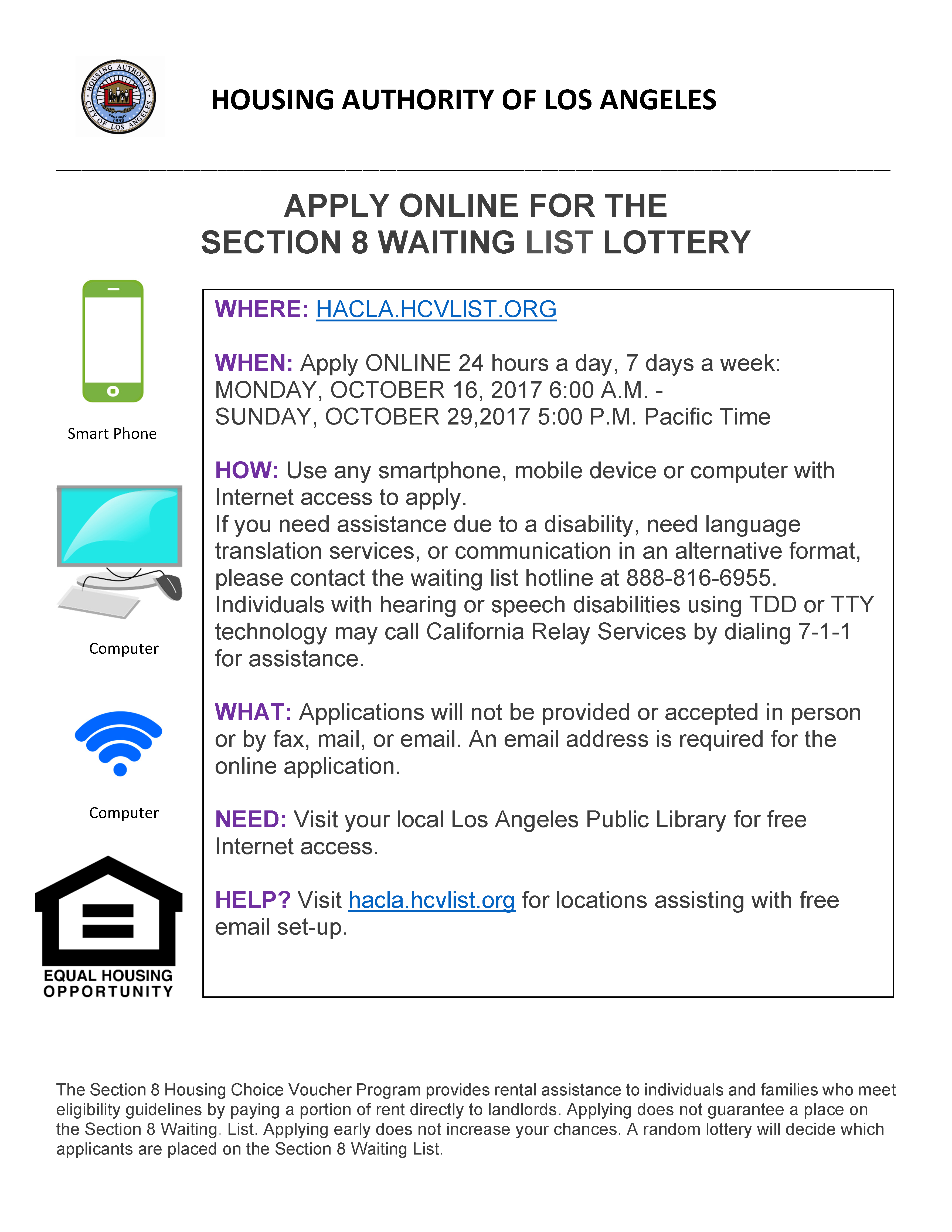
- Contacting Local PHAs: The Section 8 program is locally administered, meaning you must apply through the PHA in the city or county where you wish to live. California has numerous PHAs, such as the Housing Authority of the City of Los Angeles, the San Francisco Housing Authority, the San Diego Housing Commission, or the Sacramento Housing and Redevelopment Agency. Each PHA manages its own waiting list and application procedures. It is crucial to search for the specific PHA for your target location and visit their official website or contact them directly to understand their unique application window and requirements.
- Waiting Lists: Perhaps the most significant hurdle in the application process is the waiting list. Due to high demand and limited funding, waiting lists for Section 8 vouchers in many parts of California, especially in desirable metropolitan areas, can be exceptionally long, often spanning several years. Some PHAs may even close their waiting lists entirely for extended periods, only reopening them periodically. It is advisable to apply to multiple PHAs if possible, especially considering locations that might have shorter waiting times, perhaps in less densely populated areas or inland communities, before seeking transfers to more competitive regions once assistance is secured.
- Required Documents: When an application period opens, applicants will typically need to provide a range of documents to verify their eligibility. These commonly include:
- Proof of identity for all household members (e.g., birth certificates, driver’s licenses, passports).
- Social Security cards for all household members.
- Proof of income for all household members (e.g., pay stubs, bank statements, tax returns, benefit award letters for Social Security, SSI, unemployment, or welfare).
- Proof of assets (e.g., savings accounts, checking accounts, real estate).
- Proof of any deductions from income (e.g., child care expenses, medical expenses for elderly or disabled family members).
- Proof of citizenship or eligible immigration status.
- Interviews and Verification: Once selected from the waiting list, applicants will typically undergo an interview with a PHA representative. During this stage, all submitted information will be thoroughly verified. The PHA will contact employers, banks, and other agencies to confirm income, assets, and other details provided in the application. Any discrepancies can lead to delays or even denial of assistance.
This meticulous process underscores the program’s commitment to ensuring that aid reaches those most in need, while also highlighting the importance of accuracy and perseverance for applicants seeking stable long-term accommodation in California.
Navigating the Landscape: Tips for Success in California’s Housing Market
Successfully applying for and utilizing a Section 8 voucher in California extends beyond merely getting on a waiting list. It involves strategic planning, proactive searching, and a clear understanding of how the program interacts with the state’s dynamic housing market. For individuals and families envisioning a life or extended stay in places like the vibrant Orange County or the serene Sonoma County, these insights can be invaluable.
Beyond the Application: Finding Your Ideal Home
Once you receive a Section 8 voucher, the responsibility of finding a suitable rental unit largely falls to you. This phase requires diligent effort and an understanding of specific program parameters.
- The Voucher in Action: With a voucher in hand, you are free to search for housing in the private market. This can include apartments, duplexes, townhouses, or single-family homes, as long as the property meets HUD’s housing quality standards and the landlord agrees to participate in the Section 8 program. It’s crucial to note that not all landlords accept Section 8 vouchers. This can narrow down available options, especially in highly competitive rental markets like San Jose or parts of Napa Valley. Being upfront about your Section 8 voucher from the start can save time and effort.
- Fair Market Rent (FMR) and Payment Standards: Each PHA establishes a “payment standard” that represents the maximum subsidy it will pay for a particular unit size (e.g., one-bedroom, two-bedroom) in its jurisdiction. These payment standards are based on the Fair Market Rent (FMR) published by HUD. If the rent for your chosen unit, plus utilities, exceeds the PHA’s payment standard, you would be responsible for paying the difference, in addition to your initial 30% of adjusted income. However, the total amount you pay cannot exceed 40% of your adjusted monthly income at the initial lease signing. This financial framework means that while a voucher offers significant aid, finding a property within these limits is essential, guiding your search towards reasonably priced accommodations in various California locales.
- Knowing Your Rights: As a Section 8 voucher holder, you have rights. In California, state law generally prohibits landlords from discriminating against tenants based on their source of income, which includes Section 8 vouchers. While this doesn’t guarantee a landlord must accept your voucher, it does protect against outright refusal solely due to the voucher. Familiarizing yourself with tenant rights and fair housing laws in California is a vital step in navigating the rental market effectively. Resources from local tenant unions or legal aid societies can be invaluable.
Strategic Planning for California Living: Maximizing Your Chances
Given the competitive nature of California’s housing market and the high demand for Section 8 assistance, a strategic approach can significantly improve your chances of securing and maintaining housing.
- Apply to Multiple PHAs: As mentioned, apply to every PHA whose waiting list is open and where you might consider living, even if it’s not your absolute first choice. While transferring a voucher between PHAs is possible (portability), securing one initially is the priority. Some PHAs in less expensive regions might have shorter waiting lists, offering a quicker path to assistance. For example, inland cities or communities in the Central Valley might have different waiting list dynamics than bustling coastal hubs.
- Stay Updated and Responsive: Once on a waiting list, promptly respond to any communication from the PHA. Keep your contact information current, and notify them of any changes in household composition or income. Missing an update or a crucial piece of correspondence could result in your removal from the waiting list.
- Proactive Housing Search: Don’t wait until you have the voucher in hand to start researching rental options. Familiarize yourself with neighborhoods, average rental prices, and landlords who are open to Section 8. Online rental platforms often allow filtering for Section 8 friendly properties, or you can check with the PHA, as they sometimes maintain lists of participating landlords. Consider areas that offer a balance between affordability and access to amenities, transportation, and local attractions that enhance your California lifestyle.
- Consider the Broader Lifestyle Implications: Beyond the financial aspect, think about what type of environment best suits your long-term goals. Do you prefer the cultural richness of Los Angeles, the academic atmosphere of Berkeley, or the natural beauty surrounding Redding? While Section 8 primarily addresses housing costs, securing a voucher allows you to focus on integrating into your chosen community, exploring local culture, engaging in activities, and truly enjoying the unique experiences California has to offer. Understanding public transportation networks, school districts, and proximity to green spaces or essential services can significantly enhance your quality of life.
Conclusion
Securing affordable, long-term accommodation in California is a significant undertaking, often presenting a steep challenge amidst the state’s popularity and high cost of living. For countless individuals and families, the Section 8 Housing Choice Voucher program emerges as an indispensable resource, offering a pathway to stable and secure housing that might otherwise be out of reach. While the application process demands patience, thoroughness, and often a long wait, the rewards of receiving a voucher are transformative, enabling participants to establish roots and thrive in one of the United States‘ most desirable states.
Whether you are a long-time resident of California or someone considering a significant move for an extended stay, understanding “How To Apply For Section 8 In California” is a crucial step towards achieving stability and enhancing your lifestyle. It’s about more than just a roof over your head; it’s about gaining access to the vibrant communities, diverse opportunities, and unique experiences that define the Golden State. By diligently navigating the eligibility criteria, meticulously completing the application process, and strategically searching for suitable housing, you can empower yourself to make California not just a dream destination, but a sustainable and comfortable home for the long term. Patience and persistence are your greatest allies in this journey towards a more secure future in California.
LifeOutOfTheBox is a participant in the Amazon Services LLC Associates Program, an affiliate advertising program designed to provide a means for sites to earn advertising fees by advertising and linking to Amazon.com. Amazon, the Amazon logo, AmazonSupply, and the AmazonSupply logo are trademarks of Amazon.com, Inc. or its affiliates. As an Amazon Associate we earn affiliate commissions from qualifying purchases.