
For many aspiring entrepreneurs, the allure of [California] is undeniable. From the sun-drenched beaches of [San Diego] to the bustling tech hubs of [San Francisco] and the entertainment capital of [Los Angeles], the Golden State offers a dynamic backdrop for launching a new venture. Whether you’re dreaming of selling artisanal crafts at a local market, launching an online boutique, offering unique travel experiences, or even managing a vacation rental property and selling related services, understanding the foundational legal requirements is paramount. One of the most critical steps for almost any business selling tangible personal property is obtaining a [California] Seller’s Permit. This isn’t just a bureaucratic formality; it’s your official authorization to collect sales tax on behalf of the state, ensuring your business operates legally and ethically within [California]’s robust economy.
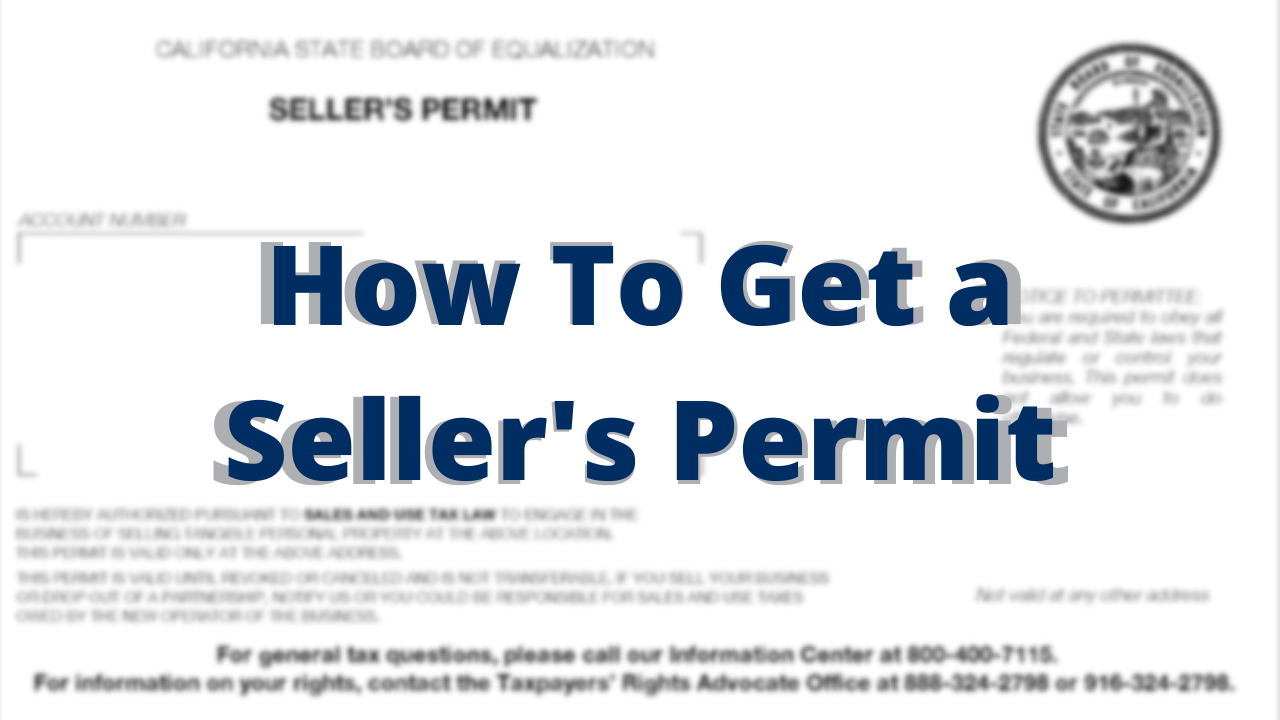
Navigating the nuances of business registration can seem daunting, especially for those new to entrepreneurship or those looking to pivot their travel experiences into a sustainable lifestyle. However, securing your Seller’s Permit is a straightforward process once you understand the steps involved. It’s a vital piece of the puzzle that ensures compliance, protects your business from future penalties, and allows you to contribute to the local economy. This guide will walk you through everything you need to know about applying for a [California] Seller’s Permit, helping you lay a solid foundation for your business journey in one of the world’s most vibrant states.
Understanding the California Seller’s Permit: Your Gateway to Commerce
At its core, a [California] Seller’s Permit, also known as a sales tax permit or reseller’s license, is a document issued by the [California Department of Tax and Fee Administration (CDTFA)]. It grants your business the legal authority to sell tangible personal property within the state and, consequently, to collect sales tax from your customers. This sales tax is then remitted to the [CDTFA] on a regular basis.
Why is this so important? The sales tax collected isn’t your business’s revenue; it belongs to the state. Your role as a permit holder is that of a trustee – you collect these funds and pass them on. Operating without a valid Seller’s Permit when one is required is a serious offense that can lead to significant penalties, fines, and even criminal charges. For someone establishing a new lifestyle business or a venture aimed at funding their travel, avoiding such legal pitfalls is crucial for long-term success and peace of mind.
The [CDTFA] is the state agency responsible for administering sales and use taxes in [California]. They oversee the application process, provide guidance to businesses, and ensure compliance. Their robust online portal and network of district offices make the process accessible for businesses of all sizes, from a sole proprietor selling handmade jewelry at a craft fair to a large corporation operating multiple retail outlets. Understanding the [CDTFA]’s role is key to navigating the permit application and ongoing tax responsibilities effectively.
Who Needs a Seller’s Permit in the Golden State?
The primary trigger for needing a [California] Seller’s Permit is engaging in the sale of “tangible personal property” within the state. This broad definition encompasses most physical goods you can see, touch, or move. This applies whether you are a [Retailer] selling directly to the end consumer or a [Wholesaler] selling to other businesses for resale.
Let’s explore common scenarios where a Seller’s Permit is a must, often relevant to those pursuing a travel-infused lifestyle or setting up local ventures:
- Retail Businesses: This is the most straightforward category. If you operate a brick-and-mortar store, a pop-up shop, or even an online store shipping products from [California] to customers within the state, you generally need a permit. Examples include clothing boutiques, souvenir shops in tourist hotspots like [San Francisco] or [Los Angeles], bookshops, electronics stores, and even a food truck selling prepared meals.
- Online Sellers and Dropshippers: Many modern entrepreneurs leverage e-commerce platforms. If you’re an [Online Seller] based in [California] and make sales to customers within [California], even if your inventory is stored elsewhere (like through a [Dropshipper] model), you typically need a permit. The key is your nexus (physical presence) in [California] and the sale occurring to a [California] customer.
- Craft Fair Vendors and Market Stall Holders: For those embracing a nomadic or community-focused lifestyle, participating in local markets, festivals, and craft fairs is a common way to sell handmade goods, art, or specialty food items. If you are regularly selling tangible items at these events, you will need a Seller’s Permit. This is especially true for events in popular tourist destinations like [San Diego] where visitor traffic means higher sales potential.
- Service-Oriented Businesses with Tangible Sales: While service-based businesses generally don’t need a Seller’s Permit for the services themselves, if they also sell tangible goods, the permit becomes necessary. For instance, a yoga studio selling mats or apparel, a travel guide business selling branded merchandise, or a unique accommodation like an [Airbnb] that also offers local artisan products to guests, would need one for the product sales.
- Wholesalers: If you sell tangible personal property to other businesses that intend to resell those items, you typically need a permit. However, when you sell to a business that also has a Seller’s Permit, you will usually accept a resale certificate from them instead of collecting sales tax. This ensures sales tax is only collected once, at the final retail sale.
Occasional Sellers and Exemptions:
It’s important to note that certain infrequent or occasional sales might be exempt. Generally, garage sales or private sales of personal property are not considered “business” activities requiring a permit. However, if your sales activity becomes regular, even on a small scale, or if you hold yourself out as a seller, you’ll likely cross the threshold. When in doubt, it’s always best to consult the [CDTFA] or a tax professional to ensure compliance. The goal is to avoid any surprises that could derail your entrepreneurial dreams in [California].
The Step-by-Step Application Process with the [CDTFA]
Applying for your [California] Seller’s Permit is a crucial administrative step that can be completed efficiently. The [CDTFA] has streamlined the process, largely through its user-friendly online portal. There is generally no fee to apply for the permit itself, though you might encounter security deposit requirements in certain circumstances (e.g., if you have a history of non-compliance).
Gathering Essential Information Before You Begin
Before you even log onto the [CDTFA] website, gather all necessary information. Being prepared will make the online application much smoother and faster.
- Business Entity Information:
- Legal Business Name: The official name of your business.
- Business Structure: You’ll need to specify whether your business is a [Sole Proprietorship], [Partnership], [Limited Liability Company (LLC)], or [Corporation]. This is a foundational decision with implications for liability, taxation, and other registrations.
- A [Sole Proprietorship] is the simplest, where the individual and business are one entity.
- A [Partnership] involves two or more individuals.
- An [LLC] provides personal liability protection and flexibility.
- A [Corporation] is a separate legal entity from its owners.
The choice of structure will influence other registrations, such as with the [California Secretary of State] or the [Internal Revenue Service].
- Federal Tax Identification Number (EIN) or Social Security Number (SSN): If your business is structured as a [Corporation], [Partnership], or [LLC] (in most cases), you will need an [EIN], which is issued by the [Internal Revenue Service (IRS)]. A [Sole Proprietorship] can typically use the owner’s [Social Security Administration (SSA)]-issued [Social Security Number]. It’s advisable for even [Sole Proprietorship]s to obtain an [EIN] for separation and privacy, though it’s not always legally required for a Seller’s Permit.
- Business Location(s): The physical address where your business is located in [California]. If you operate an online business from your home, that would be your primary business location. For businesses with multiple locations, you might need to register each separately or list them under a master permit.
- Type of Business Activity: A clear description of the goods you will be selling. Be as specific as possible (e.g., “handmade jewelry,” “vintage clothing,” “gourmet coffee beans,” “locally sourced travel guidebooks”).
- Start Date of Business: The date you began or intend to begin selling tangible personal property in [California].
- Estimated Monthly or Quarterly Taxable Sales: An estimate of your expected gross sales that are subject to [California] sales tax. This helps the [CDTFA] determine your filing frequency (e.g., monthly, quarterly, or annually).
- Personal Information: For individual owners, partners, or corporate officers, you’ll need personal details like your name, [Social Security Number], date of birth, and driver’s license number.
Navigating the [CDTFA] Online Application Portal
Once you have all your information ready, the application process is predominantly conducted online through the [CDTFA]’s official website.
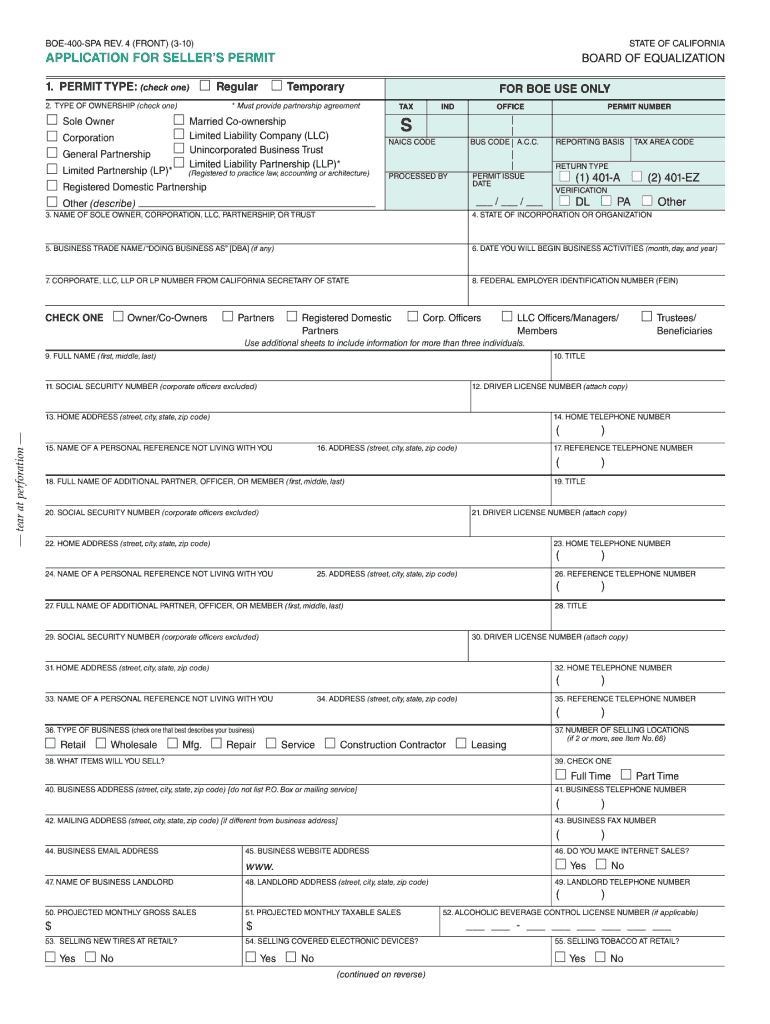
- Visit the [CDTFA] Website: Go to the official [California Department of Tax and Fee Administration] website. Look for sections related to “Register a New Business” or “Apply for a Seller’s Permit.”
- Create an Account (If New): If you don’t already have an online account with the [CDTFA], you will likely need to create one. This usually involves providing an email address and setting up a password.
- Start the Application: Select the option to apply for a Seller’s Permit. The online application is generally a guided questionnaire. You will be prompted to enter all the information you gathered in the previous step.
- Provide Business Details: Input your legal business name, physical address(es), type of business structure, and your [Federal Tax Identification Number] (or [Social Security Number] if applicable).
- Describe Business Activities: Detail the types of products you will be selling. The system may have categories to help you classify your business.
- Enter Personal Information: For [Sole Proprietorship]s, [Partnership]s, or key officers of [LLC]s/[Corporation]s, personal identification information will be required.
- Review and Submit: Carefully review all the information you’ve entered for accuracy. Errors can lead to delays. Once confident, submit your application.
- Confirmation: Upon successful submission, you will usually receive a confirmation number. In many cases, if all information is complete and verified, your Seller’s Permit number can be issued almost immediately, or within a few business days. The actual permit document will then be mailed to your business address.
The online system is designed to be intuitive, prompting you for all necessary details. Should you encounter any issues or have questions, the [CDTFA] provides excellent customer support, both through their website and via phone.
Post-Application: What to Expect and Your Responsibilities
Receiving your Seller’s Permit is just the beginning. As a permit holder, you assume ongoing responsibilities:
- Collect Sales Tax: You are legally obligated to collect the correct amount of [California] sales tax from your customers on all taxable sales. The sales tax rate varies by city and county within [California], as local jurisdictions often impose additional district taxes on top of the statewide rate. It’s crucial to apply the correct rate based on the point of sale or delivery.
- File Sales Tax Returns: On a schedule determined by the [CDTFA] (typically monthly, quarterly, or annually, based on your estimated sales volume), you must file a sales tax return. This return reports your total sales, taxable sales, and the amount of sales tax you collected.
- Remit Collected Taxes: Along with your sales tax return, you must remit the sales tax you collected to the [CDTFA]. Most businesses do this electronically through the [CDTFA] online portal.
- Keep Accurate Records: Maintain meticulous records of all sales, purchases, sales tax collected, and sales tax remitted. This includes invoices, receipts, and any resale certificates you accepted from other businesses. These records are essential for audits and ensuring compliance.
- Update Business Information: If your business address, ownership, or legal structure changes, you must update this information with the [CDTFA] promptly.
Beyond the Seller’s Permit: Other Crucial Business Registrations in California
While the Seller’s Permit is a cornerstone for many businesses in [California], it’s important to understand that it’s often just one piece of a broader compliance puzzle. Depending on your business structure, location, and activities, you may need additional licenses and registrations. Neglecting these can lead to complications, even if your Seller’s Permit is in order. For the travel-minded entrepreneur building a lifestyle business in [California], comprehensive compliance ensures smooth operations and growth.
Business Licenses and Permits at the Local Level
Almost every city and county in [California] requires businesses operating within their jurisdiction to obtain a local business license. This is distinct from the state-issued Seller’s Permit. These local licenses serve to monitor and regulate businesses within their boundaries and often contribute to local services.
- City Business License: If your business has a physical presence (even a home office) within city limits, you will likely need a city business license. For example, a travel agency operating out of downtown [Los Angeles] will need a [Los Angeles] City Business License. A small boutique hotel in [San Francisco] would need a [San Francisco] business registration.
- County Business License: In some unincorporated areas or for certain types of businesses, a county-level license may be required.
- Industry-Specific Permits: Beyond general business licenses, specific industries might require additional permits. For instance, food service businesses (like a pop-up food vendor) will need health permits, and certain types of accommodations might require transient occupancy permits. Always check with your local city hall or county clerk’s office.
Federal and State Tax IDs: EIN and [FTB] Registration
Your tax identification numbers are fundamental to operating legally and filing your required tax returns.
- Federal Tax Identification Number ([EIN]): As mentioned earlier, the [EIN] is issued by the [Internal Revenue Service (IRS)] and acts as a [Federal Tax Identification Number] for businesses. It’s mandatory for [Corporation]s, [Partnership]s, and [LLC]s taxed as [Corporation]s or [Partnership]s, and often recommended for [Sole Proprietorship]s that hire employees or wish to keep personal and business finances separate.
- [California] Franchise Tax Board ([FTB]): In addition to federal income tax, [California] has its own state income tax. The [Franchise Tax Board (FTB)] is the state agency responsible for administering [California]’s income and franchise taxes. [Corporation]s and [LLC]s operating in [California] will need to register with the [FTB] and file annual state income tax returns. [Sole Proprietorship]s and [Partnership]s typically report their business income on their personal [California] income tax returns.
Employer Registration with the [Employment Development Department (EDD)] (If Applicable)
If your business plans to hire employees in [California], you will need to register with the [Employment Development Department (EDD)]. The [EDD] is responsible for administering the state’s payroll tax programs, including unemployment insurance, state disability insurance, and employment training tax. This is a critical step for any business planning to grow its team, ensuring proper withholding and remittance of employee payroll taxes.
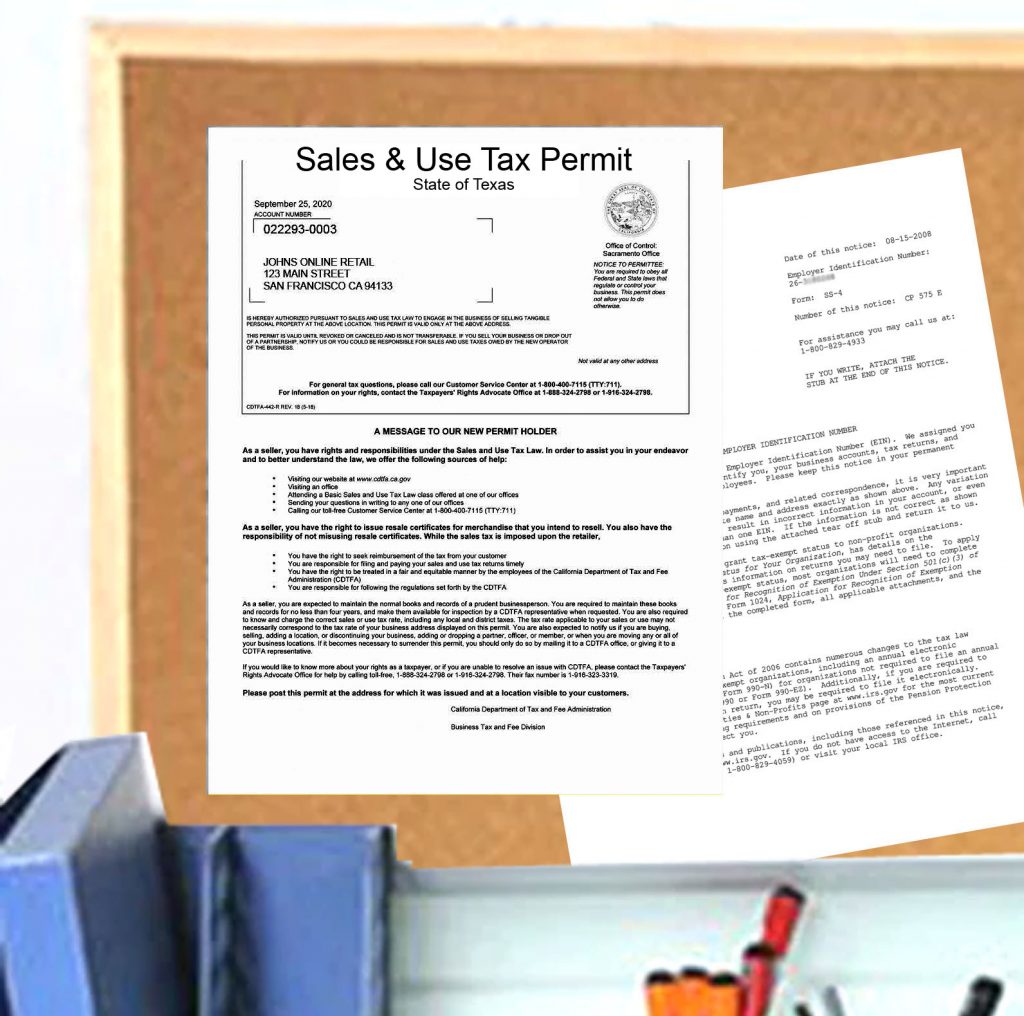
Business Name Registration with the [Secretary of State]
Depending on your business structure and name, you may need to register with the [California Secretary of State].
- [LLC]s and [Corporation]s: These entities must register their formation documents with the [Secretary of State] to legally exist and operate in [California].
- Fictitious Business Name (DBA): If your [Sole Proprietorship] or [Partnership] operates under a name different from the owner’s legal name (e.g., “Golden Coast Tours” instead of “Jane Doe”), you will likely need to file a Fictitious Business Name (FBN) statement, also known as a “Doing Business As” (DBA). This is usually filed at the county level and often requires publication in a local newspaper.
Starting a business in [California] is an exciting endeavor, offering countless opportunities for those seeking a unique lifestyle or travel-inspired venture. While the process involves several layers of compliance, each step, including securing your [California] Seller’s Permit, is a move towards building a legitimate, respected, and sustainable business. By diligently addressing these requirements, you position your venture for success, allowing you to focus on what you love – whether it’s crafting unique products, curating unforgettable travel experiences, or simply enjoying the entrepreneurial journey in the beautiful state of [California]. Embrace the process, stay organized, and watch your [California] dream unfold.
LifeOutOfTheBox is a participant in the Amazon Services LLC Associates Program, an affiliate advertising program designed to provide a means for sites to earn advertising fees by advertising and linking to Amazon.com. Amazon, the Amazon logo, AmazonSupply, and the AmazonSupply logo are trademarks of Amazon.com, Inc. or its affiliates. As an Amazon Associate we earn affiliate commissions from qualifying purchases.