
Applying for the Supplemental Nutrition Assistance Program (SNAP) in Oregon, formerly known as food stamps, is a vital process for many households seeking to alleviate food insecurity. This program provides crucial financial assistance to purchase groceries, ensuring that families and individuals have access to nutritious food. The Oregon Department of Human Services (ODHS) administers the SNAP program, with applications processed at the state level. Understanding the application process, eligibility requirements, and available resources is key to successfully obtaining this essential support.
Understanding SNAP Eligibility in Oregon
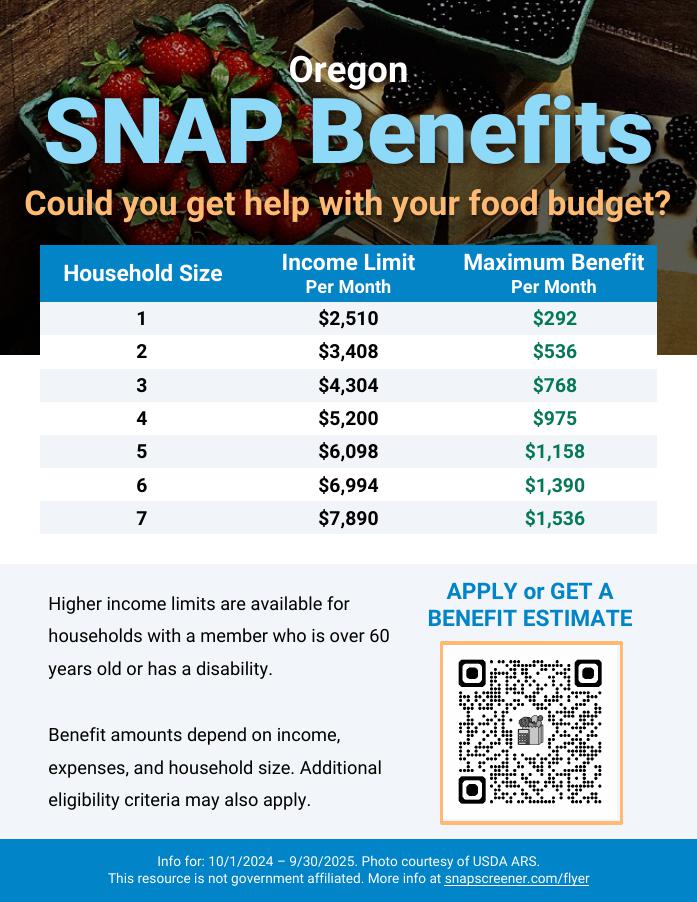
Eligibility for SNAP in Oregon is determined by several factors, primarily focusing on household income, household size, and certain asset limits. The program aims to serve low-income individuals and families, with specific rules that vary based on household composition, such as the presence of elderly or disabled members.
Income Requirements
The core of SNAP eligibility revolves around a household’s gross and net monthly income.
- Gross Monthly Income: This is the total income of all household members before any deductions. Households must meet a gross income test, which is generally set at 130% of the federal poverty level for their household size.
- Net Monthly Income: After certain deductions are applied to the gross income (such as a standard deduction, earned income deduction, dependent care expenses, and shelter costs exceeding a certain percentage of income), the remaining net income must also fall below the federal poverty level (100%) for the household size.
There are specific exceptions and considerations for households with elderly or disabled members. For these households, the gross income test may be waived, and they may also be eligible for higher shelter cost deductions. It is crucial to accurately report all sources of income, including wages, salaries, self-employment income, unemployment benefits, Social Security, Supplemental Security Income (SSI), pensions, and any other cash payments.
Asset Limits
While less emphasized than income, certain assets are considered when determining SNAP eligibility. For most households, the countable asset limit is $2,750. However, for households with at least one member aged 60 or older, or a member with a disability, this limit is higher, set at $4,250.
Countable assets typically include:
- Checking and savings accounts
- Money market accounts
- Stocks and bonds
- Trust funds (depending on terms)
Assets that are generally not counted include:
- The home the household lives in
- One vehicle per adult household member (with some exceptions)
- Retirement accounts (e.g., 401(k)s, IRAs)
- Household goods and personal belongings
- The value of a home being sold
It is important to be truthful and comprehensive when reporting all assets, as misrepresentation can lead to disqualification or penalties.
Household Definition
A “household” for SNAP purposes is defined as a group of people who live together and customarily purchase and prepare meals together. This definition is not strictly based on family ties but rather on shared living and food arrangements. Single individuals, couples, families with children, and unrelated individuals living together can all apply as a household.
Other Eligibility Factors
Beyond income and assets, other factors can influence eligibility:
- Citizenship/Residency: Applicants must be U.S. citizens or qualified non-citizens residing in Oregon.
- Work Requirements: Most non-elderly, able-bodied adults without dependents (ABAWDs) are subject to work requirements or participation in a work program, which limits the time they can receive SNAP benefits. There are exemptions for individuals with disabilities, those caring for young children, and others.
- Student Status: Specific rules apply to college students, with certain eligibility criteria and exemptions.
The SNAP Application Process in Oregon
Applying for SNAP in Oregon is designed to be accessible, with multiple avenues available for submission. The process involves completing an application, providing necessary documentation, and participating in an interview.
How to Apply
Oregon offers several convenient ways to apply for SNAP benefits:
- Online Application: The fastest and most recommended method is to apply online through the Oregon Department of Human Services (ODHS) website. The online portal allows applicants to create an account, fill out the application form, upload supporting documents, and track the status of their application. This method is available 24/7 and often expedites the initial processing.
- In-Person Application: Applicants can visit their local ODHS office to apply in person. This option is beneficial for individuals who prefer face-to-face assistance, have limited internet access, or need help understanding the application. You can find a list of ODHS offices on the ODHS website.
- Mail or Fax Application: Application forms can be downloaded from the ODHS website, or requested by phone or mail. Completed applications can then be mailed or faxed to the local ODHS office. While this method is available, it generally takes longer for processing compared to online applications.
- Phone Application: In some cases, it may be possible to begin an application over the phone. It is advisable to call the ODHS client services line for guidance on this option.
Required Documentation
After submitting the initial application, you will be required to provide documentation to verify the information you have provided. The specific documents needed can vary, but commonly include:
- Proof of Identity: A government-issued photo ID (e.g., driver’s license, state ID card, passport).
- Proof of Income: Pay stubs, employer statements, unemployment benefit statements, Social Security benefit statements, or other documentation showing income for the past 30 days. For self-employed individuals, this may include ledgers, receipts, and tax returns.
- Proof of Household Expenses: Receipts or statements for rent/mortgage payments, utility bills (especially if applying for shelter cost deductions), child care costs, and medical expenses for individuals aged 60 or older or with disabilities.
- Proof of Assets: Bank statements for checking and savings accounts, brokerage statements for stocks and bonds, and documentation related to any other assets.
- Social Security Numbers: Social Security cards for all household members.
- Residency Verification: Documents confirming you reside in Oregon, such as a utility bill or lease agreement.
- Citizenship/Immigration Status: Birth certificates, passports, or immigration documents for all household members.
It is essential to provide accurate and complete documentation. If you are missing certain documents, contact ODHS immediately to discuss alternatives or extensions.
The Interview
Once your application and initial documentation are received, a mandatory interview will be scheduled. This interview can typically be conducted by phone or in person. The purpose of the interview is for an ODHS representative to:
- Review your application and clarify any information.
- Explain your rights and responsibilities as a SNAP recipient.
- Answer any questions you may have about the program.
- Determine your final eligibility for SNAP benefits.
Be prepared to discuss your household’s situation, income, expenses, and any changes that may have occurred since you submitted your application. Having all your supporting documents readily available during the interview can help the process go smoothly.
Navigating Your SNAP Benefits in Oregon
Once approved for SNAP benefits, recipients will receive an Oregon Trail Card, which functions like a debit card for purchasing eligible food items. Understanding how to use the card and manage your benefits is crucial for ongoing support.
Using Your Oregon Trail Card
The Oregon Trail Card can be used at most grocery stores, farmers’ markets, and online retailers that accept Electronic Benefit Transfer (EBT) payments. When you make a purchase, the amount will be deducted from your account balance. It is important to track your balance, which can usually be done online, via a mobile app, or by checking your receipt.
Certain items are not eligible for purchase with SNAP benefits, including:
- Alcoholic beverages
- Tobacco products
- Any non-food items (e.g., household supplies, pet food, personal hygiene products)
- Prepared hot foods meant for immediate consumption
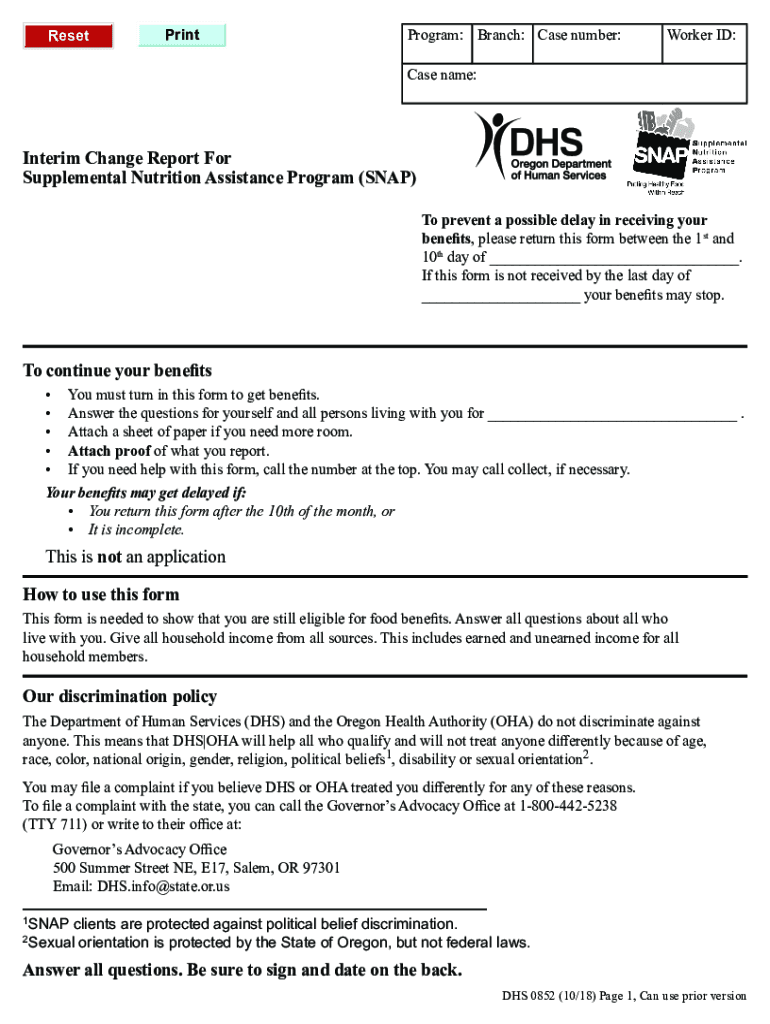
Reporting Changes and Recertification
SNAP benefits are typically approved for a specific period, after which you will need to reapply or recertify to continue receiving benefits. You will receive a notice from ODHS when your recertification is due. It is vital to submit the recertification paperwork on time to avoid any interruption in benefits.
Furthermore, you are required to report certain changes in your household situation to ODHS within 10 days of the change occurring. These changes may include:
- A significant increase or decrease in household income.
- A change in household size (e.g., a new member joins or leaves).
- A change in shelter costs.
- A change in work status for ABAWDs.
- Moving out of state.
Failing to report changes can lead to an overpayment of benefits, which you may have to repay, or a disqualification from the program.

Seeking Assistance and Resources
The ODHS website is an invaluable resource for applicants and recipients, providing detailed information, application forms, and links to local offices. Additionally, there are various community organizations and food banks across Oregon that offer support and assistance with the SNAP application process and related needs. These organizations can help individuals understand eligibility, gather documentation, and navigate the system.
For those facing immediate food needs, local food banks and pantries can provide essential support while an application is being processed or if eligibility requirements are not met. Many of these food assistance programs work in conjunction with SNAP, aiming to create a comprehensive network of support for vulnerable populations.
By understanding the eligibility criteria, application procedures, and ongoing responsibilities, individuals and families in Oregon can effectively access the SNAP program and ensure access to nutritious food for their households.
LifeOutOfTheBox is a participant in the Amazon Services LLC Associates Program, an affiliate advertising program designed to provide a means for sites to earn advertising fees by advertising and linking to Amazon.com. Amazon, the Amazon logo, AmazonSupply, and the AmazonSupply logo are trademarks of Amazon.com, Inc. or its affiliates. As an Amazon Associate we earn affiliate commissions from qualifying purchases.