
Understanding and leveraging Florida’s homestead exemption is a cornerstone for any homeowner looking to reduce their property tax burden. This significant tax benefit, available to permanent Florida residents who own and occupy their home as their primary residence, can lead to substantial annual savings. Navigating the application process, while generally straightforward, requires attention to detail and adherence to specific deadlines. This guide will walk you through each step, from eligibility requirements to the submission of your application, ensuring you can take full advantage of this valuable homeowner’s right.
Understanding the Homestead Exemption in Florida
The homestead exemption is more than just a tax break; it’s a constitutional protection designed to safeguard homeowners from losing their homes due to financial hardship. In Florida, it offers two primary benefits: a reduction in the assessed value of your property for tax purposes, and protection against the forced sale of your home to satisfy certain debts.
Eligibility Criteria
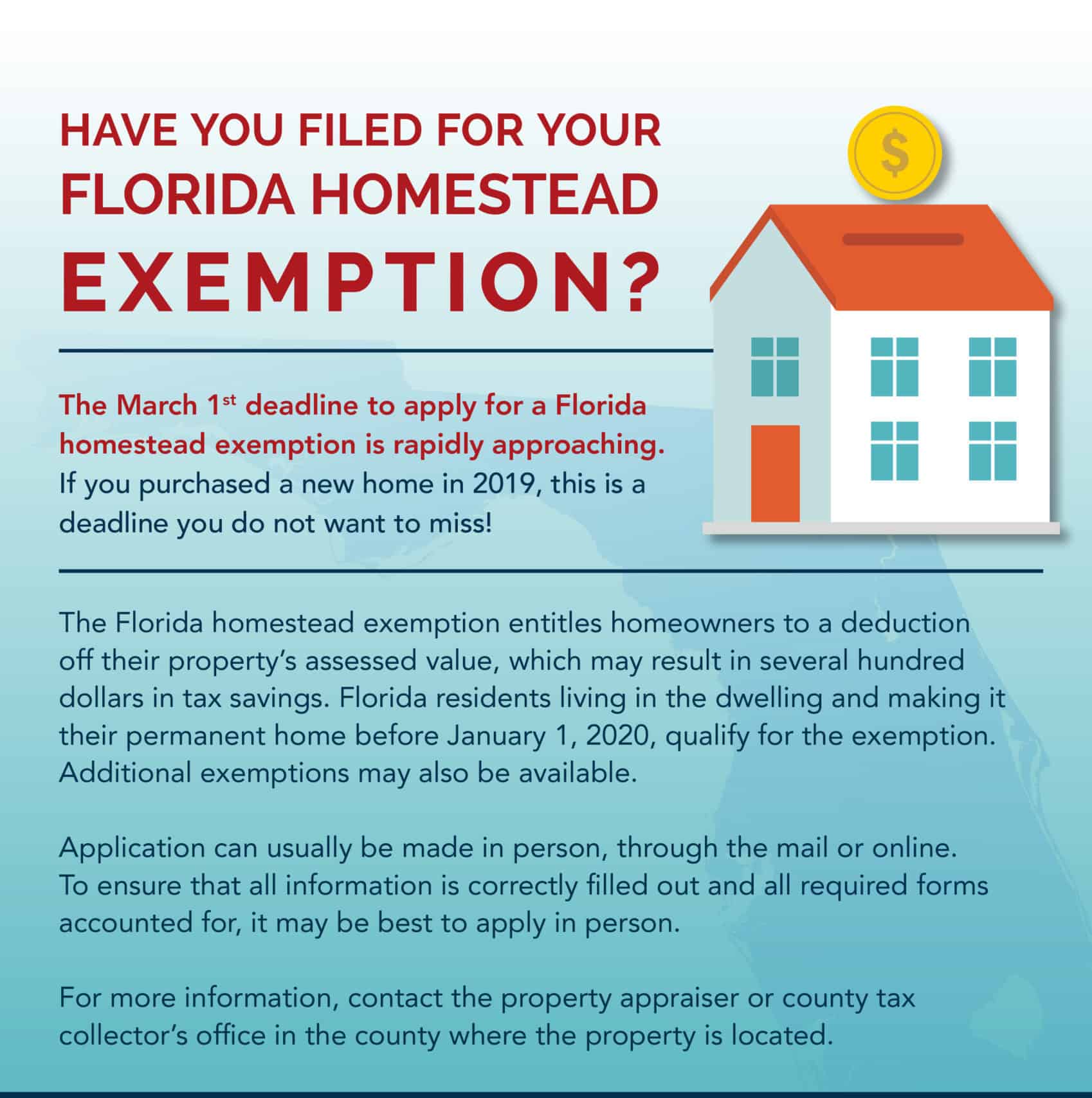
To qualify for the Florida homestead exemption, you must meet several key criteria. These are rigorously enforced to ensure the exemption is granted only to those who genuinely reside in Florida and consider the property their permanent home.
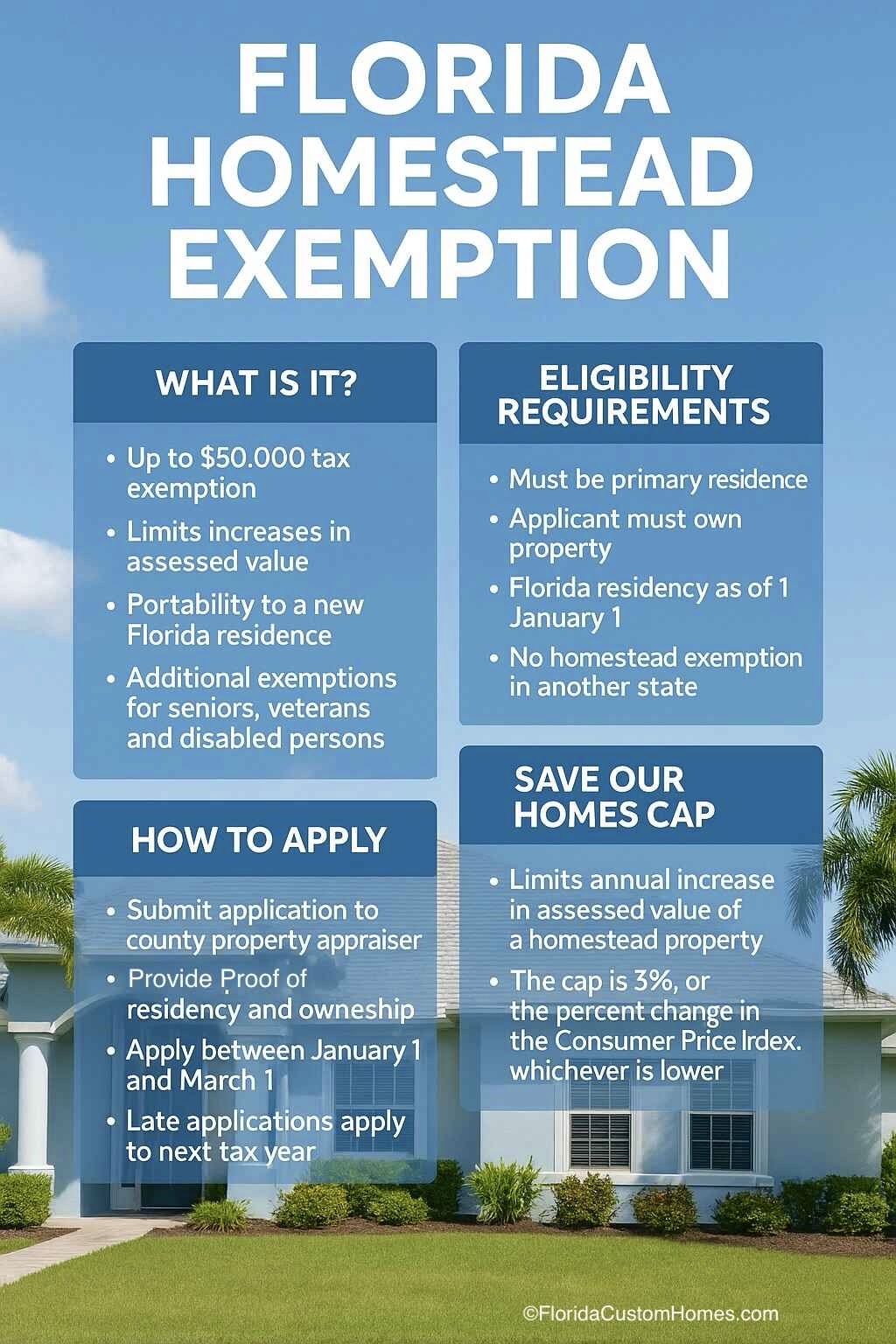
- Primary Residence: The most critical requirement is that the property must be your permanent residence. This means you live there more than any other place. You cannot claim homestead exemption on multiple properties or on a vacation home.
- Ownership and Occupancy: You must own the property and live in it as of January 1st of the tax year for which you are applying. If you purchase a property after January 1st, you will need to wait until the following year to apply.
- Florida Residency: You must be a bona fide resident of Florida. This means establishing your permanent home in the state and demonstrating your intent to remain indefinitely. Evidence of residency may include obtaining a Florida driver’s license, registering to vote in Florida, and filing Florida income tax returns (if applicable).
- Property Type: The exemption applies to your primary dwelling and up to one acre of contiguous land if the property is located within a municipality, or up to 160 acres of contiguous land if located outside a municipality. This typically covers single-family homes, condominiums, townhouses, and mobile homes (provided they are permanently affixed to the land you own).
Types of Homestead Exemptions
Beyond the general homestead exemption, Florida offers additional exemptions that can further reduce your tax liability. These are often based on specific circumstances or professions.
- General Homestead Exemption: This is the basic exemption available to all eligible homeowners, reducing the taxable value of your home by $25,000 for taxes levied by counties and municipalities and by school districts. For taxes other than school district taxes, an additional exemption of up to $25,000 applies to the value of your home between $50,000 and $75,000.
- Additional Exemptions:
- Senior Citizen Exemption: Some counties offer additional exemptions for individuals aged 65 and older who meet certain income limitations. These vary by county.
- Veteran’s Exemption: Disabled veterans may qualify for a full or partial exemption depending on the percentage of their disability. Some exemptions can extend to surviving spouses.
- Widow/Widower Exemption: Surviving spouses of individuals who qualified for homestead exemption may be eligible for the exemption.
- First Responder and Military Exemption: Florida has provisions for first responders and military personnel who are killed in the line of duty.
- Totally and Permanently Disabled Persons Exemption: Individuals who are totally and permanently disabled may be eligible for a full exemption.
It is crucial to check with your local property appraiser’s office for specific details and requirements for these additional exemptions, as they can differ significantly.
The Application Process: Step-by-Step
Applying for the homestead exemption in Florida is a procedural task that requires careful attention to detail and timely submission. Missing deadlines can mean forfeiting the exemption for that tax year.
Gathering Necessary Documentation
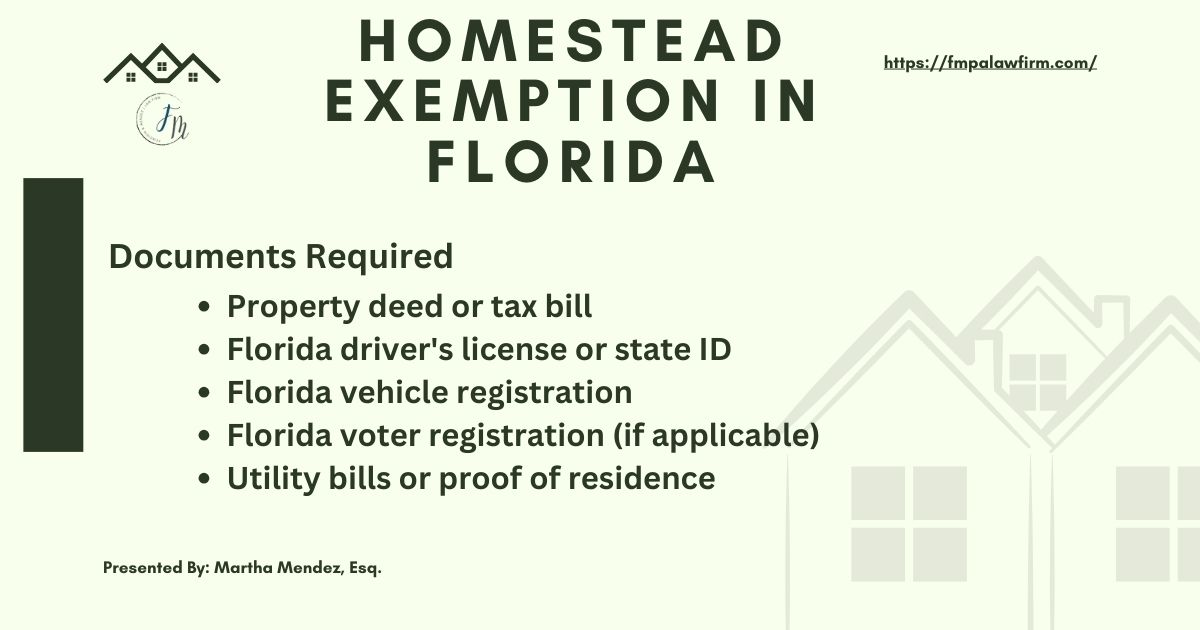
Before you begin the application, ensure you have all the required documents readily available. This will streamline the process and prevent delays.
- Proof of Ownership: A copy of your deed or other documentation proving you own the property.
- Social Security Numbers: The Social Security numbers of all owners listed on the deed.
- Proof of Residency: Documents that establish your permanent residency in Florida. This can include:
- Florida Driver’s License or Florida Identification Card (with the property address).
- Florida Voter Registration Card (with the property address).
- Vehicle Registration (showing the property address).
- Mail addressed to you at the property (e.g., utility bills, bank statements).
- Proof of Previous Homestead Exemption (if applicable): If you are moving from another county or state and previously claimed homestead exemption, you may need to provide documentation from that jurisdiction indicating you are no longer claiming it there.
- Vehicle Titles: Titles to all vehicles owned by the applicant, showing the Florida address.
- Proof of Age (if applying for senior exemptions): Birth certificate or other valid identification.
- Disability Documentation (if applying for disabled veteran or disabled person exemptions): Official documentation from the Department of Veterans Affairs or a physician.
Locating Your Property Appraiser’s Office
The application for homestead exemption is handled at the county level. You will need to contact the Property Appraiser’s office in the county where your primary residence is located.
- Online Resources: Most county Property Appraiser websites provide downloadable application forms, instructions, and contact information. A quick online search for “[County Name] Florida Property Appraiser” will direct you to the correct office.
- In-Person Assistance: If you prefer, you can visit your local Property Appraiser’s office in person to pick up forms and receive assistance.
Completing the Application Form
The homestead exemption application form typically requests information about the property, its owners, and their residency.
- Personal Information: Fill in the names of all owners, their Social Security numbers, and contact details.
- Property Details: Provide the property address, legal description, and parcel identification number (PIN) or Property Appraiser’s Parcel (PAP) number, which can usually be found on your tax bill or the Property Appraiser’s website.
- Residency Affirmation: You will be required to affirm that the property is your primary residence and that you intend to reside there permanently.
- Declaration of Non-Residency Elsewhere: You may need to sign a declaration stating that you do not claim homestead exemption or any other residency-based tax exemption on property in another state or jurisdiction.
- Additional Exemptions: If you are applying for any additional exemptions (e.g., for veterans, seniors, or disabled persons), ensure you fill out the relevant sections of the application and attach the required supporting documentation.
Submitting Your Application
The deadline for submitting your homestead exemption application is crucial for receiving the benefit for the upcoming tax year.
- Deadline: Applications must be filed with the Property Appraiser’s office on or before March 1st of the tax year for which you are claiming the exemption. For example, to receive the homestead exemption for the 2024 tax year, your application must be filed by March 1, 2024.
- Early Filing: You can file your application anytime after purchasing and occupying the home, but no later than the March 1st deadline.
- Renewal: In most Florida counties, once you receive the homestead exemption, it automatically renews each year. However, you are required to notify the Property Appraiser’s office if your circumstances change (e.g., you move, rent out the property, or sell it). Some counties may require a renewal application every few years, especially if there are changes in ownership or residency status. Always check with your local Property Appraiser to confirm their renewal policy.
- Method of Submission: Applications can typically be submitted online through the Property Appraiser’s website, mailed, or hand-delivered to the office.
Maintaining Your Homestead Exemption
Receiving the homestead exemption is a privilege, and it’s essential to maintain your eligibility to continue benefiting from it. Failure to do so can result in penalties, including back taxes with interest.
Annual Requirements and Changes
While homestead exemptions generally renew automatically, homeowners have a responsibility to inform the Property Appraiser of any changes that might affect their eligibility.
- Change of Residency: If you move out of your homesteaded property and establish residency elsewhere, you must notify the Property Appraiser’s office. This includes moving to a new primary residence within Florida or moving out of state.
- Renting the Property: If you begin renting out your homesteaded property, even for a portion of the year, it may jeopardize your exemption. You should consult your Property Appraiser’s guidelines regarding renting.
- Property Transfer or Sale: If you sell your homesteaded property, the exemption ceases to apply to that property. If you purchase a new primary residence, you will need to reapply for homestead exemption by the March 1st deadline for that new property.
- Changes in Ownership: If ownership of the property changes (e.g., divorce, adding or removing a name from the deed), you may need to reapply or update your existing application.
- Changes in Disability or Veteran Status: If you claimed an additional exemption based on disability or veteran status and your status changes, you must inform the Property Appraiser’s office.
What Happens If You No Longer Qualify?
If you no longer meet the requirements for the homestead exemption, it is your responsibility to report this to the Property Appraiser.
- Voluntary Reporting: Proactively notifying the Property Appraiser of a change in eligibility is the best course of action. This allows for a smooth transition and avoids potential penalties.
- Property Appraiser’s Review: The Property Appraiser’s office conducts reviews to ensure that exemptions are being properly claimed. They may request updated documentation or conduct property visits.
- Penalties for Non-Compliance: If the Property Appraiser discovers that you have improperly claimed a homestead exemption, you may be required to repay the taxes that would have been due without the exemption, plus interest. In some cases, penalties may also apply. This underscores the importance of understanding and adhering to the eligibility rules.
Maximizing Your Savings and Understanding Nuances
Beyond the basic application, there are other aspects of the homestead exemption and property taxes in Florida that homeowners should be aware of to truly maximize their financial benefit.
Understanding Portability
Florida allows for the portability of homestead tax savings. This means that if you sell your homesteaded property and purchase a new one within the state, you can “port” or transfer a portion of your accumulated homestead tax savings to your new home, up to a certain limit. This can be a significant advantage for long-term Florida residents looking to downsize or relocate within the state.
- Portability Limit: The amount of savings that can be ported is limited. The difference between the assessed value of your old homestead and its just value (market value) at the time of sale can be added to the assessed value of your new homestead, up to a maximum of $500,000.
- Application: You must apply for portability on your new homestead exemption application by the March 1st deadline. You will need information from the sale of your previous home, including its assessed value and just value.
Special Considerations for Multiple Properties
For individuals who own multiple properties, such as a vacation home or rental property, it is critical to understand the implications for homestead exemption.
- Primary Residence is Key: You can only claim homestead exemption on your single primary residence. Attempting to claim it on multiple properties is illegal and can lead to severe penalties.
- Moving Between Properties: If you have a vacation home and decide to make it your primary residence, you must officially move your domicile there and apply for homestead exemption by the March 1st deadline for that property, while relinquishing any claim on your previous primary residence.
Working with Your Local Property Appraiser
The Property Appraiser’s office is your primary resource for all matters related to property taxes and exemptions in Florida.
- Contact Information: Ensure you have the correct contact information for your local Property Appraiser. They are equipped to answer specific questions about eligibility, documentation, deadlines, and local ordinances.
- Website Resources: The websites of Florida Property Appraisers are invaluable. They typically offer online application portals, FAQs, tax calculators, and information on additional exemptions. For example, the Miami-Dade County Property Appraiser and the Orange County Property Appraiser are excellent examples of comprehensive online resources.
- Staying Informed: Property tax laws and exemption rules can change. Regularly checking the Florida Department of Revenue website and your local Property Appraiser’s website will help you stay informed about any updates that may affect your property taxes.
By understanding the intricacies of the homestead exemption, diligently completing the application process, and staying informed about your responsibilities, you can ensure that you are taking full advantage of this essential homeowner’s benefit in the Sunshine State.
LifeOutOfTheBox is a participant in the Amazon Services LLC Associates Program, an affiliate advertising program designed to provide a means for sites to earn advertising fees by advertising and linking to Amazon.com. Amazon, the Amazon logo, AmazonSupply, and the AmazonSupply logo are trademarks of Amazon.com, Inc. or its affiliates. As an Amazon Associate we earn affiliate commissions from qualifying purchases.