
Navigating the application process for essential support programs can sometimes feel like a labyrinth, especially when resources are vital for families. The Special Supplemental Nutrition Program for Women, Infants, and Children (WIC) is a cornerstone of nutritional support in Texas, designed to safeguard the health of low-income pregnant, breastfeeding, and non-breastfeeding postpartum individuals, and to infants and children up to age five who are found to be at nutritional risk. Understanding how to apply for WIC in Texas is the first step towards accessing these crucial benefits. This guide aims to demystify the process, providing clear, actionable steps and insights into what you can expect.
Understanding WIC Eligibility in Texas
Before embarking on the application journey, it is paramount to understand the eligibility criteria for the Texas WIC program. While the program’s mission is broad, specific requirements ensure that resources are directed to those who need them most. Eligibility is primarily based on income, residency, and specific health and nutritional risk factors.
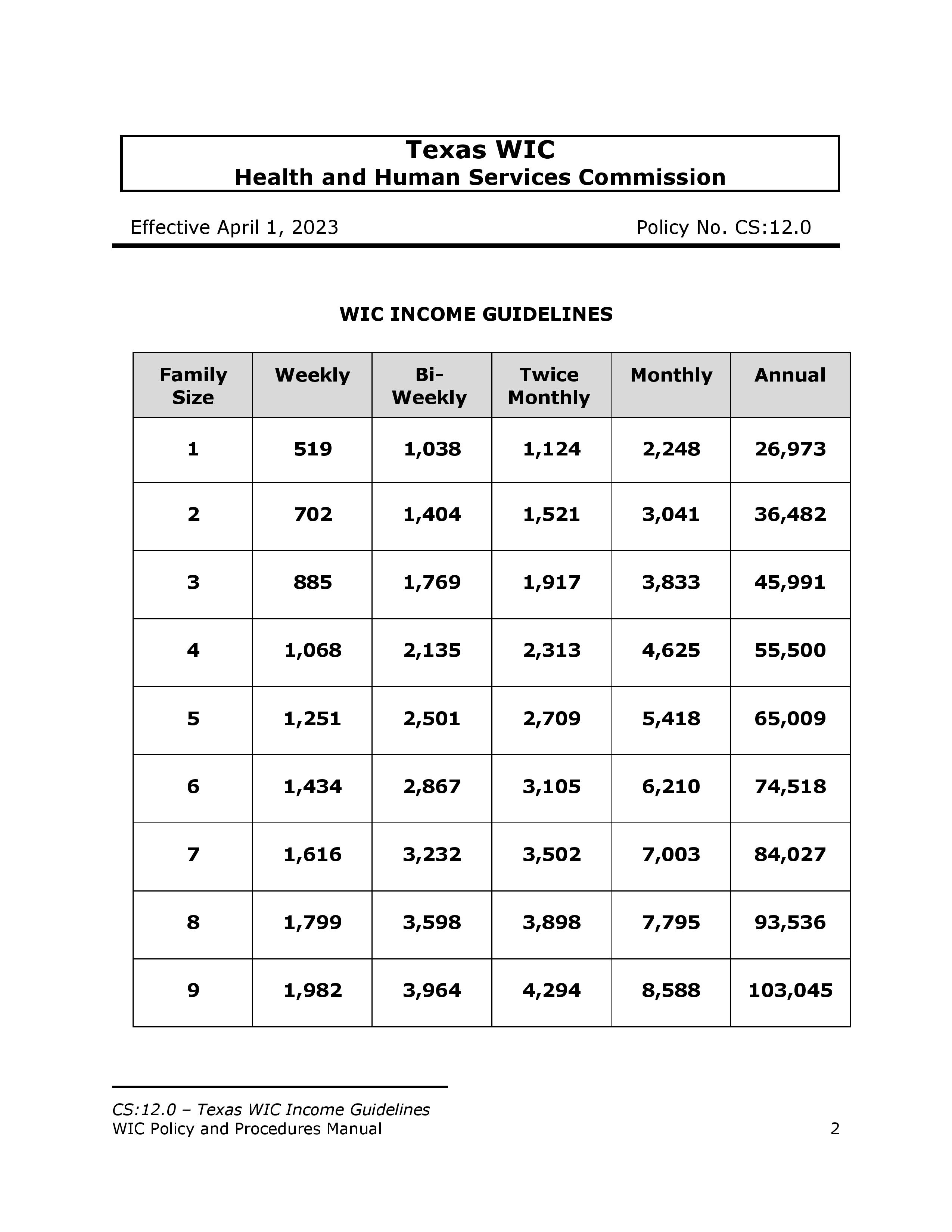
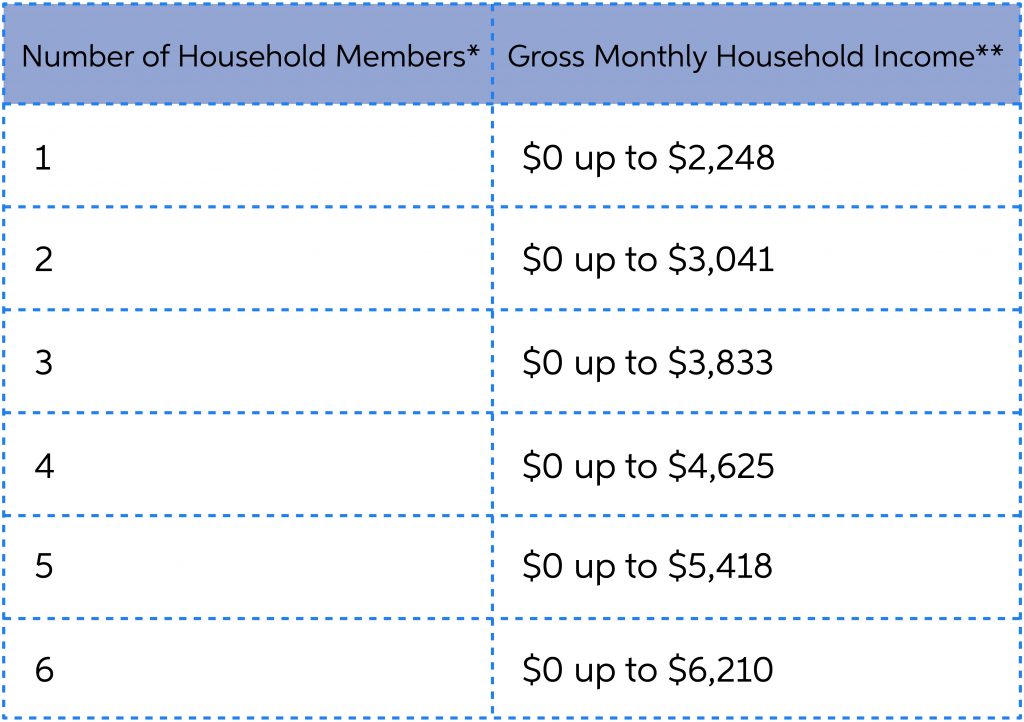
Income Guidelines
The Texas WIC program adheres to federal poverty income guidelines. To qualify based on income, a household’s gross income must not exceed 185% of the federal poverty level. These guidelines are updated annually, so it is important to consult the most current figures provided by the Texas WIC program. Households participating in other means-tested programs like SNAP (Supplemental Nutrition Assistance Program) or Medicaid are automatically considered income-eligible, simplifying the process for these families.
Residency Requirements
Applicants must be residents of Texas. This means demonstrating a domicile within the state. This can typically be proven through utility bills, rental agreements, or official correspondence addressed to your Texas residence. Temporary visitors or individuals residing in Texas only for short durations may not meet this criterion.
Nutritional Risk Factors
Beyond income and residency, WIC applicants must be certified as being at “nutritional risk.” This is determined by a health professional (such as a WIC nurse or dietitian) during an appointment. Nutritional risk can stem from a variety of factors, including:
- Medical-based risk: Documented conditions such as anemia, underweight, obesity, history of poor pregnancy outcomes, or inadequate diet.
- Dietary-based risk: Inadequate intake of specific nutrients, consumption of less than certain amounts of fruits and vegetables, or very low consumption of dairy products.
- Medically-prescribed formula: For infants who require specialized formulas due to medical conditions.
- Pregnancy and breastfeeding status: Pregnant, breastfeeding, and postpartum individuals are automatically considered at nutritional risk due to the increased nutritional demands of these life stages.
- Infant and child growth and development: Infants and children under five who are not growing adequately or have poor dietary habits are also considered at nutritional risk.
This assessment ensures that the program effectively targets individuals and children whose health could be significantly improved through nutritional support.
The Application Process: Step-by-Step
The application process for WIC in Texas involves several distinct stages. While some elements can be initiated online, a crucial in-person component is typically required for final certification and to ensure all necessary documentation is reviewed.
Step 1: Gather Necessary Documentation
The cornerstone of any successful application is comprehensive documentation. Before you begin, ensure you have the following readily available:
- Proof of Identity: A valid photo ID for the applicant (e.g., driver’s license, state ID, passport). For infants and children, a birth certificate or hospital record is acceptable.
- Proof of Residency: Documents showing your Texas address, such as utility bills, lease agreements, or mortgage statements.
- Proof of Income: Documents verifying your household income. This can include recent pay stubs (typically for the last 30 days), a recent tax return, a letter from an employer stating wages, or proof of participation in other assistance programs like SNAP or TANF.
- Proof of Pregnancy (if applicable): A letter from your doctor or clinic verifying your pregnancy and estimated due date.
- Proof of Infant/Child Status: Birth certificates or hospital birth records for infants and children applying.
Having these documents organized beforehand will significantly expedite the application process and reduce the likelihood of delays.
Step 2: Initiate Your Application
Texas WIC offers a streamlined approach to initiating the application. Many participants can begin by completing an online pre-application or by contacting their local WIC clinic directly.
- Online Pre-Application: The Texas Department of State Health Services (DSHS) provides an online portal where you can submit initial information about your household. This pre-application helps gather basic demographic and income details. It’s important to note that completing the online form is usually just the first step and does not constitute a full application.
- Contacting Your Local WIC Clinic: Alternatively, you can directly contact your nearest WIC clinic. You can find a list of clinics and their contact information on the Texas WIC website. Calling the clinic is an excellent way to ask specific questions about the process and to schedule your in-person appointment.
Step 3: Attend Your Certification Appointment
This is a critical phase where you will meet with a WIC representative and a health professional. The appointment serves to verify the information provided in your pre-application, complete the nutritional risk assessment, and review all required documentation.
During this appointment, a WIC nurse or other qualified health professional will conduct a health screening. This typically involves:
- Height and weight measurements: To assess growth patterns for children and overall health status.
- Blood tests: For hemoglobin levels to check for anemia, which is a common nutritional risk factor.
- Dietary assessment: The health professional will discuss your typical food intake and that of your children to identify any nutritional deficiencies or unhealthy eating patterns.
- Breastfeeding assessment (if applicable): For breastfeeding mothers, an assessment of breastfeeding practices and infant feeding may be conducted.
Following the health screening, a WIC staff member will review your submitted documents to confirm eligibility. You will be asked to sign official forms confirming the accuracy of the information provided. If all criteria are met, you will be certified for WIC benefits.
Step 4: Receiving Your WIC Benefits
Once certified, you will receive your WIC benefits, which are provided through an electronic benefits transfer (EBT) card, commonly known as the Texas WIC card. This card functions similarly to a debit card and can be used at authorized grocery stores.
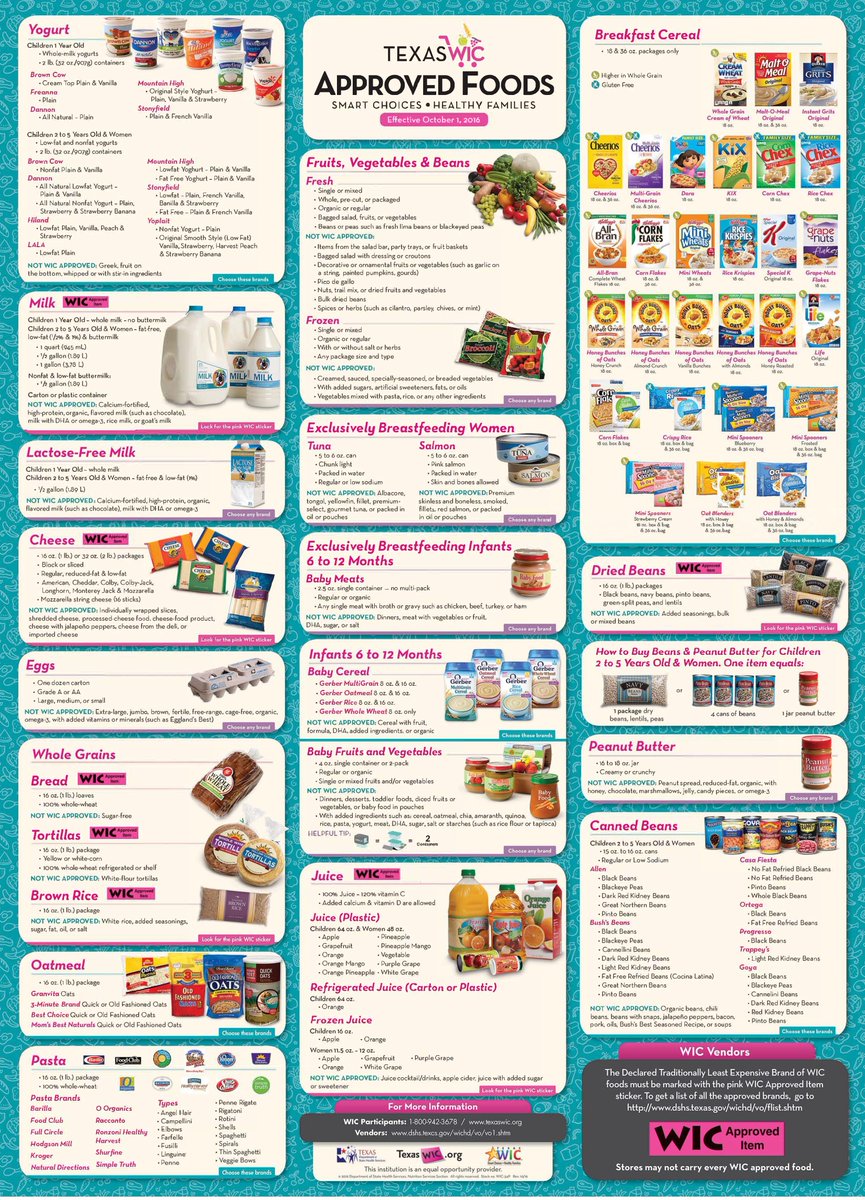
- WIC Food List: The WIC program provides a specific list of approved food items that you can purchase. These foods are selected to provide essential nutrients crucial for maternal and child health, such as fruits, vegetables, whole grains, lean proteins, and milk. The list is carefully curated to ensure a balanced nutritional intake.
- Shopping Guidance: Your local WIC clinic will provide detailed information on how to use your WIC card and what foods are included on your benefit package. It’s essential to familiarize yourself with the approved items to ensure a smooth shopping experience. Most authorized retailers have scanners that can identify WIC-eligible items at checkout.
Maximizing Your WIC Benefits
Receiving WIC benefits is a significant advantage for eligible families. To make the most of this program, consider the following strategies:
Understanding Your Food Package
Each WIC participant receives a tailored food package based on their age, life stage (pregnant, breastfeeding, postpartum), and specific nutritional needs. It is crucial to understand what is included in your package. This typically covers:
- Fruits and Vegetables: Fresh, frozen, or canned options are usually available.
- Milk, Cheese, and Yogurt: Dairy products providing calcium and vitamin D.
- Eggs: A good source of protein.
- Whole Grain Products: Such as whole wheat bread, tortillas, and breakfast cereals.
- Cereals: Fortified with iron and other essential vitamins.
- Legumes: Beans, lentils, and peanut butter, offering protein and fiber.
- Infant Formula: For infants who are not fully breastfed.
- Canned Fish: For breastfeeding mothers.
Familiarize yourself with the quantities and types of foods allowed to ensure you are maximizing your nutritional intake and avoiding any purchasing errors.
Utilizing WIC-Friendly Resources and Education
The WIC program often offers more than just food benefits. Many clinics provide valuable nutrition education classes and breastfeeding support services.
- Nutrition Education: These classes can offer practical tips on healthy eating for the whole family, meal planning, managing picky eaters, and understanding the nutritional needs during pregnancy and early childhood.
- Breastfeeding Support: For breastfeeding mothers, WIC provides access to certified lactation consultants and peer counselors who can offer guidance on latching, milk supply, pumping, and addressing common breastfeeding challenges. This support is invaluable for establishing and maintaining successful breastfeeding journeys.
Engaging with these resources can empower you with knowledge and skills to promote long-term health and well-being for your family.
Staying Informed and Connected
The WIC program is dynamic, with policies and benefit structures sometimes subject to change. Staying informed is key to continuous support.
- Regular Clinic Visits: Attend all scheduled WIC appointments. These are opportunities to recertify your benefits, receive updated information, and get any questions answered by WIC staff.
- Follow Official Communications: Pay attention to any mailings or notifications from the Texas WIC program or your local clinic. These communications often contain important updates regarding program rules, benefit changes, or required actions.
- Engage with the WIC Community: Connecting with other WIC participants, perhaps through local support groups or online forums, can provide a sense of community and shared experience, offering practical advice and encouragement.
By diligently following the application process and actively engaging with the resources WIC provides, families in Texas can effectively secure and utilize these essential nutritional benefits, contributing to healthier lives for mothers, infants, and young children.
LifeOutOfTheBox is a participant in the Amazon Services LLC Associates Program, an affiliate advertising program designed to provide a means for sites to earn advertising fees by advertising and linking to Amazon.com. Amazon, the Amazon logo, AmazonSupply, and the AmazonSupply logo are trademarks of Amazon.com, Inc. or its affiliates. As an Amazon Associate we earn affiliate commissions from qualifying purchases.