
Driving from the northern reaches of the United States down to the sun-drenched beaches of Florida is a classic American road trip. For many, this journey inevitably brings them through the bustling metropolis of Atlanta, Georgia. While Atlanta offers a vibrant array of attractions and a rich history, its notorious traffic congestion can transform a smooth drive into a frustrating crawl, adding hours to an already lengthy journey. Savvy travelers often seek strategies to circumvent this urban bottleneck, prioritizing a more relaxed and efficient passage to their Florida destination. Avoiding Atlanta isn’t just about saving time; it’s about enhancing the overall travel experience, trading stress for scenic routes and unexpected discoveries.
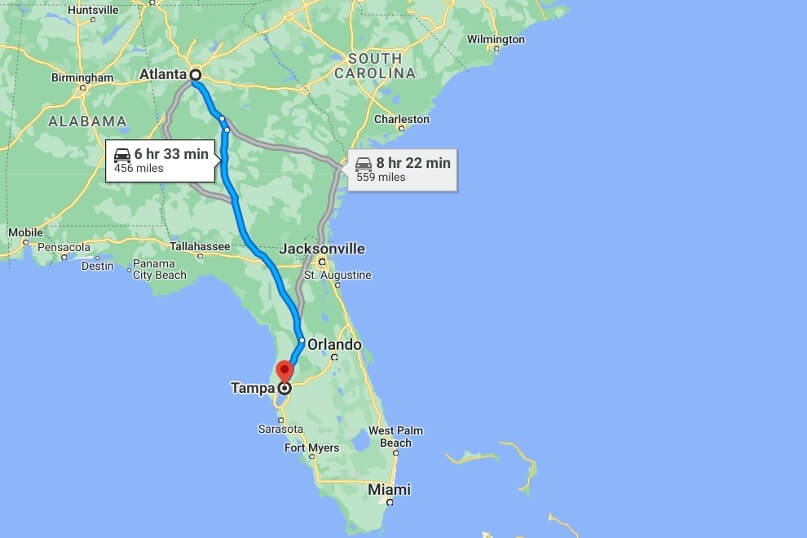
The Rationale Behind Bypassing Atlanta
The decision to actively avoid Atlanta for a Florida-bound road trip is rooted in several practical considerations. Foremost among them is the sheer volume of traffic that flows through the city daily. Atlanta’s position as a major transportation hub in the Southeast means its interstates—particularly I-75, I-85, and I-20—are frequently gridlocked, especially during peak commuter hours. Even outside of rush hour, construction zones, accidents, and the constant flow of local and through traffic can create unpredictable delays.
These delays translate directly into lost travel time, increased fuel consumption from stop-and-go driving, and significant driver fatigue. For families with children or individuals on a tight schedule, the frustration of being stuck in traffic can quickly overshadow the excitement of the impending vacation. By opting for alternative routes, travelers can maintain a more consistent speed, reduce driving stress, and even uncover charming towns and picturesque landscapes that offer a different, often more authentic, glimpse into the heart of the South. The goal is to transform the transit portion of the trip from a necessary evil into an enjoyable segment of the adventure itself.
Primary Alternative Routes from the North/Midwest
For travelers originating from states north and west of Georgia, several well-established routes provide effective bypasses around Atlanta’s core, offering distinct advantages depending on your starting point and desired final destination in Florida.
The Western Detour: I-59 South to I-20 East / I-85 South
This route is particularly appealing for those driving from the Midwest, especially from cities like Chicago, St. Louis, or Nashville. Instead of heading directly towards Atlanta on I-75 South, the strategy involves swinging west through Alabama.
Travelers would typically take I-59 South from areas like Chattanooga or Nashville down to Birmingham, Alabama. From Birmingham, you have a couple of options:
- Connect to I-85 South: Follow I-20 East briefly and then transition onto I-85 South. This route will take you through western Georgia, passing cities like Montgomery, Alabama before merging with I-185 South near LaGrange, which then connects to I-75 South well south of Atlanta, typically around Macon. This path entirely bypasses the Atlanta metropolitan area, leading directly to the primary Florida interstate.
- Connect to US-27 South: Alternatively, from Birmingham, you can take US-280 East or similar routes to connect with US-27 South near Columbus, Georgia, if your Florida destination is in the Panhandle or western part of the state.
The advantage of the western detour is a significantly reduced risk of major traffic jams, as it steers clear of the Atlanta metro area entirely. While it might add a few miles to the overall journey depending on your exact origin, the time saved by avoiding congestion often makes it the faster and less stressful option.
The Eastern Bypass: I-26 South to I-95 South
For those traveling from the Northeast, or from states along the Atlantic Seaboard such as Virginia or the Carolinas, a more eastward route provides a convenient bypass. Instead of heading inland towards Atlanta, this strategy keeps you closer to the coast.
The primary interstate for this approach is I-95 South. If you are coming from western North Carolina or Tennessee, you would typically take I-26 South through South Carolina. I-26 South directly intersects with I-95 South near Orangeburg, South Carolina. Once on I-95 South, you have a straightforward drive down the coast of Georgia and into Florida.
This route is ideal for reaching destinations on Florida’s east coast, such as Jacksonville, Daytona Beach, Orlando, or Miami. It completely bypasses Atlanta and often offers a less congested driving experience compared to the central Georgia interstates, though I-95 itself can experience heavy traffic in certain stretches, particularly around metropolitan areas like Jacksonville. The trade-off is often an increased mileage for those coming from the extreme west of the Appalachian Mountains, but the consistent speed and stress reduction can be well worth it.
Strategic Mid-Georgia Alternatives
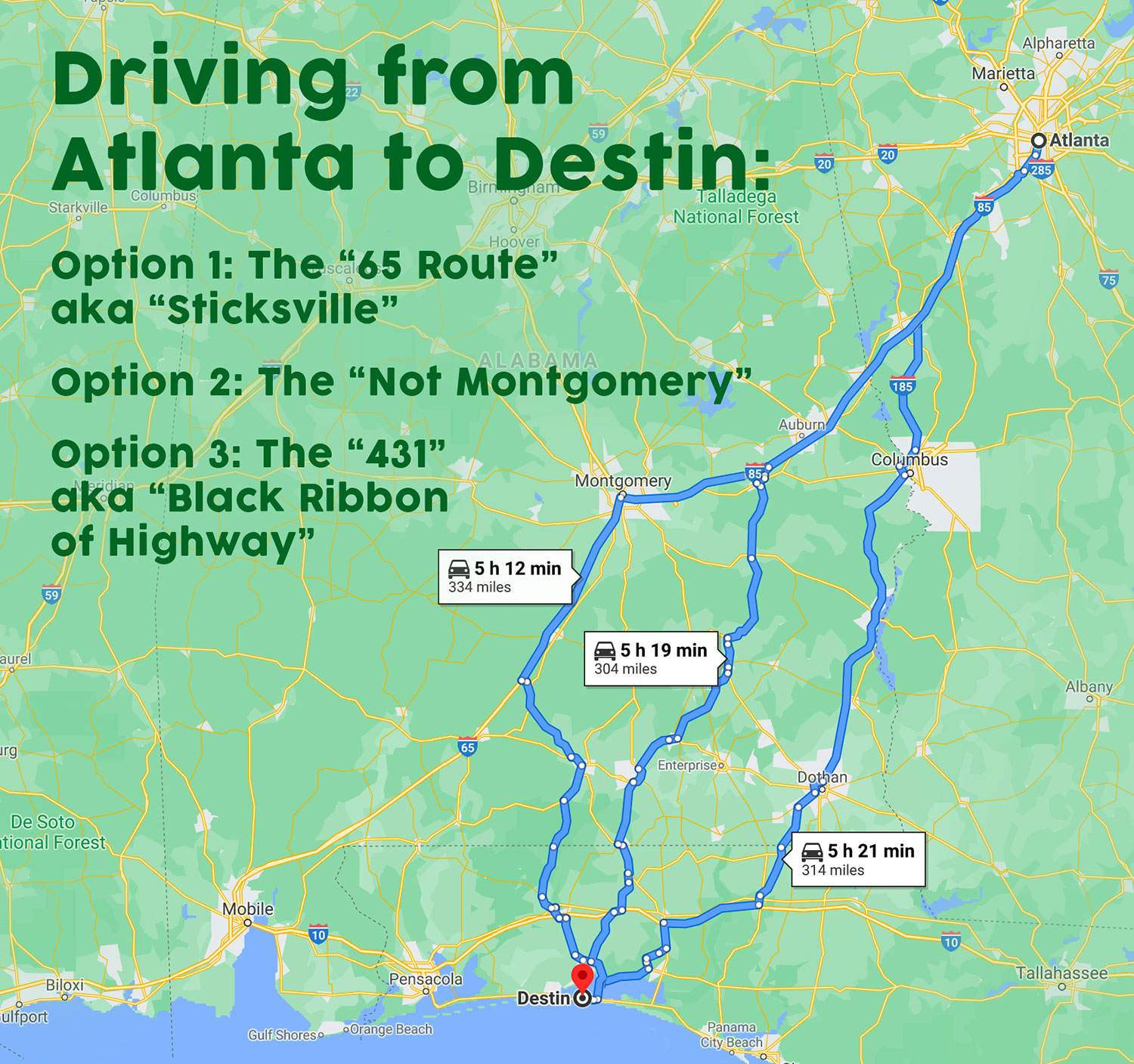
Beyond the major interstate detours, there are also options that involve using U.S. highways that traverse Georgia away from the immediate Atlanta sphere. These routes often involve slower speeds but offer a more scenic journey through smaller towns and rural landscapes.
US-27 South through West Georgia
For those who find themselves approaching Atlanta from the northwest or west but wish to make an early cut south, US-27 South presents an excellent alternative. Instead of continuing towards the city center on I-75, you can divert onto secondary roads and connect with US-27 South.
This route will take you through charming smaller cities like LaGrange and Columbus, Georgia, before continuing south towards the Florida Panhandle or connecting with other routes to access central Florida. US-27 South is generally a four-lane divided highway for much of its length, offering a relatively smooth drive without the intense congestion of the interstates. It is a fantastic option if your final destination is in the Tallahassee area, Panama City, or other parts of Northwest Florida. The advantages include a more relaxed pace and an opportunity to experience authentic Southern towns, free from the hurried atmosphere of urban interstates.
US-129 / US-441 South via Athens
If you are approaching from the Northeast (e.g., from areas like Greenville or Asheville) and prefer to bypass Atlanta to the east, the combination of US-129 South and US-441 South offers a viable, albeit slower, alternative. This route typically involves heading southeast from your origin, passing through Athens, Georgia, home to the University of Georgia.
From Athens, you would continue south on US-129 or US-441 (they often run concurrently or parallel) through central Georgia, eventually connecting with I-16 East near Macon or continuing further south to meet I-75 South well below the Atlanta sprawl. This route is considerably more rural and passes through a series of smaller towns, requiring attention to speed limits and local traffic. It’s a journey for those who value the scenic aspect of travel and are not in a rush, offering glimpses into Georgia’s heartland that major interstates simply cannot provide.
Travel Considerations and Tips for a Smooth Journey
Successfully navigating around Atlanta requires more than just knowing alternative routes; it demands strategic planning and an adaptable mindset to fully enjoy the travel experience.
Timing Your Drive
Even when avoiding Atlanta, it’s crucial to be mindful of timing, especially when passing through smaller cities or connecting to other interstates. Rural routes, while less congested, can still have their own versions of rush hour around towns or during local school dismissal times. For instance, passing through Birmingham or Columbus during their peak commuter periods could still introduce minor delays. Aim to traverse any significant town or city during off-peak hours (mid-morning or early afternoon) to maintain momentum. Weekday travel can sometimes be less crowded than weekend travel on certain routes, depending on regional recreational traffic patterns.
Navigation Technology
Modern navigation apps are indispensable tools for planning and executing an Atlanta-avoiding road trip. Applications like Google Maps, Waze, or Apple Maps offer real-time traffic updates, accident alerts, and the ability to customize your route. Before setting out, ensure your navigation system is updated and consider adding “avoid highways” or “avoid tolls” settings if those are part of your strategy. Crucially, explicitly input waypoints that guide your route around Atlanta, rather than letting the system default to the fastest, most direct (and often most congested) path. For example, if taking the western detour, setting Birmingham as a waypoint, then a city further south like Montgomery or Macon, will force the desired bypass.
Fueling and Rest Stops
Alternative routes, particularly those using U.S. highways, may have fewer services available than major interstates. Plan your fuel stops strategically, especially if driving through more rural stretches of Georgia or Alabama. Keep an eye on your fuel gauge and don’t let it get too low before seeking a gas station. Similarly, rest stops and dining options might be more spread out. Embrace these stops as opportunities to discover local eateries and unique roadside attractions, rather than rushing through familiar chain restaurants. Many small towns along these routes offer charming diners and cafes that provide a taste of local culture and hospitality.
Embrace the Journey
The decision to avoid Atlanta’s congestion opens up a world of alternative travel experiences. Instead of focusing solely on the destination, view the detour as an integral part of your adventure. The scenic beauty of western Georgia, the quiet charm of Alabama’s countryside, or the coastal breezes of South Carolina and eastern Georgia offer a refreshing change of pace. Consider breaking up the drive with an overnight stay in a quaint town you might otherwise never visit. These unexpected stops can lead to memorable moments, whether it’s exploring a historic downtown, visiting a local museum, or simply enjoying a peaceful evening away from the highway hustle. By embracing these detours, your drive to Florida transforms from a logistical challenge into a richer, more enjoyable travel experience.
LifeOutOfTheBox is a participant in the Amazon Services LLC Associates Program, an affiliate advertising program designed to provide a means for sites to earn advertising fees by advertising and linking to Amazon.com. Amazon, the Amazon logo, AmazonSupply, and the AmazonSupply logo are trademarks of Amazon.com, Inc. or its affiliates. As an Amazon Associate we earn affiliate commissions from qualifying purchases.