
Understanding the process of bailing someone out of jail in Texas can be a stressful experience, especially for those unfamiliar with the legal system. This guide aims to demystify the procedures, explore the various types of bail, and outline the steps involved in securing a release, focusing on the practicalities and considerations for individuals navigating this situation.
Understanding Bail in Texas
Bail is a mechanism designed to ensure that a defendant appears in court for their scheduled proceedings. In essence, it’s a financial or property guarantee provided to the court. If the defendant attends all required court dates, the bail amount is typically returned. However, if they fail to appear, the bail is forfeited, and a warrant for their arrest may be issued.

Types of Bail
In Texas, several types of bail can be utilized to secure a release from jail:
- Cash Bond: This is the most straightforward type of bail. The full bail amount is paid directly to the court in cash. Once the case is resolved, and all court appearances have been made, the cash is returned to the person who posted it, minus any court fees or fines.
- Surety Bond: This is the most common type of bail. A bail bond company, often referred to as a bail bondsman or bail agent, posts the bond on behalf of the defendant. The family or friends of the defendant typically pay a non-refundable fee (usually 10-15% of the total bail amount) to the bail bond company. The company then guarantees the full bail amount to the court. If the defendant fails to appear, the bail bond company is responsible for paying the full amount to the court and may use various methods to recover their losses, including collateral.
- Personal Recognizance (PR) Bond: In some cases, a judge may release a defendant on their own recognizance, meaning no financial bond is required. This is usually granted to individuals with strong ties to the community, no prior criminal record, and who are not considered a flight risk. The defendant simply promises to appear in court.
- Property Bond: This type of bond involves using real estate as collateral to secure the defendant’s release. The value of the property must be at least double the bail amount. The process can be complex and often requires a lengthy court review to ensure the property is unencumbered and meets the court’s requirements. This is less common for immediate releases due to the time involved.
The Role of Bail Bondsmen
Bail bondsmen act as intermediaries between the defendant’s family and the court. They are licensed professionals who understand the bail process and can facilitate a quick release. When you hire a bail bondsman, you are essentially paying for their service and their guarantee to the court. It’s crucial to choose a reputable and licensed bondsman. They typically operate 24/7 and can be found in most counties across Texas.
The Bail Process in Texas: A Step-by-Step Guide
When someone is arrested in Texas, they are taken to a local jail for booking. This process includes fingerprinting, taking a mugshot, and entering their information into the system. After booking, the individual will have their initial appearance before a judge, often within 24-48 hours, where the bail amount will be set.
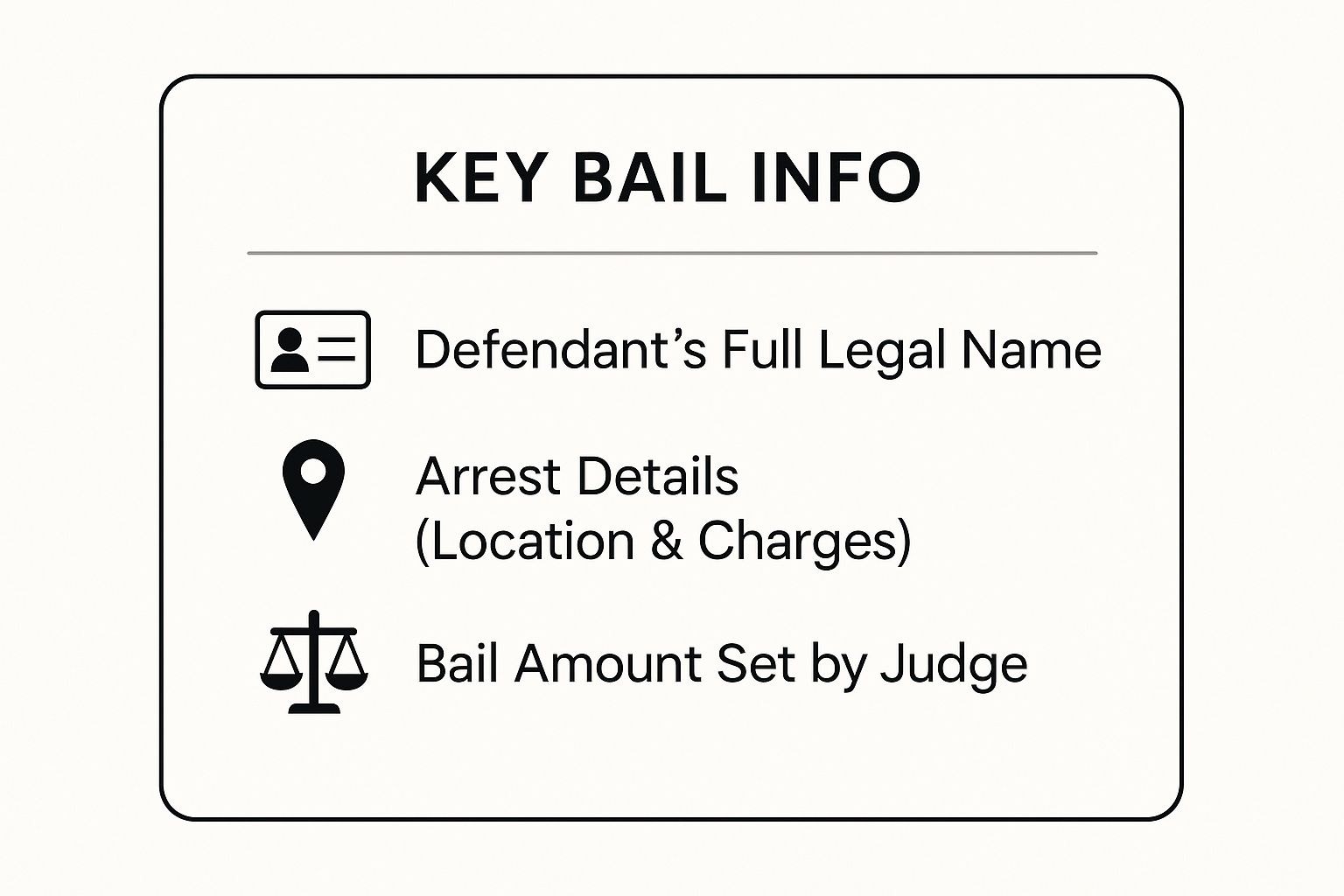
Step 1: Gathering Information
Before contacting a bail bondsman or preparing to post a bond yourself, you’ll need to gather essential information about the arrested individual:
- Full Name: The correct legal name of the arrested person.
- Date of Birth: This helps in accurately locating them in the jail system.
- Jail Location: Knowing which specific jail they are being held in (e.g., Harris County Jail, Dallas County Jail).
- Booking Number (if available): This is a unique identifier assigned to the inmate.
- Charges: Understanding the specific offenses they are accused of.
This information can usually be obtained by calling the jail directly. Many jails also have online inmate lookup tools.
Step 2: Determining the Bail Amount
The bail amount is set by a judge based on factors such as the severity of the alleged crime, the defendant’s criminal history, and their ties to the community. Bail schedules are often used for minor offenses, but for more serious charges, a judge will make an individual determination.
- Bail Schedule: For many misdemeanor offenses, a predetermined bail schedule exists. This allows for a faster process as the bail amount is already established.
- Judge’s Discretion: For felony charges or more complex cases, a judge will set the bail amount after reviewing the details of the case and the defendant’s background.
Step 3: Arranging for the Bond

Once the bail amount is known, you have a few options for posting the bond:
- Posting a Cash Bond: If you have the full amount, you can take it to the courthouse or jail as instructed by the court clerk. Be prepared for potential waiting times.
- Contacting a Bail Bondsman: This is often the quickest and most common method.
- Find a Licensed Bondsman: Search for reputable bail bond companies operating in the relevant county. Online directories and referrals can be helpful.
- Discuss Fees and Requirements: The bondsman will explain their fee (the non-refundable premium) and any collateral they might require. Common forms of collateral include property deeds, vehicles, or other valuable assets.
- Complete Paperwork: You will need to fill out an application and sign an agreement with the bail bond company.
- Payment: Pay the bondsman’s fee.
- Release: The bondsman will then post the bond with the court, and the jail will begin the process of releasing the individual.
Step 4: The Release Process
After the bail bond is posted or cash is paid, the jail will process the release. This can take several hours, depending on the jail’s workload and staffing. It’s advisable to confirm the estimated release time with the jail or the bail bondsman.
Step 5: Post-Release Responsibilities
Once the individual is released, it’s crucial they understand their obligations:
- Appear in Court: The defendant must attend all scheduled court dates. Failure to do so will result in forfeiture of the bail and a new arrest warrant.
- Follow Court Orders: This may include staying away from certain individuals, refraining from drug or alcohol use, or attending specific programs.
- Communicate with Bondsman: If a surety bond was used, maintain communication with the bail bondsman. They may have specific requirements or check-ins.
- Understand Collateral: If collateral was used to secure the bond, ensure its protection until the case is fully resolved.
Key Considerations and Tips
Navigating the bail process requires careful attention to detail and a clear understanding of the implications. Here are some key considerations:
Working with Bail Bond Companies
- Licensing: Always ensure the bail bond company and its agents are licensed by the state of Texas. This protects you from fraudulent operations.
- Transparency: Ask for a clear breakdown of all fees and any potential hidden costs. The premium paid to the bondsman is generally non-refundable.
- Collateral: Understand exactly what the bondsman requires as collateral and the terms under which it can be reclaimed.
- Reputation: Research the company’s reputation. Online reviews and testimonials can provide insight into their professionalism and reliability.
Financial Implications
- The Premium: The 10-15% fee paid to a bail bondsman is a service charge and is not refundable. This is a significant cost to consider.
- Collateral: While property may be returned once the case is closed, using it as collateral ties up a valuable asset. Be sure you understand the risks involved.
- Court Fees and Fines: Even if bail is returned, there may be outstanding court fees or fines associated with the case itself.
Legal Rights and Responsibilities
- Right to Bail: In Texas, most defendants have a constitutional right to reasonable bail, except in certain circumstances (e.g., capital offenses where proof is evident or presumption great, or when charged with a felony and having been previously convicted of two felonies).
- Failure to Appear: The consequences of failing to appear in court are severe, including forfeiture of bail, arrest, and potential additional charges.
- Legal Counsel: It is highly recommended that the defendant secures legal representation as soon as possible. An attorney can advise on the bail process, negotiate bail amounts, and represent the defendant in court.
What If You Cannot Afford Bail?
If you or the defendant cannot afford the bail amount, even with a bondsman, options are limited.
- Inmate Legal Aid: Inquire about legal aid services available to inmates.
- Community Resources: Some non-profit organizations may offer assistance or guidance to those facing financial hardship in legal matters.
- Appealing Bail: An attorney can file a motion to reduce or modify the bail amount if it is deemed excessive or unreasonable.
Navigating the bail process in Texas can be complex, but by understanding the types of bonds, the steps involved, and the roles of key players, you can work towards a swift and successful release for your loved one. Remember to always act with integrity, follow legal procedures diligently, and seek professional legal advice when needed.
LifeOutOfTheBox is a participant in the Amazon Services LLC Associates Program, an affiliate advertising program designed to provide a means for sites to earn advertising fees by advertising and linking to Amazon.com. Amazon, the Amazon logo, AmazonSupply, and the AmazonSupply logo are trademarks of Amazon.com, Inc. or its affiliates. As an Amazon Associate we earn affiliate commissions from qualifying purchases.