
In an increasingly mobile world, where flexible work arrangements and the pursuit of a dynamic lifestyle are highly valued, the concept of a “notary public” might seem rooted in tradition. Yet, for those yearning for greater financial independence, the ability to work remotely, or simply a supplementary income to fuel their travel aspirations, becoming a notary in Texas offers a surprisingly modern and advantageous path. Imagine earning extra income that empowers you to explore new destinations, book exquisite accommodations, or simply enjoy the vibrant local culture of various locales, all while providing an essential service.

Texas, a state known for its vast landscapes, diverse cities, and entrepreneurial spirit, provides an excellent backdrop for this endeavor. Whether you dream of a long-term stay in a charming Austin apartment, a luxurious resort experience in Dallas, or simply more budget-friendly trips to explore the natural beauty of Big Bend National Park, becoming a notary can be a stepping stone towards achieving those lifestyle goals. This guide will walk you through the process of becoming a commissioned notary public in the Lone Star State, intertwining practical steps with the exciting possibilities it unlocks for your travel-infused lifestyle.
The Allure of Notary Work for the Modern Traveler
For those passionate about travel and a flexible lifestyle, the idea of traditional employment can often feel restrictive. The beauty of notary work lies in its adaptability, making it an ideal complement to a life on the move, whether you’re a seasoned digital nomad, a frequent business traveler, or simply someone saving up for their next grand adventure.
A Flexible Side Hustle for Funding Your Adventures
One of the most compelling reasons to become a notary is the potential for supplemental income. As a notary, you can set your own hours, take on as many or as few clients as your schedule permits, and essentially control your earning potential. This flexibility is gold for travelers. That extra income can be the difference between a standard hotel room and a suite with a view, or between a quick weekend getaway and an extended trip exploring a new country.
Think about it: notarizing a few documents each week could easily cover the cost of a plane ticket, a night in a boutique hotel, or a memorable culinary experience in a new city. It’s a tangible way to fund your travel dreams without being tied to a rigid 9-to-5 schedule. This means more freedom to explore destinations, immerse yourself in local culture, and truly live out the travel experiences you crave, without compromising your financial stability. Whether you’re saving for a luxury cruise, an eco-lodge adventure, or simply to extend your stay in an exciting location, notary work provides a practical avenue.
Essential for Digital Nomads and Remote Professionals
For the growing community of digital nomads and remote professionals, the ability to perform notarial acts is an invaluable skill. Imagine being abroad, needing to notarize a power of attorney, a business contract, or a crucial legal document, and having to hunt for a notary in an unfamiliar place. As a commissioned notary, you could potentially handle certain documents for yourself or for fellow expatriates and travelers, provided you adhere strictly to Texas law and any international legal implications.
Moreover, if your remote work involves handling sensitive documents, having notary capabilities adds a layer of professionalism and convenience. It can make you a more attractive candidate for remote roles that require occasional notarization, or enable you to offer enhanced services to your clients. This capability seamlessly integrates into a lifestyle that prioritizes working from anywhere, whether it’s a co-working space in Houston, an apartment in San Antonio, or a peaceful villa overlooking the Texas Hill Country. The portability of your skills makes you an asset, both personally and professionally, in the evolving landscape of global remote work and business stays.
Beyond the Traditional Office: Serving the Mobile Community
The demand for notarial services extends far beyond traditional office settings. As a mobile notary, you have the opportunity to bring your services directly to clients, which aligns perfectly with a dynamic, travel-oriented lifestyle. This could mean meeting clients at their hotels for urgent document signings, at local coffee shops for convenient appointments, or even at specific landmarks if the situation calls for it (always adhering to professional conduct, of course).
This mobility isn’t just about convenience for the client; it’s about flexibility for you. You can schedule appointments around your travel plans, fitting notarizations into gaps between exploring attractions or enjoying local food. This model is particularly appealing for those who thrive on variety and interaction, allowing you to meet a diverse range of people and potentially even discover new hidden gems within your service area. For a website focused on travel, hotels, and accommodation, the idea of a notary who can travel to clients, perhaps even those staying in various types of accommodation, presents a unique synergy. You become an accessible, essential service for individuals and businesses on the go, making your skills highly valuable in a fast-paced world.
The Pathway to Becoming a Texas Notary Public
Becoming a notary in Texas involves a clear, step-by-step process. While it requires attention to detail, the requirements are straightforward, making it an accessible goal for many individuals looking to enhance their lifestyle and earning potential.
Meeting the Basic Requirements
Before embarking on the application journey, ensure you meet the fundamental qualifications set by the state of Texas:
- Age: You must be at least 18 years of age.
- Residency: You must be a legal resident of Texas. This means you have an established residence within the state, even if you travel frequently.
- Criminal Record: You must not have been convicted of a felony or a crime involving moral turpitude. If you have any criminal convictions, you must have your civil rights restored. Integrity is paramount for a notary public, a role that requires a high degree of trust and responsibility, especially when dealing with important travel documents or business transactions that may impact individuals’ lives or livelihoods.
Meeting these prerequisites is the first critical step toward gaining the trust and authority necessary to serve the public effectively, whether you’re notarizing a property deed or a travel consent form for a minor.
The Application Process: Steps to Certification
Once you meet the basic requirements, the path to becoming a commissioned notary public involves a few key stages:
- Complete the Application Form: You will need to fill out the official application for appointment as a Texas Notary Public. This form can typically be found on the website of the Texas Secretary of State. Ensure all information is accurate and complete, as errors can delay your application.
- Secure a Surety Bond: Texas law requires all notaries public to obtain a $10,000 surety bond. This bond acts as a form of insurance, protecting the public from any financial harm caused by a notary’s misconduct or negligence. You can purchase a surety bond from most insurance agencies or companies that specialize in notary supplies. The bond must be valid for the entire four-year term of your commission. This is a crucial step that underscores the serious responsibility of the notary role.
- Submit Your Application to the Secretary of State: Once your application form is complete and you have secured your surety bond, you will submit both to the Texas Secretary of State, along with the required filing fee. The Secretary of State’s office is the central authority for commissioning notaries in Texas.
- Receive Your Commission Certificate: If your application is approved, the Secretary of State will mail you a commission certificate. This certificate officially confirms your appointment as a Texas Notary Public. Upon receipt, you are officially ready to purchase your notary seal and begin performing notarial acts. It’s a momentous occasion, marking your entry into a role that can significantly impact your lifestyle and travel funding.
Understanding Your Notarial Duties and Responsibilities
As a commissioned notary, you are entrusted with significant responsibilities. Understanding and upholding these duties is paramount to maintaining public trust and avoiding legal complications. Your primary duties include:
- Administering Oaths and Affirmations: This involves formally requesting a person to swear or affirm that the contents of a document are true, or that they will tell the truth.
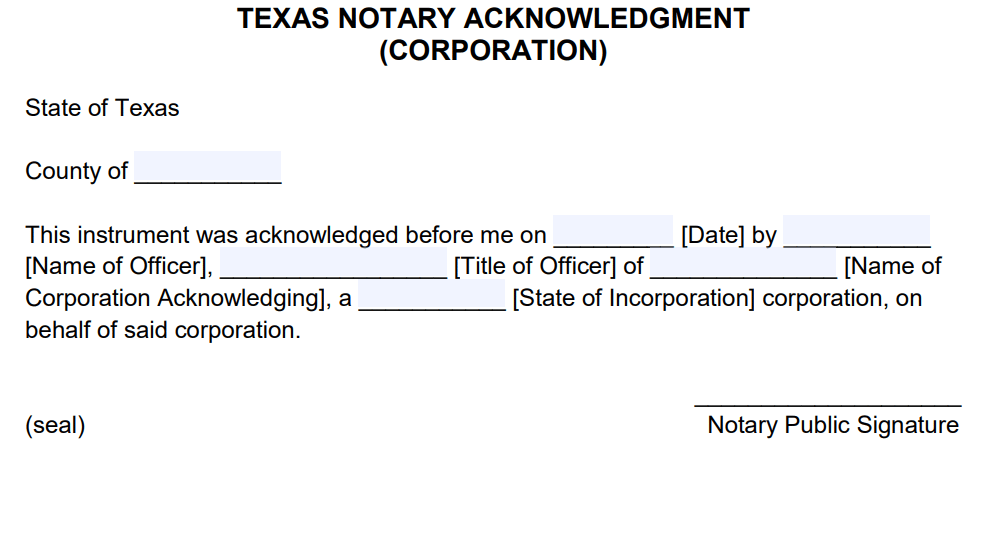
- Taking Acknowledgments: This is when a signer personally appears before you, is identified, and declares that they signed the document willingly.
- Certifying Copies: You can certify copies of documents, but only if the original document is not a publicly recordable document (e.g., birth certificates, marriage licenses, which cannot be certified by a notary in Texas).
- Protesting Instruments: While less common for most notaries, this involves formally protesting a negotiable instrument, such as a check, when it has been dishonored.
- Maintaining a Notarial Journal: Although not legally required in Texas, keeping a detailed notarial journal is highly recommended as a best practice. This journal serves as a record of every notarization you perform, including the date, type of act, document title, signer’s name, and method of identification. This meticulous record-keeping is especially crucial for mobile notaries or those who travel frequently, providing a robust accountability trail for every official act performed, and can protect you in case of a dispute or legal inquiry.
- Using Your Notary Seal: Every notarial act must be authenticated with your official notary seal, which includes your name, notary ID number, and commission expiration date. This seal makes your acts official and legally binding.
Proper identification of signers is perhaps your most critical duty. You must ensure the person signing the document is who they claim to be, typically through government-issued photo identification. Adhering strictly to these duties safeguards both you and the public, building a reputation of reliability that is essential for a successful notary, particularly one who might be serving diverse clients across various locations or accommodations.
Expanding Your Notary Horizons: Beyond the Basics
Becoming a notary public is just the beginning. To truly leverage this role for a travel-friendly lifestyle, consider expanding your services and embracing innovative approaches to notarization.
Embracing Electronic Notarization (eNotary)
The digital age has brought forth electronic notarization, or eNotarization, a groundbreaking development for notaries seeking ultimate flexibility. While traditional notarization requires the physical presence of the signer, eNotarization allows for digital documents to be notarized using electronic signatures and seals. While not entirely remote (the signer still needs to be physically present before the notary), it streamlines the process significantly for digital documents.
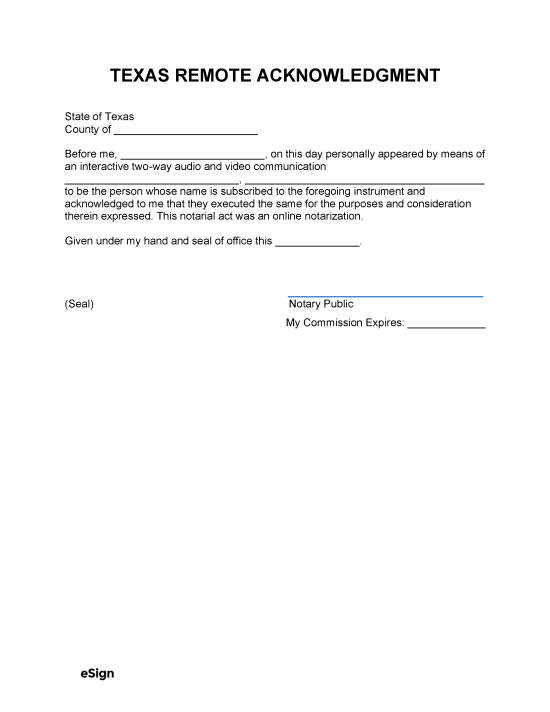
For the ultimate freedom, Texas also allows for Remote Online Notarization (RON). This allows a notary to perform notarial acts for a signer who is located remotely, using two-way audio-video communication technology. This is a game-changer for those living a travel lifestyle or catering to clients who might be spread across different regions, or even internationally (subject to specific legal frameworks). Imagine notarizing a document for a client in El Paso while you’re enjoying a short stay near the Brazos River. This technology aligns perfectly with a lifestyle centered on travel and remote work, enabling you to maintain a professional service regardless of your physical location, broadening your client base and earning potential significantly.
Mobile Notary Services: Taking Your Office on the Road
The concept of a mobile notary directly supports a flexible, travel-oriented lifestyle. Instead of clients coming to your fixed office, you travel to them. This can involve meeting clients at their homes, workplaces, hospitals, or even at various accommodations like hotels, resorts, or rental apartments. This service is highly valued for its convenience, and mobile notaries often charge a travel fee in addition to the notarial act fee, further boosting your income.
As a mobile notary, your “office” can be wherever you are, equipped with your notary seal, journal, and identification tools. This model is perfect for those who enjoy driving, exploring different parts of their city or state, and interacting with a diverse clientele. Imagine fulfilling a notary request at a landmark like The Alamo or near the historic San Jacinto Monument – while adhering to all professional standards, of course. This ability to integrate work with exploration makes mobile notary work an attractive option for those embracing a lifestyle that blends work and travel.
Specializing for Niche Markets
To maximize your earning potential and marketability, consider specializing in specific types of notarizations. This can attract a more targeted clientele and allow you to charge higher fees for your expertise. Some popular niche markets include:
- Loan Signings (Notary Signing Agent): This involves notarizing documents for real estate transactions, mortgages, and refinances. It requires additional training and certification but can be very lucrative. Many individuals involved in real estate frequently travel for business stays or property viewings, making mobile loan signing agents highly sought after.
- Apostille Services: For documents destined for use in foreign countries, an apostille (or authentication) may be required. While you won’t issue the apostille yourself (that’s done by the Secretary of State), you can specialize in notarizing the underlying documents correctly so they can be apostilled. This is particularly relevant for international travelers, expatriates, and global businesses.
- Estate Planning Documents: Notarizing wills, trusts, and power of attorney documents is a sensitive but essential service.
- Travel Consent Forms: For minors traveling internationally without both parents, a notarized consent form is often required. This is a direct link to the travel industry and can be a valuable service for families planning their next trip.
By specializing, you differentiate yourself from general notaries and can tap into specific communities that align with your interests, potentially even linking directly to travel agencies, accommodation providers, or international business consultants.
The Notary Lifestyle: Earning and Exploring in Texas
Ultimately, becoming a notary in Texas isn’t just about the legal process; it’s about the lifestyle it can afford. It’s a pragmatic skill that can significantly enhance your ability to live a life rich in travel, experiences, and personal freedom.
Financial Freedom for Your Next Adventure
The income generated from notary services can directly translate into more opportunities for travel. Whether you dream of staying in luxury resorts, trying authentic local food in various destinations, or embarking on an adventurous backpacking trip, the extra earnings provide the financial cushion to make these dreams a reality. It empowers you to take control of your budget, allocating funds towards memorable experiences rather than feeling restricted by financial constraints. This financial freedom is a cornerstone of the lifestyle advocated by travel enthusiasts – the ability to explore without limits.
Navigating Texas as a Notary
Texas itself is a destination worth exploring, and as a mobile notary, you get to experience it firsthand. From the bustling metropolitan areas like Dallas and Houston to the artistic vibes of Austin and the historic charm of San Antonio, each city offers unique attractions, diverse local culture, and a variety of accommodations. Beyond the cities, the state boasts natural wonders like the rugged beauty of Big Bend National Park and the majestic peaks of Guadalupe Mountains National Park. As you travel for notary assignments, you might find yourself discovering new favorite restaurants, hidden parks, or charming local businesses, integrating small adventures into your daily work. This unique blend of work and exploration truly embodies a life lived outside the box.
Becoming a Notary Public in Texas is more than just obtaining a commission; it’s an investment in your personal and financial freedom. It’s a skill that offers flexibility, supplementary income, and the potential to integrate seamlessly with a travel-centric lifestyle. By following the outlined steps and embracing the opportunities for growth and specialization, you can unlock a world where earning and exploring go hand-in-hand, making your travel dreams more attainable than ever before. Embark on this journey, and discover how a notary commission can truly open doors to your next great adventure.
LifeOutOfTheBox is a participant in the Amazon Services LLC Associates Program, an affiliate advertising program designed to provide a means for sites to earn advertising fees by advertising and linking to Amazon.com. Amazon, the Amazon logo, AmazonSupply, and the AmazonSupply logo are trademarks of Amazon.com, Inc. or its affiliates. As an Amazon Associate we earn affiliate commissions from qualifying purchases.