
Becoming a Certified Nursing Assistant (CNA) in Florida is a rewarding path for individuals passionate about providing direct patient care and contributing to the healthcare system. This profession offers a stable career with ample opportunities for growth and a chance to make a tangible difference in the lives of others. Florida has a robust demand for CNAs, making it an attractive state to pursue this career. The process, while structured, is designed to equip aspiring CNAs with the necessary skills and knowledge to excel in their roles.
Understanding the Role of a CNA in Florida
A Certified Nursing Assistant plays a crucial role within healthcare facilities, acting as the frontline caregivers. They work under the supervision of registered nurses (RNs) and licensed practical nurses (LPNs) to assist patients with their daily living activities (ADLs). This encompasses a wide range of responsibilities, ensuring patients receive compassionate and efficient care.
Key Responsibilities of a CNA
The daily tasks of a CNA are diverse and patient-centered. Understanding these responsibilities is fundamental to appreciating the CNA’s impact.
- Personal Care: This includes assisting patients with bathing, grooming, dressing, and toileting. CNAs ensure patients maintain dignity and comfort while attending to their personal hygiene needs.
- Mobility Assistance: Helping patients move from their beds to chairs, assisting with walking, and repositioning them in bed to prevent pressure sores are vital tasks. CNAs must possess strength and proper body mechanics to ensure both their safety and the patient’s.
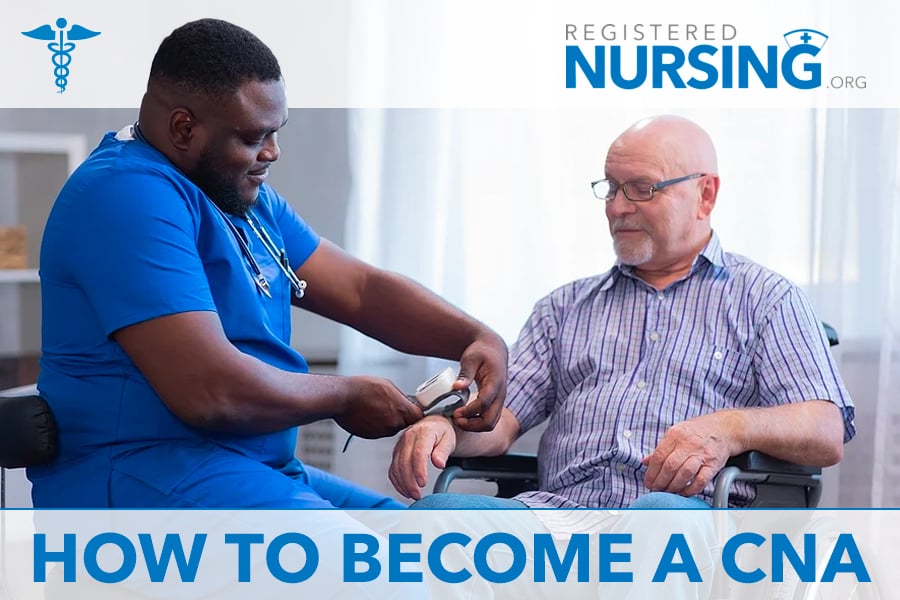
- Vital Signs Monitoring: Taking and recording patients’ temperature, pulse, respiration rate, and blood pressure are standard duties. Accurate monitoring helps nurses assess a patient’s condition and identify any significant changes.
- Nutritional Support: Assisting patients with feeding, ensuring they consume adequate nutrition and hydration, and monitoring their intake are important aspects of care.
- Documentation: CNAs are responsible for accurately documenting the care they provide, observations they make, and any changes in a patient’s condition in the patient’s chart. This communication is vital for the healthcare team.
- Communication: Serving as a liaison between patients, families, and the nursing staff is a critical function. CNAs often spend the most direct time with patients and can provide valuable insights into their well-being.
- Maintaining a Safe Environment: Ensuring the patient’s living space is clean, safe, and free from hazards is a primary concern. This includes making beds, tidying rooms, and reporting any safety issues.
- Responding to Call Lights: Promptly responding to patient call lights to address their needs is a fundamental expectation of a CNA.
The scope of practice for CNAs is clearly defined by the Florida Board of Nursing. Understanding these boundaries ensures safe and effective patient care.
Requirements for Becoming a CNA in Florida
To embark on this fulfilling career path in Florida, aspiring CNAs must meet specific educational and examination requirements. These steps ensure that only qualified individuals are certified to provide patient care.
Age and Education
- Minimum Age: Candidates must be at least 18 years old to enroll in a CNA training program and to be certified.
- High School Diploma or GED: A high school diploma or its equivalent, such as a GED, is generally required for admission into an approved CNA training program.
Approved Training Programs
- Accreditation: Aspiring CNAs must complete a state-approved CNA training program. These programs are offered by various institutions, including community colleges, vocational schools, and some healthcare facilities. The Florida Department of Health oversees the approval of these programs.
- Curriculum: Approved programs typically consist of a minimum of 120 hours of instruction and hands-on training. The curriculum covers theoretical knowledge and practical skills essential for patient care. This includes subjects like anatomy and physiology, basic nursing skills, patient rights, infection control, and emergency procedures.
- Clinical Experience: A significant component of any approved CNA program is supervised clinical experience. This practical training takes place in a real healthcare setting, such as a hospital, nursing home, or assisted living facility. It allows students to apply their learned skills under the guidance of experienced healthcare professionals.
Criminal Background Check
- Fingerprinting: All candidates must undergo a thorough criminal background check, which includes fingerprinting. This is a standard procedure in healthcare to ensure the safety and well-being of patients. Any disqualifying offenses will prevent certification.
Competency Examination
- State Certification Exam: Upon successful completion of an approved training program, candidates must pass a state certification examination. This exam is administered by a designated testing provider and assesses both the knowledge and practical skills acquired during the training.
- Exam Components: The examination typically has two parts:
- Written/Knowledge Test: This multiple-choice exam evaluates the candidate’s understanding of nursing assistant principles, procedures, and patient care concepts.
- Skills Demonstration: This practical component requires the candidate to perform a set of randomly selected nursing assistant skills in front of an evaluator. The evaluator assesses the candidate’s ability to perform these skills correctly and safely, following established protocols.
Steps to Get Certified as a CNA in Florida
The journey to becoming a certified nursing assistant in Florida involves a series of distinct steps, from choosing the right training program to passing the final examination. Following these steps systematically will ensure a smooth and successful certification process.
Step 1: Research and Select an Approved CNA Training Program
The first critical step is to identify and enroll in a CNA training program that is approved by the Florida Board of Nursing. Not all programs meet the state’s rigorous standards.

- Program Options: Explore programs offered by institutions like Miami Dade College, Valencia College, or local vocational schools. Many hospitals and long-term care facilities also offer their own in-house training programs, which can sometimes lead to direct employment opportunities.
- Accreditation Verification: Always verify that the program you are considering is officially recognized by the state. Information on approved programs is typically available on the Florida Board of Nursing website.
- Consider Program Structure: Evaluate program schedules, tuition costs, and location to find one that best fits your personal circumstances and learning style.
Step 2: Complete the CNA Training Program
Once enrolled, dedicate yourself to mastering the curriculum. This involves attending all classes, actively participating in discussions, and diligently practicing the skills taught.
- Classroom Instruction: Absorb the theoretical knowledge presented by qualified instructors. This forms the foundation of your understanding of patient care.
- Lab Practice: Utilize the lab sessions to hone your practical skills. Repetition and feedback are key to developing proficiency and confidence.
- Clinical Rotations: Embrace the clinical experience as an invaluable opportunity to work with real patients. Follow all facility policies and procedures and learn from the healthcare professionals around you. Remember to maintain a professional demeanor and a compassionate attitude.
Step 3: Apply for the State Certification Examination
After successfully completing your training program, you will be eligible to apply for the Florida CNA Certification Examination.
- Application Process: This typically involves submitting an application form to the designated testing agency, along with proof of program completion and any required fees.
- Background Check: Ensure your background check has been initiated or completed as per the testing agency’s requirements.
Step 4: Schedule and Take the CNA Certification Examination
Once your application is approved, you will receive instructions on how to schedule your exam.
- Exam Scheduling: Choose a date and time that works for you. It is advisable to schedule your exam as soon as possible after completing your training while the material is still fresh in your mind.
- Preparation: Review your training materials thoroughly. Practice the skills you will be demonstrating and quiz yourself on the knowledge-based content. Many online resources and practice exams are available to help you prepare.
- Exam Day: Arrive at the testing center early, bringing the required identification. Stay calm and focused during both the written and skills portions of the exam.
Step 5: Receive Your CNA Certification
Upon passing both components of the certification examination, you will be officially recognized as a Certified Nursing Assistant in Florida.
- Notification: You will typically be notified of your results shortly after taking the exam.
- Certification Status: Your name will be added to the state’s registry of certified nursing assistants. You can usually verify your certification status online through the Florida Board of Nursing website.
Career Opportunities and Growth for CNAs in Florida
The demand for skilled and compassionate CNAs in Florida is consistently high, offering a promising career outlook. The state’s growing population, particularly its significant senior demographic, fuels the need for qualified healthcare professionals in various settings.
Diverse Work Environments
Certified Nursing Assistants can find employment in a wide array of healthcare settings, each offering unique experiences and patient populations.
- Hospitals: Working in a hospital provides exposure to acute care patients with a variety of medical conditions. This can include settings like Jackson Memorial Hospital in Miami or Tampa General Hospital in Tampa.
- Nursing Homes and Skilled Nursing Facilities: These facilities focus on long-term care for individuals who require ongoing medical assistance and rehabilitative services.
- Assisted Living Facilities: CNAs in these settings help residents with daily living activities while promoting independence and a comfortable lifestyle.
- Home Health Agencies: Providing in-home care to patients allows CNAs to offer personalized support within a familiar environment. This might involve caring for individuals recovering from surgery or those with chronic illnesses.
- Rehabilitation Centers: Assisting patients through physical and occupational therapy programs, helping them regain strength and mobility.
- Hospice Care: Offering compassionate end-of-life care and support to patients and their families.

Opportunities for Advancement
While a CNA certification is a significant achievement, it also serves as an excellent stepping stone for further career development within the healthcare field.
- Further Education: Many CNAs use their experience as a foundation for pursuing advanced degrees. They may enroll in LPN or RN programs to become licensed nurses, expanding their responsibilities and earning potential. Institutions like the University of Florida or Florida State University offer various nursing programs.
- Specialization: With experience, CNAs can explore specialized roles, such as medication aides (where permitted by state regulations), restorative aides, or activity assistants.
- Supervisory Roles: Some CNAs may eventually move into supervisory positions within nursing homes or assisted living facilities, overseeing other CNAs and ensuring quality care.
- Continuing Education: Florida mandates continuing education for CNAs to maintain their certification, ensuring they stay updated on the latest healthcare practices and protocols.
The healthcare industry in Florida, particularly in vibrant cities like Orlando, Fort Lauderdale, and Jacksonville, offers a dynamic and supportive environment for CNAs to build a meaningful and sustainable career. The combination of strong demand, diverse work settings, and pathways for professional growth makes becoming a Certified Nursing Assistant in Florida an attractive and viable career choice.
LifeOutOfTheBox is a participant in the Amazon Services LLC Associates Program, an affiliate advertising program designed to provide a means for sites to earn advertising fees by advertising and linking to Amazon.com. Amazon, the Amazon logo, AmazonSupply, and the AmazonSupply logo are trademarks of Amazon.com, Inc. or its affiliates. As an Amazon Associate we earn affiliate commissions from qualifying purchases.