
Navigating the path to becoming a Certified Nursing Assistant (CNA) in Texas is a rewarding journey that opens doors to a fulfilling career in healthcare. This profession is vital, offering direct patient care and support in a variety of settings, from hospitals and nursing homes to home health agencies and assisted living facilities. Texas, with its growing population and expanding healthcare sector, presents numerous opportunities for aspiring CNAs. This guide will provide a comprehensive overview of the steps involved, from meeting eligibility requirements to finding employment.
Understanding the Role of a Certified Nursing Assistant
A Certified Nursing Assistant, often referred to as a CNA or nursing aide, plays a critical role in the healthcare team. Their primary responsibility is to provide basic care to patients, assisting them with daily living activities. This includes tasks such as bathing, dressing, feeding, ambulating, and monitoring vital signs. CNAs also help with record-keeping, communicating patient needs to nurses and other healthcare professionals, and ensuring a clean and safe environment for those under their care. The demand for skilled and compassionate CNAs is consistently high, making it an attractive career choice for individuals passionate about helping others.

Key Responsibilities of a Texas CNA
The scope of practice for a CNA in Texas is defined by the Texas Department of Aging and Disability Services (DADS), now part of the Health and Human Services Commission (HHSC). While specific duties may vary depending on the facility and the patient’s needs, common responsibilities include:
- Personal Care: Assisting patients with bathing, grooming, oral hygiene, toileting, and dressing.
- Mobility Assistance: Helping patients move from bed to chair, walk, and perform range-of-motion exercises.
- Nutrition and Hydration: Assisting with feeding and ensuring patients are adequately hydrated.
- Monitoring and Reporting: Taking and recording vital signs (temperature, pulse, respiration, blood pressure), observing patients for changes in condition, and reporting these observations to the nursing staff.
- Maintaining a Safe Environment: Ensuring patient rooms are clean and safe, making beds, and reporting any safety hazards.
- Record Keeping: Documenting the care provided in patient charts or electronic health records.
- Communication: Acting as a liaison between patients and the healthcare team, relaying concerns and needs.
Career Outlook for CNAs in Texas
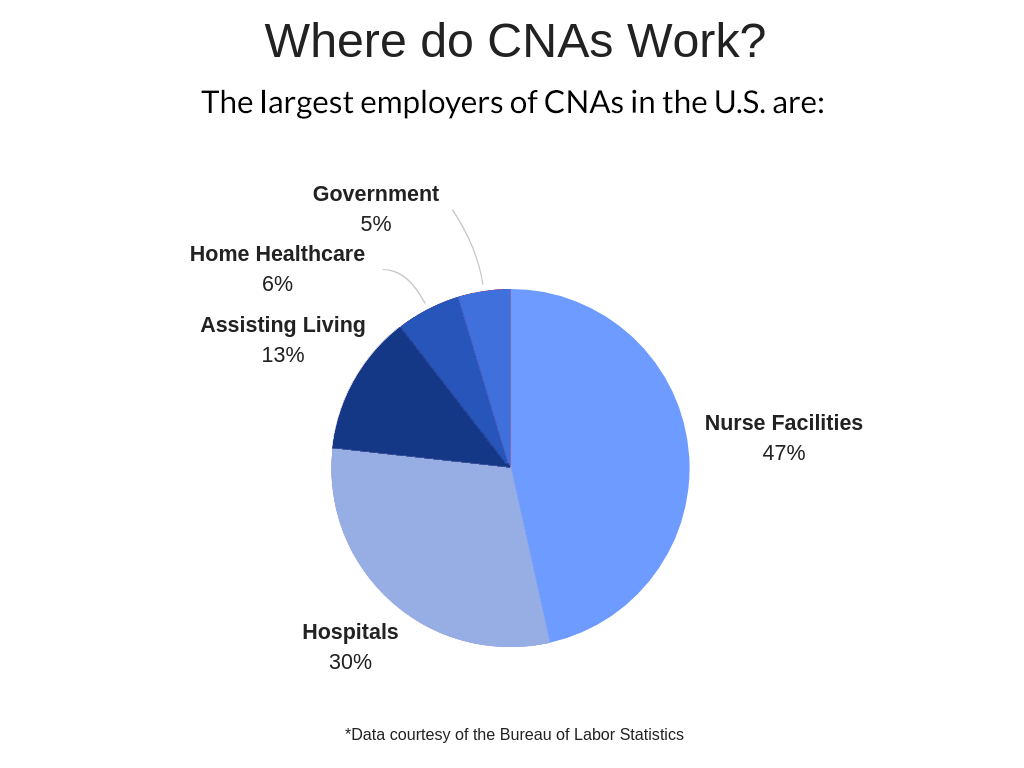
The healthcare industry in Texas is robust and continues to grow, driven by an aging population and advancements in medical technology. This growth translates into a strong job market for CNAs. The U.S. Bureau of Labor Statistics projects a significant increase in employment for nursing assistants nationwide, and Texas is expected to follow this trend. Cities like Houston, Dallas, San Antonio, and Austin have a high concentration of healthcare facilities, offering diverse employment opportunities. Potential work settings include:
- Hospitals: Providing care to patients recovering from illness or surgery.
- Skilled Nursing Facilities (Nursing Homes): Offering long-term care and rehabilitation services.
- Assisted Living Facilities: Supporting individuals who need help with daily living activities but do not require constant medical care.
- Home Health Agencies: Providing care in patients’ homes.
- Hospices: Offering palliative care to individuals with terminal illnesses.
Steps to Becoming a Certified Nursing Assistant in Texas
Becoming a CNA in Texas involves meeting specific educational and examination requirements. The process is overseen by the Texas HHSC, which maintains the state’s nurse aide registry.
1. Meet the Eligibility Requirements
Before enrolling in a training program, it’s essential to understand the basic eligibility criteria set by the state. Generally, candidates must:
- Be at least 18 years old.
- Have a high school diploma or GED (though some programs may accept younger students with parental consent, they must be of age to work upon certification).
- Pass a background check. This is a crucial step, as facilities need to ensure the safety and well-being of their patients. Certain criminal convictions may disqualify an applicant.
- Be able to read, write, and understand English sufficiently to perform job duties and communicate effectively with patients and staff.
2. Complete an Approved Nurse Aide Training Program
The cornerstone of becoming a CNA in Texas is completing an approved training program. These programs are designed to provide students with the knowledge and skills necessary to perform CNA duties safely and effectively.
Finding an Approved Program
The Texas HHSC maintains a list of approved nurse aide training programs. These programs can be offered by:
- Community Colleges: Many community colleges offer CNA programs, often at an affordable price. Examples include Austin Community College and Dallas College.
- Vocational Schools and Technical Institutes: These institutions specialize in career-focused training and often have flexible schedules.
- Hospitals and Long-Term Care Facilities: Some healthcare employers offer their own training programs, which can be a great way to secure employment upon completion, as they may have a vested interest in hiring their graduates.
- Online Providers: While some theoretical components can be accessed online, clinical training must be completed in person. Ensure any online program is accredited and approved by the state for its clinical components.
Program Curriculum
Approved CNA training programs in Texas must consist of a minimum of 100 hours of instruction, including:
- Classroom Instruction: Covering essential topics such as anatomy and physiology, basic nursing skills, infection control, patient rights, communication, safety, and emergency procedures.
- Skills Lab Practice: Hands-on training in a simulated environment where students practice essential skills like taking vital signs, transferring patients, and assisting with personal hygiene.
- Clinical Experience: Supervised practical training in a healthcare facility. This is where students apply their learned skills in a real-world setting, gaining invaluable experience working directly with patients under the guidance of experienced nurses. This clinical component typically comprises a significant portion of the total program hours.
The duration of these programs can vary, typically ranging from four to eight weeks, depending on the institution and its schedule.
3. Pass the Competency Examination

Upon successful completion of an approved training program, candidates must pass a state-mandated competency examination to become certified. This exam is administered by a third-party testing service, typically Prometric. The exam consists of two parts:
Written (Knowledge) Examination
This portion of the exam assesses a candidate’s understanding of nursing assistant principles and practices. It is usually multiple-choice and covers topics such as:
- Communication and interpersonal skills
- Activities of daily living
- Basic nursing skills
- Personal care skills
- Restorative services
- Psychosocial needs
- Care of residents with cognitive impairments
- Safety and emergency procedures
- Role and responsibility of the nursing assistant
Candidates are typically given a set amount of time to complete the written exam.
Skills (Performance) Examination
This practical portion of the exam evaluates a candidate’s ability to perform essential nursing assistant skills correctly and safely. Candidates will be asked to demonstrate a specific number of skills, which are chosen randomly from a list of approved tasks. Common skills tested include:
- Handwashing
- Taking vital signs (temperature, pulse, respiration, blood pressure)
- Transferring a patient from bed to wheelchair
- Assisting a patient with ambulation
- Feeding a patient
- Making an occupied bed
- Providing catheter care
- Providing perineal care
The examiner will observe the candidate’s technique, ensuring they follow proper procedures, maintain patient dignity, and prioritize safety. A checklist is used to evaluate each step of the skill.
4. Get Listed on the Texas Nurse Aide Registry
Once a candidate successfully passes both parts of the competency examination, their name is entered into the Texas Nurse Aide Registry. This registry is maintained by the Texas HHSC and serves as the official record of individuals who are certified to work as CNAs in the state. Employers will verify a candidate’s status on this registry before hiring them.
5. Maintain Certification
CNA certification in Texas is typically valid for a specific period, usually 24 months. To maintain active certification, CNAs are generally required to:
- Work as a CNA: Perform nursing aide duties for at least eight consecutive hours within a 24-month period. This is a crucial requirement to keep your certification active.
- Continue Education (if applicable): Some states require continuing education units (CEUs) for renewal. While Texas primarily relies on work experience for renewal, it’s always advisable to check the latest HHSC regulations for any updates.
Failure to meet the work requirement can lead to the expiration of certification, requiring the individual to retake the competency examination to be relisted on the registry.
Finding Employment as a CNA in Texas
With certification in hand, the next step is to begin your job search. The demand for CNAs in Texas is high, offering a variety of employment opportunities.
Preparing Your Application Materials
- Resume: Create a professional resume highlighting your training, skills, and any relevant experience (even volunteer work). Emphasize your compassion, reliability, and communication abilities.
- Cover Letter: Tailor your cover letter to each specific job application, expressing your interest in the position and the facility.
- References: Gather contact information for instructors, supervisors, or colleagues who can vouch for your skills and work ethic.
Job Search Strategies
- Online Job Boards: Utilize popular job websites such as Indeed, LinkedIn, and specific healthcare job boards.
- Facility Websites: Many hospitals, nursing homes, and healthcare systems post openings directly on their own websites.
- Networking: Attend job fairs or connect with healthcare professionals you met during your clinical training.
- Direct Applications: Visit healthcare facilities in person to inquire about openings and submit applications.
Interview Tips
- Be Professional: Dress professionally and arrive on time for your interview.
- Highlight Skills: Be prepared to discuss your training, skills, and how you handle challenging situations.
- Show Compassion: Emphasize your genuine desire to help others and your patient-centered approach.
- Ask Questions: Prepare thoughtful questions about the facility, the team, and the role to show your engagement and interest.
Conclusion
Becoming a Certified Nursing Assistant in Texas is an accessible and rewarding career path for those with a passion for caring for others. By meeting the eligibility requirements, completing an approved training program, passing the competency examination, and obtaining listing on the Texas Nurse Aide Registry, you can embark on a vital role within the state’s healthcare system. The opportunities are plentiful, and with dedication and the right training, you can build a successful and impactful career as a CNA.
LifeOutOfTheBox is a participant in the Amazon Services LLC Associates Program, an affiliate advertising program designed to provide a means for sites to earn advertising fees by advertising and linking to Amazon.com. Amazon, the Amazon logo, AmazonSupply, and the AmazonSupply logo are trademarks of Amazon.com, Inc. or its affiliates. As an Amazon Associate we earn affiliate commissions from qualifying purchases.