
The state of Montana offers a unique landscape for medical professionals. From the rugged peaks of Glacier National Park to the bustling corridors of Billings, the demand for skilled pre-hospital care is constant. Becoming an Emergency Medical Technician (EMT) in this vast state is more than just a career move; it is a vital service to the communities that dot the Rocky Mountains. Whether you are drawn to the historical streets of Helena or the vibrant spirit of Bozeman, the path to certification is structured, challenging, and deeply rewarding.
Understanding the EMT Role in the Treasure State
The role of an EMT in Montana is defined by both the clinical nature of the work and the geographical reality of the region. As the fourth-largest state by area, response times in remote areas can be extensive. This environment demands that EMTs possess not only technical proficiency but also the ability to remain calm and decisive in isolation.
The Scope of Practice
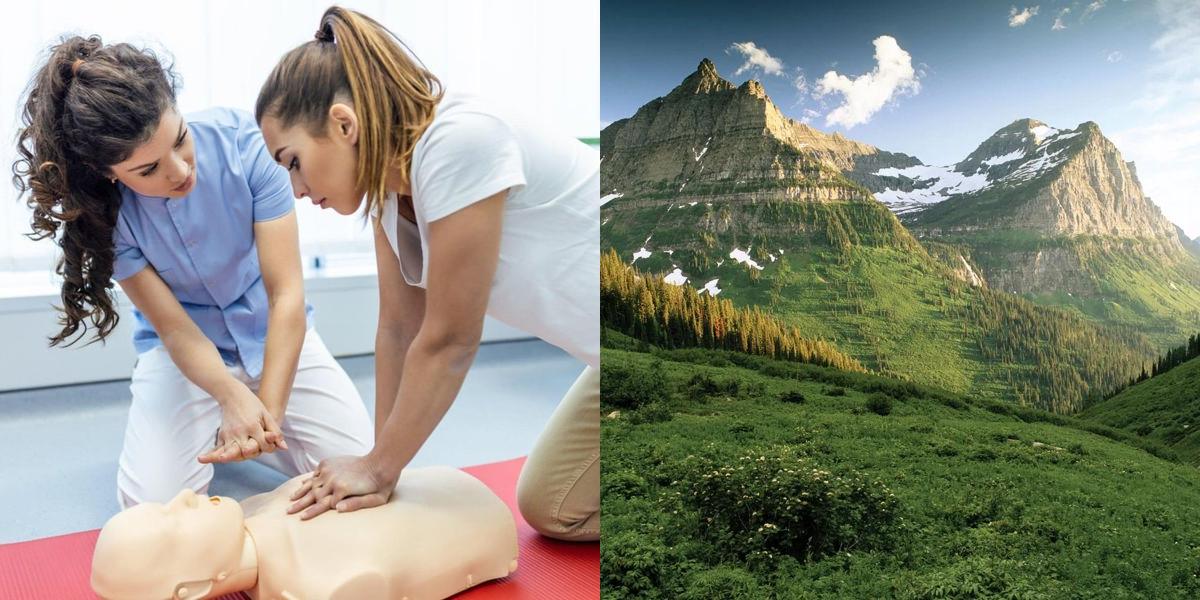
In Montana, an EMT-Basic is trained to provide life-saving care that bridges the gap between the scene of an emergency and the hospital. This includes cardiac monitoring, wound care, basic airway management, and the administration of specific life-saving medications. Because the state’s geography is so diverse, EMTs often find themselves working in conjunction with Search and Rescue teams, particularly near the wilderness areas surrounding Missoula.
Why Pursue Certification?
Choosing a career as an EMT in Montana allows you to integrate into the fabric of local culture. You aren’t just an employee; you are a neighbor helping a neighbor in Great Falls or Kalispell. It is a role that commands respect and provides a unique vantage point on the life and challenges of rural and urban residents alike.
The Educational Pathway to Certification
To become an EMT in Montana, you must follow a path approved by the Montana Board of Medical Examiners. This regulatory body ensures that every EMT practicing in the state meets rigorous standards of competency.
Finding a Certified Program
Education usually begins at a community college or a vocational technical school. Many institutions in Butte and Bozeman offer state-approved courses. When selecting a program, ensure that the curriculum is compliant with current national standards. The coursework will typically span a few months, covering everything from anatomy and physiology to emergency driving protocols and patient assessment.
Clinical Rotations and Field Experience
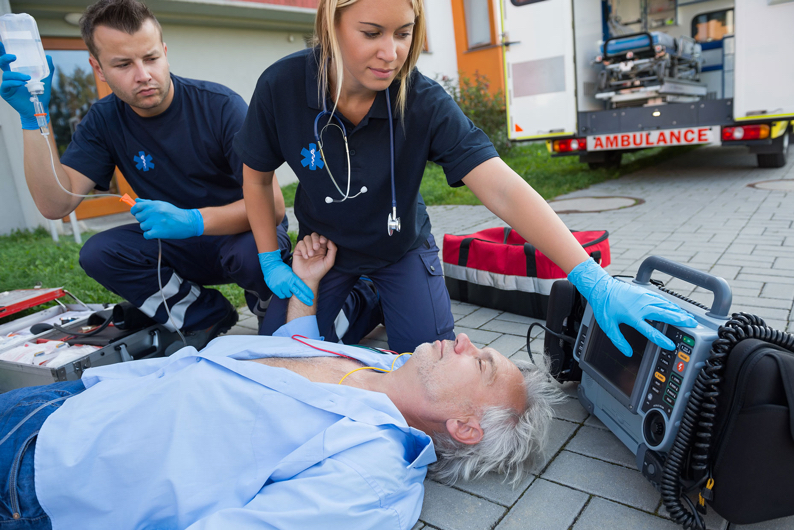
A significant portion of your training will take place outside the classroom. You will spend time in local hospitals and on ambulances, getting hands-on experience under the watchful eye of experienced paramedics. This is where you learn to apply theory to the chaotic reality of the field. Whether you are observing trauma care in a Bozeman hospital or assisting with ambulance operations in a smaller township, these rotations are the crucible of your professional identity.
Examination and Licensure Requirements
Once you have completed your classroom and clinical requirements, the road to becoming a licensed EMT moves toward national testing and state registration.
The National Registry of Emergency Medical Technicians (NREMT)
Most states, including Montana, require passing the NREMT exam to verify your knowledge base. This exam is a comprehensive assessment that tests your cognitive ability to handle medical and trauma-related emergencies. Once you receive your NREMT certification, you are eligible to apply for state licensure through the Montana Department of Public Health and Human Services.
Background Checks and State-Specific Regulations
Because you will be working with vulnerable populations, Montana requires a clean background check. This is standard protocol for all healthcare professionals. Furthermore, once you are licensed, you must maintain your standing through continuing education. This ensures that you stay abreast of new medical technologies and protocols. The beauty of living in a state like Montana is that many of these training opportunities happen in beautiful, natural settings that offer a respite from the intensity of the work.
Career Opportunities and Professional Growth
After obtaining your EMT license, the opportunities across the state are expansive. While many individuals begin their careers working for private ambulance companies or hospital-based services, others look toward specialized roles.
Working in Rural vs. Urban Environments
There is a distinct difference between serving in a dense urban environment like Billings and working in a remote station near Yellowstone National Park. In an urban center, you may respond to higher volumes of calls, leading to a faster-paced environment that sharpens your efficiency. Conversely, rural EMS requires a greater level of resourcefulness, as you are often the only medical professional on the scene for several minutes.
Advancing to Paramedic and Beyond
Many EMTs view their initial certification as the first step in a longer journey. If you find your passion in emergency medicine, you may choose to advance your training to become an Advanced EMT or a Paramedic. This requires additional schooling but allows you to perform more complex interventions, such as administering advanced cardiac medications or performing intubations. This ladder of growth is supported by many of the healthcare networks in cities like Missoula and Helena, which prioritize the continuous development of their emergency staff.
Integrating into the Local Community
The culture of Montana values hard work, resilience, and neighborliness. As an EMT, you are part of a brotherhood and sisterhood that spans the entire state. You will find that local festivals, community events, and the shared appreciation for the Big Sky country provide a unique camaraderie among emergency responders. Working in this environment is not merely a job; it is a commitment to the safety and well-being of the land you live on.
By carefully completing your education, passing your exams, and engaging with the local medical community, you will be well-prepared to serve as an EMT. The path is challenging, but the reward of helping those in need against the backdrop of one of the most beautiful states in the nation is an experience that stays with you for a lifetime. Whether you settle in a bustling urban hub or a quiet mountain town, your contribution as an EMT will be a cornerstone of the public health infrastructure in Montana.
LifeOutOfTheBox is a participant in the Amazon Services LLC Associates Program, an affiliate advertising program designed to provide a means for sites to earn advertising fees by advertising and linking to Amazon.com. Amazon, the Amazon logo, AmazonSupply, and the AmazonSupply logo are trademarks of Amazon.com, Inc. or its affiliates. As an Amazon Associate we earn affiliate commissions from qualifying purchases.