
California, often referred to as the Golden State, is a land of unparalleled beauty and diversity, drawing millions of visitors each year to its sun-drenched beaches, majestic mountains, bustling cities, and serene vineyards. From the iconic skyline of San Francisco to the vibrant entertainment capital of Los Angeles, and from the pristine wilderness of Yosemite National Park to the charming coastal towns of Santa Barbara, California offers a kaleidoscope of experiences for travelers and residents alike. But beneath this dazzling veneer lies a continuous commitment to safety and community well-being, a commitment upheld by a dedicated force of firefighters. For those seeking a career that combines profound purpose with the opportunity to live and thrive in one of the world’s most desirable locations, becoming a firefighter in California presents an extraordinary path.
This isn’t merely a job; it’s a lifestyle, deeply interwoven with the fabric of communities and the protection of natural wonders that define the California experience. Firefighters here are guardians of both life and the landscapes that attract tourists globally, from historic landmarks to sprawling resorts. This comprehensive guide will navigate the journey to becoming a firefighter in the Golden State, detailing the essential qualifications, rigorous training, and competitive application process, while also highlighting the unique lifestyle and opportunities for personal and professional growth that this challenging yet profoundly rewarding career affords within California’s diverse settings. Embracing this profession means not only committing to service but also securing a stable foundation from which to explore the very best of California’s travel, tourism, and lifestyle offerings.

The Call to Serve: Understanding the Role and its California Context
Becoming a firefighter in California is a commitment to a life of service, demanding courage, resilience, and unwavering dedication. However, it’s also a gateway to a unique professional and personal lifestyle, deeply embedded in the dynamic and diverse environment of the Golden State. Firefighters are not just emergency responders; they are pillars of their local communities, often working in areas that are major destinations for travel and tourism, from urban centers to remote natural attractions. Their efforts ensure the safety of residents and millions of annual visitors, protecting everything from historic architecture to pristine natural reserves. This career offers a stable path in a state renowned for its high quality of life and endless recreational possibilities.
More Than Just a Job: A Lifestyle of Purpose and Community
A firefighter’s life in California extends far beyond responding to emergencies. It’s a demanding profession characterized by continuous training, physical readiness, and a profound sense of camaraderie. Firefighters often live and work together in stations, forming close-knit teams that operate as a second family. This communal aspect of the job directly relates to the concept of accommodation and lifestyle, as fire stations function as unique shared living spaces where bonds are forged over shared meals and collective responsibilities. The rigorous physical demands of the job encourage a healthy and active lifestyle, which aligns perfectly with California’s outdoor-centric culture, whether it’s hiking in the Sierra Nevada mountains during time off or staying fit for duty.
The impact firefighters have on local culture and community cannot be overstated. They are first responders to medical emergencies, perform technical rescues, respond to hazardous material incidents, and provide public education. In tourist-heavy areas like Lake Tahoe or Napa Valley, firefighters play a crucial role in ensuring the safety of visitors enjoying world-class resorts, wineries, and natural attractions. This commitment to community safety underpins the entire tourism industry, making the work of a firefighter directly relevant to the themes of tourism and local culture. The opportunity to serve and protect these cherished locations and their inhabitants offers a deep sense of purpose, distinguishing this career as a lifestyle choice that truly makes a difference.
Protecting California’s Treasures: From Urban Cores to Wildland Frontiers
California’s geographical diversity means that firefighters operate in an incredibly varied range of environments. This diversity presents unique challenges and opportunities for specialization, making the career particularly dynamic. Fire departments across the state are structured to address the specific needs of their jurisdiction, whether it’s a dense metropolitan area or a vast rural landscape.
- Urban Environments: In cities like San Diego, Sacramento, Oakland, and Anaheim, firefighters are adept at structural firefighting, high-rise rescues, and handling incidents in crowded public spaces. Their presence ensures the safety of residents and the millions of tourists who visit famous attractions like Disneyland Park in Anaheim or the historic Gaslamp Quarter in San Diego. The protection of commercial properties, hotels, and landmarks is paramount in these urban centers, directly contributing to the state’s vibrant tourism economy.
- Wildland-Urban Interface (WUI): Many California communities, such as Santa Rosa and Ventura, are situated where urban development meets wildland areas. This necessitates specialized wildland firefighting skills, as these regions are prone to devastating wildfires. Firefighters in these areas are often tasked with protecting homes, natural parks like Sequoia National Park, and vital infrastructure, a constant battle against the elements that safeguards both human life and the natural beauty that defines much of California’s travel appeal.
- Coastal and Rural Areas: Along the stunning Pacific Coast Highway, in towns like Monterey and extending into agricultural regions, firefighters face a different set of challenges, from marine rescues to agricultural fires. Each locale presents a unique context for service, ensuring that a firefighter’s skillset is constantly evolving and adapting to the diverse demands of the Golden State. The career offers opportunities to live in and protect some of California’s most picturesque and sought-after destinations, allowing for a lifestyle rich in natural beauty and community engagement.
Charting Your Course: Essential Prerequisites and Training
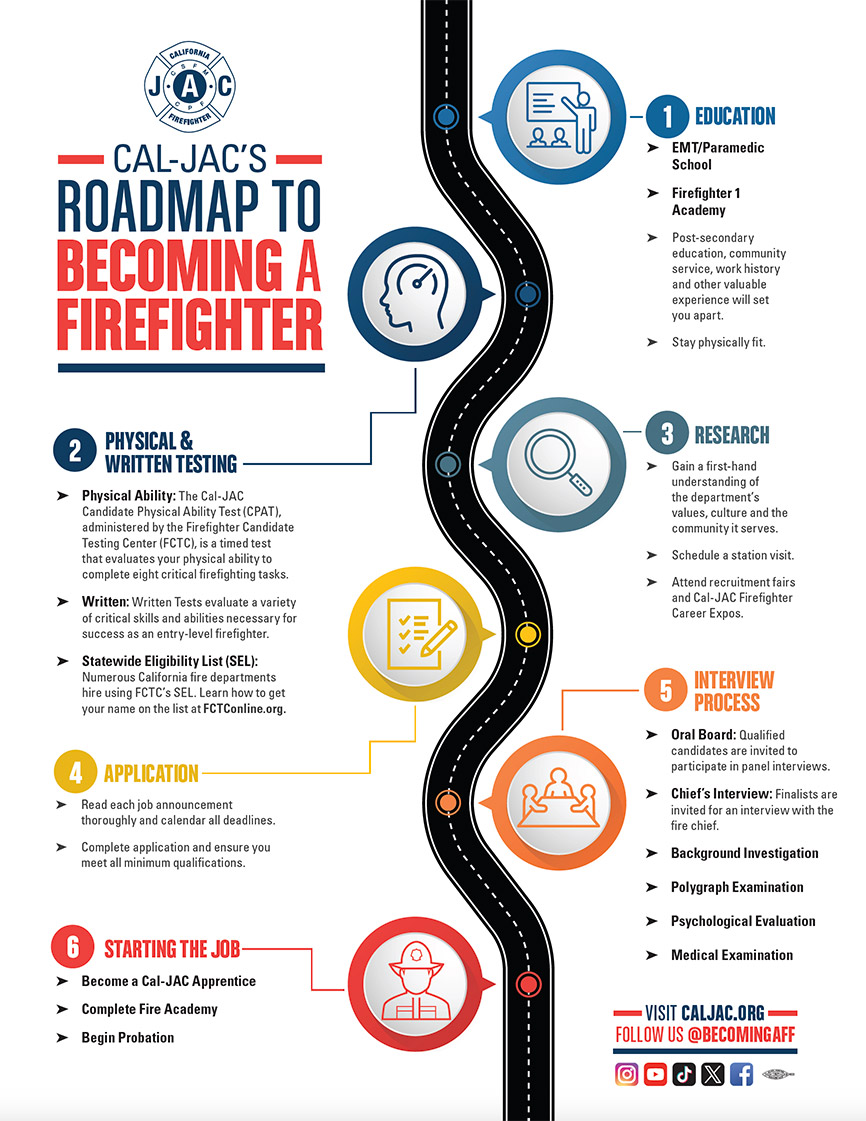
The path to becoming a firefighter in California is well-defined, requiring a blend of academic preparation, physical prowess, and a deep commitment to serving the public. Aspiring firefighters must meet a stringent set of prerequisites before embarking on the intensive training that will equip them with the skills necessary to protect the diverse communities and landscapes of the Golden State. This foundational phase is crucial, not only for qualifying for the role but also for preparing individuals for the demanding lifestyle and constant challenges of the profession.
Building the Foundation: Education and Core Requirements
Before even considering fire academy, candidates must satisfy several fundamental requirements, which are designed to ensure they possess the basic aptitude and readiness for the rigorous journey ahead. These requirements serve as the bedrock upon which a successful firefighting career is built, and they reflect the high standards necessary to protect California’s valuable assets, from its world-class hotels and resorts to its iconic landmarks.
The core prerequisites typically include:
- Age: Applicants must generally be at least 18 years old. While some departments may have an upper age limit for entry-level positions, the emphasis is on physical and mental capability rather than chronological age.
- Education: A high school diploma or GED is universally required. Further education, such as an Associate’s or Bachelor’s degree, particularly in fire science, emergency medical services, or a related field, is highly advantageous and can significantly enhance a candidate’s competitiveness in an often crowded applicant pool.
- Emergency Medical Technician (EMT) Certification: This is arguably the most critical prerequisite for nearly all fire departments in California. A substantial portion of emergency calls firefighters respond to are medical in nature. Possessing an EMT-Basic certification (at a minimum) is usually mandatory, with paramedic certification being a highly sought-after qualification that can give candidates a significant edge. This reflects the multi-faceted nature of the job, which is as much about medical aid as it is about fire suppression.
- Physical Fitness: Firefighting is an incredibly demanding profession, requiring exceptional physical strength, stamina, and agility. Candidates must be in peak physical condition to manage heavy equipment, perform rescues, and endure long shifts in hazardous environments. Many departments require a validated physical ability test, such as the Candidate Physical Ability Test (CPAT), to ensure candidates meet these rigorous standards. Maintaining this level of fitness is not just a requirement for entry but a crucial aspect of the ongoing firefighter lifestyle.
- Driver’s License: A valid California Driver’s License is essential, with some departments requiring a Class B non-commercial license or the ability to obtain one post-hire to operate large fire apparatus.
- Clean Record: A thorough background check will be conducted, looking for any criminal history. Given the immense public trust placed in firefighters, a clean record is imperative.
Meeting these prerequisites demonstrates a candidate’s readiness and commitment, laying the groundwork for a challenging but immensely rewarding career path that offers stability and a high quality of life within the diverse regions of California, from bustling urban centers to serene natural environments.
The Path Through the Fire Academy: Skill Development for a Varied Landscape
Once the foundational prerequisites are met, the next critical step is enrolling in and successfully completing a certified fire academy. This intensive educational and physical training program is where aspiring firefighters acquire the essential knowledge and hands-on skills required for the job. California’s fire academies are renowned for their rigorous curricula, preparing cadets for the wide array of emergency scenarios they will encounter across the state’s varied terrain.
Fire academies typically cover a broad spectrum of subjects and practical exercises, including:
- Fire Suppression Techniques: Cadets learn the fundamentals of structural firefighting, wildland firefighting, and hazardous materials response. This includes understanding fire behavior, proper use of hoses and nozzles, ventilation techniques, and safe entry/exit procedures. Given California’s susceptibility to devastating wildfires, particularly in areas near tourist destinations like Joshua Tree National Park or Death Valley National Park, specialized wildland fire training is often a significant component.
- Search and Rescue: Training focuses on techniques for locating and extricating individuals from various hazardous situations, including collapsed structures, confined spaces, and vehicle accidents. This skill set is vital in both densely populated cities like San Jose and more remote, rugged areas.
- Emergency Medical Services: While EMT certification is a prerequisite, academies often provide additional training and reinforce medical protocols, preparing firefighters to act as immediate medical responders at incident scenes.
- Hazardous Materials (HazMat): Cadets are trained to identify, contain, and mitigate incidents involving hazardous substances, a critical skill in industrial areas and transportation hubs.
- Equipment Operation and Maintenance: Proficiency in operating and maintaining fire apparatus, rescue tools, and other specialized equipment is a core part of the curriculum.
- Physical Training: Daily physical training routines push cadets to their limits, building the strength, endurance, and mental toughness required for the job. This continuous emphasis on fitness reinforces the active lifestyle inherent to firefighting.
Notable fire academies in California, such as the programs offered by Santa Ana College Fire Academy or Cosumnes River College Fire Academy, provide comprehensive training that integrates classroom instruction with realistic simulations. Upon graduation, cadets are well-prepared to face the diverse challenges of protecting California’s communities, from safeguarding the historical architecture of Long Beach to defending the natural beauty of the state’s many landmarks and popular travel destinations. The successful completion of a fire academy is a monumental achievement, marking the transition from aspiring candidate to qualified emergency responder, ready to embark on a fulfilling career in the Golden State.
Navigating the Application: From Testing to Departmental Life
Once the foundational requirements are met and fire academy training is complete, aspiring firefighters face the competitive process of securing a position with a fire department in California. This phase demands patience, persistence, and a strategic approach, as departments seek candidates who not only possess the necessary skills but also fit seamlessly into their unique organizational culture. The application process is rigorous, designed to identify individuals who are physically capable, mentally sharp, and deeply committed to public service.
Competitive Edge: Exams and Interviews
The application process typically involves several stages, each designed to evaluate different facets of a candidate’s suitability for the firefighting profession:
- Written Examination: Most departments require applicants to pass a written exam that assesses basic skills crucial for the job. This usually includes reading comprehension (understanding technical manuals and reports), basic mathematics (calculating flow rates, distances), mechanical aptitude (understanding how equipment works), and problem-solving abilities. Some exams may also include situational judgment questions, assessing how a candidate would react in various emergency scenarios. Excelling in this stage is vital for standing out in a large applicant pool.
- Physical Ability Test (PAT): Beyond general fitness, departments administer a standardized physical ability test, with the Candidate Physical Ability Test (CPAT) being the most widely used. The CPAT simulates the physical demands of firefighting, including stair climbs with hose packs, ladder raises and extensions, forced entry simulations, hose drags, and victim rescues. Passing the CPAT demonstrates that a candidate possesses the necessary strength, endurance, and agility to perform essential firefighting tasks safely and effectively. This test is a direct measure of an applicant’s readiness for the physically strenuous lifestyle of a firefighter.
- Oral Interview: Candidates who pass the written and physical tests typically proceed to one or more oral interviews. These interviews are critical for assessing communication skills, personality, and cultural fit within the department. Interview panels (often comprising current firefighters, officers, and human resources personnel) will ask behavioral questions (e.g., “Tell me about a time you worked as part of a team”) and scenario-based questions (e.g., “What would you do if a civilian refused to evacuate an area?”). This stage is where candidates can articulate their passion for service, their understanding of the job’s demands, and their commitment to protecting communities and the visitors who enjoy California’s vast array of attractions and destinations.
- Background Investigation: A comprehensive background check is conducted, including criminal history, driving record, employment history, and personal references. This ensures candidates are trustworthy and reliable, qualities paramount in a profession that holds immense public trust.
- Medical and Psychological Evaluation: The final stages often include a thorough medical examination to ensure physical fitness for duty and a psychological evaluation to assess mental stability and suitability for the high-stress environment of emergency response.
Success in these stages requires diligent preparation, from studying for written exams to rigorous physical training and practicing interview techniques. Each step is a gateway to a career that not only offers immense personal satisfaction but also a stable lifestyle in a state offering unparalleled opportunities for travel and exploration.
Life at the Station: A Unique Accommodation and Community
For those who successfully navigate the demanding application process, life as a firefighter begins at the station – a unique form of accommodation and a vibrant community in itself. Fire stations are more than just workplaces; they are communal living spaces where shifts typically last 24 hours (or sometimes 48 hours), followed by extended periods off. This distinctive schedule creates a familial atmosphere among crew members, where shared meals, continuous training, and downtime build unbreakable bonds.
- Communal Living and Shared Responsibilities: Firefighters cook, eat, clean, and train together, fostering a strong sense of teamwork and mutual reliance. The station becomes a second home, and colleagues become a second family. This close-knit environment is fundamental to the operational effectiveness of a fire crew, as trust and seamless communication are vital during high-stress emergency calls. This type of communal living, while temporary for each shift, offers an interesting perspective on alternative accommodation models within professional settings, far removed from traditional hotels or apartments.
- Continuous Learning and Training: Even after joining a department, training never stops. Firefighters regularly engage in drills, refresher courses, and specialized training to stay current with the latest techniques, technologies, and safety protocols. This commitment to ongoing education allows for professional growth and specialization in areas such as hazardous materials, urban search and rescue, or swift water rescue, enhancing their ability to protect California’s diverse landmarks and regions.
- Work-Life Balance and Exploration: The shift schedule, often involving consecutive days off (e.g., 24 hours on, 48 hours off), provides firefighters with significant blocks of free time. This unique aspect of the firefighter lifestyle in California is a huge draw, allowing individuals ample opportunity to pursue hobbies, spend time with family, or indulge in travel and tourism. Imagine having multiple days off to explore the vineyards of Napa Valley, ski in the Sierra Nevada mountains, surf along the Pacific Coast Highway, or take a road trip to the bustling city of Riverside. The stable income and benefits associated with the profession further enable a high quality of life, whether that involves luxury travel experiences or budget travel adventures across the Golden State.
Life at the fire station is a blend of intense readiness and camaraderie, offering a fulfilling career that protects the heart of California while also providing the flexibility to fully experience its wonders. It’s a testament to a profession that offers not just a job, but a comprehensive and rewarding lifestyle.
A Rewarding Journey: The Firefighter Lifestyle in the Golden State
Becoming a firefighter in California is more than just embarking on a career; it’s an embrace of a unique lifestyle defined by purpose, continuous growth, and unparalleled opportunities for personal fulfillment. The Golden State offers a backdrop of diverse natural beauty and vibrant cultural experiences, making the firefighter’s life here particularly rich. This profession provides a stable foundation for individuals to not only serve their communities with distinction but also to fully engage with the extensive travel, tourism, and lifestyle offerings that make California a world-class destination.
Beyond the Badge: Personal Growth and Professional Impact
The journey of a firefighter is one of constant evolution and learning. From the moment one enters the fire academy, the emphasis is on developing a broad range of skills and a resilient character. This commitment to continuous improvement extends throughout a firefighter’s career, offering numerous avenues for personal growth and professional impact:
- Specialization and Expertise: Fire departments in California are highly specialized, reflecting the diverse challenges of the state. Firefighters can pursue advanced training and become experts in areas like:
- Wildland Firefighting: Crucial in protecting California’s vast natural landmarks and national parks from devastating wildfires.
- Urban Search and Rescue (USAR): Essential for complex rescues in major metropolitan areas like Los Angeles and San Francisco.
- Hazardous Materials (HazMat) Response: Dealing with chemical and biological threats.
- Paramedic Certification: Advancing medical skills to provide critical care in the field, further enhancing their role in emergency medical services.
Each specialization opens doors to new responsibilities and greater impact, ensuring that the work remains engaging and challenging.
- Leadership and Mentorship: As firefighters gain experience, they have opportunities to move into leadership roles, becoming captains, battalion chiefs, or even fire chiefs. They also serve as mentors to new recruits, passing on invaluable knowledge and shaping the next generation of public servants. This aspect of the career fosters a deep sense of responsibility and contributes to the ongoing strength and effectiveness of fire departments across the state.
- Community Engagement and Public Education: Beyond emergency response, firefighters are actively involved in community outreach, teaching fire safety, performing inspections, and participating in local events. This direct engagement strengthens the bond between the department and the public, often interacting with local businesses, schools, and hotels, reinforcing the crucial role they play in the local culture and safety. The gratitude and respect from the communities they serve provide immense personal satisfaction, a powerful intrinsic reward that complements the tangible benefits of the job.
Embracing the California Dream: Work-Life Balance and Exploration
Perhaps one of the most compelling aspects of the firefighter lifestyle in California, particularly for those passionate about travel and exploration, is the unique work-life balance offered by the shift schedule. While the 24-hour or 48-hour shifts are intense and demanding, they are typically followed by extended periods off, often allowing for multiple consecutive days of personal time. This schedule is a game-changer for enjoying the “California Dream.”
With these blocks of time off, firefighters have the flexibility to:
- Explore California’s Natural Wonders: From hiking in the Sierra Nevada mountains or Yosemite National Park to camping in Joshua Tree National Park, the state’s natural beauty is at one’s doorstep. The stable career allows for budget travel adventures to these incredible destinations.
- Indulge in Urban and Cultural Experiences: Take short trips to vibrant cities like San Jose, Long Beach, or Riverside, enjoying their unique local culture, culinary scenes, and attractions. Visit world-famous theme parks like Universal Studios Hollywood or explore the artistic districts of Los Angeles.
- Enjoy Coastal Escapes: Spend time along the beautiful Pacific Coast Highway, surfing, relaxing on the beaches, or exploring charming coastal towns like Santa Barbara and Monterey.
- Pursue Hobbies and Personal Interests: Whether it’s photography, surfing, skiing, cycling, or simply spending quality time with family, the structured schedule provides ample opportunity to nurture personal passions.
The strong benefits package, including competitive salaries, robust health insurance, and excellent retirement plans, further solidifies the appeal of this career. It provides the financial security necessary to truly embrace California’s unparalleled lifestyle offerings, from enjoying local eateries to staying at quality accommodation options during personal trips. A career as a firefighter in the Golden State offers more than just a job; it provides a fulfilling life path where service to others is richly balanced with the opportunity to live fully and experience the best that California has to offer.
In conclusion, the journey to becoming a firefighter in California is a challenging but deeply rewarding path. It demands dedication, physical and mental toughness, and a genuine desire to serve. However, for those who answer the call, it offers a career rich in purpose, community, and continuous personal growth. Moreover, it provides a unique lifestyle that harmonizes demanding work with ample opportunity to explore the unparalleled travel, tourism, and recreational offerings of the Golden State. For individuals seeking a profession that protects the heart of California while allowing them to fully experience its wonders, becoming a firefighter is an extraordinary choice.
LifeOutOfTheBox is a participant in the Amazon Services LLC Associates Program, an affiliate advertising program designed to provide a means for sites to earn advertising fees by advertising and linking to Amazon.com. Amazon, the Amazon logo, AmazonSupply, and the AmazonSupply logo are trademarks of Amazon.com, Inc. or its affiliates. As an Amazon Associate we earn affiliate commissions from qualifying purchases.