
Embracing the Firefighter Lifestyle in the Centennial State
Becoming a firefighter in Colorado is more than just securing a job; it’s adopting a demanding yet profoundly rewarding lifestyle centered on service, resilience, and community integration. Colorado, with its stunning landscapes ranging from high-altitude peaks to vast plains, presents a unique backdrop for this profession. The daily life of a Colorado firefighter is characterized by intense training, continuous learning, and an unwavering commitment to protecting lives and property, often facing diverse challenges from urban emergencies in Denver or Colorado Springs to wildland fires in the state’s expansive forests.
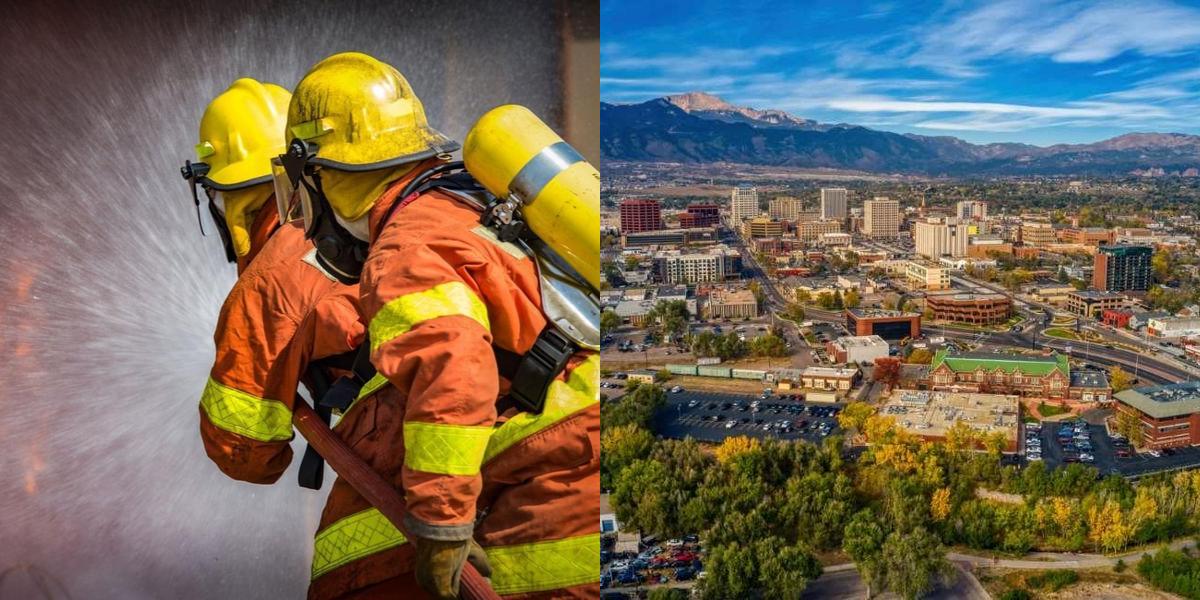
This career path demands an exceptional level of physical fitness, mental fortitude, and a deep sense of camaraderie. Firefighters in Colorado become integral threads in the fabric of their local communities, responding to emergencies that go far beyond fires, including medical calls, technical rescues in rugged terrain, hazardous material incidents, and public education. The lifestyle is defined by rotating shifts, often 24-hours long, fostering a unique family dynamic within firehouses. It’s a career that intertwines directly with the Colorado spirit of preparedness, outdoor appreciation, and a strong community bond, offering a purpose-driven existence for those called to serve.
Core Prerequisites and Initial Steps
Embarking on the journey to become a firefighter in Colorado requires meticulous preparation and meeting a series of fundamental prerequisites. These foundational steps ensure candidates possess the basic knowledge, skills, and physical readiness necessary for the rigors of the profession.
Educational Foundations
The bedrock of a firefighting career typically begins with formal education and essential certifications. While a bachelor’s degree isn’t always mandatory for entry-level positions, it can significantly enhance a candidate’s competitiveness and open doors to advancement opportunities.
Most departments in Colorado require applicants to possess a high school diploma or GED equivalent. Beyond this, becoming an Emergency Medical Technician (EMT) is paramount. The vast majority of emergency calls firefighters respond to are medical in nature, making EMT Basic certification an indispensable qualification. Many departments even prefer or require EMT-Paramedic certification, particularly in busier urban areas like the Denver metropolitan area. Prospective candidates can obtain EMT certification through community colleges or specialized training centers across the state.
Crucially, aspiring firefighters must also achieve Firefighter I and Firefighter II certifications. These industry-standard certifications demonstrate proficiency in fundamental firefighting techniques, safety protocols, and equipment operation. These are typically earned through a certified fire academy, either independently or as part of a department’s hiring process. Some community colleges in Colorado offer accredited fire science programs that integrate these certifications, providing a structured pathway into the profession.
Physical and Mental Readiness
The physical demands of firefighting are immense and relentless, making rigorous physical preparation non-negotiable for a sustainable lifestyle in this profession. The Candidate Physical Ability Test (CPAT) is the standardized physical assessment used by most fire departments to evaluate a candidate’s strength, stamina, and agility. This challenging test simulates real-life firefighting tasks, including stair climbs, hose drags, equipment carries, ladder raises, and more, all while wearing a weighted vest. Success in the CPAT is a critical hurdle that demonstrates a candidate’s ability to perform the essential job functions. Many training facilities across Colorado offer CPAT preparation courses and testing opportunities.
Beyond physical prowess, candidates must also meet a range of other fundamental requirements. These include being at least 18 years old, holding a valid Colorado driver’s license with a clean driving record, and often passing a comprehensive background check. This background check scrutinizes criminal history, driving records, and personal references to ensure integrity and trustworthiness. Drug screenings and thorough medical examinations are standard procedures to confirm candidates are free from conditions that could impede their performance or jeopardize safety. Mental fortitude is also assessed through psychological evaluations, ensuring candidates possess the resilience, judgment, and emotional stability required to handle high-stress, traumatic situations inherent in the firefighter lifestyle.
Navigating the Application and Selection Process
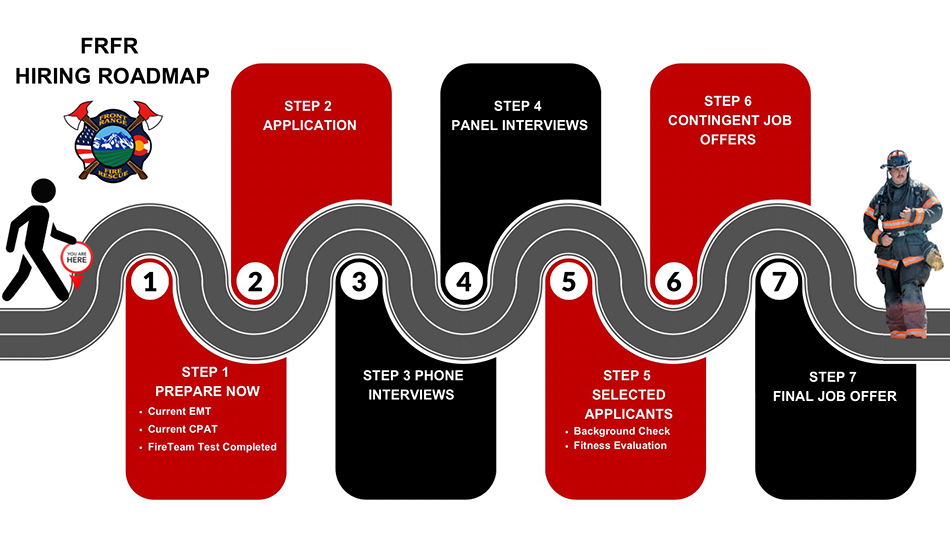
Once the foundational requirements are met, the next phase involves strategically navigating the competitive application and selection process specific to fire departments across Colorado. Each department, from the largest municipal forces to smaller volunteer crews, has its unique hiring cycles and procedures, making thorough research essential for aspiring firefighters seeking to integrate into the Colorado community.
Researching Departments
Colorado boasts a diverse array of fire departments, each with its own culture, operational focus, and hiring timeline. Understanding these distinctions is key to finding the right fit for your lifestyle and career aspirations. Larger municipal departments, such as the Denver Fire Department, Colorado Springs Fire Department, or Aurora Fire Rescue, typically serve denser urban populations, handle a high volume of calls, and may offer more specialized units. They often have structured, less frequent hiring cycles that can be highly competitive.
Conversely, suburban departments in areas like Boulder, Fort Collins, or Lakewood might offer a different blend of urban and wildland challenges. Rural departments, such as Summit Fire & EMS in the mountains or smaller district departments on the Eastern Plains, frequently deal with extensive wildland-urban interface (WUI) fires and may rely more heavily on volunteer or part-time staff, offering different entry points.
Prospective candidates should regularly monitor department websites, sign up for job alerts, and attend recruitment events to stay informed about application windows and specific requirements. Networking with current firefighters can also provide invaluable insights into department culture and expectations, helping you align your personal lifestyle goals with departmental values.
The Gauntlet of Testing
The selection process is designed to rigorously evaluate candidates, ensuring that only the most qualified and dedicated individuals are chosen to protect Colorado’s communities. This typically involves several stages of testing:
- Written Exams: These assessments often cover a broad range of subjects, including reading comprehension, mechanical aptitude, mathematical reasoning, and situational judgment. Many exams also include behavioral components designed to assess qualities like teamwork, integrity, and stress management, all crucial for the firefighter lifestyle.
- Oral Interviews: Successful candidates will proceed to a series of interviews, often beginning with a panel interview consisting of officers and human resources personnel. These interviews evaluate communication skills, problem-solving abilities, motivation, and how well a candidate aligns with the department’s values. Later stages might include a Chief’s interview, which is a final opportunity to demonstrate commitment and suitability for the role.
- Polygraph and Psychological Evaluations: Given the immense trust placed in firefighters and the psychological toll of the job, these evaluations are standard. Polygraph tests assess honesty and integrity, while psychological evaluations use a combination of tests and interviews with licensed professionals to gauge mental stability, coping mechanisms, and overall fitness for duty in high-stress environments. These steps ensure that individuals entering the profession are not only skilled but also possess the mental resilience to thrive within the demanding firefighter lifestyle.

The Fire Academy and Beyond
Successfully navigating the application process culminates in acceptance to a fire academy—a transformative experience that solidifies the foundation for a career in service and fully immerses recruits into the firefighter lifestyle. This intensive training period prepares individuals not just for the technical aspects of the job, but also for the unique culture and camaraderie of the fire service.
A Colorado fire academy, whether run by a specific department or an independent training facility, is a demanding crucible. Recruits undergo rigorous physical conditioning, mental discipline, and extensive hands-on training. They learn critical skills such as hose management, ladder operations, search and rescue techniques, hazardous materials response, vehicle extrication, and structural firefighting tactics. Emphasis is placed not only on individual proficiency but also on seamless teamwork, communication under pressure, and strict adherence to safety protocols. The academy environment fosters a strong sense of family and mutual reliance, mirroring the close-knit bonds found within a firehouse. Graduates emerge with their Firefighter I and II certifications, ready to embark on their probationary period.
Upon graduating from the academy, new firefighters typically enter a probationary period, which can last anywhere from six months to two years. During this time, they work under the direct supervision of experienced officers and firefighters, applying their academy knowledge in real-world situations. This is a critical phase for integrating into the department’s operational rhythm and further developing practical skills. Performance is continually evaluated, and successful completion of probation signifies full integration into the department.
The lifestyle of a Colorado firefighter is one of continuous learning and professional development. Given Colorado’s unique geographical challenges, specialization in areas like wildland firefighting, high-angle rescue, swift water rescue, or specialized hazardous materials operations is common and often encouraged. Departments offer ongoing training to keep skills sharp and introduce new techniques and technologies. Many firefighters pursue advanced certifications, such as paramedic licensure, or leadership roles, further deepening their expertise and commitment to public safety.
Beyond the daily calls and training, the firefighter lifestyle in Colorado is deeply connected to community. Firefighters often participate in public education programs, station tours, charity events, and local initiatives, strengthening the bond between the department and the residents they serve. It is a career choice that offers a profound sense of purpose, challenges individuals to their limits, and provides the unparalleled satisfaction of knowing you are making a tangible difference in the lives of others within the vibrant communities of Colorado.
LifeOutOfTheBox is a participant in the Amazon Services LLC Associates Program, an affiliate advertising program designed to provide a means for sites to earn advertising fees by advertising and linking to Amazon.com. Amazon, the Amazon logo, AmazonSupply, and the AmazonSupply logo are trademarks of Amazon.com, Inc. or its affiliates. As an Amazon Associate we earn affiliate commissions from qualifying purchases.