
The allure of the Sunshine State is undeniable. With its sun-drenched beaches, vibrant theme parks, and diverse cultural tapestry, Florida beckons to many. But what if you dream of reaping the benefits of Florida residency – perhaps tax advantages, eligibility for in-state tuition, or simply a stronger connection to this popular destination – without the commitment of actually living there full-time? While the concept might sound like a paradox, the reality is that Florida law offers several avenues for establishing residency without necessitating a permanent physical presence. This guide will delve into these possibilities, exploring how you can navigate the nuances of residency requirements and unlock the advantages of being a Florida resident, even if your primary abode lies elsewhere. We’ll examine the key factors that Florida considers when determining residency, and outline practical steps and considerations for those seeking this unique status.
Understanding Florida’s Residency Requirements
The crucial element in becoming a Florida resident lies in demonstrating your intent to make Florida your permanent home. Florida, like many states, has specific criteria it uses to evaluate this intent, and it’s not solely about the number of days you spend within its borders. The state looks for a combination of factors that indicate you’ve severed ties with your previous domicile and established a new one in Florida. This is particularly relevant for individuals who travel extensively, own property in multiple locations, or have fluctuating living arrangements.
The Florida Department of Revenue outlines the primary tests for residency. The most common are the “Physical Presence Test” and the “90-Day Rule,” but these are often insufficient on their own for those who don’t reside in Florida full-time. For individuals in your situation, the focus shifts to proving your intent through a variety of actions and declarations. This means establishing a substantial connection to the state that goes beyond a vacation or a temporary stay.
The Declaration of Domicile
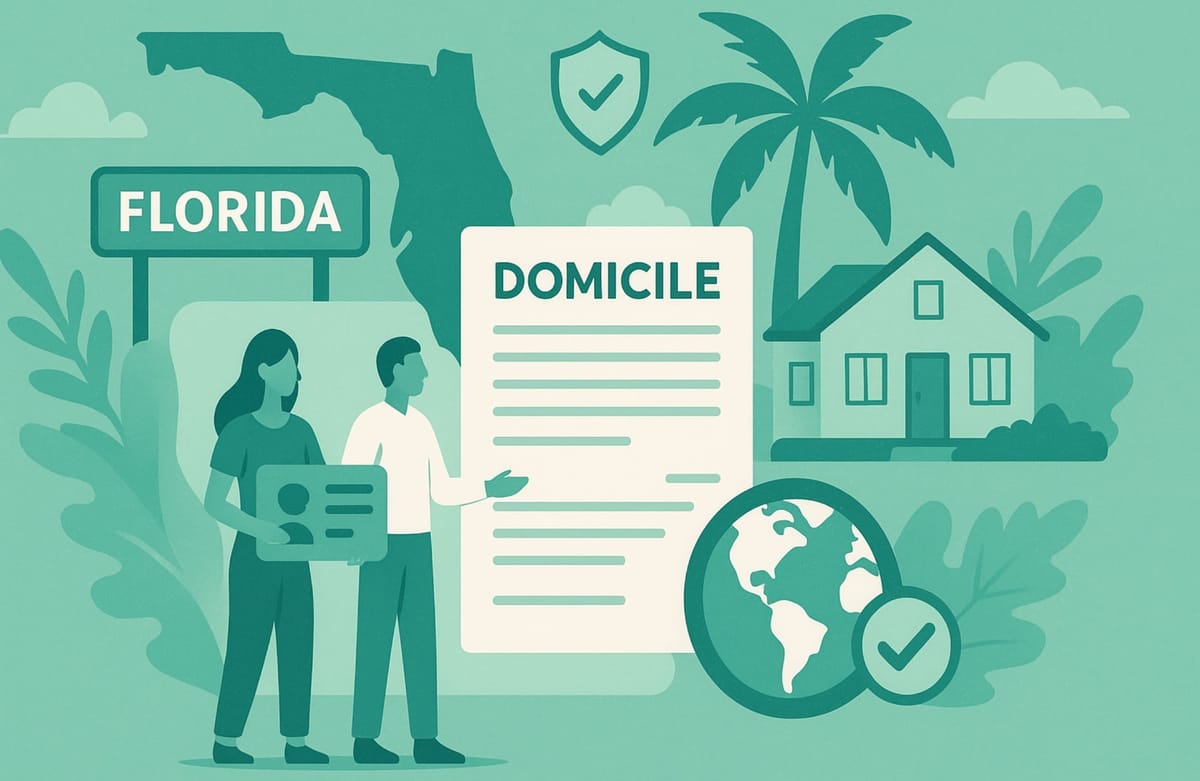
One of the most potent tools at your disposal is the “Declaration of Domicile.” This is a legal document that you file with the Clerk of the Circuit Court in the Florida county where you intend to establish residency. By filing this declaration, you are formally stating under oath that you are establishing your permanent home in Florida and intend to return there whenever you are absent. This document carries significant weight in demonstrating your intent, even if you are frequently out of state for extended periods.
What Constitutes a Declaration of Domicile?
The Declaration of Domicile is more than just a signature on a form. It requires a clear and unequivocal statement of your intention to make Florida your permanent home. When you file this document, you are essentially telling the state and any relevant authorities that Florida is your primary domicile. This declaration is often a prerequisite for other residency-based benefits, such as obtaining a Florida driver’s license without a full physical residency verification, or for certain tax advantages.
Establishing a “Bona Fide” Florida Home
While you may not be living in Florida year-round, the state wants to see that you have a tangible link to it that signifies a genuine, or “bona fide,” connection. This doesn’t necessarily mean owning a large mansion; it can be a modest property or even a long-term rental agreement. The key is that this Florida location is where you intend to return and base your life.
Property Ownership and Rental Agreements
Owning property in Florida, such as a condo in Miami or a villa near Orlando, can be a strong indicator of residency. This demonstrates an investment in the state and a place to call your own. Even if you don’t own, a long-term lease on an apartment or house, especially one that renews annually, can serve the same purpose. The duration and nature of your rental agreement will be considered. A short-term vacation rental, for example, would not carry the same weight as a year-long lease. The intention behind securing this accommodation is paramount. Are you renting it as a base for your Florida activities, or is it merely a temporary lodging for occasional visits?
Severing Ties with Your Previous Domicile
Crucially, to establish a new domicile in Florida, you must demonstrate that you have effectively severed ties with your previous state of residence. This is a critical component of the residency equation. Florida wants to be convinced that you are not trying to maintain residency in two states simultaneously.
Key Indicators of Severed Ties
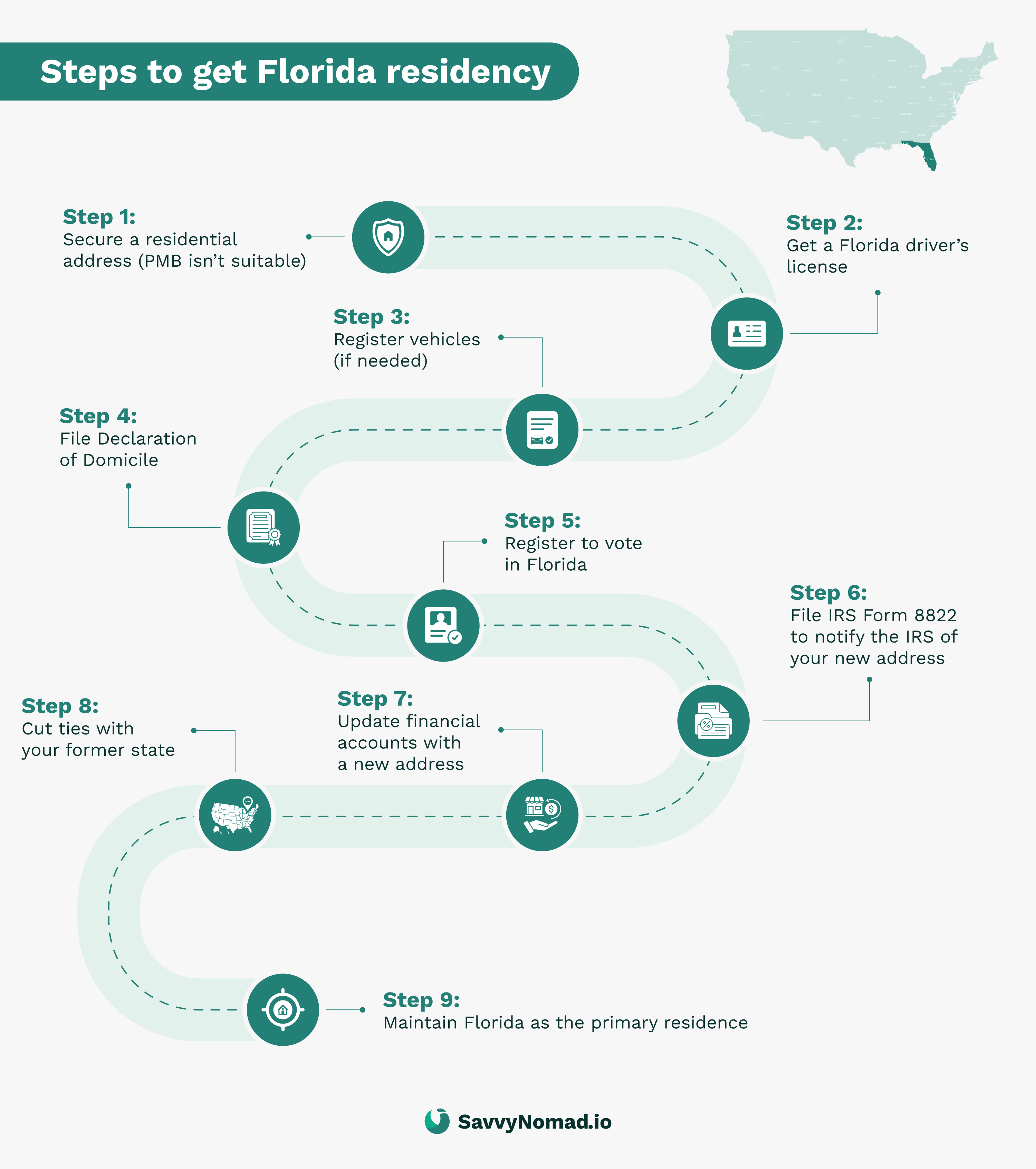
- Voter Registration: If you are registered to vote in another state, this is a significant tie that needs to be broken. Registering to vote in Florida after filing your Declaration of Domicile is a strong step.
- Driver’s License: Holding a valid driver’s license from another state can be problematic. You will need to obtain a Florida driver’s license. This process itself often involves demonstrating some level of Florida residency, so it’s a chicken-and-egg situation that the Declaration of Domicile can help resolve.
- Vehicle Registration: Similar to your driver’s license, registering your vehicle in Florida signifies your commitment to the state.
- Tax Filings: Filing income tax returns in another state is a strong indicator of residency there. You should cease filing as a resident in your previous state and be prepared to file as a resident in Florida if required by your income situation.
- Business Interests: If you own or operate a business primarily in another state, this could be seen as maintaining a domicile there.
- Bank Accounts and Financial Records: While not as definitive as the above, having the majority of your financial activity, including bank accounts, credit cards, and investment accounts, tied to Florida can further support your claim.
- Mail Forwarding: While not a primary indicator, the consistent use of a Florida address for all your mail, rather than forwarding from another state, can be supportive.
Practical Steps to Establishing Florida Residency
Achieving Florida residency without being a full-time resident requires a strategic approach. It’s about meticulously building a case that demonstrates your intent and connection to the state, even if your physical presence is intermittent. The following steps, combined with the legal declarations, will bolster your claim significantly.
Navigating the Legal and Administrative Processes
The initial steps involve understanding the specific legal requirements and initiating the necessary paperwork.
Filing for a Driver’s License or State ID
One of the most tangible ways to demonstrate residency is by obtaining a Florida driver’s license or identification card. When applying, you will typically need to provide proof of identity, date of birth, Social Security number, and Florida residential address. The Declaration of Domicile can be instrumental here, as it serves as a formal declaration of your intended address. You will also need to provide supporting documents that prove your identity and residential address, such as utility bills, lease agreements, or property tax receipts.
Registering to Vote in Florida
As mentioned earlier, registering to vote in Florida is a crucial step in severing ties with your previous domicile and establishing a new one. You can register to vote online, by mail, or in person at a county Supervisor of Elections office. This action unequivocally declares your intent to participate in Florida‘s civic life.
Demonstrating Financial and Personal Ties to Florida
Beyond the legal documentation, you need to showcase a lifestyle and financial commitment that aligns with being a Florida resident. This involves making Florida your financial and personal hub.
Establishing Banking and Financial Connections
Opening bank accounts in Florida and conducting your primary financial transactions there is a significant step. This includes having your primary checking and savings accounts, as well as potentially your investment accounts, managed by Florida-based financial institutions. Your credit card statements should ideally reflect activity primarily within Florida. This demonstrates that Florida is where you manage your finances and where your economic life is centered.
Utilizing Florida Services and Amenities
When you are in Florida, actively engage with the services and amenities available. This could include:
- Medical Care: Establishing a primary care physician in Florida and utilizing their services for your healthcare needs.
- Memberships: Joining local clubs, fitness centers, or community organizations in Florida.
- Utilities: If you own or rent property, ensuring that utility bills (electricity, water, internet) are in your name and paid consistently.
- Professional Services: Utilizing Florida-based professionals for services like legal or accounting needs.
Personal Property and Belongings
While you may not live in Florida full-time, having a significant portion of your personal belongings, such as clothing, furniture, and sentimental items, stored or located at your Florida residence will support your claim. This suggests that Florida is where you keep your possessions and intend to reside when you are in the state.
Special Considerations for Non-Traditional Residents
The concept of becoming a Florida resident without living there full-time is particularly relevant for several groups of people. Understanding these specific scenarios can provide further clarity and guidance.
Snowbirds and Seasonal Residents
The classic example of a non-traditional Florida resident is the “snowbird” – individuals who spend a significant portion of the year in Florida during the colder months and return to their northern homes for the summer. For these individuals, the Declaration of Domicile and the proactive steps outlined above are essential to establish Florida residency for tax purposes, or for accessing benefits available to residents, even if their primary home is technically elsewhere for part of the year. The key is demonstrating that Florida is their preferred domicile, even if they only occupy it seasonally.
Digital Nomads and Frequent Travelers
For digital nomads or individuals who travel extensively for work or pleasure, establishing a permanent home base can be challenging. Florida can be an attractive option due to its favorable tax climate and lifestyle. In these cases, securing a long-term rental or owning a condo in a city like Tampa or Sarasota, coupled with a Declaration of Domicile and the severing of ties with any previous domicile, can be sufficient to meet the state’s residency requirements. The focus remains on proving intent and establishing a clear connection to the state as their primary residence, even if their physical presence is not continuous.

Investors and Property Owners
Individuals who own multiple properties, including one or more in Florida, might seek Florida residency for various reasons, including investment benefits or estate planning. The ownership of property, especially if it is maintained as a primary residence for extended periods during the year and is the address stated on their Declaration of Domicile, can be a cornerstone of their residency claim. It’s crucial that this Florida property is not merely an investment but is treated as their true home base.
In conclusion, becoming a Florida resident without living there full-time is achievable through careful planning and a clear demonstration of intent. By filing a Declaration of Domicile, establishing a bona fide Florida home, and systematically severing ties with your previous domicile, you can successfully navigate the state’s residency requirements. Whether you are a snowbird, a digital nomad, or an investor, Florida offers a pathway to residency that recognizes the diverse lifestyles of today. Remember, the key lies in proving to the state that your heart, your finances, and your intentions are truly rooted in the Sunshine State.
LifeOutOfTheBox is a participant in the Amazon Services LLC Associates Program, an affiliate advertising program designed to provide a means for sites to earn advertising fees by advertising and linking to Amazon.com. Amazon, the Amazon logo, AmazonSupply, and the AmazonSupply logo are trademarks of Amazon.com, Inc. or its affiliates. As an Amazon Associate we earn affiliate commissions from qualifying purchases.