
Embarking on the journey to become a foster parent in California is a profoundly rewarding decision that opens a new chapter in the lives of both adults and children alike. Far more than just providing a roof and meals, foster parenting is about offering stability, love, and a nurturing environment to children who have experienced trauma, displacement, or neglect. It’s a lifestyle choice that deeply enriches families, expanding horizons and fostering a sense of community service. For those living in the diverse landscapes of California, from the bustling metropolises of Los Angeles and San Francisco to the serene valleys and coastal towns, the need for compassionate foster families is immense and constant. This comprehensive guide will illuminate the path, detailing the process, requirements, and the profound impact of becoming a foster parent in the Golden State. It’s an invitation to a unique life experience, a journey of compassion, resilience, and unconditional love that aligns perfectly with a desire to build a more fulfilling and community-oriented lifestyle.
Understanding Foster Care in California: A Vital Community Role
Foster care is a temporary system designed to provide safe, stable, and nurturing homes for children and youth who cannot remain with their biological families. In California, like many states, the reasons children enter foster care are varied, often stemming from abuse, neglect, abandonment, or family crises. The ultimate goal of the foster care system is reunification with the birth family once safety concerns are resolved. If reunification isn’t possible, other permanency options are pursued, such as adoption or guardianship. Foster parents, therefore, play a pivotal role not just in providing daily care but also in supporting these critical transitions, often collaborating with social workers, therapists, and birth families.
The Golden State faces a continuous need for foster parents across all its counties, for children of all ages, backgrounds, and needs. From infants to teenagers, sibling groups to children with special medical or behavioral needs, the demand is diverse. For individuals and families seeking to make a tangible difference and integrate a powerful commitment into their lifestyle, foster parenting offers an unparalleled opportunity to impact a child’s life trajectory positively. The California Department of Social Services (CDSS) oversees the statewide foster care program, working in conjunction with county social services agencies and licensed private Foster Family Agencies (FFAs) to ensure children receive the care they need.
Types of Foster Care Placements
Becoming a foster parent is not a one-size-fits-all commitment; various types of foster care placements cater to different needs and capacities. Understanding these options can help prospective parents decide which path best suits their family’s lifestyle and resources.
- Emergency Foster Care: This is a very short-term placement, often for a few days or weeks, when a child needs immediate removal from an unsafe situation. It requires flexibility and the ability to respond quickly.
- Short-Term Foster Care: Children in short-term foster care are typically awaiting reunification with their birth families or placement with a relative. This period can range from several weeks to several months, focusing on stability while permanency plans are developed.
- Long-Term Foster Care: When reunification or adoption is not immediately feasible, some children may require long-term foster care, staying with a family for an extended period, sometimes until they reach adulthood. This provides a stable, ongoing family environment.
- Foster-to-Adopt: For families interested in adoption, this pathway allows them to foster a child with the understanding that if reunification is not achieved, they may be considered as the adoptive parents. This offers continuity for the child.
- Respite Care: Respite foster parents provide temporary relief for primary foster parents, caring for a child for a weekend or a short period. This is an excellent option for those who want to contribute but cannot commit to full-time fostering.
- Kinship Care: While not traditional “foster care” in the sense of unrelated caregivers, kinship care involves relatives or close family friends caring for children. It’s a preferred option to maintain family connections and cultural ties.
Each type of care offers a distinct experience, allowing prospective foster parents to choose a path that aligns with their capacity, resources, and life aspirations, truly making it a meaningful lifestyle choice.
The Journey to Becoming a Foster Parent in California
The path to becoming a foster parent in California is a structured, comprehensive process designed to ensure the safety and well-being of children and to prepare prospective parents for the unique challenges and rewards of fostering. This journey involves several key stages, from initial inquiry to final approval and placement.
Initial Steps and Eligibility Requirements
The first step in considering foster parenting is to understand the fundamental eligibility criteria set forth by the state of California. These requirements are broad to encourage diverse families to apply but are also specific enough to ensure a safe and supportive home environment.
- Age: You must be at least 18 years old. There is no upper age limit, recognizing that maturity and life experience are invaluable assets.
- Residency: You must be a legal resident of California.
- Income: While you don’t need to be wealthy, you must demonstrate financial stability sufficient to meet your family’s needs without relying solely on the foster care stipend.
- Health: You must be in good physical and mental health, capable of providing care for a child. A medical examination may be required.
- Home Environment: Your home must be safe, clean, and provide adequate space for a child, including a bed for each foster child. Safety measures such as smoke detectors, fire extinguishers, and secured medications/hazardous materials are critical.
- Background Checks: All adults living in the home (typically anyone over 18) must undergo thorough criminal background checks, including fingerprinting. Certain convictions may disqualify applicants.
- References: Personal references from non-relatives will be required to attest to your character and suitability to parent.
- Marital Status/Sexual Orientation: Foster agencies welcome single individuals, married couples, same-sex couples, and individuals from all sexual orientations. Marital status or sexual orientation is not a barrier to becoming a foster parent.
Once you’ve reviewed the basic eligibility, the next step is typically to attend an informational meeting or orientation session. These sessions, offered by county social services agencies or private Foster Family Agencies (FFAs) across California (from Sacramento to San Diego), provide a deeper dive into the foster care system, the needs of children, and the application process. It’s an invaluable opportunity to ask questions and gain clarity. Choosing between a county agency and a private FFA is also an initial decision; FFAs often provide more intensive support and specialized programs, while county agencies directly administer care for children in the county’s custody.
The Application and Approval Process
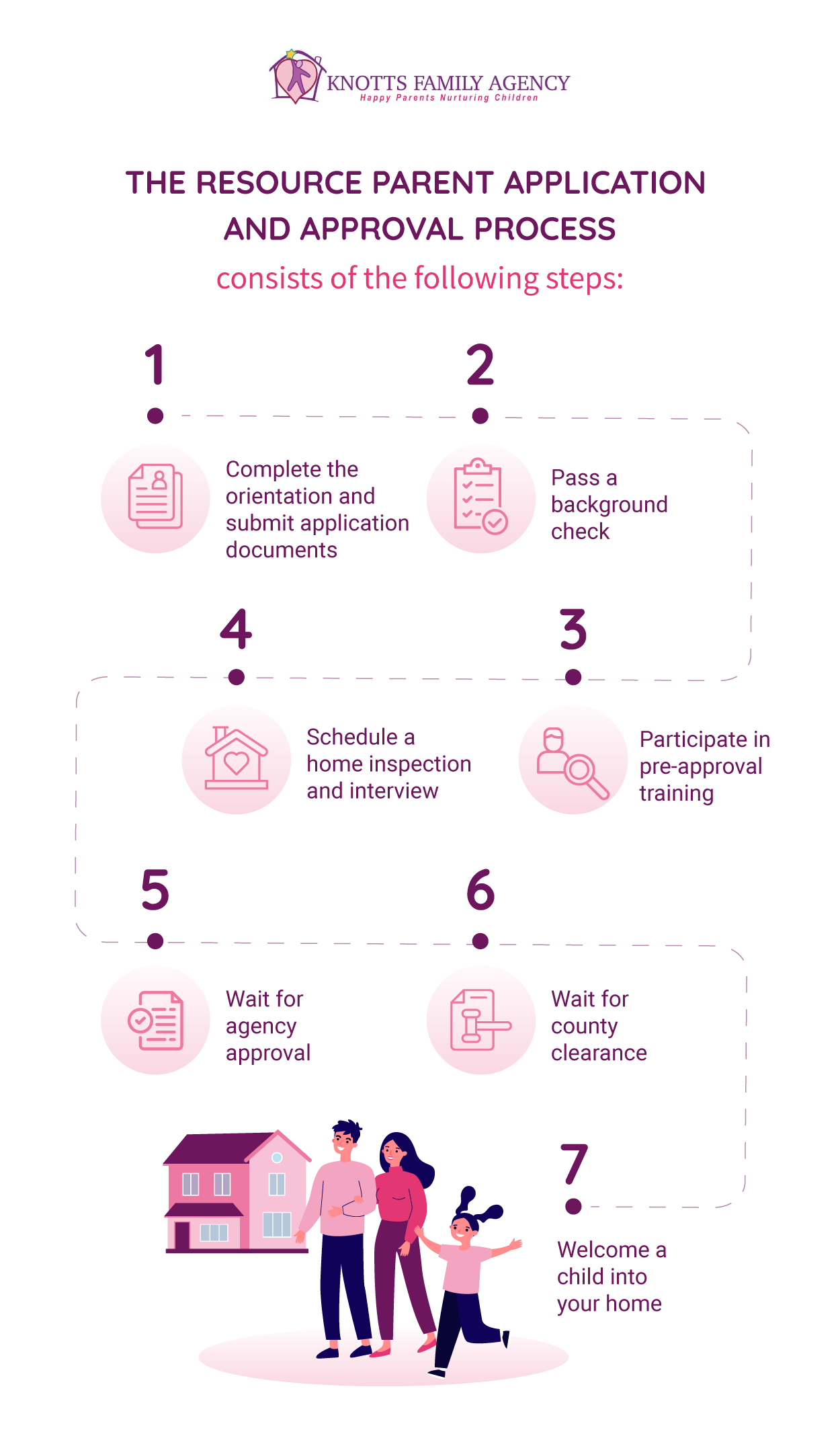
After the initial inquiry, prospective foster parents will formally begin the application process, which is detailed and designed to ensure a comprehensive assessment of their readiness.
- Application Submission: This involves completing detailed paperwork, providing personal information, financial records, medical history, and household composition.
- Home Study: This is a crucial and often the most extensive part of the process. A social worker will conduct multiple visits to your home, interview all household members, and assess the physical environment. The home study is not just an inspection; it’s an in-depth conversation designed to understand your motivations, parenting philosophy, discipline approaches, family dynamics, and preparedness for fostering. It covers safety, stability, financial capacity, and emotional readiness. During these visits, the social worker will also ensure your home meets all safety standards, including childproofing, fire safety, and sanitation.
- Training (Resource Family Approval – RFA): California utilizes the Resource Family Approval (RFA) process, which combines the previous foster family and adoptive home approval processes into one unified, family-friendly approach. RFA includes extensive pre-approval training, typically around 12-20 hours, to equip prospective parents with the skills and knowledge needed to care for children who have experienced trauma. This training often covers topics such as child development, understanding trauma, discipline techniques, cultural competency, and working with birth families and the child welfare system. Parent Resources for Information, Development, and Education (PRIDE) is a widely used curriculum within the RFA process.
- Fingerprinting and Background Checks: As mentioned, all adults in the household undergo Live Scan fingerprinting and comprehensive background checks.
- Medical Clearances: All household members will need medical clearances to ensure good health and absence of communicable diseases.
- Final Review and Approval: Once all documentation is submitted, interviews conducted, home study completed, and training hours met, your application will be reviewed for final approval by the agency. Upon approval, you become a “resource family” ready to accept a placement.
Placement and Ongoing Support
Once approved, your agency will begin the process of matching you with a child or sibling group whose needs you are equipped to meet. This matching process is careful, considering the child’s age, gender, background, and specific needs, as well as your family’s capabilities and preferences.
- Matching and Placement: The agency will contact you with information about a child who may be a good fit. You will have the opportunity to learn about the child’s history and needs before making a decision. When a match is made, the child will be placed in your home.
- Ongoing Support: Becoming a foster parent doesn’t mean you’re on your own. Agencies provide continuous support, including a dedicated social worker, access to support groups, ongoing training opportunities, and financial assistance (stipends) to help cover the costs of caring for a foster child. California offers robust resources, from mental health services to educational support, ensuring foster children and families thrive. Counties from the Bay Area to the Central Valley are dedicated to supporting their resource families.
The Lifestyle of a Foster Family: Challenges and Rewards
Integrating a foster child into your family is a profound lifestyle shift, bringing with it a unique blend of challenges and unparalleled rewards. It’s an experience that expands empathy, resilience, and love within a family unit.
Foster children often arrive with complex histories, having experienced trauma, loss, and instability. This can manifest in various ways, including behavioral issues, developmental delays, and emotional struggles. Foster parents need patience, understanding, and a commitment to learning trauma-informed care strategies. Navigating the child welfare system, working with biological families, and attending court hearings and appointments are also part of the foster parenting lifestyle. This requires significant time, emotional energy, and a willingness to be an advocate for the child. While the challenges are real, they are often overshadowed by the immense satisfaction and growth experienced.
The rewards of foster parenting are deeply personal and transformative. Witnessing a child heal, grow, and thrive under your care is an incredibly powerful experience. Providing a safe haven, celebrating small victories, and knowing you’ve made a tangible difference in a child’s life journey are the true treasures of fostering. Many foster families find that their own children develop greater empathy and a stronger sense of community responsibility. The connections formed, the love shared, and the impact made on a child’s future are invaluable, contributing to a truly rich and meaningful family lifestyle. From Orange County to the San Joaquin Valley, foster families across the state attest to the life-changing nature of this commitment.

Important Resources and Ongoing Support in California
California is committed to supporting its foster families, recognizing their critical role in the welfare of the state’s children. A robust network of resources is available to assist foster parents throughout their journey.
- County Social Services Agencies: Each county, such as those in Riverside, San Bernardino, or Fresno, has a social services department responsible for administering foster care programs. They provide social workers, case management, and access to local resources.
- Foster Family Agencies (FFAs): Private FFAs are licensed by the state and often offer more intensive support, specialized training, and therapeutic services for children with particular needs. They can be an excellent option for families seeking a higher level of guidance.
- Financial Assistance: Foster parents receive a monthly stipend to help cover the costs associated with caring for a foster child, including food, clothing, and other necessities. This stipend varies based on the child’s age and specific needs. Foster children also typically receive Medi-Cal for healthcare coverage.
- Support Groups: Connecting with other foster parents is invaluable. Many agencies and non-profit organizations facilitate support groups where foster parents can share experiences, seek advice, and build a community of understanding.
- Training and Education: Ongoing training is available and often encouraged, helping foster parents to continuously enhance their skills in areas like trauma-informed care, managing challenging behaviors, and navigating educational systems.
- Advocacy Organizations: Several non-profit organizations in California advocate for foster children and support foster families, offering additional resources, legal aid, and mentorship.
Becoming a foster parent in California is more than just a process; it’s an invitation to a transformative lifestyle. It’s a journey of profound impact, offering stability and love to children in need while enriching the lives of the caregivers themselves. The commitment is significant, but the rewards—in the form of a child’s smile, their progress, and the knowledge that you’ve provided a lifeline—are immeasurable. For those ready to open their hearts and homes, California stands ready to support you every step of the way on this incredible life experience.
LifeOutOfTheBox is a participant in the Amazon Services LLC Associates Program, an affiliate advertising program designed to provide a means for sites to earn advertising fees by advertising and linking to Amazon.com. Amazon, the Amazon logo, AmazonSupply, and the AmazonSupply logo are trademarks of Amazon.com, Inc. or its affiliates. As an Amazon Associate we earn affiliate commissions from qualifying purchases.