
Embarking on a career as a Game Warden in Texas is not just a job; it’s a calling for those passionate about wildlife conservation, public safety, and the rugged beauty of the Lone Star State. This demanding yet incredibly rewarding profession places you at the forefront of protecting Texas’s vast natural resources and ensuring responsible outdoor recreation. If you’ve ever dreamt of patrolling sprawling ranches, vast forests, and pristine waterways, this guide will illuminate the path to becoming a Texas Game Warden.
The Texas Parks and Wildlife Department (TPWD) is the state agency responsible for managing and protecting wildlife, fisheries, and state parks, and their Game Wardens are the frontline enforcers of conservation laws. Their duties are diverse, ranging from enforcing hunting and fishing regulations to investigating poaching, assisting in search and rescue operations, educating the public, and protecting endangered species. It’s a lifestyle that demands dedication, physical fitness, and a deep understanding of Texas’s natural heritage.

The Foundation: Education and Eligibility Requirements
Before you can even consider donning the iconic Stetson of a Texas Game Warden, there are fundamental prerequisites you must meet. The TPWD has stringent requirements designed to ensure that only the most qualified and dedicated individuals are selected for this critical role. Understanding and diligently fulfilling these criteria is the first, crucial step in your journey.
Academic Achievements: Building Your Knowledge Base
A cornerstone of becoming a Game Warden is a solid educational background. The TPWD requires applicants to possess a Bachelor’s degree from an accredited college or university. While a degree in a field directly related to wildlife, such as wildlife management, biology, ecology, or environmental science, is highly advantageous and will provide a strong foundation, it is not always strictly mandatory. However, a degree in any discipline demonstrates the ability to complete rigorous academic work, a key indicator of the discipline required for the warden role.
Beyond the basic degree, coursework that covers topics like law enforcement principles, criminal justice, and Texas game and fish laws will significantly bolster your application and preparedness. Many aspiring wardens pursue degrees that offer a blend of scientific and practical knowledge, preparing them for the multifaceted nature of the job. This academic groundwork ensures you have the theoretical understanding necessary to interpret and enforce complex wildlife regulations.
Age and Citizenship: Meeting the Basic Criteria
Like many law enforcement positions, there are age and citizenship requirements for Texas Game Wardens. Applicants must be at least 21 years of age at the time of their appointment and no older than 45 years of age. This age range ensures that candidates have reached legal maturity and possess sufficient life experience, while also considering the physical demands of the job and potential retirement timelines.
Furthermore, U.S. citizenship is a mandatory requirement. You must be a citizen of the United States to be considered for the position. This is a standard requirement for most law enforcement roles within the United States.
Physical and Mental Fitness: The Demands of the Field
The role of a Game Warden is physically demanding and often takes place in challenging outdoor environments. Candidates must be in excellent physical condition to perform the duties of the job, which can include extensive walking, hiking, swimming, and operating in various weather conditions. A thorough physical examination will be part of the selection process to ensure you can meet these demands.
Equally important is mental fortitude. Game Wardens often work independently, make critical decisions under pressure, and may encounter dangerous situations. A strong sense of integrity, good judgment, and the ability to remain calm and professional in all circumstances are paramount. The selection process will include psychological evaluations to assess your suitability for the stresses and responsibilities of the role.
Driving Record and Criminal Background: Ensuring a Clean Slate
A clean driving record is essential, as Game Wardens are frequently on the road, patrolling vast territories. A history of serious traffic violations or DUIs can disqualify an applicant. Similarly, a spotless criminal background is non-negotiable. Any felony convictions or serious misdemeanor offenses will prevent you from becoming a Game Warden. The TPWD conducts thorough background checks to ensure that all candidates meet the highest standards of trustworthiness and integrity.
The Path to Enforcement: Training and Selection
Once you meet the initial eligibility requirements, the rigorous selection and training process begins. This phase is designed to weed out candidates who are not fully prepared for the demanding nature of the job and to equip those who are selected with the necessary skills and knowledge.
The Application and Selection Process: A Competitive Journey
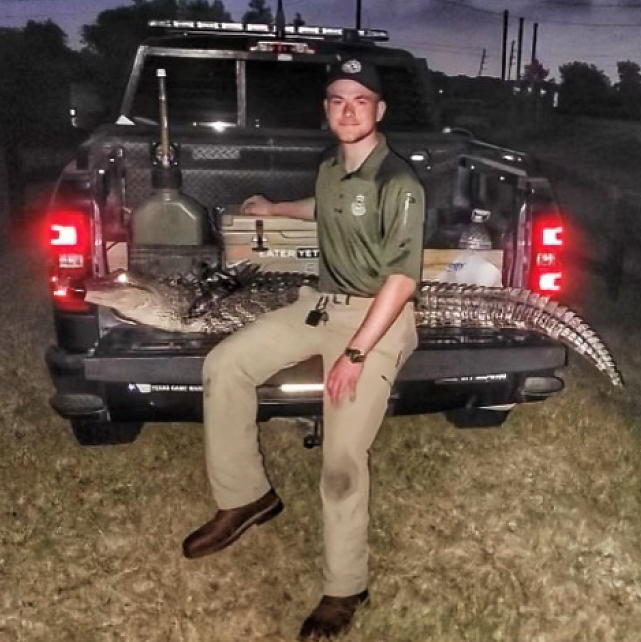
The application process for a Game Warden position in Texas is highly competitive. When openings are announced by the TPWD, you will need to submit a detailed application, which will be meticulously reviewed. If your application passes the initial screening, you will then undergo a series of evaluations. These typically include written examinations to assess your knowledge, skills, and abilities; physical fitness tests to gauge your stamina and strength; and oral interviews to evaluate your communication skills, problem-solving abilities, and overall suitability for the role.
Throughout this process, candidates will be assessed on their understanding of Texas wildlife laws, their commitment to conservation, and their ability to uphold the ethical standards of the profession. It’s a comprehensive evaluation designed to identify individuals who possess the dedication, aptitude, and character necessary to serve effectively as a Game Warden.
The Game Warden Training Academy: Mastering the Craft
Successful candidates will then be invited to attend the prestigious Texas Game Warden Training Academy. This intensive program is typically held at the Best Western Plus Hill Country Inn in Georgetown, Texas, a location well-suited for the practical training exercises. The academy is a critical phase where recruits receive comprehensive instruction in various aspects of their future role.
The curriculum covers a wide array of subjects, including:
- Law Enforcement Procedures: Trainees learn about arrest procedures, search and seizure laws, evidence collection, and courtroom testimony. This ensures they can perform their duties effectively and within legal boundaries.
- Wildlife and Fisheries Laws: In-depth study of Texas’s hunting, fishing, and wildlife protection laws is crucial. This knowledge is fundamental to enforcing regulations and ensuring the sustainable use of natural resources.
- Firearms and Defensive Tactics: Proficiency with firearms and the ability to defend oneself and others are essential. Rigorous training in marksmanship and tactical maneuvers is provided.
- Patrol Techniques and Investigations: Recruits learn effective methods for patrolling diverse terrains, conducting investigations into violations, and gathering intelligence.
- Boating and Vehicle Operations: Many Game Wardens utilize boats and specialized vehicles for their patrols, so training in their safe and effective operation is included.
- First Aid and Emergency Response: Game Wardens are often the first on the scene in remote areas, so knowledge of first aid and emergency response protocols is vital.
- Public Relations and Education: A significant part of a Game Warden’s job involves interacting with the public, educating them about wildlife and conservation, and building community trust. This aspect of the training is crucial for fostering positive relationships.
The academy is designed to be challenging, both physically and mentally, preparing recruits for the realities they will face in the field. Graduates emerge with the skills, knowledge, and discipline required to serve as effective Game Wardens.
Field Training: Applying Knowledge in the Real World
Upon graduation from the academy, new Game Wardens enter a period of field training. This essential phase allows them to apply the knowledge and skills acquired during their academy studies under the guidance of experienced mentors. They will be assigned to various regions of Texas, gaining practical experience in diverse ecological zones and communities, from the vast plains of West Texas to the dense forests of East Texas and the coastal regions of the Gulf Coast.
Field training is where the theoretical becomes practical. New wardens learn the nuances of local wildlife populations, patrol strategies specific to their assigned areas, and how to effectively interact with landowners and the public. This immersive experience is invaluable in developing the confidence and competence needed to perform their duties independently. It’s a period of intense learning and adaptation, solidifying their readiness for the responsibilities of a seasoned Game Warden.
The Life of a Texas Game Warden: Beyond the Badge
Becoming a Texas Game Warden means embracing a lifestyle that is as unique as the landscapes you will protect. It’s a career defined by its autonomy, its connection to nature, and its profound impact on conservation efforts across the state. While the badge signifies authority, it also represents a deep commitment to the wild heart of Texas.
A Career of Autonomy and Responsibility
One of the defining characteristics of a Game Warden’s career is the significant degree of autonomy. Wardens are often entrusted with managing their patrol areas, planning their routes, and making independent decisions in the field. This freedom comes with immense responsibility. You are the primary law enforcement presence in often remote locations, tasked with upholding the law, ensuring public safety, and protecting wildlife. This requires a high degree of self-discipline, initiative, and sound judgment.
Protecting Texas’s Natural Treasures
The core mission of a Game Warden is to safeguard Texas’s diverse natural resources. This includes monitoring wildlife populations, enforcing hunting and fishing regulations to prevent overharvesting, investigating cases of poaching, and protecting endangered species. Wardens play a vital role in ensuring the long-term health and sustainability of Texas’s ecosystems, from the iconic Big Bend National Park to the teeming waters of Lake Texoma. Their work directly contributes to preserving the natural beauty and biodiversity that makes Texas so special.
Community Engagement and Public Education
Beyond enforcement, Game Wardens are educators and community ambassadors. They often work with landowners, hunters, anglers, and the general public to promote responsible outdoor ethics and conservation practices. This can involve giving presentations at schools, conducting workshops, and providing guidance on wildlife management. Building trust and fostering a shared commitment to conservation within communities is a crucial aspect of their role, ensuring that the protection of wildlife is a collective effort.
The Reward of a Meaningful Career
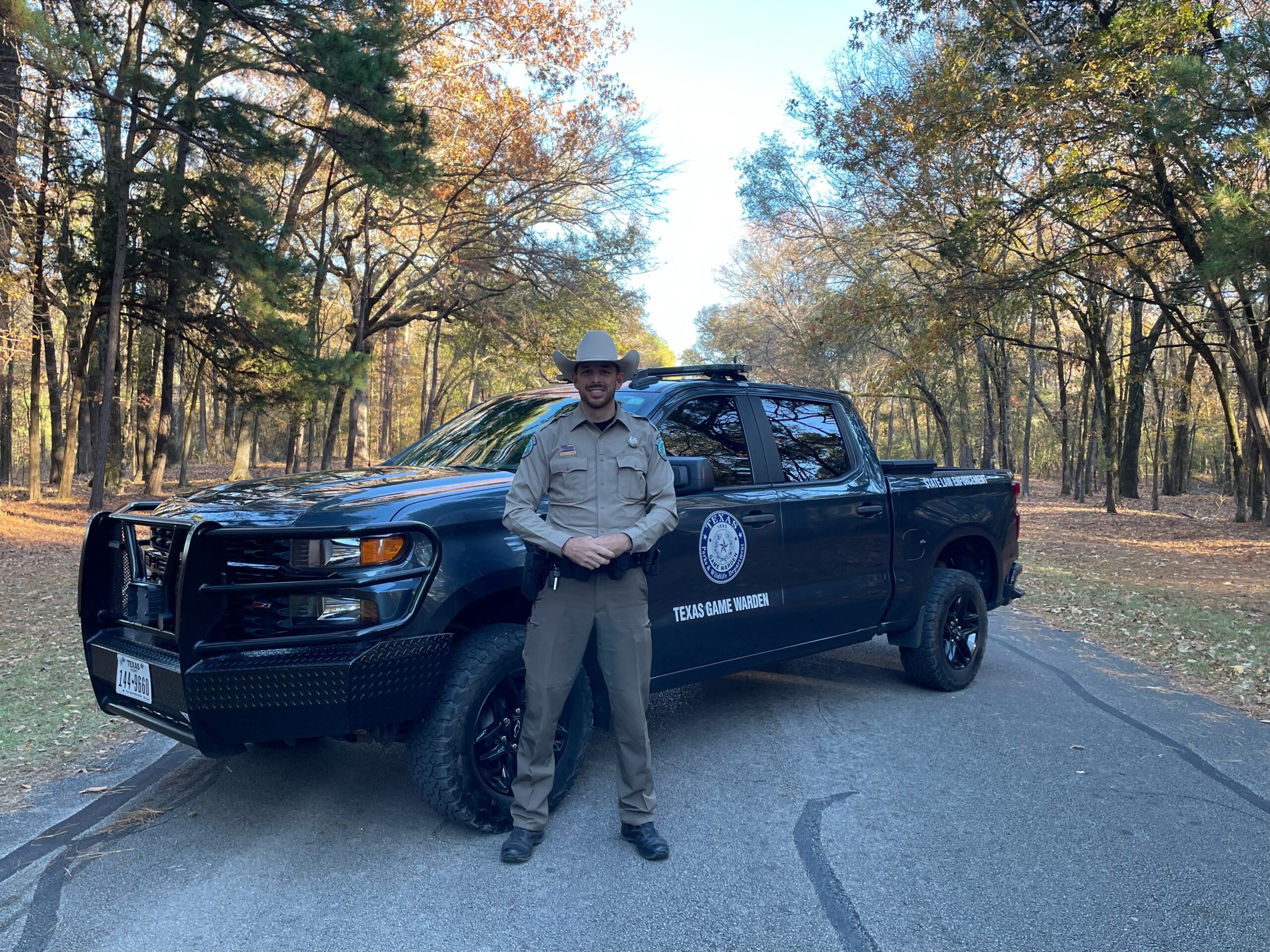
The challenges of being a Game Warden are undeniable: long hours, often unpredictable schedules, and demanding physical and emotional conditions. However, the rewards are equally profound. The opportunity to spend your days outdoors, immersed in the natural beauty of Texas, and to make a tangible difference in preserving its wildlife and habitats, is a unique and deeply fulfilling experience. It is a career for those who are driven by passion, dedicated to service, and possess an unwavering respect for the natural world. For many, it’s not just a job, but a way of life, a chance to contribute to something larger than oneself.
LifeOutOfTheBox is a participant in the Amazon Services LLC Associates Program, an affiliate advertising program designed to provide a means for sites to earn advertising fees by advertising and linking to Amazon.com. Amazon, the Amazon logo, AmazonSupply, and the AmazonSupply logo are trademarks of Amazon.com, Inc. or its affiliates. As an Amazon Associate we earn affiliate commissions from qualifying purchases.