
Understanding the Louisiana Real Estate Commission (LREC) Requirements
Embarking on a career as a real estate agent in Louisiana requires a thorough understanding of the governing body, the Louisiana Real Estate Commission (LREC), and its stringent requirements. The LREC is dedicated to protecting the public interest by ensuring that all real estate licensees are competent, honest, and trustworthy. Adhering to their guidelines is the foundational step for anyone aspiring to operate within this dynamic industry.
Pre-Licensing Education
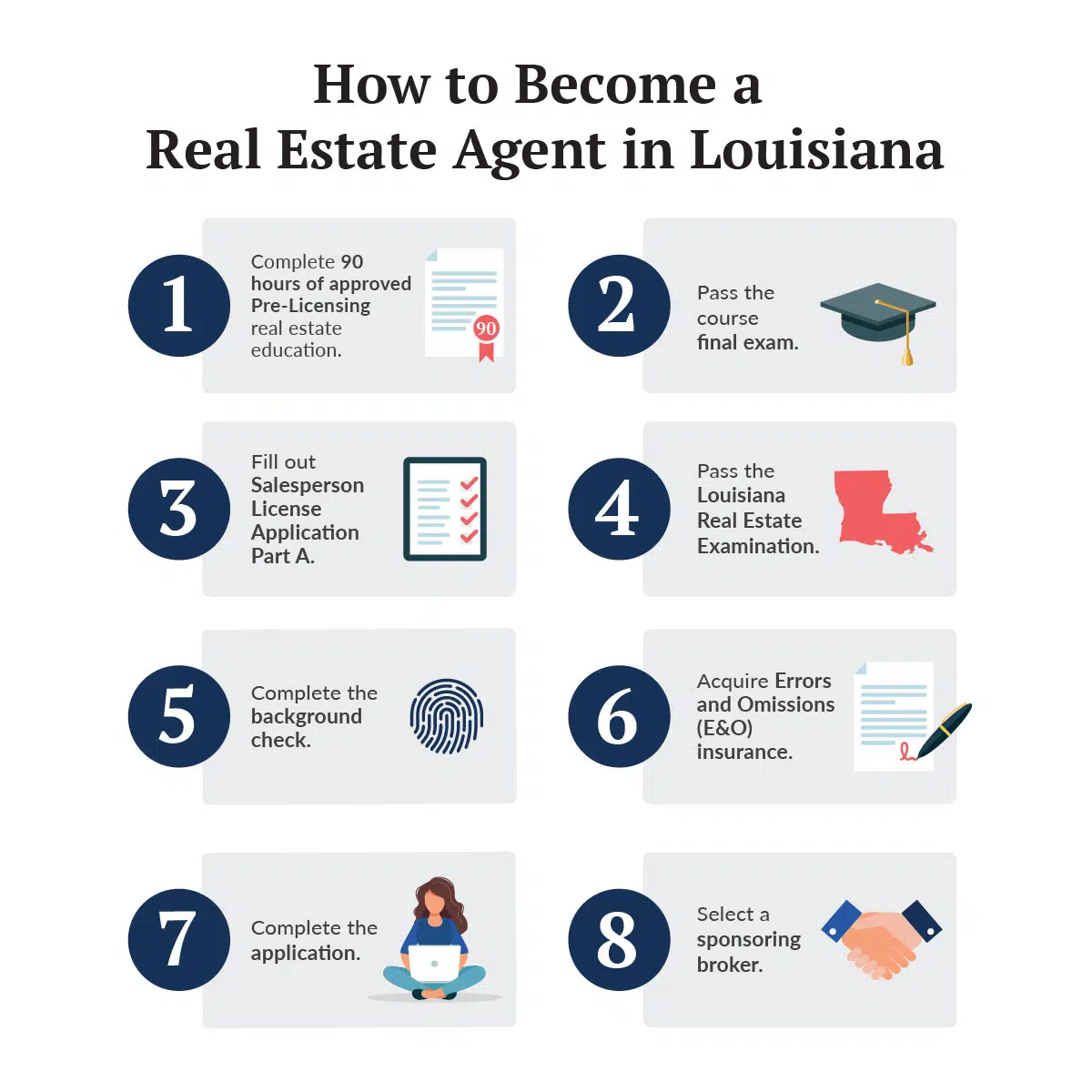
The journey begins with fulfilling the mandatory pre-licensing education. Aspiring real estate agents in Louisiana must successfully complete a 90-hour pre-licensing course approved by the LREC. This comprehensive curriculum is designed to equip individuals with the fundamental knowledge and skills necessary to navigate the complexities of real estate transactions. The course typically covers a broad spectrum of topics, including:
- Real Estate Principles and Practices: This section delves into the core concepts of real estate, such as property types, ownership rights, property descriptions, and market analysis.
- Louisiana Real Estate Law: A crucial component, this module focuses on the specific laws and regulations governing real estate transactions within the state. It covers topics like agency relationships, contracts, deeds, mortgages, and property disclosure requirements.
- Real Estate Finance: Understanding financing options available to buyers and sellers is paramount. This part of the course explores mortgage lending, loan types, and the process of obtaining financing.
- Real Estate Ethics and Fair Housing: Ethical conduct and adherence to fair housing laws are non-negotiable. This section emphasizes the importance of integrity, professional responsibility, and preventing discrimination.
- Property Management: For those interested in property management, this module provides an overview of landlord-tenant laws, lease agreements, and the responsibilities associated with managing properties.
- Real Estate Appraisal: Basic principles of property valuation and appraisal methods are covered to help agents understand how properties are valued in the market.
The pre-licensing education can be completed through various LREC-approved providers, offering flexibility in terms of delivery methods. Options often include in-person classroom settings, online courses, or a hybrid approach. It is vital to select a reputable school that ensures comprehensive coverage of the required material and prepares students thoroughly for the licensing exam.
The Licensing Examination
Upon successful completion of the pre-licensing education, the next critical hurdle is passing the Louisiana Real Estate Salesperson Examination. This standardized test is administered by the LREC and assesses an individual’s understanding of real estate principles and Louisiana laws. The exam is divided into two sections: a national portion and a state-specific portion.
- National Portion: This section covers general real estate knowledge that is applicable across the country, including principles of law, contracts, finance, and market analysis.
- State Portion: This segment specifically tests knowledge of Louisiana real estate laws, regulations, and practices, ensuring that licensees are well-versed in the unique legal framework of the state.
Candidates are typically given a set amount of time to complete the exam, and a passing score is required for licensure. It is highly recommended to utilize study guides, practice exams, and review materials provided by the pre-licensing school or other reputable sources to prepare adequately for this crucial examination. Many aspiring agents find that reviewing the LREC’s Candidate Handbook is an invaluable step in understanding the exam format and content.
Navigating the Application and Sponsorship Process
Once the educational requirements are met and the licensing exam is successfully passed, the aspiring agent must navigate the formal application process and secure sponsorship from a licensed Louisiana real estate broker. This stage involves submitting all necessary documentation to the LREC and establishing a professional affiliation that is legally required to practice real estate in the state.
The Application for Licensure
The application for a Louisiana Real Estate Salesperson License is a detailed process. It requires the applicant to provide personal information, educational transcripts, and proof of passing the licensing examination. Additionally, applicants must undergo a background check, which typically includes fingerprinting and a review of criminal history. The LREC uses this information to ensure that all licensees meet the high standards of integrity and trustworthiness expected of real estate professionals.
It is essential to complete the application accurately and honestly. Any misrepresentation or omission of information can lead to delays, denial of the license, or even disciplinary action. The LREC website provides the most up-to-date application forms and instructions, which should be meticulously reviewed before submission. Applicants should also be prepared to pay the required licensing fees at this stage.
Securing a Sponsoring Broker
In Louisiana, an individual cannot practice real estate independently as a salesperson. They must be sponsored by and work under the supervision of a licensed Louisiana real estate broker. The sponsoring broker is responsible for the salesperson’s activities and ensures that they conduct their business in compliance with LREC regulations.
Finding a suitable sponsoring broker is a critical step in launching a real estate career. Aspiring agents should seek brokers who offer:
- Mentorship and Training: A good brokerage will provide ongoing training, support, and mentorship to help new agents develop their skills and build their business.
- A Positive Work Environment: The culture of the brokerage significantly impacts an agent’s success and job satisfaction. Look for a collaborative and supportive team.
- Adequate Resources and Technology: Access to up-to-date technology, marketing tools, and resources can be invaluable for a new agent.
- A Strong Reputation: Aligning with a reputable brokerage enhances credibility and can attract clients.
Prospective agents should network with established professionals, attend industry events, and research different brokerages to find the best fit. Once a sponsoring broker is identified, they will typically assist with the final steps of the application process, including signing off on the salesperson’s license application.
Building Your Real Estate Career in Louisiana
Obtaining a real estate license is the gateway to a career in property transactions, but sustained success in Louisiana hinges on continuous learning, strategic networking, and a commitment to client service. The initial licensing is just the beginning of a journey that requires dedication, adaptability, and a proactive approach to business development.
Developing Essential Skills and Knowledge
The real estate market is constantly evolving, influenced by economic trends, local development, and changing consumer preferences. To thrive, agents must commit to ongoing professional development. This includes staying abreast of market statistics, new regulations, and emerging technologies.
- Market Analysis: Developing a keen understanding of local market trends, including property values, inventory levels, and buyer demand, is crucial for advising clients effectively. Agents should regularly study data from sources like the New Orleans Metropolitan Association of Realtors or regional MLS services.
- Sales and Negotiation: Mastering sales techniques and negotiation strategies is paramount. This involves understanding client needs, presenting properties effectively, and skillfully navigating offers and counter-offers to achieve favorable outcomes.
- Marketing and Branding: Creating a strong personal brand and implementing effective marketing strategies are essential for attracting clients. This can include online presence, social media marketing, content creation, and local advertising.
- Client Relationship Management: Building and maintaining strong relationships with clients is the cornerstone of a successful real estate business. This involves excellent communication, attentive service, and a genuine commitment to their satisfaction.
Networking and Building a Referral Base
A significant portion of a real estate agent’s business often comes from referrals. Therefore, actively building and nurturing a professional network is indispensable.
- Industry Connections: Forge relationships with other real estate agents, brokers, lenders, inspectors, appraisers, contractors, and title companies. These connections can lead to co-listing opportunities, reciprocal referrals, and valuable professional support.
- Community Engagement: Become an active member of the local community. Participating in local events, joining civic organizations, and supporting local businesses can raise your profile and generate leads. Consider volunteering with organizations in areas like Baton Rouge or Shreveport.
- Client Referrals: Provide exceptional service to every client. Satisfied clients are your best advocates and are more likely to refer friends, family, and colleagues. Consider implementing a system to thank clients and request referrals.

Embracing Technology and Continuing Education
The real estate industry has been transformed by technology. Agents who embrace digital tools and platforms will gain a competitive edge.
- Online Presence: Develop a professional website, maintain active social media profiles, and leverage online advertising platforms to reach a wider audience.
- CRM Systems: Utilize Customer Relationship Management (CRM) software to manage client interactions, track leads, and automate marketing efforts.
- Virtual Tours and Digital Marketing: Offer virtual tours and high-quality digital marketing materials to showcase properties effectively, especially for clients who may not be local to areas like Lafayette.
- Continuing Education: Beyond the initial licensing, agents are required to complete continuing education (CE) courses to maintain their license. The LREC mandates a certain number of CE hours every two years. These courses offer opportunities to deepen knowledge, learn about new trends, and network with peers. Topics can range from advanced contract law to sustainable building practices.
By diligently pursuing these avenues, new real estate agents in Louisiana can lay the groundwork for a rewarding and prosperous career in this ever-evolving profession. The commitment to professionalism, continuous learning, and client satisfaction will be the true drivers of long-term success.
LifeOutOfTheBox is a participant in the Amazon Services LLC Associates Program, an affiliate advertising program designed to provide a means for sites to earn advertising fees by advertising and linking to Amazon.com. Amazon, the Amazon logo, AmazonSupply, and the AmazonSupply logo are trademarks of Amazon.com, Inc. or its affiliates. As an Amazon Associate we earn affiliate commissions from qualifying purchases.