
The allure of the Sunshine State is undeniable. With its pristine beaches, vibrant cities, world-class attractions, and a lifestyle that beckons millions, Florida has long been a magnet for tourists, retirees, and new residents alike. This constant influx of people creates a dynamic and ever-evolving real estate market, making a career as a realtor in Florida not just a job, but a gateway to a thriving profession deeply intertwined with travel, lifestyle, and investment opportunities. For those drawn to the prospect of helping others find their dream home, secure a lucrative investment property, or even discover the perfect long-term accommodation in this paradise, understanding the path to becoming a licensed real estate agent is the first crucial step.
This comprehensive guide will walk you through the journey, from initial requirements to ongoing professional development, while also exploring how a real estate career in Florida offers a unique vantage point into the state’s diverse landscapes, vibrant tourism sector, and various lifestyle choices.
Why A Real Estate Career In The Sunshine State?
A career in real estate in Florida offers more than just the opportunity to facilitate property transactions; it’s a chance to immerse yourself in a diverse economy fueled by tourism, an attractive lifestyle, and a steady demand for accommodation of all types. The state’s unique geographical position, coupled with its pro-business environment, has fostered a robust property market that appeals to a wide range of buyers, from those seeking luxury vacation homes to families looking for a permanent residence.
The Allure of Florida Living and Investment
Florida’s appeal is multifaceted. For many, it’s the promise of year-round sunshine, an active outdoor lifestyle, and an abundance of natural beauty, from the tranquil waters of the Gulf Coast to the lively shores of the Atlantic Coast. This desirability directly translates into a strong real estate market. People are constantly moving to Florida, whether for retirement, job opportunities, or simply to embrace the warmer climate and vibrant cultural scene.
Beyond residential sales, the state is a prime destination for real estate investment. The booming tourism industry creates significant demand for vacation rentals, short-term accommodation, and investment properties, particularly in hot spots like Orlando, home to Disney World and Universal Studios, and coastal cities like Miami and Fort Lauderdale. Realtors here often specialize in connecting investors with properties that cater to the millions of visitors seeking temporary stays, creating a lucrative niche directly linked to the state’s travel and tourism sectors. From luxury condos overlooking the ocean to cozy villas near theme parks, the range of properties available for investment is as diverse as the state itself. Understanding the different types of hotels, resorts, apartments, and even long-term stay options available in various regions can be a significant asset for a Florida realtor.
Diverse Real Estate Markets Across the State
Florida isn’t a monolithic entity; its real estate markets are as varied as its landscapes. South Florida, including vibrant cities like Miami and Palm Beach, is known for its luxury properties, international clientele, and bustling urban environments, often showcasing stunning architecture and high-end lifestyle amenities. The Art Deco Historic District in Miami Beach is a testament to its unique blend of history and modernity.
Central Florida, centered around Orlando and Tampa, thrives on its family-friendly attractions, growing tech industry, and accessible suburban living. Here, realtors might help clients find properties close to theme parks or assist with the burgeoning demand for rental properties along famous thoroughfares like International Drive. The west coast, encompassing cities like St. Petersburg, Sarasota, and Naples, offers a more relaxed pace, renowned beaches like Siesta Key and Clearwater Beach, and a strong retirement community, often featuring waterfront homes and golf course communities.
Meanwhile, North Florida, with cities like Jacksonville and historic areas like Amelia Island, blends Southern charm with coastal living, offering a different market dynamic. Even the remote beauty of the Florida Keys, stretching down to Key West, presents unique challenges and opportunities for specialized real estate, often dealing with vacation homes and eco-tourism driven properties. A successful Florida realtor understands these regional nuances, allowing them to cater to specific lifestyle preferences and investment goals, whether it’s a quiet beachfront villa, a bustling city apartment, or a serene rural escape.
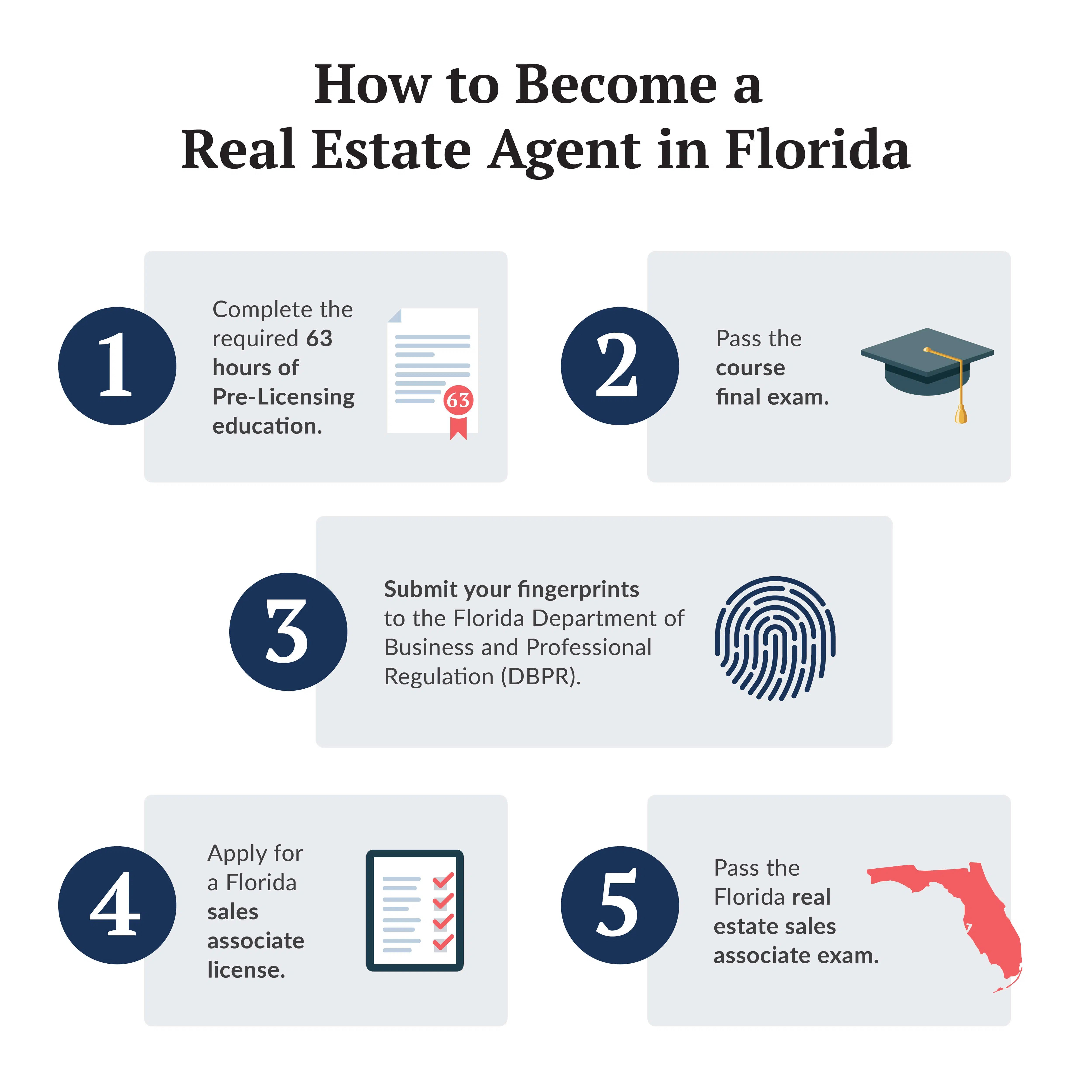
Navigating the Path to Licensure: Your Step-by-Step Guide
Embarking on a real estate career in Florida requires navigating a clear, structured path set by the state’s regulatory bodies. This process ensures that all licensed realtors possess the necessary knowledge, ethical understanding, and professional competence to serve clients effectively in a complex and competitive market.
Meeting the Core Requirements
Before you can even begin your pre-licensing education, you must meet a few fundamental eligibility criteria established by the Florida Real Estate Commission (FREC), which operates under the Department of Business and Professional Regulation (DBPR). These include:
- Age Requirement: You must be at least 18 years old.
- Education: A high school diploma or its equivalent (GED) is required.
- Social Security Number: A valid U.S. Social Security number is mandatory for licensing.
- Honesty and Integrity: You must possess good moral character. This involves disclosing any prior criminal history, regardless of whether adjudication was withheld or if the record was sealed or expunged. FREC reviews these disclosures on a case-by-case basis. It’s crucial to be transparent during your application process, as failure to disclose can lead to rejection or revocation of your license.
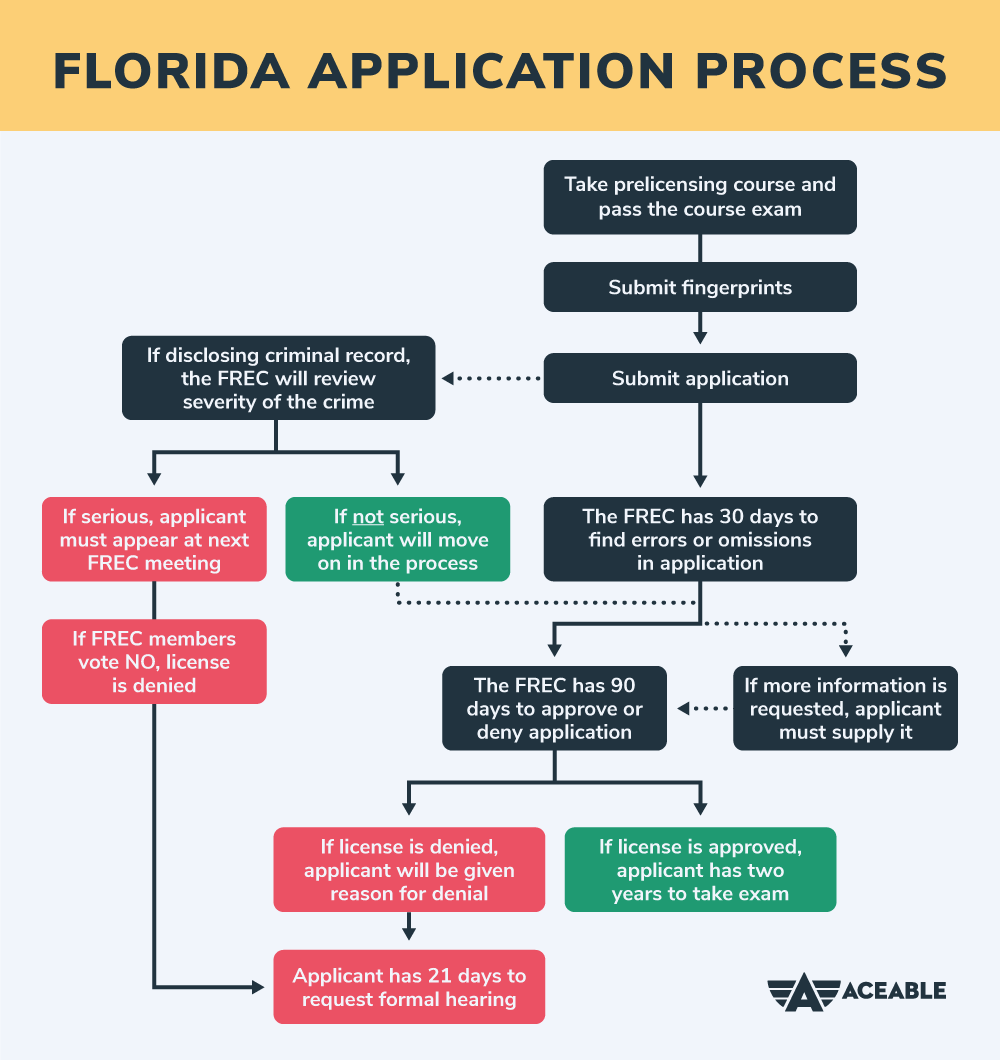
Once these basic requirements are met, you can proceed to the educational phase, which is designed to equip you with the foundational knowledge needed to succeed.
Mastering Your Pre-Licensing Education
The heart of your initial training lies in completing the mandatory 63-hour Sales Associate Pre-License Course. This comprehensive course covers a wide array of topics essential for real estate professionals in Florida, including:
- Florida Real Estate Law: Understanding the statutes and regulations unique to property transactions in Florida, from contract law to agency relationships. This includes specific laws related to coastal properties, environmental regulations, and historical preservation in landmark areas.
- Real Estate Principles and Practices: Fundamental concepts of real estate, property rights, types of estates, and forms of ownership.
- Real Estate Math: Practical calculations related to commissions, closing costs, property taxes, and mortgage payments.
- Valuation and Appraisal: Methods for determining property value, critical for both buyers and sellers.
- Property Management: An introduction to managing rental properties, a significant aspect of Florida’s market given its popularity for vacation rentals and investment accommodation.
- Fair Housing Laws: Ensuring ethical and non-discriminatory practices in all transactions, crucial for serving Florida’s diverse population and visitors.
The course is typically offered by FREC-approved real estate schools, which can be found across the state or online. Upon successful completion of the course, you must pass an end-of-course exam, which usually requires a score of 70% or higher. This ensures you have absorbed the material sufficiently before moving on to the state licensing exam. Many students choose online courses for their flexibility, allowing them to balance their studies with existing work or travel commitments.
Conquering the State Exam
After successfully completing your pre-licensing education and passing the school’s end-of-course exam, the next significant hurdle is the Florida Real Estate Sales Associate Examination. This is a rigorous, state-administered test designed to assess your understanding of real estate principles, practices, and Florida-specific laws.
- Application to DBPR: Before scheduling your exam, you must submit your application to the Department of Business and Professional Regulation (DBPR) for licensure. This application includes your educational certificate and undergoes a background check. The approval process can take some time, so it’s advisable to apply while you are nearing the end of your pre-licensing course.
- Exam Content: The state exam is 100 questions, multiple-choice, and you’ll have 3.5 hours to complete it. It covers topics from the 63-hour course, with a significant emphasis on Florida real estate law.
- Passing Score: A score of 75% or higher is required to pass.
- Retakes: If you don’t pass on your first attempt, you can retake the exam as many times as necessary, though you’ll need to pay the exam fee each time. It’s highly recommended to take a refresher course or engage in focused study after a failed attempt to improve your chances.
Passing the state exam is the final step in securing your initial licensure. Once passed, you will officially be a licensed Florida Sales Associate. However, your journey doesn’t end there; finding a sponsoring broker is the immediate next step to activate your license and begin practicing real estate.
Beyond the License: Building a Thriving Real Estate Career
Obtaining your license is a monumental achievement, but it’s just the beginning. The real estate profession is one of continuous learning, adaptation, and relationship building. To truly thrive, especially in a dynamic market like Florida’s, ongoing education and strategic specialization are key.
Post-Licensing and Continuing Education
Florida mandates additional education to ensure real estate professionals remain current with laws, market trends, and best practices.
- First Renewal (Post-Licensing Education): Within your first renewal period (before your license expires for the first time), you must complete a 45-hour post-licensing course. This course delves deeper into practical aspects of real estate, negotiation, marketing, and legal compliance. Failure to complete this course will result in your license becoming null and void, requiring you to start the entire licensing process over.
- Subsequent Renewals (Continuing Education): After completing your post-licensing education, subsequent renewals require 14 hours of continuing education every two years. This typically includes a 3-hour core law update and 11 hours of specialty education, allowing you to focus on areas that enhance your particular business model, such as commercial real estate, property management, or even specializing in international buyers who are often drawn to Florida’s investment opportunities. This commitment to ongoing learning ensures that Florida realtors are always at the forefront of the industry, able to advise clients on everything from the latest luxury travel accommodation trends to the intricacies of purchasing a vacation rental near a popular landmark.
Specializing and Networking in Florida’s Market
Florida’s diverse real estate landscape offers numerous opportunities for specialization. Consider areas that align with the lifeoutofthebox.com themes:
- Vacation & Investment Properties: Given Florida’s tourism industry, specializing in vacation homes, short-term rentals, or commercial properties like boutique hotels or resorts can be highly profitable. You could become an expert in markets around Orlando (theme parks), Key West (tourism), or coastal areas like Sanibel Island and Naples (beachfront retreats). This allows you to work with clients interested in both personal use and income-generating assets, bridging the gap between accommodation and investment.
- Luxury Real Estate: Miami, Palm Beach, and Naples are hubs for luxury properties. This niche requires a different level of service, networking, and understanding of high-end lifestyle amenities.
- Relocation Services: With many people moving to Florida, assisting families and individuals with their relocation needs, from finding suitable housing to understanding local communities and amenities, is a growing sector.
- Commercial Real Estate: Florida’s growing economy supports robust commercial property markets, including office spaces, retail establishments, and industrial properties, often crucial for tourism-related businesses.
Networking is paramount. Join local real estate boards and associations (e.g., National Association of Realtors, Florida Realtors), attend industry events, and connect with other professionals, including lenders, inspectors, and contractors. Building a strong professional network will not only provide you with valuable leads and referrals but also offer mentorship and support in your career journey. Engaging with local tourism boards or hotel associations can also provide unique insights and connections.
The Realtor Lifestyle: More Than Just Transactions
Becoming a realtor in Florida is more than just a job; it’s an embrace of a unique lifestyle, deeply intertwined with the very essence of what makes the state a global destination. It’s a career that offers flexibility, potential for significant earnings, and the inherent satisfaction of helping people achieve their dreams in a truly special place.
Exploring Florida Through Your Profession
As a Florida realtor, your “office” often extends beyond four walls. You’ll spend time exploring different neighborhoods, from the historic charm of St. Augustine to the modern skyscrapers of Miami. You’ll visit various properties, from quaint bungalows in beach towns to sprawling estates near natural landmarks like Everglades National Park or the unique ecosystem of Dry Tortugas National Park. You’ll uncover hidden gems, discover the nuances of different communities, and gain an intimate understanding of what makes each corner of the state unique.
This hands-on exploration provides an unparalleled education in Florida’s geography, culture, and lifestyle offerings. You’ll become an expert not just in properties, but in destinations, attractions, and local experiences. This allows you to serve your clients not just as a property agent, but as a knowledgeable guide to their new life or investment venture in Florida, whether they are looking for a bustling nightlife, a serene natural escape, or a family-friendly environment close to attractions. You’ll be able to compare booking options for local accommodations, provide insights into the pros and cons of long-term vs. short-term stays in different areas, and even recommend the best local food spots, becoming a true lifestyle consultant. You might find yourself showing a beachfront condo with stunning views of the Atlantic one day and a charming historic home in a quaint Gulf Coast town the next. You’re not just selling houses; you’re selling dreams and lifestyles.

The Impact on Accommodation and Tourism
The role of a realtor in Florida is intricately linked to the state’s thriving tourism and accommodation sectors. You’ll often work with clients who are purchasing vacation homes, short-term rentals, or even properties intended for conversion into bed and breakfasts or boutique hotels. This means understanding the dynamics of the tourism market, including peak seasons, popular destinations, and the demand for various types of accommodation, from luxury resorts to budget-friendly apartments.
Furthermore, many people who initially visit Florida as tourists fall in love with the lifestyle and decide to make it their permanent home. Realtors are often the first point of contact for these individuals, guiding them from transient experiences to long-term residency. You help facilitate the transition from booking a temporary hotel suite to owning a piece of the Florida dream. By comparing various properties and understanding the unique amenities that different areas offer, realtors directly influence where people choose to settle, thus shaping communities and local economies.
A career as a realtor in Florida is a dynamic journey that blends professional expertise with the vibrant energy of one of the world’s most sought-after destinations. It’s a path for those who are driven, passionate about helping others, and eager to make their mark in a constantly evolving and exciting market that promises endless opportunities for growth, exploration, and success. From the moment you begin your pre-licensing course to the countless transactions that will define your career, you will be part of the living, breathing story of the Sunshine State.
LifeOutOfTheBox is a participant in the Amazon Services LLC Associates Program, an affiliate advertising program designed to provide a means for sites to earn advertising fees by advertising and linking to Amazon.com. Amazon, the Amazon logo, AmazonSupply, and the AmazonSupply logo are trademarks of Amazon.com, Inc. or its affiliates. As an Amazon Associate we earn affiliate commissions from qualifying purchases.