
Navigating the pathway to becoming a Registered Nurse (RN) in the state of Texas is a rewarding journey, demanding dedication, specific educational milestones, and adherence to regulatory requirements. The Lone Star State boasts a robust healthcare system with a continuous demand for skilled and compassionate nursing professionals. This guide outlines the essential steps, from initial education to licensure, empowering aspiring nurses to achieve their professional goals.
The Foundation: Educational Pathways to Registered Nursing
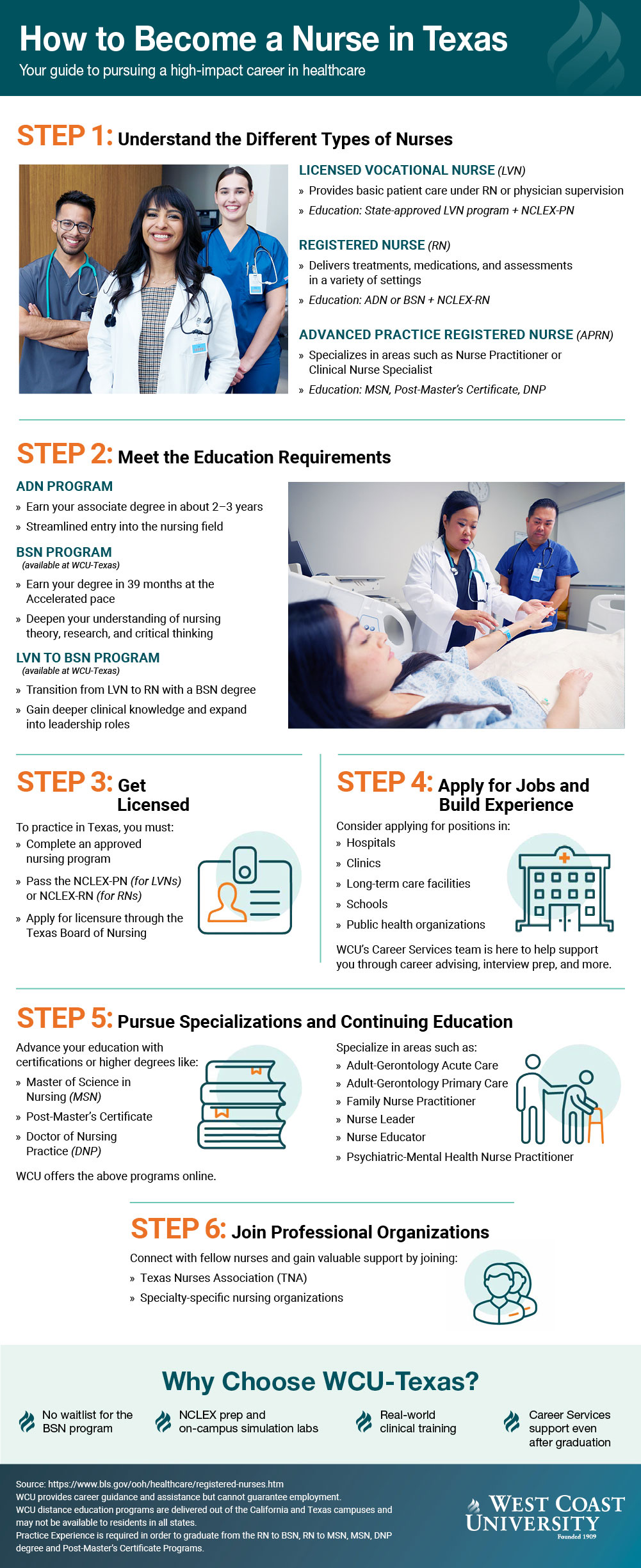
The cornerstone of becoming a Registered Nurse in Texas lies in acquiring the appropriate nursing education. Aspiring RNs have several accredited educational pathways available, each leading to a degree recognized by the Texas Board of Nursing (BON).
Associate Degree in Nursing (ADN)
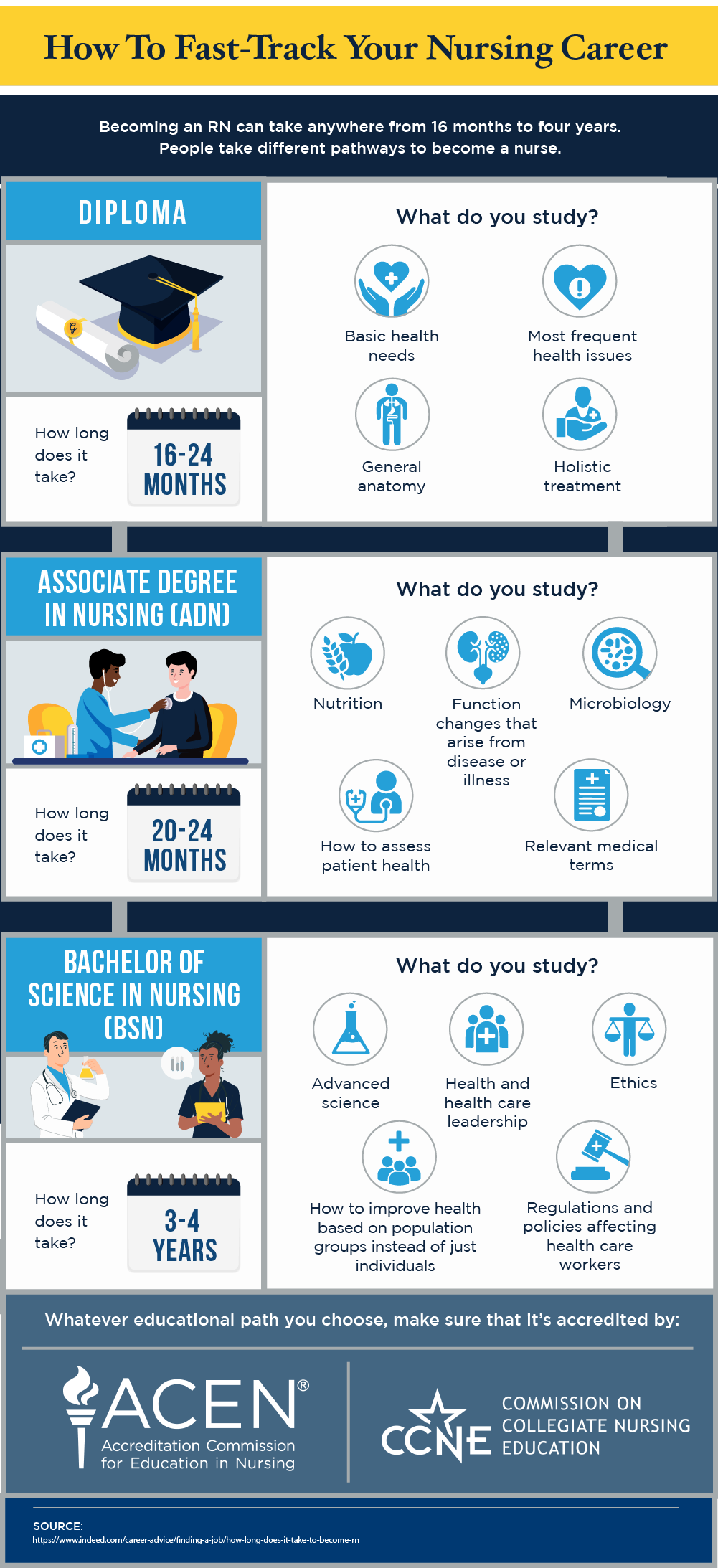
The Associate Degree in Nursing (ADN) is a popular entry-level option, typically a two-year program offered by community colleges and some technical schools. This curriculum provides a solid foundation in nursing theory and clinical practice, preparing graduates for direct patient care roles. ADN programs often include coursework in anatomy, physiology, pharmacology, medical-surgical nursing, pediatrics, and psychiatric nursing, alongside extensive hands-on clinical experience in various healthcare settings. Graduates of ADN programs are well-equipped to sit for the NCLEX-RN examination and begin their careers in hospitals, clinics, and long-term care facilities across Texas.
Bachelor of Science in Nursing (BSN)
The Bachelor of Science in Nursing (BSN) is a four-year undergraduate degree program. While it also prepares graduates for licensure as RNs, a BSN offers a broader scope of education, incorporating more in-depth studies in leadership, research, community health, and critical thinking. Many healthcare employers, particularly larger hospitals and Magnet® recognized facilities, increasingly prefer or require BSN-prepared nurses due to their advanced preparation and potential for leadership roles. BSN programs provide a comprehensive understanding of patient care, health promotion, disease prevention, and the application of evidence-based practice. Graduates are highly sought after for their comprehensive skill set and readiness for diverse nursing roles, including management and specialized practice areas.
Accelerated and LPN to RN Pathways
For individuals with prior healthcare experience or a related degree, accelerated Bachelor of Science in Nursing (ABSN) programs offer a faster route to earning a BSN. These programs are designed for those who already hold a bachelor’s degree in another field or are licensed practical nurses (LPNs) or licensed vocational nurses (LVNs) seeking to advance their careers. LPN to RN (or LVN to RN) bridge programs allow current licensed practical/vocational nurses to build upon their existing knowledge and skills, transitioning to the registered nurse role with specialized coursework and clinical experiences. These pathways are crucial for addressing the nursing shortage and providing career advancement opportunities within the profession.
The Licensure Process: Meeting the Texas Board of Nursing Requirements
Once an accredited nursing education program is successfully completed, aspiring RNs must then meet the stringent requirements set forth by the Texas Board of Nursing to obtain their license. This process involves several key steps designed to ensure that only competent and qualified individuals are granted the privilege of practicing as registered nurses.
Application for Licensure by Examination
The primary pathway to becoming an RN in Texas is through licensure by examination. This requires submitting a formal application to the Texas Board of Nursing, which includes personal information, educational background, and any relevant employment history. Applicants must also undergo a criminal background check, which involves fingerprinting and submission to a state and federal law enforcement agency. The BON reviews all applications to ensure candidates meet the statutory and regulatory requirements for licensure.
The NCLEX-RN Examination

The National Council Licensure Examination for Registered Nurses (NCLEX-RN) is a standardized test administered by the National Council of State Boards of Nursing (NCSBN). This comprehensive examination assesses a candidate’s knowledge, skills, and abilities to provide safe and effective nursing care. The NCLEX-RN uses a computer adaptive testing (CAT) format, meaning the difficulty of questions adjusts based on the test-taker’s performance. Passing the NCLEX-RN is a mandatory requirement for all aspiring RNs in Texas and indeed, across the United States. Candidates must register with Pearson VUE, the official testing vendor for the NCLEX, and pay the required examination fees. The Texas Board of Nursing will only issue a license once confirmation of a passing score is received from the NCSBN.
Background Checks and Good Moral Character
A crucial aspect of the licensure process in Texas involves demonstrating good moral character. The Texas Board of Nursing conducts thorough background checks to identify any past criminal convictions or disciplinary actions that may impact an individual’s fitness to practice nursing. Applicants are required to disclose any such history on their application, and the BON will review each case individually. Honesty and transparency throughout this process are paramount. Failure to disclose relevant information can lead to denial of licensure. The BON’s primary concern is public safety, and therefore, they carefully evaluate all information pertaining to an applicant’s character and conduct.
Maintaining Licensure: Continuing Education and Professional Practice
Obtaining an RN license is a significant achievement, but it is not the end of the journey. To practice nursing in Texas, RNs must maintain their licensure through ongoing professional development and adherence to ethical standards.
Continuing Education Requirements
The Texas Board of Nursing mandates that RNs complete a specific number of continuing education (CE) hours to renew their licenses. These requirements are designed to ensure that nurses remain current with the latest advancements in healthcare, best practices, and evolving professional standards. Typically, RNs must complete a set number of CE hours every two years, with certain courses focusing on specific areas such as safe medication administration, professional boundaries, or human trafficking prevention. Approved CE providers offer a wide range of courses, allowing nurses to tailor their professional development to their specialty areas and interests. Staying informed about the specific CE requirements and approved providers is essential for timely license renewal.
Professional Responsibilities and Ethical Practice
Registered Nurses in Texas are bound by a code of ethics and professional conduct established by the Texas Board of Nursing and professional nursing organizations. This includes maintaining patient confidentiality, advocating for patient rights, providing competent and compassionate care, and practicing within the scope of their licensure. RNs are expected to uphold the highest standards of integrity, honesty, and accountability in all aspects of their professional practice. Adherence to these principles not only ensures quality patient care but also protects the reputation and public trust in the nursing profession. Any deviation from these ethical and professional standards can result in disciplinary action by the BON.
Career Opportunities for Registered Nurses in Texas
The demand for Registered Nurses in Texas remains consistently high, offering a diverse range of rewarding career opportunities. From bustling urban medical centers to rural community clinics, RNs play a vital role in delivering essential healthcare services across the state.
Diverse Healthcare Settings
Registered Nurses can find employment in a multitude of healthcare settings throughout Texas. Major cities like Houston, Dallas, San Antonio, and Austin are home to world-class hospitals such as the Texas Medical Center and Baylor Scott & White Health, which offer specialized care and cutting-edge medical technology. Beyond these large institutions, RNs are also crucial members of teams in outpatient clinics, physician offices, rehabilitation centers, schools, home health agencies, and correctional facilities. Each setting presents unique challenges and opportunities for professional growth and specialization.
Specialization and Advanced Practice
As RNs gain experience, many choose to specialize in particular areas of nursing. Popular specialties include critical care, emergency room nursing, operating room nursing, pediatrics, oncology, and mental health nursing. Furthering one’s education can lead to advanced practice registered nurse (APRN) roles, such as Nurse Practitioners (NPs), Certified Nurse Midwives (CNMs), Certified Registered Nurse Anesthetists (CRNAs), and Clinical Nurse Specialists (CNSs). These advanced roles require master’s or doctoral degrees and allow nurses to diagnose, treat, and manage patient conditions with a greater degree of autonomy, often serving in primary care roles or specialized medical fields, further expanding the impact of nursing in Texas. The pursuit of specialization and advanced practice offers significant opportunities for career advancement, increased earning potential, and a more profound impact on patient outcomes.
LifeOutOfTheBox is a participant in the Amazon Services LLC Associates Program, an affiliate advertising program designed to provide a means for sites to earn advertising fees by advertising and linking to Amazon.com. Amazon, the Amazon logo, AmazonSupply, and the AmazonSupply logo are trademarks of Amazon.com, Inc. or its affiliates. As an Amazon Associate we earn affiliate commissions from qualifying purchases.