
Becoming a licensed electrician in Oregon is a rewarding career path, offering stability, good earning potential, and the satisfaction of working with your hands to build and maintain essential infrastructure. The state has a structured process that ensures electricians possess the necessary knowledge and skills to perform their jobs safely and effectively. This guide will walk you through the essential steps, requirements, and considerations for embarking on this fulfilling profession within the Beaver State.
Understanding the Electrician Trade in Oregon
The electrical trade in Oregon is regulated by the Oregon Building Codes Division (BCD). This division is responsible for setting the standards for electrical installations, licensing electricians, and ensuring compliance with safety codes. Electricians in Oregon typically work on a variety of projects, from residential wiring in Portland and Eugene to commercial installations in larger cities and industrial systems in manufacturing hubs. The demand for skilled electricians is consistently high due to new construction, renovations, and the ongoing need for maintenance and upgrades to existing electrical systems.
Types of Electrician Licenses
Oregon offers several types of electrician licenses, each with its own scope of work and requirements. Understanding these distinctions is crucial for choosing the right path for your career goals.
Limited Maintenance Electrician (LME)
An LME license is suitable for individuals who wish to perform limited electrical maintenance tasks within a specific facility or organization. This often applies to in-house maintenance staff at factories, hospitals, or large commercial buildings. LMEs are generally not permitted to perform new installations or major renovations.
Residential Electrician
This license permits electricians to perform all electrical work in connection with the construction and maintenance of single-family dwellings and duplexes. This is a popular entry point for many aspiring electricians focusing on the residential construction sector.
General Journeyman Electrician (GJE)
The GJE license is the most comprehensive of the journeyman licenses. It allows the holder to perform all types of electrical work, including installations, alterations, and repairs, in all occupancies and on all electrical systems. This is often the benchmark for experienced electricians.
Specialty Electrician
Oregon also offers various specialty licenses for specific areas of electrical work, such as alarm systems, solar photovoltaic systems, or theatrical lighting. These licenses require specialized training and experience within that particular field.
The Licensing Process Overview
The path to becoming a licensed electrician in Oregon generally involves education, hands-on experience through an apprenticeship, and passing a licensing examination. While the specific requirements can vary slightly depending on the license type, the core components remain consistent.
Step 1: Gaining Education and Foundational Knowledge
Before you can begin accumulating the required experience, it’s beneficial to build a strong foundation in electrical theory and practices. While not always a strict prerequisite for entering an apprenticeship, it can significantly enhance your chances of acceptance and your performance within the program.
Vocational Training Programs
Many community colleges and vocational schools across Oregon offer electrical technology programs. These programs typically provide classroom instruction on topics such as:
- Electrical Theory: Understanding Ohm’s Law, AC/DC current, voltage, resistance, and power.
- Blueprint Reading: Interpreting electrical schematics and building plans.
- Code Requirements: Learning the National Electrical Code (NEC) and Oregon state amendments.
- Safety Procedures: Implementing safe work practices for electrical installations and troubleshooting.
- Tools and Equipment: Familiarization with common electrical tools and testing equipment.
Completing such a program can provide a competitive edge when applying for apprenticeships.
Self-Study Resources
For those who prefer a more independent learning approach or wish to supplement formal education, numerous books, online courses, and study guides are available. These resources can help you grasp fundamental concepts before entering a more structured learning environment.
Step 2: Completing an Apprenticeship Program
Apprenticeship is the cornerstone of becoming a licensed electrician in Oregon. It combines structured on-the-job training with related classroom instruction, allowing you to earn while you learn. Apprenticeships are typically managed by either labor unions (such as the International Brotherhood of Electrical Workers (IBEW)) or independent training agencies.
Finding an Apprenticeship
- Union Apprenticeships: Contact local chapters of the IBEW. They often have established programs with reputable employers and comprehensive training. The application process can be competitive, often involving aptitude tests and interviews.
- Non-Union (Merit Shop) Apprenticeships: Explore opportunities through independent training programs or directly with electrical contracting companies that offer their own apprenticeship programs. Organizations like the Associated Builders and Contractors (ABC) may have resources for finding such programs.
Apprenticeship Structure and Requirements
A typical apprenticeship in Oregon lasts between four and five years and requires a minimum number of documented on-the-job training hours, often ranging from 6,000 to 8,000 hours. Alongside practical experience, apprentices are required to complete a specified number of classroom hours, usually around 500-1,000, covering advanced electrical theory, code, and safety.
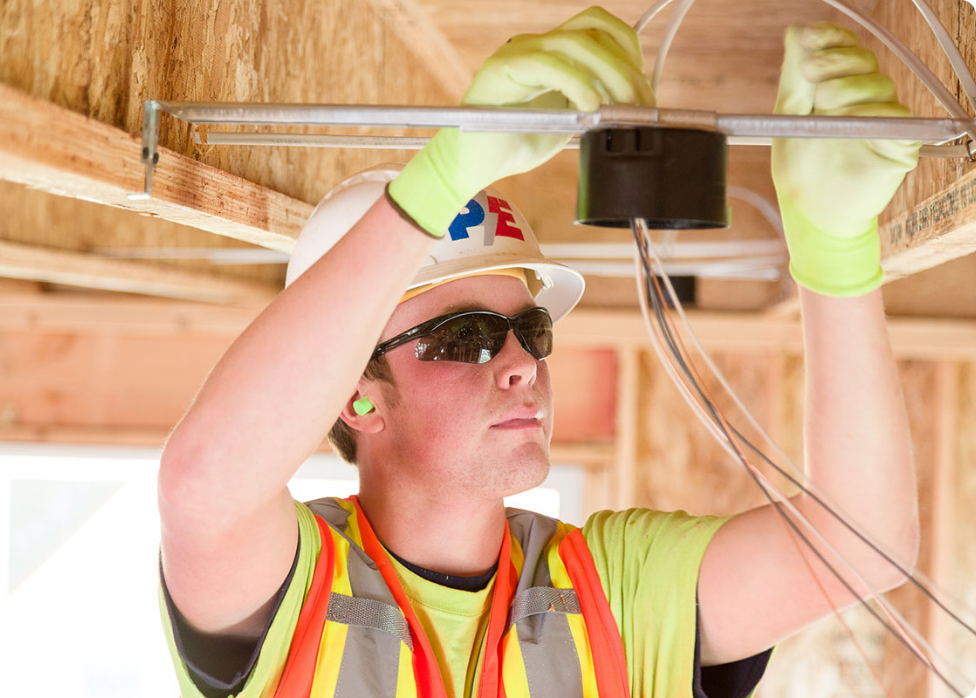
During the apprenticeship, you will work under the supervision of experienced, licensed journeyman electricians. You will gain practical skills in areas such as:

- Installing conduit and raceways
- Pulling wires and cables
- Terminating electrical devices and equipment
- Troubleshooting electrical issues
- Understanding and applying electrical codes
- Working with various types of electrical systems (residential, commercial, industrial)
Apprentices are typically paid an hourly wage that increases incrementally as they progress through the program and gain more experience.
Step 3: Meeting the Experience Requirements
Upon successful completion of a registered apprenticeship program, you will receive a certificate of completion. This certificate, along with your apprentice logs, will serve as proof of your accumulated work experience, which is a critical component for eligibility to take the licensing exam.
Specific Hour Requirements by License Type
The Oregon BCD outlines specific experience hour requirements for each license type. Generally:
- Residential Electrician: Requires a certain number of hours specifically in residential construction.
- General Journeyman Electrician: Requires a comprehensive set of hours covering a broader range of electrical work.
- Limited Maintenance Electrician: May have different experience requirements focused on industrial or institutional settings.
It’s essential to consult the most current regulations from the Oregon Building Codes Division to ensure you meet the exact hour and scope of experience needed for your desired license. Keeping detailed records of your work throughout your apprenticeship is highly recommended.
Step 4: Applying for and Passing the Licensing Exam
Once you have met the educational and experience requirements, the next step is to apply for and pass the electrician licensing exam administered by the Oregon Building Codes Division.
The Application Process
The application for the licensing exam typically involves:
- Submitting a completed application form.
- Providing proof of completed apprenticeship or equivalent experience. This includes your certificate of completion and any required documentation of hours.
- Paying the required application and examination fees.
The BCD will review your application to ensure you meet all eligibility criteria before approving you to take the exam.
The Licensing Exam
The electrician licensing exam in Oregon is a comprehensive test designed to assess your knowledge of electrical theory, the National Electrical Code (NEC), and safe work practices. The exam format is typically open-book, meaning you can bring a copy of the NEC and other permitted reference materials into the testing center.
Key areas covered in the exam often include:
- General Electrical Knowledge: Basic principles, circuit calculations, and terminology.
- Wiring Methods and Materials: Understanding different types of wiring, conduit, boxes, and devices.
- Equipment and Installations: Knowledge of motors, transformers, lighting, and special equipment.
- Safety: Rules and regulations related to electrical safety, such as lockout/tagout procedures.
- Code Application: The ability to locate and apply relevant sections of the NEC to various scenarios.
Effective preparation is crucial. Many aspiring electricians utilize dedicated exam prep courses, study guides, and practice exams to familiarize themselves with the test format and content. Understanding how to navigate the NEC quickly and efficiently is a key skill for success.
Step 5: Maintaining Your License
After successfully passing the exam and receiving your electrician license, your responsibilities don’t end there. Like many licensed professions, electricians in Oregon must adhere to continuing education requirements and renewal procedures to keep their licenses active.
Continuing Education Units (CEUs)
To ensure that licensed electricians stay up-to-date with the latest code changes, technologies, and safety practices, Oregon requires a certain number of Continuing Education Units (CEUs) to be completed during each renewal cycle. These CEUs are typically earned by attending approved courses and seminars.
License Renewal
Electrician licenses in Oregon must be renewed periodically, usually every two or three years. The renewal process involves submitting a renewal application, demonstrating completion of the required CEUs, and paying the renewal fee. It is vital to keep track of your license expiration date and complete all renewal requirements well in advance to avoid lapses in your license.
Career Outlook and Opportunities
The career outlook for licensed electricians in Oregon is very positive. The state’s growing population, ongoing infrastructure projects, and increasing adoption of new technologies, such as renewable energy systems, continue to drive demand for skilled electrical professionals.
Specialization and Advancement
With experience and further specialized training, electricians can advance their careers in several ways:
- Supervisory Roles: Moving into foreman or superintendent positions, overseeing crews and projects.
- Project Management: Managing the planning, execution, and completion of electrical projects.
- Estimating: Calculating the costs and materials needed for electrical bids.
- Inspection: Becoming a licensed electrical inspector for municipalities or the state.
- Business Ownership: Starting and operating your own electrical contracting business.
- Specialty Fields: Focusing on areas like industrial controls, renewable energy (solar, wind), or low-voltage systems.
Becoming a licensed electrician in Oregon is a journey that requires dedication, continuous learning, and a commitment to safety and quality. By understanding and following the established steps—from education and apprenticeship to examination and ongoing professional development—you can build a successful and rewarding career in this essential trade.
LifeOutOfTheBox is a participant in the Amazon Services LLC Associates Program, an affiliate advertising program designed to provide a means for sites to earn advertising fees by advertising and linking to Amazon.com. Amazon, the Amazon logo, AmazonSupply, and the AmazonSupply logo are trademarks of Amazon.com, Inc. or its affiliates. As an Amazon Associate we earn affiliate commissions from qualifying purchases.