
Embracing a Dynamic Lifestyle: Why EMT in Florida?
Choosing a career as an Emergency Medical Technician (EMT) in Florida isn’t just about finding a job; it’s about adopting a lifestyle of service, constant challenge, and significant impact within a vibrant and diverse state. The Sunshine State offers a unique backdrop for this demanding yet incredibly rewarding profession, with its sprawling urban centers, serene coastal communities, and a high influx of tourists and residents, all contributing to a consistent demand for skilled medical first responders. The nature of EMT work means every day is different, bringing new scenarios, new people, and new opportunities to make a tangible difference in someone’s life. This dynamic environment is a cornerstone of the EMT lifestyle, requiring quick thinking, resilience, and a profound commitment to public safety and well-being.
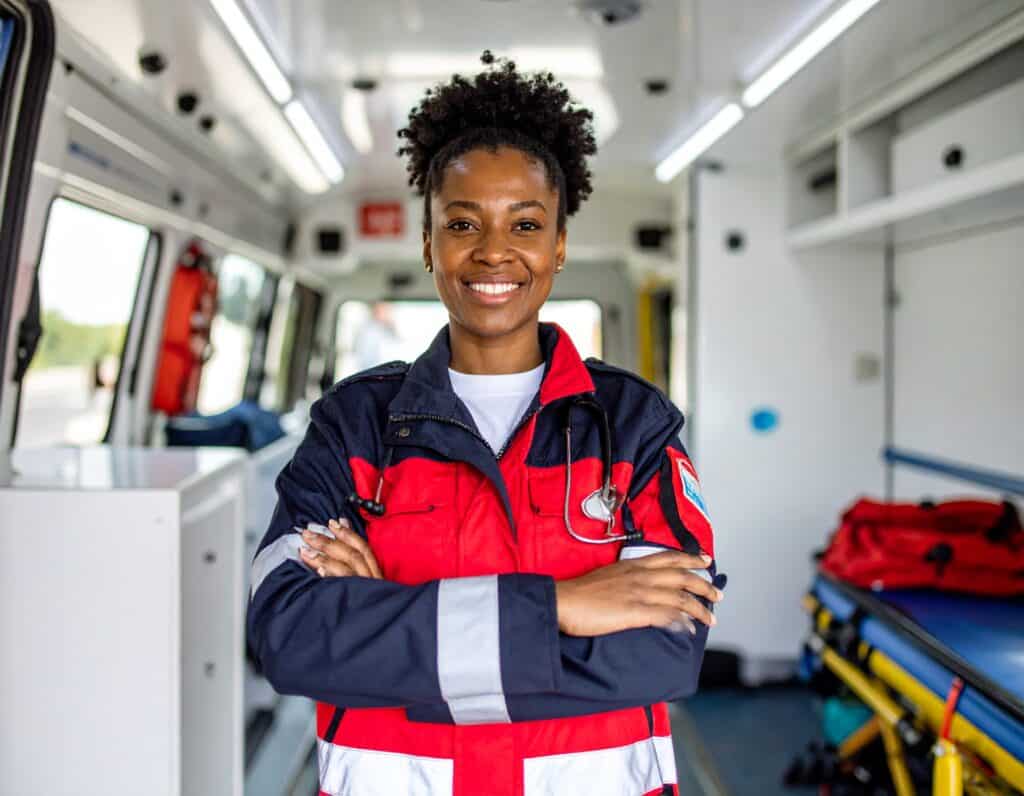
Living and working as an EMT in Florida presents a blend of professional fulfillment and personal advantages. The state’s favorable climate allows for year-round outdoor activities, which can be a significant draw for those seeking an active lifestyle outside of their demanding work schedules. From the bustling streets of Miami and Orlando to the more laid-back vibes of the Florida Keys or the Panhandle, the diversity of environments ensures that EMTs encounter a wide array of emergency situations, from typical medical calls to incidents related to tourism, severe weather events, or large public gatherings. This variety not only sharpens skills but also enriches the professional experience, fostering a deep understanding of community needs across different demographics.
Beyond the professional challenges, the EMT lifestyle in Florida also means becoming an integral part of local communities. First responders are often the first point of contact during crises, building trust and providing essential reassurance when people are at their most vulnerable. This community connection is a powerful motivator for many who choose this path. Furthermore, the supportive network among emergency services personnel in Florida is robust, offering camaraderie and mentorship that are vital for sustaining a high-stress career. Embracing this lifestyle means committing to continuous learning, adapting to evolving medical protocols, and maintaining physical and mental resilience, all while contributing to the safety and health of one of the nation’s most dynamic states. For those seeking a purposeful, impactful, and ever-changing career, becoming an EMT in Florida offers a compelling life trajectory.
Laying the Foundation: Education and Training Requirements
Embarking on the journey to become an Emergency Medical Technician (EMT) in Florida necessitates a structured approach to education and training. The foundation for this fulfilling career is built upon comprehensive coursework and practical experience designed to equip individuals with the critical skills and knowledge required to respond effectively to medical emergencies. Before even beginning formal training, prospective EMTs must meet a few fundamental prerequisites. Generally, candidates must be at least 18 years of age, possess a high school diploma or GED equivalent, and often hold a valid driver’s license, as operating an ambulance is a common duty. Some programs may also require background checks and drug screenings as part of their admission process, reflecting the high level of trust placed in emergency responders.
Choosing an Approved Training Program
The cornerstone of an EMT’s education is enrollment in a state-approved EMT training program. In Florida, these programs are offered by a variety of institutions, including community colleges, vocational schools, and private academies. It is imperative that the chosen program is approved by the Florida Department of Health (DOH) to ensure that the education meets state standards and qualifies graduates for licensure. These programs typically range from one to two semesters in length, comprising both didactic (classroom) instruction and hands-on clinical and field experience. The curriculum covers a broad spectrum of emergency medical topics, including patient assessment, trauma care, medical emergencies (such as cardiac events, diabetic crises, and allergic reactions), pharmacology, airway management, and obstetrics. Students also learn about ethical considerations, legal responsibilities, and the importance of teamwork and communication within the emergency medical services (EMS) system.
Hands-On Clinical and Field Experience
A crucial component of EMT training is the practical application of classroom knowledge through clinical rotations and field internships. Clinical rotations typically involve spending time in hospital emergency departments, where students observe and assist healthcare professionals, gaining exposure to a wide range of patient conditions and medical procedures. This hands-on experience allows students to practice skills such as vital sign assessment, patient communication, and assisting with various medical interventions in a controlled environment.
Field internships, on the other hand, place students directly on ambulances with experienced EMTs or paramedics. This is where the theoretical aspects truly come to life. Students participate in actual emergency calls, learning to navigate real-world scenarios, make critical decisions under pressure, and work as part of an EMS team. This exposure to pre-hospital care is invaluable, teaching students how to manage scenes, interact with patients and their families in crisis, and effectively transfer care to hospital staff. The combination of classroom learning, clinical observation, and direct field experience ensures that aspiring EMTs develop the competence, confidence, and professionalism necessary to excel in the demanding environment of emergency medical services in Florida.
Navigating Certification: Florida’s Specific Pathway
Once an individual has successfully completed an approved Emergency Medical Technician (EMT) training program, the next critical step toward adopting this lifestyle in Florida is obtaining state certification. This process involves a series of assessments designed to ensure that all certified EMTs possess a standardized level of competency and are prepared to provide high-quality pre-hospital care. The pathway to certification in Florida is rigorous and structured, overseen by the Florida Department of Health (DOH) through its Bureau of EMS.
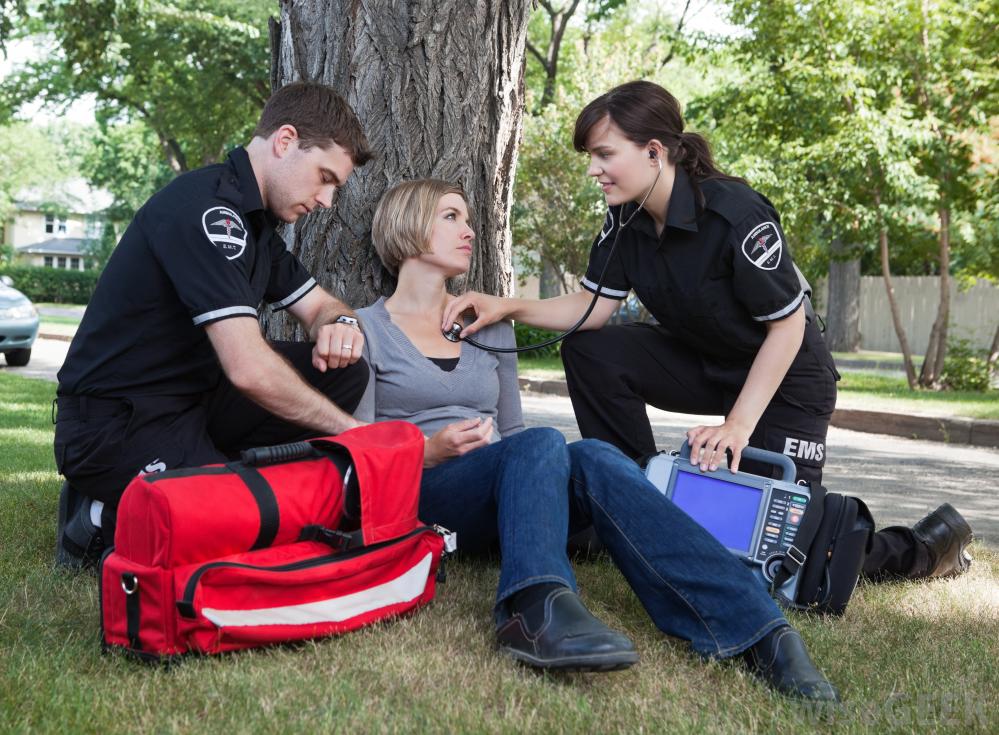
The National Registry Examination
The first major hurdle in the certification process is passing the National Registry of Emergency Medical Technicians (NREMT) examination. This national standard ensures a baseline competency for EMS professionals across the country, facilitating reciprocity between states. The NREMT exam consists of two main components:
- Cognitive Exam: This is a computer-adaptive test that assesses an applicant’s knowledge across various areas of emergency medical care, including airway, respiration, and ventilation; cardiology and resuscitation; trauma; medical emergencies; obstetrics; and EMS operations. The adaptive nature of the exam means that the difficulty of questions adjusts based on the candidate’s performance, ensuring a precise evaluation of their abilities.
- Psychomotor Exam: This hands-on practical exam evaluates a candidate’s ability to perform essential EMT skills. It typically involves stations such as patient assessment (medical and trauma), vital signs, bag-valve mask ventilation, cardiac arrest management, spinal immobilization, and bleeding control/shock management. Candidates must demonstrate proficiency in these skills according to strict national standards.
Successful completion of both the cognitive and psychomotor components of the NREMT exam is typically a prerequisite for applying for state licensure in Florida. Some states may offer their own state-specific exams, but Florida generally relies on the NREMT for initial certification.
Florida State Licensure Application
Once an applicant has passed the NREMT exams, they can proceed with the application for state licensure through the Florida Department of Health. This process typically involves submitting an online application, providing proof of NREMT certification, submitting documentation of program completion from an approved training institution, and undergoing a criminal background check. Florida takes public safety seriously, and thorough background checks are a standard part of ensuring that EMS professionals meet the highest ethical and legal standards.
Additionally, applicants must typically attest to their mental and physical ability to perform the duties of an EMT. The licensure process also includes a fee, which varies. It is crucial for applicants to carefully review the specific requirements outlined by the Florida Department of Health as these can occasionally be updated. Upon successful review of all submitted documents and a clear background check, the Florida DOH will issue an EMT license, officially granting the individual the authority to practice as an EMT within the state. This milestone marks the successful culmination of training and testing, opening the door to a rewarding career in emergency medical services across Florida’s diverse communities.
Beyond Certification: The Life of an EMT in Florida
Securing your Emergency Medical Technician (EMT) certification in Florida is merely the beginning of an extraordinary lifestyle dedicated to serving and protecting communities. The daily life of an EMT is far from routine, characterized by unpredictability, rapid decision-making, and profound human connection. Whether working for a private ambulance service, a fire department, or a hospital-based EMS unit, EMTs in Florida are on the front lines, responding to a vast array of medical and trauma emergencies across the state’s varied landscapes, from bustling metropolises like Jacksonville and Tampa to more rural or tourist-heavy regions.
The work schedule for an EMT often involves long shifts, including nights, weekends, and holidays, reflecting the 24/7 nature of emergencies. While challenging, this schedule can also offer periods of extended time off, allowing for exploration of Florida’s many attractions or pursuing personal interests. EMTs must maintain a high level of physical fitness and mental acuity, as their job demands lifting, carrying, navigating chaotic scenes, and performing critical tasks under immense pressure. The emotional toll can also be significant, requiring resilience, peer support, and effective stress management techniques. Many EMS agencies in Florida provide resources for mental health and well-being, recognizing the unique stresses associated with the profession.
Career Development and Specialization
The EMT lifestyle in Florida is also one of continuous learning and professional growth. Initial EMT certification is an entry point, with numerous opportunities for advancement and specialization. Many EMTs choose to pursue further education to become paramedics, which involves more advanced training in pharmacology, invasive procedures, and complex medical interventions. This higher level of certification opens doors to greater responsibilities, a broader scope of practice, and often higher earning potential.
Beyond paramedic school, EMTs can specialize in various fields such as tactical EMS, flight medicine, critical care transport, or community paramedicine, addressing unique healthcare needs within specific populations or environments. Florida’s diverse geography and population create demand for these specialized roles. Continuing education is mandatory for maintaining certification, ensuring that EMTs stay current with the latest medical protocols, equipment, and best practices. These ongoing training requirements keep skills sharp and expand knowledge, ensuring a long and impactful career.
Contributing to Florida’s Health and Safety
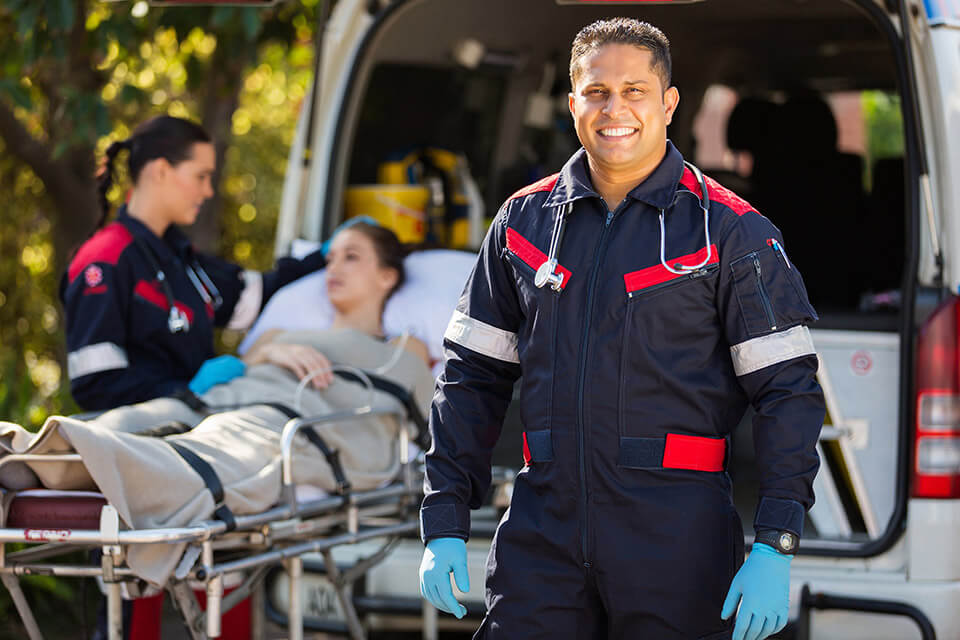
Ultimately, the life of an EMT in Florida is defined by its profound purpose. Every call represents an opportunity to provide compassionate care, stabilize a crisis, and potentially save a life. EMTs are essential healthcare professionals who bridge the gap between emergency and definitive medical treatment, serving as the calm and capable presence in moments of panic. They interact with individuals from all walks of life, often under the most stressful circumstances, requiring not only medical expertise but also exceptional communication and interpersonal skills. The satisfaction derived from helping others, working alongside dedicated colleagues, and being an indispensable part of Florida’s emergency response system makes the demanding EMT lifestyle incredibly rewarding for those who embrace its challenges and responsibilities.
LifeOutOfTheBox is a participant in the Amazon Services LLC Associates Program, an affiliate advertising program designed to provide a means for sites to earn advertising fees by advertising and linking to Amazon.com. Amazon, the Amazon logo, AmazonSupply, and the AmazonSupply logo are trademarks of Amazon.com, Inc. or its affiliates. As an Amazon Associate we earn affiliate commissions from qualifying purchases.