
For those drawn to the fast-paced, high-stakes environment of emergency response, becoming an Emergency Medical Technician (EMT) in New York State is a challenging yet deeply rewarding pursuit. As a cornerstone of the public health infrastructure in iconic urban centers like New York City and across the serene landscapes of the Adirondack Mountains, EMTs are the first line of defense for those in need. Entering this field requires a blend of rigorous academic preparation, physical resilience, and a profound commitment to service.
Understanding the Certification Pathway and Regulatory Requirements
The path to certification in the Empire State is governed by the New York State Department of Health (NYSDOH), Bureau of Emergency Medical Services. This agency ensures that all providers meet the stringent standards necessary to operate within the state’s medical protocols. Before embarking on this career, one must understand that the process is standardized, regulated, and demanding.

Prerequisites for Enrollment
To enroll in an EMT-Basic course, candidates must typically be at least 18 years old by the time they take their certification exam. While requirements can vary slightly by training institution, most programs mandate a high school diploma or a GED equivalent. Additionally, because the role requires physical lifting and stamina, prospective students should be prepared for the physical demands inherent in emergency medical services, including the ability to perform Cardiopulmonary Resuscitation and move heavy equipment over uneven terrain.
The Educational Component
The standard EMT course consists of approximately 150 to 180 hours of classroom instruction and clinical rotations. During this time, students learn to assess patients, manage airway obstructions, provide trauma care, and administer basic life-saving medications. This training is often hosted at local community colleges or designated EMS training centers located throughout the state, from the bustling boroughs of Brooklyn to the suburban hubs of Westchester County.
Navigating the Certification Examination Process
Once the educational coursework is successfully completed, the next major hurdle is the state and national certification process. In New York, the path is unique because it integrates the National Registry of Emergency Medical Technicians (NREMT) standards with specific state protocols.
The Psychomotor Exam
The psychomotor examination is a hands-on assessment where candidates must demonstrate their mastery of specific skills. Examiners evaluate the student’s ability to perform patient assessments, manage cardiac arrest scenarios, splint fractures, and address bleeding control. This exam is a “pass/fail” event, requiring a high level of technical proficiency and the ability to perform under the pressure of simulated emergencies.

The Cognitive Examination
The cognitive portion is a computer-adaptive test that evaluates your understanding of medical theory, legal considerations, and clinical judgment. Because the state of New York maintains specific protocols that may differ from national guidelines, it is vital to study the “New York State BLS Protocols.” Preparing for this exam requires a deep understanding of patient care algorithms and the scope of practice allowed for an EMT-Basic. Many successful candidates form study groups, utilizing resources that reflect the unique medical landscape of the region, whether they plan to work in Buffalo or Albany.
Gaining Experience and Career Advancement
Once you have received your New York State EMT certification, the journey is only just beginning. The initial phase of your career is focused on transitioning from a student to a practitioner. Working as an EMT provides a front-row seat to the local culture of emergency care and offers a unique perspective on the communities you serve.
Choosing Your Work Environment
In New York, the variety of work environments is vast. You might find yourself working for a municipal fire department in Rochester, a private ambulance company serving the Long Island area, or even specialized medical response units at major landmarks. Each setting presents its own challenges. Working in dense areas like Manhattan requires rapid decision-making and navigation through heavy traffic, whereas rural emergency medical services require independence and the ability to transport patients over long distances to the nearest hospital.
Maintaining Your Certification
Certification is not a static achievement. EMTs must complete Continuing Medical Education (CME) requirements to keep their skills sharp and stay current with evolving medical technology and protocols. These hours can often be completed through online modules or local workshops held at medical centers or regional training councils. Staying active in the EMS community is not just a regulatory necessity; it is a way to ensure that you are providing the best possible care to the people of New York State.
The Personal and Professional Impact of the Role
Becoming an EMT is more than a job; it is a vocation that demands empathy, resilience, and ethical judgment. Every call you respond to—whether in the quiet streets of Syracuse or the heart of Times Square—is an opportunity to impact a life during its most vulnerable moment.
The Reality of Service
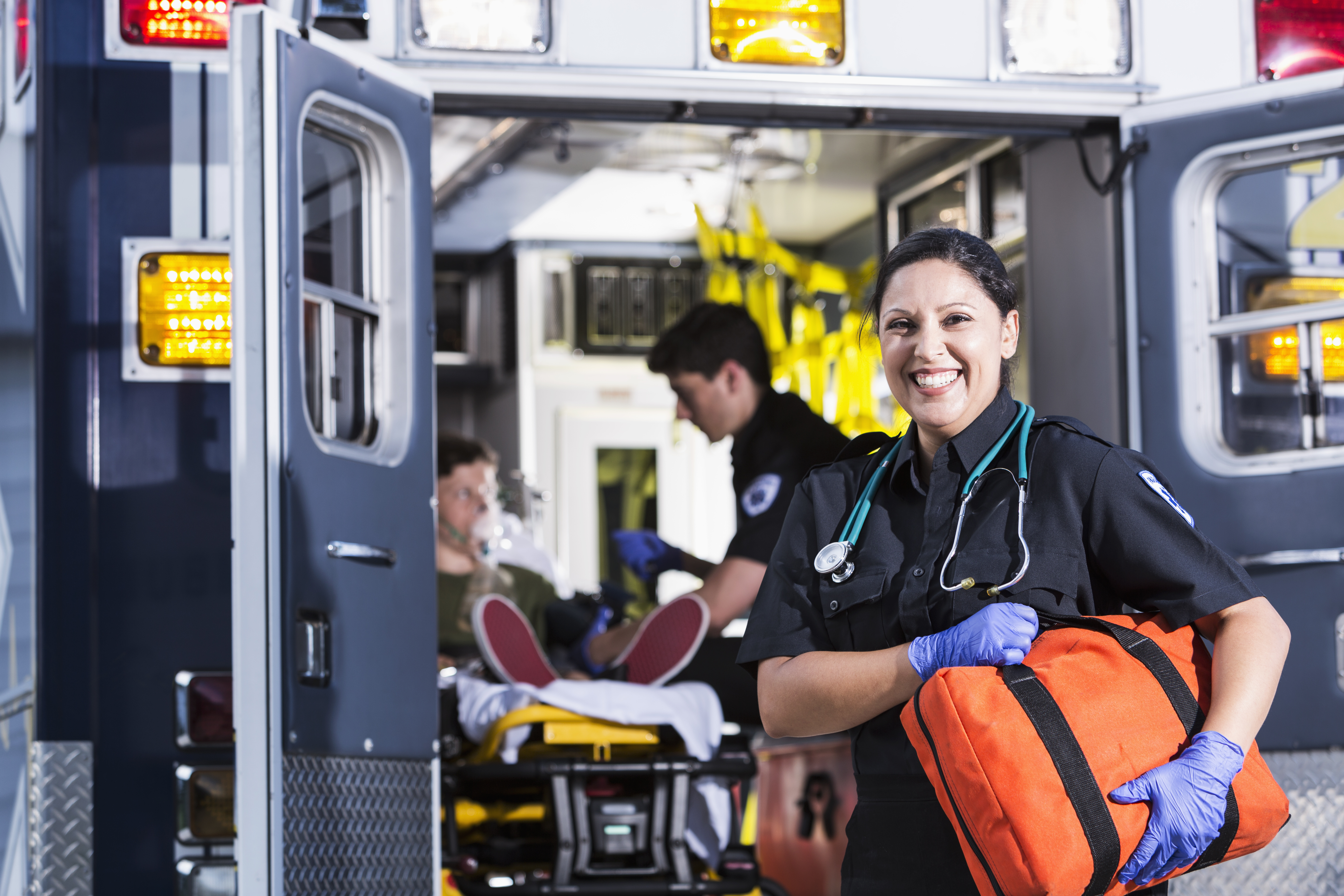
The life of an EMT involves long shifts, unpredictable schedules, and the emotional toll of witnessing traumatic events. However, it also offers moments of immense professional satisfaction. Successfully stabilizing a patient, providing comfort to a frightened family member, or collaborating with a team of paramedics and physicians to save a life fosters a unique bond among first responders.
Building a Long-Term Career
For many, the role of an EMT-Basic serves as a foundational step toward other healthcare careers. The experience gained in the field provides an unparalleled education in clinical assessment, patient communication, and trauma management. Many EMTs eventually choose to pursue further education to become Paramedics, Nurses, or Physician Assistants.
Whether you are seeking to give back to your local community in Saratoga Springs or looking to gain clinical experience before entering medical school, the journey to becoming an EMT in New York State is a significant investment in your own growth. By following the state’s rigorous training requirements and maintaining a commitment to lifelong learning, you prepare yourself to handle the unforeseen challenges of the medical front lines with competence and compassion. The road is arduous, but for those who succeed, the privilege of serving as a guardian for the public is worth every hour of study and every day spent on shift.
LifeOutOfTheBox is a participant in the Amazon Services LLC Associates Program, an affiliate advertising program designed to provide a means for sites to earn advertising fees by advertising and linking to Amazon.com. Amazon, the Amazon logo, AmazonSupply, and the AmazonSupply logo are trademarks of Amazon.com, Inc. or its affiliates. As an Amazon Associate we earn affiliate commissions from qualifying purchases.