
Embarking on a career as an esthetician in Texas offers a fulfilling path for those passionate about skincare, beauty, and helping others feel their best. The Lone Star State boasts a thriving beauty industry, with increasing demand for skilled professionals in salons, spas, and medical facilities across its diverse cities, from the bustling metropolises of Houston and Dallas to the vibrant cultural hubs of Austin and San Antonio. This comprehensive guide outlines the essential steps, requirements, and considerations for aspiring estheticians looking to establish a successful career in Texas.
Understanding the Esthetician Profession in Texas
An esthetician, also known as a skincare specialist, focuses on performing cosmetic skin treatments to improve a client’s appearance. This includes a wide range of services such as facials, microdermabrasion, chemical peels, waxing, eyelash extensions, and makeup application. In Texas, the profession is regulated by the Texas Department of Licensing and Regulation (TDLR), ensuring that practitioners meet specific standards of education, training, and competency.

Scope of Practice
The scope of practice for an esthetician in Texas is well-defined. Estheticians are permitted to perform services on the face, neck, scalp, chest, and upper back. These services aim to enhance skin health and appearance, addressing concerns like acne, aging, hyperpigmentation, and dryness. It is crucial for aspiring estheticians to understand these boundaries to practice safely and legally. This often involves distinguishing their services from those of medical professionals like dermatologists, who can diagnose and treat medical skin conditions.
Career Opportunities
The demand for skilled estheticians is robust across Texas. Graduates can find employment in various settings:
- Day Spas and Medspas: These are the most common workplaces, offering a wide array of treatments in a relaxing or clinical environment. Spas like Spa Nordstrom or medical spas associated with dermatology clinics provide diverse client bases and learning opportunities.
- Salons: Many hair salons and beauty establishments now offer esthetic services as part of their comprehensive beauty packages.
- Hotels and Resorts: High-end hotels and resorts, such as The Joule Dallas or Hotel Emma in San Antonio, often feature luxurious spa facilities that employ estheticians to cater to guests.
- Freelance and Mobile Services: With experience, many estheticians choose to become self-employed, offering their services independently or through mobile appointments, providing flexibility and greater control over their careers.
- Product Representation and Sales: Some estheticians leverage their expertise to work for skincare brands, demonstrating products and advising clients.
- Education: Experienced estheticians may pursue opportunities to teach at cosmetology schools, sharing their knowledge and passion with the next generation of professionals.
Compensation and Growth
The earning potential for estheticians in Texas varies based on experience, location, employer, and specialization. Entry-level positions might offer an hourly wage, while more experienced estheticians, particularly those working in commission-based environments or high-end spas, can achieve significantly higher incomes. The beauty industry is constantly evolving, with new treatments and technologies emerging, providing ample opportunities for estheticians to expand their skill sets and advance their careers.
Educational and Licensing Requirements
To legally practice as an esthetician in Texas, aspiring professionals must meet specific educational and licensing requirements set forth by the TDLR. These regulations are designed to ensure public safety and maintain professional standards.
Completing an Approved Esthetician Program
The foundational step is completing a state-approved esthetician training program. These programs are offered at accredited cosmetology schools throughout Texas.
- Curriculum: A comprehensive esthetician program typically includes instruction in:
- Skincare Theory: Understanding skin anatomy, physiology, conditions, and diseases.
- Facial Treatments: Cleansing, exfoliation, extraction, masks, and massage techniques.
- Hair Removal: Waxing, sugaring, and other temporary hair removal methods.
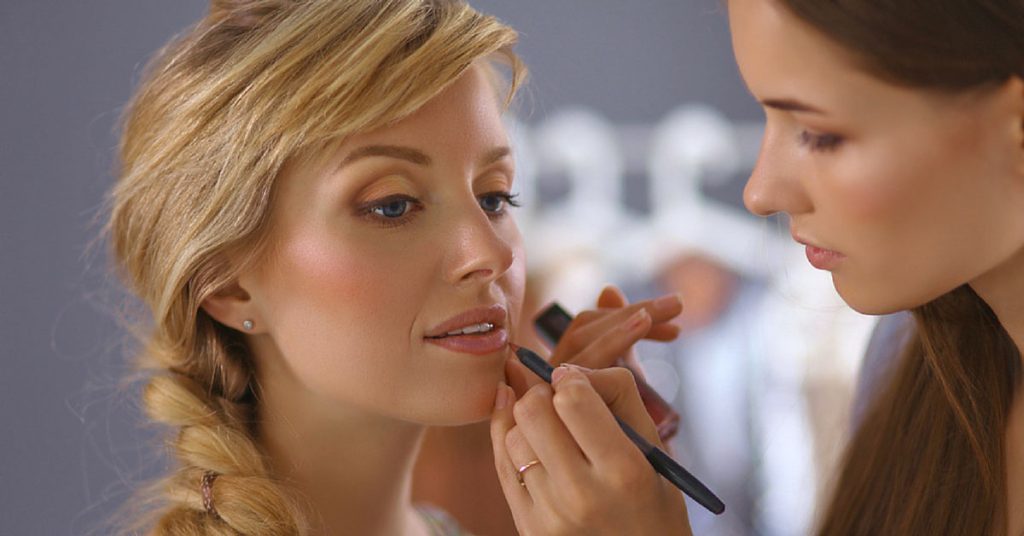
- Makeup Application: Basic and advanced techniques for different occasions.
- Lash and Brow Services: Tinting, shaping, and extensions.
- Sanitation and Sterilization: Crucial for preventing the spread of infections.
- Client Consultation: Assessing client needs and recommending appropriate treatments.
- Business Practices: Ethics, professionalism, and client management.
- Program Length: In Texas, an esthetician program must consist of a minimum of 300 hours of instruction. Some programs may offer more extensive training, which can be beneficial for career advancement.
- Choosing a School: When selecting a cosmetology school, consider factors such as accreditation, instructor experience, program curriculum, student success rates, and job placement assistance. Research schools in cities like Austin, Fort Worth, or El Paso to find one that suits your needs.
Passing Licensing Examinations
Upon successful completion of an approved program, candidates must pass two licensing examinations administered by the TDLR:
- Written Examination: This exam assesses knowledge of esthetic theory, safety procedures, and relevant regulations.
- Practical Examination: This hands-on exam evaluates a candidate’s ability to perform various esthetic treatments safely and effectively, adhering to strict protocols.
Candidates are typically eligible to take these exams after receiving confirmation from their school that they have met the program requirements. The TDLR contracts with PSI Services LLC to administer these exams.
Application for Licensure
After passing both examinations, candidates must submit a formal application for an esthetician license to the TDLR. This application will include personal information, proof of education, and examination results. A licensing fee is also required. Once the application is approved, the individual will receive their official esthetician license, allowing them to practice professionally in Texas.
Advanced Training and Specializations

While the basic esthetician license allows for a broad range of services, pursuing advanced training and specializations can significantly enhance a professional’s skills, marketability, and earning potential. The skincare industry is dynamic, with continuous innovation in treatments and products.
Medical Esthetics
A highly sought-after specialization is medical esthetics, which involves performing advanced skincare treatments under the supervision of a physician, often in a medical spa, dermatology clinic, or plastic surgeon’s office. Medical estheticians work with more advanced equipment and procedures, such as:
- Laser Treatments: Hair removal, skin rejuvenation, and treatment of vascular issues.
- Chemical Peels: Deeper peels for treating significant sun damage, acne scars, and wrinkles.
- Micro-needling: Collagen induction therapy for improving skin texture and reducing scarring.
- Dermal Fillers and Botox: Assisting physicians with administering injectables.
To enter medical esthetics, estheticians typically need specialized training and certifications beyond their basic license. Collaboration with medical professionals is key, and a strong understanding of skin conditions and their medical treatments is essential.
Specific Treatment Certifications
Beyond medical esthetics, there are numerous certifications for specific treatments that can make an esthetician more valuable to employers and clients. These can include:
- Advanced Facial Techniques: For example, certification in performing specific types of facials like oxygen facials, LED therapy, or microcurrent treatments.
- Eyelash Extensions: Becoming certified in different application techniques for classic, volume, and mega-volume lashes.
- Brow Lamination and Henna: Specializing in advanced brow grooming techniques.
- Acne Specialist: Focused training on understanding and treating various forms of acne.
- Permanent Makeup: While this often requires a separate tattooing license in Texas, some estheticians may pursue this avenue.
These specialized certifications often involve attending workshops, completing online courses, or undergoing hands-on training. They demonstrate a commitment to continuous learning and expertise in a particular area.
Business and Entrepreneurship Skills
For estheticians aiming to own their own spa or work as independent contractors, developing business acumen is crucial. This can involve courses in:
- Marketing and Social Media: Building a brand and attracting clients.
- Financial Management: Pricing services, managing expenses, and understanding profit margins.
- Client Relations and Retention: Building a loyal clientele.
- Spa Management: Operations, staffing, and inventory.
Many estheticians find success by combining their passion for skincare with sound business practices, leading to thriving independent careers or successful salon ownerships in vibrant Texas communities.
Maintaining Licensure and Continuing Education
Licensure in Texas is not a one-time achievement; it requires ongoing commitment to professional development and adherence to regulatory requirements. Estheticians must ensure their licenses remain current to legally practice.
License Renewal Process
Esthetician licenses in Texas are typically valid for two years. The TDLR will send renewal notices to licensees before their expiration date. The renewal process involves:
- Completing Continuing Education Hours: Licensed estheticians are required to complete a specific number of continuing education (CE) hours during each renewal period. The TDLR mandates a certain number of hours, which must include specific topics like sanitation and safety.
- Submitting Renewal Application and Fee: A renewal application must be submitted online or by mail, along with the required renewal fee.
- Maintaining Records: It is the licensee’s responsibility to keep records of completed CE courses, as the TDLR may conduct audits.
Continuing Education Requirements
The TDLR specifies the types of courses that qualify for CE hours. These courses are designed to keep estheticians updated on the latest industry trends, techniques, safety protocols, and legal requirements. Reputable cosmetology schools and professional organizations offer approved CE courses, both in-person and online, providing flexibility for busy professionals. Staying informed about any changes to CE requirements is vital.
Adherence to Regulations and Ethics
Beyond formal renewal processes, licensed estheticians must continuously uphold professional standards and ethical conduct. This includes:
- Maintaining a Safe and Sanitary Work Environment: Adhering strictly to sanitation and disinfection guidelines to protect clients and themselves.
- Practicing Within Scope: Understanding the boundaries of their license and referring clients to medical professionals when necessary.
- Professionalism and Client Confidentiality: Treating clients with respect, maintaining confidentiality, and providing honest, informed advice.
- Staying Updated on Industry Best Practices: Regularly researching new products, equipment, and techniques.
By diligently fulfilling renewal requirements and committing to ongoing professional development, estheticians in Texas can ensure their careers are both successful and sustainable, providing valuable services to clients across the state.
LifeOutOfTheBox is a participant in the Amazon Services LLC Associates Program, an affiliate advertising program designed to provide a means for sites to earn advertising fees by advertising and linking to Amazon.com. Amazon, the Amazon logo, AmazonSupply, and the AmazonSupply logo are trademarks of Amazon.com, Inc. or its affiliates. As an Amazon Associate we earn affiliate commissions from qualifying purchases.