
While the allure of the Rocky Mountains beckons travelers to Colorado with its breathtaking vistas, world-class skiing in Aspen and Vail, and the vibrant cultural scene of Denver, many also discover entrepreneurial opportunities within the Centennial State. For those looking to establish a business, particularly one within the dynamic travel and hospitality sectors, understanding the process of forming a Limited Liability Company (LLC) is paramount. This guide, drawing inspiration from the very essence of what makes Colorado a desirable destination for both visitors and business owners, will walk you through the steps to become an LLC in Colorado, ensuring your venture is built on a solid legal foundation.
Understanding the Fundamentals of an LLC
Before diving into the specifics of Colorado‘s regulations, it’s crucial to grasp what an LLC is and why it’s an attractive structure for many businesses, especially those intertwined with the travel and tourism industry. An LLC offers a unique blend of partnership flexibility and corporate liability protection. This means that the personal assets of the owners are generally shielded from business debts and lawsuits, a significant advantage for ventures that might encounter the inherent risks of the hospitality sector, such as managing guest experiences at a boutique hotel or operating a tour guide service.
The name “Limited Liability Company” itself highlights its core benefit: limiting liability. Unlike a sole proprietorship or general partnership, where owners are personally responsible for all business debts, an LLC creates a legal separation between the business and its owners, known as members. This separation provides peace of mind, allowing entrepreneurs to focus on growth and customer satisfaction without undue personal financial exposure.
Furthermore, LLCs offer pass-through taxation. This means the business itself doesn’t pay federal income tax. Instead, profits and losses are “passed through” to the members, who then report them on their individual income tax returns. This avoids the “double taxation” that can occur with C-corporations, where profits are taxed at the corporate level and then again when distributed to shareholders as dividends. This simpler tax structure can be particularly beneficial for smaller businesses and startups common in the travel and tourism landscape.
The flexibility of an LLC also extends to its management structure. Members can choose to manage the LLC directly, or they can appoint managers, who may or may not be members. This adaptability allows businesses to scale and evolve without being bogged down by rigid corporate governance. Whether you’re envisioning a cozy bed and breakfast near Rocky Mountain National Park or a sophisticated urban hotel in downtown Denver, the LLC structure can accommodate your vision.
Steps to Forming Your LLC in Colorado
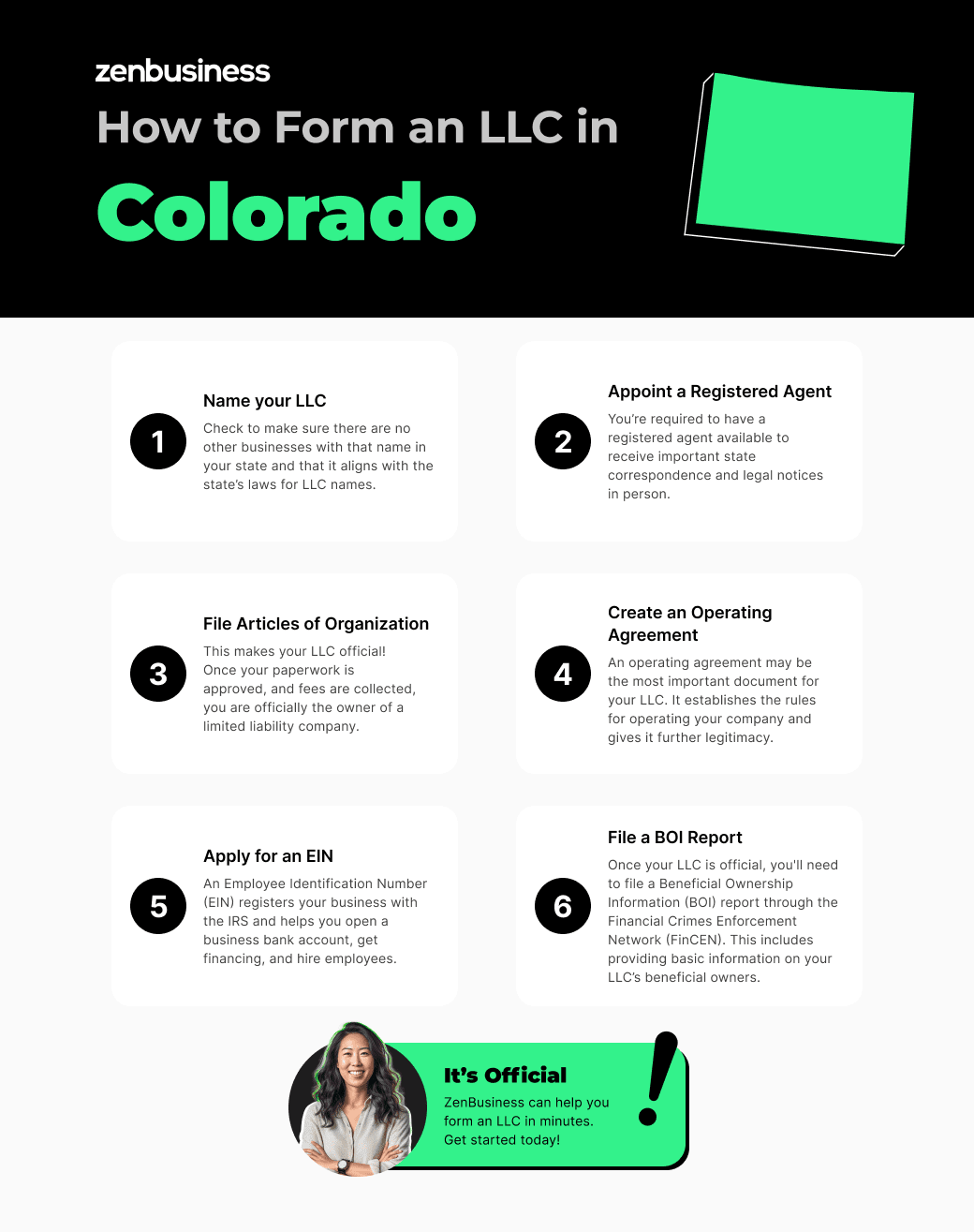
Forming an LLC in Colorado is a streamlined process, governed by the Colorado Secretary of State. While the steps are generally straightforward, attention to detail is crucial to ensure compliance.
1. Choose a Name for Your LLC
The first critical step is selecting a unique and legally available name for your LLC. This name must be distinguishable from other registered business names in Colorado. The name must also contain specific designators to indicate it’s an LLC, such as “Limited Liability Company” or “LLC.” You can search the Colorado Secretary of State’s business database to check for name availability. It’s also advisable to check if the corresponding domain name for your chosen business name is available for your website, especially if your business will have an online presence, perhaps for booking tours or showcasing your accommodation.
When considering your business name, think about how it reflects your brand and the experience you want to offer. For example, a name for a luxury resort in Aspen might evoke elegance, while a name for a budget-friendly hostel in Boulder might suggest adventure or community. The name is the first impression potential clients will have, so choose wisely.
2. Appoint a Registered Agent
Every LLC in Colorado must designate a registered agent. This is an individual or a business entity that will accept legal documents and official correspondence on behalf of your LLC. The registered agent must have a physical street address in Colorado (not a P.O. Box) and be available during normal business hours. You can act as your own registered agent if you meet these requirements and have a Colorado address. Alternatively, many businesses opt for a professional registered agent service, which can provide peace of mind and ensure that you don’t miss important legal notices, especially if you are frequently traveling or managing properties remotely.
The role of a registered agent is vital for maintaining good standing with the state and for ensuring timely communication regarding any legal matters. This is particularly important for businesses in the travel sector that may operate across various locations or have staff who are often on the move.
3. File the Articles of Organization
The official document that establishes your LLC with the state of Colorado is called the Articles of Organization. This document must be filed with the Colorado Secretary of State. It typically requires information such as:
- The name of the LLC: As chosen in the first step.
- The principal office address of the LLC: This is the main business address.
- The name and address of the registered agent: As appointed in the second step.
- The management structure: Whether it will be member-managed or manager-managed.
- The name and address of the organizer: The person filing the document.

There is a filing fee associated with submitting the Articles of Organization. You can typically file these documents online through the Colorado Secretary of State’s website, which is generally the fastest and most convenient method. Once approved, your LLC is officially formed in Colorado.
4. Create an Operating Agreement
While not legally required by the state of Colorado, an Operating Agreement is a critical internal document that outlines the ownership, operation, and management of your LLC. It’s highly recommended for all LLCs, regardless of size. This agreement serves as a roadmap for your business and can prevent future disputes among members. Key provisions typically included in an Operating Agreement are:
- Member contributions: What each member contributes to the LLC (e.g., capital, property, services).
- Profit and loss distribution: How profits and losses will be allocated among members.
- Member voting rights: How decisions will be made and the voting power of each member.
- Management responsibilities: The roles and duties of managers, if applicable.
- Procedures for admitting new members or the departure of existing members.
- Dissolution of the LLC: The process for winding down the business.
A well-drafted Operating Agreement can be invaluable, especially for businesses that involve multiple partners, such as a group of individuals pooling resources to open a hotel or a consortium of tour operators. It ensures clarity and provides a framework for resolving potential disagreements, maintaining a harmonious business environment.
5. Obtain an EIN (Employer Identification Number)
If your LLC will have employees or will operate as a corporation for tax purposes, you will need to obtain an Employer Identification Number (EIN) from the Internal Revenue Service (IRS). This number is like a Social Security number for your business and is used for tax filing purposes. You can apply for an EIN online through the IRS website, and it’s a free service. Even if you don’t plan to have employees initially, obtaining an EIN can be beneficial for opening business bank accounts and for future business growth.
Ongoing Compliance and Considerations for Your Colorado LLC
Once your LLC is formed, there are ongoing responsibilities and considerations to ensure it remains in good standing and continues to operate smoothly.
Annual Filings and Taxes
Colorado requires LLCs to file an annual report with the Secretary of State, typically due on the first day of the anniversary month in which the LLC was formed. This report confirms the LLC’s continued existence and updates key information. There is a fee associated with this filing.
In addition to state filings, remember that your LLC is responsible for its federal, state, and local taxes. As mentioned, LLCs typically have pass-through taxation, but understanding your specific tax obligations based on your business activities is crucial. Consulting with a tax professional familiar with Colorado business law is highly recommended. For businesses in the tourism sector, this might include sales tax on services, lodging taxes, and income taxes on profits.
Business Licenses and Permits
Depending on the nature of your business and its location within Colorado, you may need to obtain additional business licenses and permits. For example, a hotel or motel operation will likely require health and safety permits, zoning approvals, and a business license from the city or county in which it operates. Tour operators might need specific permits or insurance. Researching the specific licensing requirements for your industry and location is essential to avoid penalties and ensure legal operation. If your business involves food and beverage service, such as in a resort restaurant, you’ll also need to comply with food safety regulations.
Maintaining Business Records
Good record-keeping is essential for any business. Keep detailed financial records, including income statements, balance sheets, and expense reports. These records are vital for tax purposes, for tracking the financial health of your business, and for making informed decisions about future investments or operational changes. For a travel-related business, this might include detailed records of bookings, guest feedback, and operational costs for various attractions or experiences.

Business Bank Account
It is highly recommended to open a separate business bank account for your LLC. This further reinforces the legal separation between your personal finances and your business finances, which is a cornerstone of LLC liability protection. Using a separate account makes bookkeeping and tax preparation much easier and cleaner.
Forming an LLC in Colorado is a fundamental step for entrepreneurs looking to establish a legitimate and protected business entity. Whether you’re aiming to offer luxurious stays at a mountain lodge, organize adventure tours through Mesa Verde National Park, or provide unique culinary experiences in Denver, understanding and completing these steps will set your venture on a path toward success. By navigating the process diligently, you can confidently build your business in the beautiful and thriving state of Colorado.
LifeOutOfTheBox is a participant in the Amazon Services LLC Associates Program, an affiliate advertising program designed to provide a means for sites to earn advertising fees by advertising and linking to Amazon.com. Amazon, the Amazon logo, AmazonSupply, and the AmazonSupply logo are trademarks of Amazon.com, Inc. or its affiliates. As an Amazon Associate we earn affiliate commissions from qualifying purchases.