
The digital age has transformed how business is conducted, and the realm of notarization is no exception. For residents of the Lone Star State, becoming an online notary in Texas presents a flexible and in-demand professional opportunity. This guide outlines the essential steps and considerations for establishing yourself as a remote online notary public in Texas, opening doors to a new dimension of service and earning potential within the expanding digital landscape.
Understanding Remote Online Notarization (RON) in Texas
Remote Online Notarization, often abbreviated as RON, is the process of authenticating and witnessing the electronic signing of documents using audio-visual technology. This method allows individuals to appear before a notary public via live, two-way audio and video communication, regardless of their physical location. In Texas, the legal framework for RON is established and regulated by the Secretary of State.
The Legal Framework for RON in Texas
The Texas legislature enacted specific statutes to govern remote online notarization, ensuring its validity and security. Key among these is the Remote Notary Public Act, which mandates specific requirements for notaries and the technology they employ. Understanding these regulations is paramount to operating legally and effectively as a remote online notary. The Texas Secretary of State’s office provides comprehensive guidelines and resources to help notaries navigate these legalities. Compliance ensures that all notarizations performed remotely are legally recognized and enforceable, just as if they were conducted in person.
Benefits of Becoming a Remote Online Notary
The advantages of transitioning to or beginning a career as a remote online notary are multifaceted. Foremost among these is flexibility. RON allows you to set your own hours and work from virtually any location with a reliable internet connection. This autonomy is particularly appealing for individuals seeking to supplement their income or build a full-time business without the constraints of a traditional office setting. Furthermore, the demand for RON services is growing rapidly as more businesses and individuals embrace digital workflows. This increasing demand translates into ample opportunities for notaries to expand their client base and service offerings. The ability to notarize documents at any time, for clients anywhere, significantly broadens your market reach beyond local boundaries.
Steps to Becoming a Remote Online Notary in Texas
The journey to becoming a remote online notary in Texas involves a structured process designed to ensure competency and adherence to state regulations. While holding a traditional notary commission is a prerequisite, specific additional steps are required for remote authorization.
1. Obtain a Traditional Notary Public Commission
Before you can even consider becoming a remote online notary, you must first be a commissioned Texas Notary Public. The requirements for this include:
- Being at least 18 years of age.
- Being a legal resident of Texas.
- Being able to read and write English.
- Not having been convicted of a felony or a crime involving moral turpitude.
The application process typically involves completing an application form, passing a basic notary education course, and taking an oath of office. Once commissioned, you will receive a notary ID number.
2. Complete a State-Approved RON Training Course
Texas requires all aspiring remote online notaries to complete a specialized training course approved by the Texas Secretary of State. This course delves into the specific laws, regulations, and best practices governing remote online notarization in the state. It covers topics such as:
- Identity verification procedures for remote signers.
- The use of secure audio-visual technology.
- Tamper-evident technology and digital certificates.
- Record-keeping requirements for RON.
- Ethical considerations and legal liabilities.
Upon successful completion of the course, you will receive a certificate of completion, which is a mandatory document for your RON application.
3. Select and Secure a RON Technology Solution
A critical component of RON is the technology platform used to conduct notarizations. Texas mandates that notaries use a RON platform that meets specific security and functionality requirements. These platforms facilitate:
- Identity Proofing: Robust methods to verify the identity of the remote signer, often involving knowledge-based authentication (KBA) and credential analysis.
- Audio-Visual Conferencing: Secure, live, two-way audio and video communication between the notary and the signer.
- Electronic Notary Seal and Signature: The platform must allow the notary to apply their electronic seal and signature to the document.
- Tamper-Evident Technology: The platform must ensure the document’s integrity after notarization, making any subsequent changes detectable.
- Audit Trail: Comprehensive logging of all actions performed during the notarization process for record-keeping and security.
You will need to choose a vendor that offers a certified RON platform compliant with Texas statutes. Many platforms offer subscription-based services, and it’s crucial to research and select one that fits your budget and workflow needs.
4. Obtain a Remote Online Notary Public Seal and/or Digital Certificate
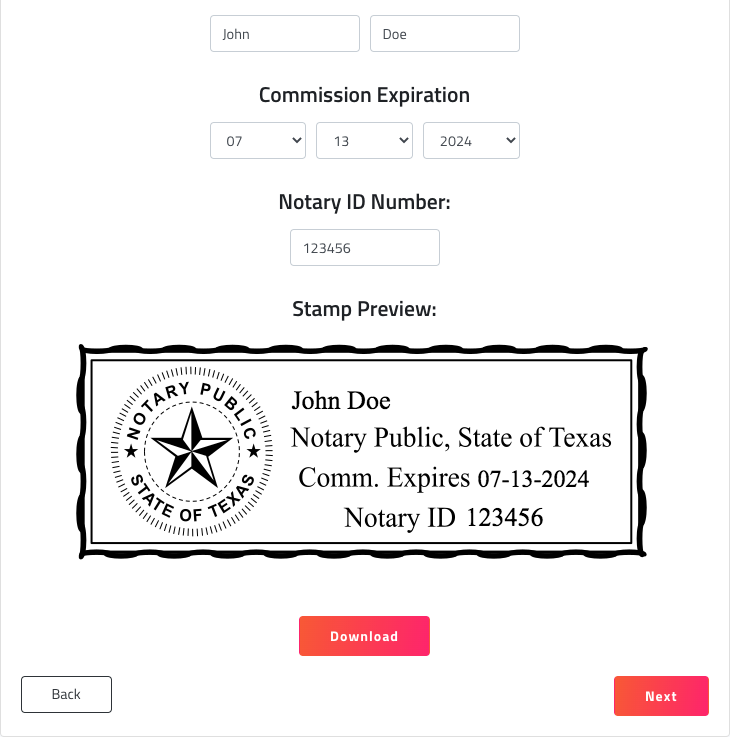
As a remote online notary, you will need an electronic seal and, in many cases, a digital certificate to perform your duties.
- Electronic Notary Seal: This is a digital representation of your notary seal, which will be affixed to the electronic document. It typically includes your name, commission number, and the words “Notary Public, Texas.”
- Digital Certificate (or Credential): This is a digital file that verifies your identity and is used to digitally sign the notarization. It’s often issued by a trusted Certificate Authority and is tied to your electronic notary seal.
Your chosen RON platform may integrate these elements, or you may need to procure them separately from a vendor approved by the Texas Secretary of State.
5. Apply for Your Remote Online Notary Public Commission

Once you have completed the training and selected your technology solution, you can apply for your remote online notary commission. This application process, managed by the Texas Secretary of State, will require you to submit:
- Your completed application form.
- Proof of your traditional notary commission.
- Your certificate of completion from the approved RON training course.
- A sworn statement affirming your commitment to adhering to all RON laws and regulations.
There will likely be a processing fee associated with this application. After approval, you will receive official authorization to perform remote online notarizations.
Performing Remote Online Notarizations: Best Practices and Considerations
Effectively performing remote online notarizations requires a combination of technical proficiency, adherence to legal protocols, and a commitment to security and professionalism.
Ensuring Secure and Reliable Technology
Your ability to conduct RON depends entirely on the reliability and security of your chosen technology.
- Internet Connectivity: A stable, high-speed internet connection is non-negotiable. Any disruption during a notarization can invalidate the process and lead to legal complications.
- Hardware: A quality webcam and microphone are essential for clear audio-visual communication. Ensure your computer system meets the minimum requirements of your RON platform.
- Software Updates: Keep your operating system, browser, and RON software up-to-date to ensure you have the latest security patches and features.
- Secure Environment: Conduct notarizations from a quiet, private space free from distractions and potential eavesdropping. This protects the signer’s privacy and ensures the integrity of the notarization.
Verifying Signer Identity
One of the most critical aspects of RON is verifying the identity of the person appearing before you. Texas law requires the use of specific identity proofing methods. These typically include:
- Personal Knowledge: If you personally know the signer and can confirm their identity.
- Credential Analysis: The signer presents a government-issued identification document (e.g., driver’s license, passport) that the RON platform analyzes for authenticity.
- Knowledge-Based Authentication (KBA): The signer answers a series of personal questions derived from public records, which only they should be able to answer correctly.
Your chosen RON platform will guide you through the required verification steps. It is essential to follow these procedures meticulously for every notarization.
Maintaining Comprehensive Records
The Texas Secretary of State requires remote online notaries to maintain a journal of all official acts. For RON, this journal is typically digital and is an integral part of the RON platform’s audit trail. This record must include:
- The date and time of the notarization.
- The type of notarization (e.g., acknowledgment, jurat).
- The title and type of document notarized.
- The name and address of the principal signer.
- The methods used to verify the signer’s identity.
- Any fees charged.
- A notation that the notarization was performed remotely.
These records are vital for accountability and can serve as evidence in case of disputes or inquiries.
Professionalism and Ethical Conduct
As a remote online notary, you are an officer of the state and must uphold the highest standards of professionalism and ethical conduct.
- Clarity and Communication: Ensure clear and concise communication with signers throughout the process. Explain each step and answer any questions they may have about the notarization.
- Impartiality: Remain impartial and avoid any appearance of bias or influence. You are there to verify identity and witness the act of signing, not to provide legal advice.
- Confidentiality: Treat all information and documents you encounter with the utmost confidentiality.
- Continuing Education: Stay informed about any updates or changes to Texas RON laws and best practices.
Expanding Your RON Business
Once you are a commissioned remote online notary in Texas, you can begin to market your services and build your client base.
Marketing Your Services
Effective marketing is key to attracting clients. Consider the following strategies:
- Online Presence: Create a professional website or a dedicated landing page showcasing your services. Optimize it for search engines.
- Social Media: Utilize platforms like LinkedIn to connect with potential clients and legal professionals.
- Networking: Join professional organizations and attend industry events (both online and in-person) to build relationships.
- Partnerships: Collaborate with title companies, real estate agents, attorneys, and other businesses that frequently require notarization services.
- Online Marketplaces: List your services on RON platforms or notary directories that connect clients with notaries.
Service Offerings and Pricing
Beyond standard notarizations, you might consider specializing in specific types of documents or offering additional services. Common RON services include:
- Real estate documents (e.g., deeds, loan modifications).
- Powers of attorney.
- Affidavits and declarations.
- Last will and testaments.
- Medical directives.
When setting your fees, consider the Texas state maximums for notary services, as well as the value of the technology and convenience you provide. Factor in your platform subscription costs, insurance, and other business expenses. Transparent pricing builds trust with clients.

Insurance and Legal Protection
While performing your duties as a notary, it is prudent to consider obtaining Errors & Omissions (E&O) insurance. This type of insurance protects you against claims of negligence or unintentional errors that may occur during the performance of your notarial duties. While not always legally mandated for RON in Texas, it is highly recommended as a measure of financial protection for your business. Consulting with a legal professional or an insurance broker specializing in notary services can help you understand your coverage needs.
Becoming a remote online notary in Texas is an achievable and rewarding professional endeavor. By diligently following the outlined steps, embracing the necessary technology, and committing to ethical practices, you can establish a successful and flexible business in this growing sector of the legal services industry. The convenience and accessibility of RON are transforming how legal documents are executed, and you can be at the forefront of this digital revolution.
LifeOutOfTheBox is a participant in the Amazon Services LLC Associates Program, an affiliate advertising program designed to provide a means for sites to earn advertising fees by advertising and linking to Amazon.com. Amazon, the Amazon logo, AmazonSupply, and the AmazonSupply logo are trademarks of Amazon.com, Inc. or its affiliates. As an Amazon Associate we earn affiliate commissions from qualifying purchases.