
Navigating the vibrant and dynamic landscape of the real estate market in New York can be an incredibly rewarding career path. For many, the dream is not just to own property in the Empire State, but to facilitate those transactions for others, earning a commission and building a reputation as a trusted advisor. Becoming a licensed real estate broker in New York is a structured process, requiring dedication, adherence to regulations, and a commitment to client service. This guide will walk you through the essential steps, from initial licensing to establishing yourself as a successful broker.
Laying the Foundation: Becoming a Licensed Real Estate Salesperson
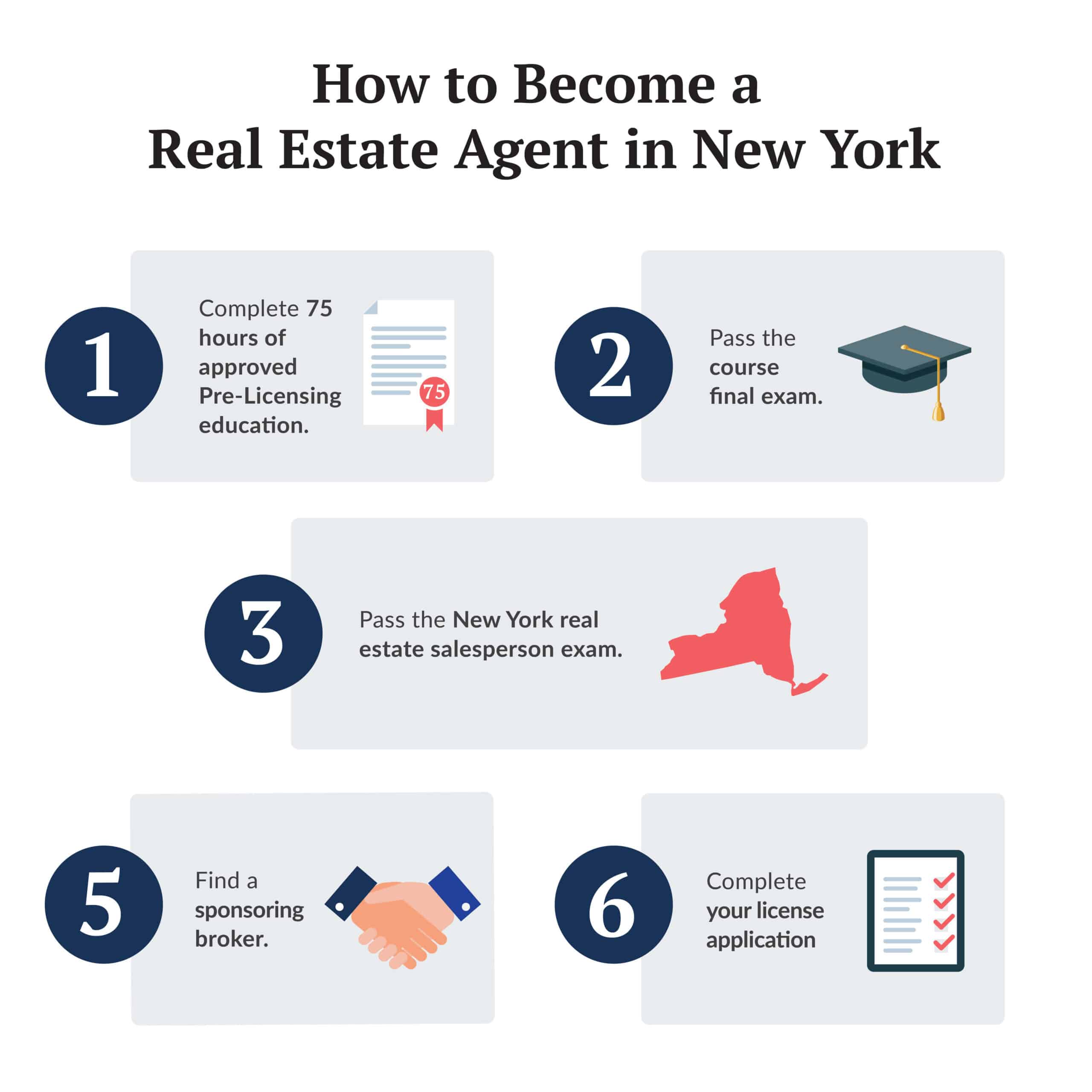
Before you can even consider becoming a broker, the crucial first step is to obtain your New York Real Estate Salesperson License. This is the entry-level qualification that allows you to legally represent buyers and sellers in real estate transactions. The New York Department of State, Division of Licensing Services, oversees the licensing process, ensuring all aspiring agents meet specific criteria.
Meeting Eligibility Requirements
To begin your journey towards a real estate license, you must meet several fundamental requirements. Primarily, you need to be at least 18 years of age and have a high school diploma or its equivalent. You cannot have been convicted of a felony, especially one that involves fraud or moral turpitude, as this could disqualify you from obtaining a license. Beyond these basic qualifications, the core of becoming a salesperson is the education component.
Completing the Required Real Estate Education
New York mandates that all aspiring real estate salespersons complete a 75-hour pre-licensing course. This course is designed to equip you with the foundational knowledge necessary to understand real estate principles, laws, ethics, and practices. You can find approved real estate schools throughout New York, offering both in-person and online learning options. Choosing a reputable school is paramount, as the quality of instruction can significantly impact your success in the subsequent licensing exam. The curriculum typically covers a broad range of topics, including:
- Real property law and ownership
- Contracts and agency relationships
- Financing and mortgage concepts
- Fair housing laws and ethical conduct
- New York specific real estate regulations
- Property management and appraisal basics
Upon successful completion of the course, you will receive a certificate of completion, which is essential for the next stage.
Passing the New York Real Estate Salesperson Exam
Once you have your 75-hour course certificate, you are eligible to apply for your salesperson license and schedule your exam. The New York State Real Estate Salesperson Examination is administered by the Department of State. It’s a comprehensive test that assesses your understanding of the material covered in your pre-licensing course. The exam typically consists of multiple-choice questions and covers both general real estate principles and New York specific laws and practices.
To prepare adequately, it is highly recommended to review your course materials thoroughly, utilize practice exams, and familiarize yourself with the official candidate information booklet provided by the Department of State. Passing this exam is a significant milestone, as it signifies your readiness to enter the professional real estate arena.
Submitting Your License Application and Background Check
After successfully passing the exam, you will need to submit your official license application along with the required fees. As part of the application process, you will likely undergo a background check. This typically involves fingerprinting and a review of your criminal history. It’s important to be honest and upfront about any past legal issues. Once your application is approved and all requirements are met, you will be issued your New York Real Estate Salesperson License.
The Transition to Broker: Advancing Your Career
Holding a salesperson license is a crucial stepping stone, but the ultimate goal for many is to become a licensed real estate broker. A broker has a higher level of authority and responsibility; they can work independently, own their own real estate firm, and supervise salespersons. The path to becoming a broker involves additional education, experience, and a more advanced examination.
Gaining Essential Experience as a Salesperson
New York State requires aspiring brokers to accumulate a minimum amount of practical experience before they can apply for a broker’s license. Specifically, you must have actively worked as a licensed real estate salesperson for at least two years. During this time, you will gain invaluable hands-on experience in dealing with clients, negotiating deals, understanding market trends, and navigating the intricacies of New York real estate transactions. This experience is not just a formality; it’s vital for developing the skills and knowledge necessary to excel as a broker.
You may consider working for a reputable real estate brokerage during these years. This provides a structured environment to learn from experienced professionals, observe different brokerage models, and build a professional network. Many successful brokers began their careers at established firms, honing their skills before branching out on their own.
Completing the Broker Pre-Licensing Education
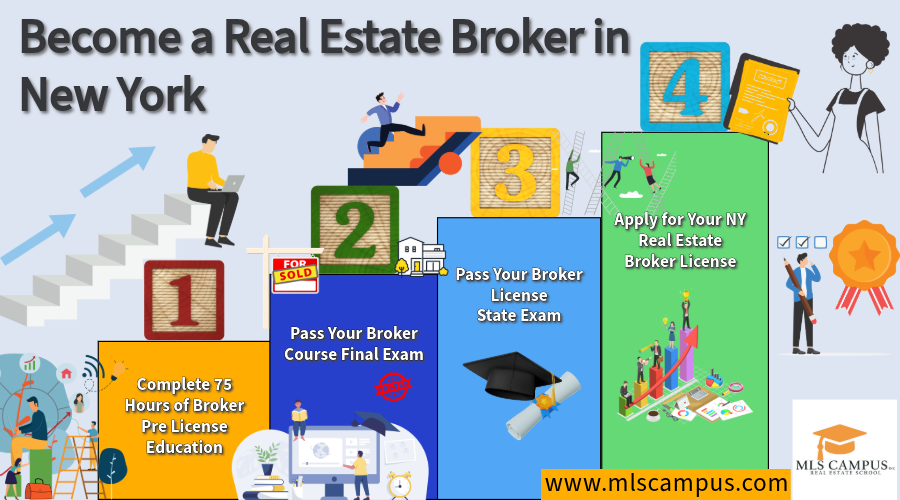
Once you have met the experience requirement, the next step is to complete the New York State Real Estate Broker Pre-Licensing Course. This is a more advanced course than the initial salesperson program, delving deeper into complex real estate concepts, business management, ethics, and legal responsibilities specific to brokers. The course typically comprises 120 hours of instruction, covering topics such as:
- Advanced contract law and negotiation strategies
- Real estate finance and investment analysis
- Property management and landlord-tenant laws
- Brokerage office management and supervision
- Real estate ethics and professional conduct at a higher level
- New York State laws affecting brokers
Similar to the salesperson course, choosing an accredited and well-regarded school is essential. This course will provide the specialized knowledge needed to pass the broker’s exam and operate effectively as a licensed broker.
Passing the New York Real Estate Broker Exam
With your broker pre-licensing course certificate in hand, you are eligible to apply for and schedule the New York State Real Estate Broker Examination. This exam is more rigorous than the salesperson exam and tests your comprehensive understanding of advanced real estate principles, New York State brokerage laws, and ethical responsibilities.
Preparation is key. Study diligently, review all course materials, and practice with mock exams. Understanding the nuances of supervising salespersons, managing an office, and navigating complex transactions will be critical to your success. Passing the broker exam is a significant achievement, signifying your readiness to take on the responsibilities and opportunities that come with being a New York real estate broker.
Finalizing Your Broker License Application
After passing the broker exam, you will submit your formal broker license application. This application will require proof of your completed education, exam results, and the fulfillment of your experience requirements. You will also need to pay the applicable licensing fees. A thorough review of your application and background will be conducted by the Department of State. Once all requirements are satisfied, you will be granted your New York Real Estate Broker License, empowering you to operate as an independent professional in the New York real estate market.
Thriving as a New York Real Estate Broker
Obtaining your broker’s license is just the beginning of your career. To truly thrive in the competitive New York real estate market, you need to develop strategic approaches to client acquisition, business management, and continuous professional growth.
Building Your Business and Client Base
As a newly licensed broker, establishing a strong presence and a steady stream of clients is paramount. Consider the following strategies:
- Networking: Attend industry events, join local real estate associations, and connect with other professionals. Building relationships with mortgage brokers, attorneys, inspectors, and contractors can lead to valuable referrals.
- Marketing and Branding: Develop a professional online presence, including a website and social media profiles. Highlight your expertise and the unique value you offer clients. Consider targeted advertising to reach your ideal clientele.
- Specialization: New York is a vast and diverse market. You might choose to specialize in a particular neighborhood, property type (e.g., luxury condos, commercial spaces, investment properties), or client segment (e.g., first-time homebuyers, relocating professionals). This focus can help you become an expert in your niche.
- Client Service Excellence: Word-of-mouth referrals are incredibly powerful. Go above and beyond for your clients, providing exceptional service, clear communication, and expert guidance. Happy clients are your best advocates.
Understanding the New York Market Landscape
The New York real estate market, particularly in cities like New York City, is known for its rapid pace, high property values, and unique legal and transactional complexities. As a broker, you must stay informed about:
- Market Trends: Keep abreast of current sales data, inventory levels, rental rates, and economic factors influencing the market.
- Legal Regulations: Continuously educate yourself on New York State and local real estate laws, zoning ordinances, and building codes.
- Neighborhoods: Develop in-depth knowledge of various neighborhoods, understanding their amenities, transportation options, schools, and lifestyle offerings. This knowledge is crucial for guiding clients to suitable properties, whether they are looking for a charming apartment in Greenwich Village, a family home in Long Island, or a commercial space in Syracuse.

Continuous Learning and Professional Development
The real estate industry is constantly evolving. To maintain your competitive edge and provide the best service, commit to ongoing professional development. This can include:
- Continuing Education: Beyond the mandatory continuing education requirements for license renewal, seek out advanced training in areas like negotiation, marketing, property valuation, or specific types of real estate transactions.
- Industry Publications: Subscribe to real estate trade journals and follow reputable real estate news sources.
- Mentorship: Seek out experienced brokers for guidance and mentorship. Their insights can be invaluable as you navigate your career.
Becoming a real estate broker in New York is a journey that requires perseverance, education, and a genuine passion for helping people achieve their real estate goals. By understanding and diligently following the steps outlined above, you can build a successful and fulfilling career in one of the world’s most exciting real estate markets.
LifeOutOfTheBox is a participant in the Amazon Services LLC Associates Program, an affiliate advertising program designed to provide a means for sites to earn advertising fees by advertising and linking to Amazon.com. Amazon, the Amazon logo, AmazonSupply, and the AmazonSupply logo are trademarks of Amazon.com, Inc. or its affiliates. As an Amazon Associate we earn affiliate commissions from qualifying purchases.