
The allure of the Texas Ranger badge is undeniable. For generations, these legendary lawmen have been symbols of justice, bravery, and the untamed spirit of the Lone Star State. While the romanticized image of the stoic Ranger facing down outlaws against a dusty sunset is a powerful one, the reality of becoming a Texas Ranger is a demanding yet achievable path for those with the right dedication, skills, and unwavering commitment to public service. This guide delves into the rigorous requirements, the specialized training, and the unique lifestyle that defines a Texas Ranger, offering an in-depth look for aspiring law enforcement officers who dream of wearing the iconic star.

The Foundation: Becoming a Peace Officer
Before one can even dream of the Texas Ranger Division, the fundamental requirement is to become a certified peace officer in the State of Texas. This initial hurdle is significant and involves a comprehensive process designed to ensure that only qualified individuals enter the law enforcement profession.
Education and Basic Requirements
The journey begins with meeting basic eligibility criteria. Aspiring officers must possess a high school diploma or a GED equivalent. Beyond academic qualifications, a clean criminal record is paramount. Any felony conviction, or even certain misdemeanor convictions, can disqualify an applicant. Applicants are also typically required to be U.S. citizens and at least 21 years of age. A valid Texas driver’s license is also a standard prerequisite.
The physical and mental fortitude required for law enforcement is tested through rigorous examinations. Applicants must pass a physical fitness assessment, which often includes tests for strength, endurance, and agility. A thorough medical examination ensures that candidates are physically capable of performing the demanding duties of a peace officer. Furthermore, a psychological evaluation is conducted to assess an individual’s mental stability, decision-making abilities, and suitability for the stresses of law enforcement.
The Police Academy and Certification
Once these initial requirements are met, the next crucial step is successfully completing a Texas Commission on Law Enforcement (TCOLE) approved police academy. These academies are intensive training grounds that impart the knowledge and skills necessary for effective law enforcement. The curriculum covers a wide range of subjects, including Texas law, criminal investigation, firearms proficiency, defensive tactics, emergency vehicle operations, and constitutional law. The academy environment is highly disciplined, fostering teamwork, integrity, and the ethical principles that underpin law enforcement.
Graduation from the academy leads to TCOLE certification, making an individual a licensed peace officer in Texas. This certification is the gateway to law enforcement employment across the state, whether with a municipal police department, a county sheriff’s office, or a state agency.
Advancing to the Ranks: Experience and Specialization
The Texas Ranger Division is not an entry-level position. It is a highly sought-after assignment within the Texas Department of Public Safety (DPS) that requires significant prior law enforcement experience and a proven track record of excellence.
The Prerequisite of Law Enforcement Experience
To be considered for a Texas Ranger position, applicants must have a minimum of five years of experience as a licensed peace officer in Texas. This experience should be varied and demonstrate a strong understanding of different aspects of law enforcement. Ideally, this experience would include roles in patrol, investigations, and potentially specialized units. The DPS looks for officers who have proven themselves capable of handling complex cases, working independently, and demonstrating sound judgment in high-pressure situations.
The nature of the experience is as important as the duration. Candidates are evaluated based on their performance evaluations, commendations, disciplinary history, and the scope of their responsibilities in previous roles. A history of successful investigations, contributions to community safety, and a demonstrated commitment to upholding the law are all critical factors.

The Internal Selection Process
The selection process for becoming a Texas Ranger is highly competitive and internally driven. Vacancies within the Texas Ranger Division are typically filled by promoting existing commissioned officers within the Texas Department of Public Safety. This means that individuals seeking to become Rangers often first need to join the DPS as a state trooper or in another commissioned role.
Once an officer has accumulated the required experience and demonstrates the desired qualities, they can apply for an opening when one arises. The application process involves submitting a detailed resume, undergoing further interviews, and potentially undergoing additional assessments. The DPS has a rigorous evaluation process that considers not only an applicant’s experience but also their leadership potential, investigative acumen, and their ability to represent the proud legacy of the Texas Rangers. Personal integrity, discretion, and the ability to maintain confidentiality are paramount qualities that are thoroughly scrutinized.
The Ranger’s Life: Duties, Training, and Lifestyle
Becoming a Texas Ranger means embracing a demanding but deeply rewarding career dedicated to serving and protecting the citizens of Texas. The role is multifaceted, requiring adaptability, expertise, and an unwavering commitment to justice.
The Diverse Duties of a Texas Ranger
Texas Rangers are state-level investigators with a broad range of responsibilities. Their duties often include:
- Investigating Major Crimes: This is perhaps the most iconic aspect of the Ranger’s role. They investigate homicides, complex financial crimes, public corruption, and other serious offenses that may cross jurisdictional lines or require specialized investigative skills.
- Providing Specialized Investigative Support: Rangers offer expertise and assistance to local law enforcement agencies across the state, particularly in cases that are complex, politically sensitive, or beyond the resources of local departments.
- Protecting Public Officials: In certain high-risk situations, Rangers may be tasked with providing security for public officials.
- Disaster Response and Recovery: During natural disasters or major emergencies, Rangers play a crucial role in coordinating response efforts, assisting victims, and maintaining order.
- Enforcing State Laws: While primarily investigators, Rangers also have statewide law enforcement authority and can enforce any state law.
The work of a Ranger often involves extensive travel throughout the vast state of Texas. This necessitates a deep understanding of the state’s geography, its diverse communities, and the unique challenges faced by different regions. From the bustling urban centers like Houston and Dallas to the remote ranches of West Texas, Rangers are deployed wherever their expertise is needed.
Specialized Training and Continuous Development
While the police academy provides a solid foundation, becoming a Texas Ranger involves continuous learning and specialized training. Rangers often attend advanced investigative courses focusing on areas such as forensic science, interviewing techniques, cybercrime, and tactical operations. The DPS invests in ensuring its Rangers are at the forefront of investigative methodologies and technologies.
Furthermore, the collaborative nature of law enforcement means Rangers frequently work alongside other agencies, including the Federal Bureau of Investigation (FBI), the Drug Enforcement Administration (DEA), and local police departments. This interagency cooperation is vital for tackling modern criminal enterprises and ensuring comprehensive justice.
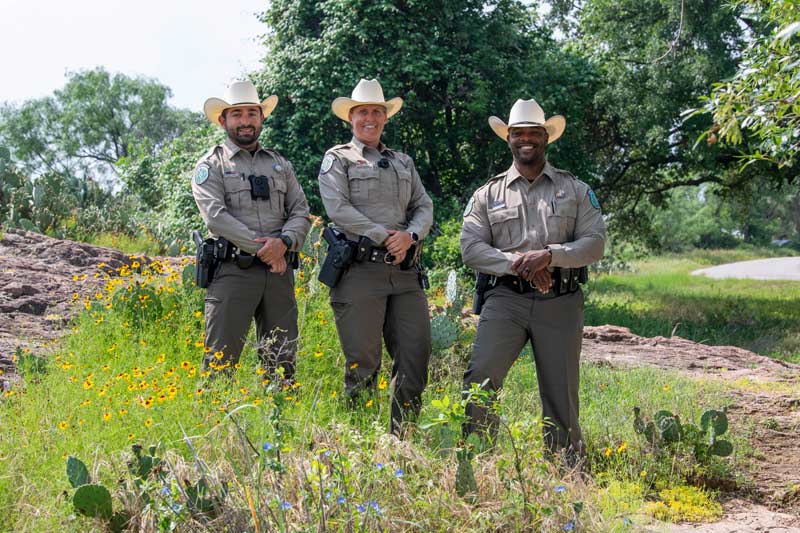
The Unique Lifestyle of a Ranger
The life of a Texas Ranger is not a typical 9-to-5 job. It demands significant personal sacrifice and a willingness to adapt to unpredictable circumstances. Rangers often work long and irregular hours, responding to calls at any time of day or night. The job can be dangerous, requiring courage and a commitment to confronting threats head-on.
The lifestyle also involves a degree of public scrutiny and the responsibility of upholding a legacy built over centuries. The iconic star worn by Texas Rangers is more than just a symbol of authority; it represents a tradition of integrity, honor, and a deep-seated commitment to the people of Texas. For those who are drawn to the challenge and the profound sense of purpose, the path to becoming a Texas Ranger, though arduous, offers a lifetime of service and the opportunity to contribute to one of America’s most storied law enforcement agencies. The journey requires not just a desire to wear the badge, but a profound dedication to the ideals it represents.
LifeOutOfTheBox is a participant in the Amazon Services LLC Associates Program, an affiliate advertising program designed to provide a means for sites to earn advertising fees by advertising and linking to Amazon.com. Amazon, the Amazon logo, AmazonSupply, and the AmazonSupply logo are trademarks of Amazon.com, Inc. or its affiliates. As an Amazon Associate we earn affiliate commissions from qualifying purchases.