
Understanding the Logistics of Third-Party Hotel Bookings
Booking accommodation on behalf of another individual is a common scenario in both personal and professional contexts. Whether you are arranging a romantic getaway for your parents to Paris, organizing a business trip for a colleague traveling to New York City, or gifting a luxurious stay at the Ritz-Carlton, the process requires more than simply entering your own credit card details. Properties maintain strict policies regarding guest registration, identity verification, and payment security. Navigating these rules successfully ensures that your guest enjoys a seamless check-in experience without unexpected administrative hurdles.
Why Hotel Policies Matter
Hotels operate under stringent liability and security guidelines. When a guest arrives at the front desk, the property must verify their identity against the reservation. If the name on the reservation does not match the identification of the person standing at the counter, front desk agents may deny check-in. Furthermore, properties hold security deposits for incidentals—such as room service, spa treatments, or minibar usage—which typically requires a credit card physically present in the guest’s name. Understanding these operational realities is the first step toward executing a successful third-party booking.
The Role of Online Travel Agencies vs. Direct Booking
When deciding how to reserve a room for someone else, the method of booking significantly impacts your flexibility. Using third-party platforms like Booking.com or Expedia can sometimes complicate third-party arrangements because their customer service acts as an intermediary. Conversely, booking directly through a hotel chain’s website—such as Marriott International or Hilton Worldwide—often provides clearer channels to communicate special instructions directly to the property management team.
Step-by-Step Methods for Reserving a Room for Another Guest
Executing a reservation for a third party involves specific procedures that vary depending on whether you want the guest to handle their own incidentals or if you intend to cover all potential expenses. To avoid friction upon arrival, you must choose the appropriate reservation workflow.
Method 1: Adding the Guest as the Primary Occupant
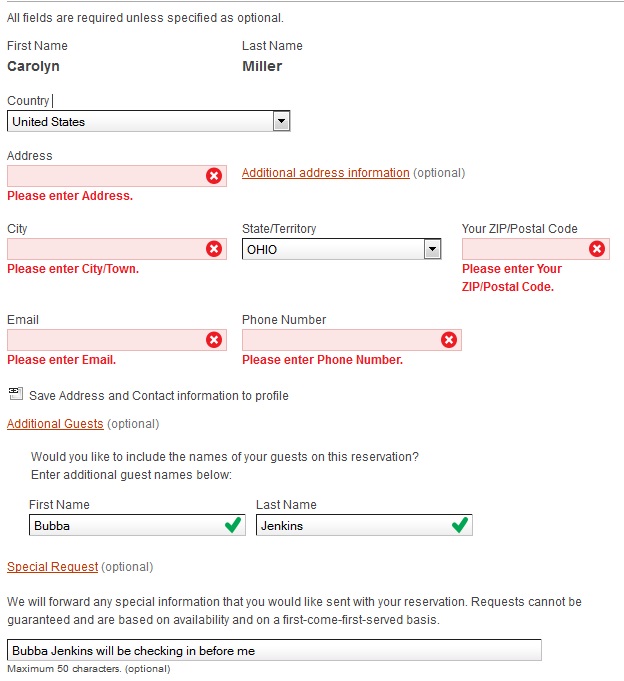
The most straightforward and universally accepted method is to enter the actual traveler’s name as the primary guest during the booking process, while using your own billing information for the payment.
- Enter the Traveler’s Details: In the guest information or passenger details section, input the full legal name of the person staying at the hotel, ensuring it matches the government-issued photo ID they will present at check-in.
- Use Your Payment Details: Proceed to the payment screen and enter your credit card information. Note that while you are paying for the room rate and taxes, the hotel will still request a card from the guest at check-in for incidentals.
- Notify the Hotel: Immediately after booking, call or email the hotel’s front desk or reservations department. Inform them that you have booked and paid for the room on behalf of another individual, and ask them to add a note to the reservation file.
Method 2: Utilizing a Credit Card Authorization Form
If you are paying for everything—including room, tax, and incidentals—and you do not want your guest to present their own credit card, you must complete a Credit Card Authorization (CCA) form.
- Request the Form: Contact the hotel’s accounting or reservations department and ask them to email you a secure credit card authorization form.
- Complete and Return: Fill out the document accurately, detailing what charges you authorize (e.g., room and tax only, or all incidental charges). You will typically need to provide copies of the front and back of your credit card, as well as your photo ID, depending on the property’s security protocols.
- Confirm Processing: Submit the form well in advance of the check-in date. Follow up with the hotel to ensure the document has been approved and securely attached to the guest’s folio.
Method 3: Booking Through Hotel Loyalty Programs
If you hold elite status with a hotel group such as Hyatt Hotels Corporation or InterContinental Hotels Group, you may wish to extend benefits like complimentary breakfast, lounge access, or room upgrades to your guest.
- Guest of Honor Bookings: Certain loyalty programs allow members to redeem points for someone else’s stay while transferring elite benefits to them. For example, World of Hyatt features a formal “Guest of Honor” award program.
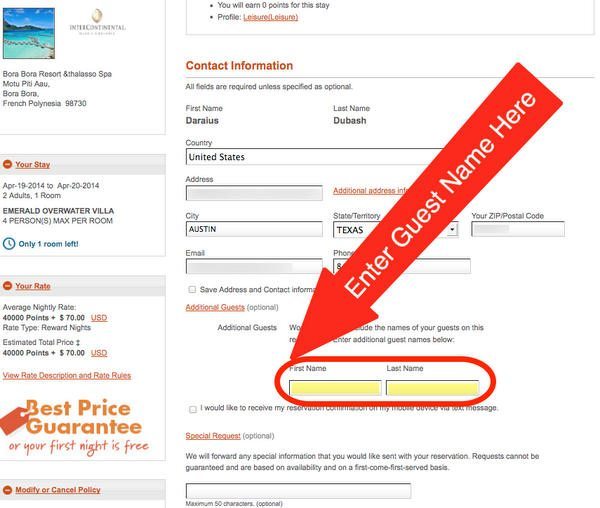
- Adding an Additional Guest: If paying with cash or standard rates, you can often add the traveler’s name to the reservation as a co-guest or designate them as the primary person checking in, though elite benefits may not automatically transfer unless specified by the program’s terms and conditions.

Special Considerations for Business Travel and Gifting
Different motivations require tailored approaches when booking accommodations for other people. Whether you are an executive assistant managing corporate travel or a family member planning a surprise anniversary trip, specific protocols safeguard the experience.
Corporate Bookings and Business Travel
When booking for an employee, contractor, or colleague traveling to a commercial hub like London or Tokyo, consistency and policy compliance are paramount.
- Corporate Travel Portals: Utilize corporate booking tools or business accounts with brands like Accor to streamline invoicing and ensure corporate rates are applied correctly.
- Direct Billing Arrangements: Establish a direct billing account with preferred hotel partners if your company frequently books rooms for staff members. This eliminates the need for individual credit card authorizations for every single stay.
- Clear Communication of Expenses: Clearly outline what expenses the company covers—such as lodging and parking—versus out-of-pocket costs like personal phone calls or mini-bar items that the employee must settle upon departure.
Gifting Hotel Stays for Special Occasions
Surprising a loved one with a stay at a renowned resort like the Four Seasons Resort Maui requires a delicate touch to maintain the element of surprise while ensuring logistical success.
- Coordinate with Concierge Services: Reach out to the concierge ahead of time to arrange special touches, such as champagne, flowers, or a personalized welcome note waiting in the room upon arrival.
- Communicate the Surprise: Ensure the front desk staff is fully aware that the stay is a gift, instructing them not to send billing statements or payment inquiries to the guest during their stay.
- Provide Confirmation Details: Even though the guest does not need to pay, provide them with a digital or printed copy of the confirmation number and hotel address so they can easily navigate to the property, whether they are visiting Sydney or Rome.
Troubleshooting Common Check-In Issues and Solutions
Despite careful planning, unexpected complications can occasionally arise when a third party checks into a hotel. Being prepared for these scenarios allows you to resolve issues swiftly, even from a distance.
What to Do If Check-In is Denied
If your guest contacts you from the front desk stating that they are unable to check in because the reservation name does not match their identification or payment method, immediate action is required.
- Phone the Front Desk Directly: Speak immediately with the front office manager on duty. Explain clearly that you are the financial guarantor of the room and offer to read your credit card details over a secure line or send an instant electronic authorization form.
- Provide Identification Verification: Be prepared to email a photo of your driver’s license or passport to the hotel’s designated secure email address to verify your identity as the cardholder.
- Have the Guest Use a Backup Card: If time is of the essence and immediate authorization is impossible, instruct your guest to use their own credit card for the initial check-in deposit. You can reimburse them later or transfer funds directly, ensuring they get into their room without further delay.
Managing Incidental Deposits and Holds
Every hotel places a temporary authorization hold on a credit card at check-in to cover potential incidentals. This is a frequent point of confusion for travelers whose rooms were prepaid by someone else.
- Educate Your Guest: Inform the traveler beforehand that they will need to present their own credit card or debit card at check-in purely for incidental security holds, and that this card will not be charged for the room rate if it has already been paid in full.
- Understand Hold Timelines: Remind guests that incidental holds typically take several business days to drop off their bank statements after checkout, depending on their financial institution.
By understanding hotel policies, utilizing proper authorization channels, and communicating clearly with property management, you can successfully book accommodation for anyone anywhere in the world, ensuring a smooth, stress-free stay for your guest.
LifeOutOfTheBox is a participant in the Amazon Services LLC Associates Program, an affiliate advertising program designed to provide a means for sites to earn advertising fees by advertising and linking to Amazon.com. Amazon, the Amazon logo, AmazonSupply, and the AmazonSupply logo are trademarks of Amazon.com, Inc. or its affiliates. As an Amazon Associate we earn affiliate commissions from qualifying purchases.