
Booking a hotel room for a friend, family member, business colleague, or client is a common task, yet it is fraught with potential pitfalls. Hotels have strict security protocols, identity verification procedures, and payment policies designed to prevent fraud. If you simply input your own name and credit card, the actual guest may find themselves stranded at the front desk without a room key, or worse, denied check-in entirely. Navigating the nuances of third-party reservations requires careful planning, transparent communication with the property, and an understanding of hospitality industry standards. Whether you are arranging a luxurious stay at the Ritz-Carlton in New York or a comfortable boutique experience in Paris, mastering the correct procedures ensures a seamless check-in experience for your guest.

Understanding Hotel Policies Regarding Third-Party Bookings
Before you begin the reservation process, it is vital to understand that hotels view third-party bookings with inherent caution. Front desk agents are trained to protect guests from identity theft and unauthorized charges. Consequently, the name on the reservation typically must match the name of the person checking in, and the credit card used for payment must be physically present at the time of arrival, accompanied by the cardholder’s government-issued photo identification.
Ignoring these standard operating procedures can lead to frustration. If you book a room under your own name for someone else to use, the hotel may refuse to hand over the keys unless you are present to verify the transaction. Major international hospitality brands, such as Marriott and Hilton, enforce these policies strictly across their properties worldwide. Understanding these barriers is the first step toward executing a successful booking that satisfies both the guest and the lodging establishment.
Common Misconceptions About Online Travel Agencies
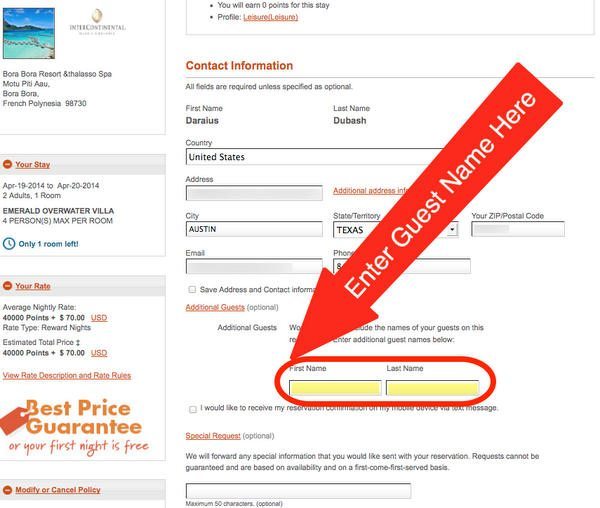
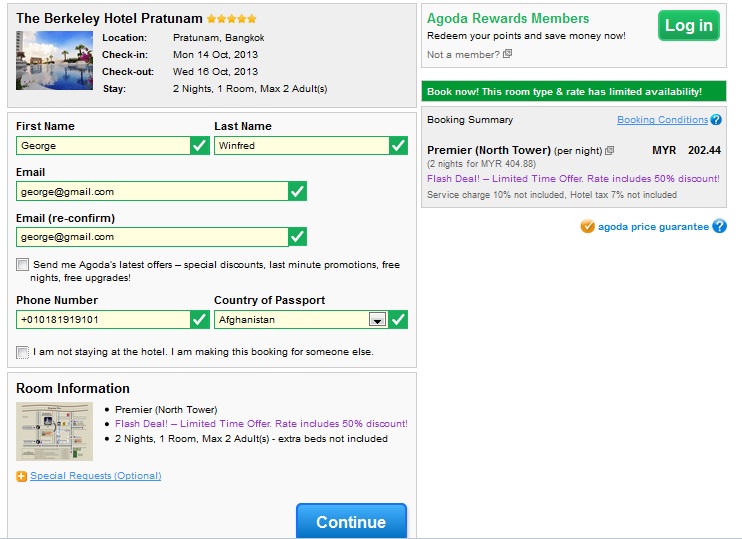
Many travelers assume that booking through major online travel platforms, such as Expedia or Booking.com, solves the problem of reserving a room for someone else. While these platforms do allow you to input a different guest’s name in the guest details section, complications frequently arise. Prepaid reservations made through third-party sites often require the checking-in guest to present the exact credit card used to make the online purchase. If that card belongs to you and remains hundreds of miles away, the front desk may require a new form of payment, effectively forcing your guest to pay out of pocket or leaving you scrambling to authorize a remote transaction.
Step-by-Step Methods to Book a Room for Another Person
Fortunately, hotels accommodate third-party bookings regularly for corporate travelers, wedding parties, and gift-givers. Several reliable methods allow you to secure and pay for a room while ensuring your guest enjoys a hassle-free arrival.
Method 1: Contacting the Hotel Directly
The most foolproof method for booking a room for someone else is to bypass online booking engines entirely and contact the hotel’s reservation department or front desk directly. Speaking with a human representative allows you to explain the situation transparently.
- Call the specific property rather than a centralized 800-number to speak with local staff who understand the nuances of the property.
- Inform the reservation agent that you are paying for the room, but another individual will be the registered guest.
- Ask the agent to add the actual guest’s name to the primary reservation profile so their identification matches the system records.
Method 2: Utilizing a Credit Card Authorization Form
When you pay for a room that someone else will occupy, the hotel will almost always require a Credit Card Authorization (CCA) form. This is a legally binding document that permits the hotel to charge your credit card for room and tax, as well as any incidental charges incurred during the stay.
To execute this properly:
- Request a credit card authorization form directly from the hotel’s finance or reservations department.
- Fill out the form completely, detailing the guest’s name, arrival and departure dates, and the specific charges you agree to cover.
- Attach clear, legible photocopies of the front and back of your credit card, along with a copy of your government-issued photo ID, as requested by the hotel’s security guidelines.
- Securely transmit the documents back to the hotel through their encrypted email channel or secure fax line. Never send unencrypted credit card details via standard email.
Method 3: Booking Through Corporate Travel Portals
If you are arranging accommodation for an employee, business partner, or client, utilizing corporate booking tools or business-specific accounts with brands like Hyatt or InterContinental simplifies the process. Corporate accounts often have pre-approved billing arrangements, known as “direct billing” or “ghost accounts,” where the company’s master account is automatically billed for the stay. This eliminates the need for individual credit card authorization forms for every single business trip, streamlining travel management for organizations of all sizes.
Managing Incidental Charges and Special Requests
Securing the room and paying for the nightly rate is only part of the equation. Hotels also place a hold on a credit card for incidental charges—such as room service, minibar consumption, spa treatments, or parking—upon check-in. This presents a unique challenge when you are paying for someone else’s stay.
Handling Incidentals Without Embarrassment
You must decide in advance how incidental expenses will be handled. If you wish to cover everything, your credit card authorization form must explicitly state that you are paying for both room and tax, plus all incidentals. However, many hosts prefer not to cover open-ended incidental spending.
If you choose not to cover incidentals, the guest checking into the hotel must present their own personal credit card at the front desk to cover these potential expenses, even if the room itself has been fully prepaid by you. Communicating this clearly to your guest beforehand prevents any awkward moments or unexpected out-of-pocket requirements at the front desk of luxury properties like the Four Seasons or Mandarin Oriental.
Communicating Special Requests and Preferences
When you book a room for someone else, you also take on the responsibility of communicating their preferences to the hotel. Whether you are arranging a romantic getaway in San Francisco or a relaxing beach retreat in Maui, personal touches matter.
- Contact the concierge or guest relations team a few days prior to arrival to arrange special amenities, such as champagne, flowers, or welcome notes.
- Specify bed type preferences (king versus double-queen) to ensure your guest is comfortable.
- Inquire about loyalty program benefits. If you hold elite status with a hotel chain like IHG or Accor, note that loyalty points and elite benefits generally do not transfer to a third-party guest unless you are staying in the room with them. However, properties are often willing to extend minor courtesies, such as high floors or quiet rooms, when informed in advance.
Best Practices and Pro Tips for a Flawless Experience
To guarantee that your thoughtful gesture goes off without a hitch, adhere to a few final best practices gathered from seasoned hospitality professionals.
First, maintain a paper trail. Keep copies of all email correspondence, confirmation numbers, signed authorization forms, and direct communication with the hotel manager. Send a digital copy of the confirmation email directly to your guest so they have all relevant details, including the confirmation code, hotel phone number, and address, readily available on their smartphone.
Second, establish a communication channel for the day of check-in. Let your guest know they can reach out to you if any unexpected issues arise at the front desk. Similarly, let the hotel front desk supervisor know how to contact you urgently if there is a discrepancy with the payment or reservation details.
Finally, plan ahead during peak travel seasons. If you are booking a room during major holidays or bustling events in cultural hubs like London or Tokyo, third-party verification processes can take longer due to high occupancy rates and busy staff. Initiating the booking process and submitting authorization paperwork at least one to two weeks in advance ensures that everything is processed, verified, and approved long before your guest walks through the front doors. By following these structured guidelines, you transform a potentially complicated administrative hurdle into a smooth, welcoming, and memorable hospitality experience for your guest.
LifeOutOfTheBox is a participant in the Amazon Services LLC Associates Program, an affiliate advertising program designed to provide a means for sites to earn advertising fees by advertising and linking to Amazon.com. Amazon, the Amazon logo, AmazonSupply, and the AmazonSupply logo are trademarks of Amazon.com, Inc. or its affiliates. As an Amazon Associate we earn affiliate commissions from qualifying purchases.