
Navigating the complexities of breaking a lease in Texas can feel like traversing a labyrinth, especially when unexpected life circumstances arise. Whether it’s a job relocation, a change in family dynamics, or simply a need for a different living situation, understanding your rights and obligations as a tenant is paramount. Texas law, like that of other states, provides specific guidelines and protections, but also imposes responsibilities that, if overlooked, can lead to significant financial and legal repercussions. This guide aims to demystify the process, offering a comprehensive overview of the legal framework, common scenarios, and strategic approaches to minimize the impact of breaking a lease in the Lone Star State.

Understanding Lease Agreements and Tenant Rights in Texas
A lease agreement is a legally binding contract between a landlord and a tenant, outlining the terms and conditions of a rental property. In Texas, these agreements are governed by the Texas Property Code. For tenants, understanding the nuances of their lease is the first step in any discussion about early termination. Key clauses to scrutinize include those pertaining to early termination, subletting, and the landlord’s duty to mitigate damages.
The Duty to Mitigate Damages
One of the most significant tenant protections in Texas is the landlord’s duty to mitigate damages. This means that if a tenant breaks a lease, the landlord cannot simply sit back and collect rent for the remainder of the lease term. Instead, they have a legal obligation to make a reasonable effort to re-rent the property. If the landlord successfully finds a new tenant, the original tenant’s financial obligation may be reduced or eliminated.
- What constitutes “reasonable effort”? This typically involves advertising the property, showing it to prospective tenants, and considering all qualified applicants. A landlord cannot unreasonably refuse a suitable tenant, nor can they demand rent that is significantly higher than the original lease.
- Proving mitigation: Tenants who are breaking their lease should keep records of their communication with the landlord regarding the move-out and any efforts the landlord makes to re-rent the property. This can be crucial evidence if a dispute arises.
Subletting and Assignment
Many leases include provisions for subletting or assigning the lease.
- Subletting: This is when a tenant rents out the property to another person while remaining on the original lease agreement. The original tenant is still responsible to the landlord for the rent and any damages.
- Assignment: This is when a tenant transfers their entire lease interest to another person, and the new tenant takes over the lease obligations. The original tenant is typically released from their obligations to the landlord, provided the landlord agrees to the assignment.
Checking the lease for clauses on subletting or assignment can offer a viable path to exiting the lease with less financial burden, as finding a suitable subtenant or assignee can fulfill the landlord’s need for occupancy.
Early Termination Clauses
Some leases may contain specific clauses addressing early termination. These clauses can outline the conditions under which a tenant can break the lease and the penalties associated with it. While these clauses can sometimes offer a predefined exit strategy, they may also impose significant financial penalties, such as paying a predetermined fee or forfeiting a portion of the security deposit. It is imperative to carefully review this section of your lease.
Legally Justified Reasons to Break a Lease in Texas
While a lease is a binding contract, Texas law recognizes certain circumstances that legally justify a tenant’s early termination without penalty. These provisions are designed to protect tenants in situations beyond their control.
Military Duty and Deployment
The federal Servicemembers Civil Relief Act (SCRA) and similar state laws provide significant protections for military personnel. Members of the U.S. Armed Forces (including active duty, commissioned corps of the Public Health Service and the National Oceanic and Atmospheric Administration) can terminate a lease if they receive orders for a permanent change of station or are deployed for at least 90 days.
- Notification requirements: To utilize this protection, the service member must provide written notice to the landlord, accompanied by a copy of the official military orders. The termination is typically effective 30 days after the next rent due date following the date of the notice.
Domestic Violence, Sexual Assault, or Stalking
Texas law offers protections for victims of family violence, sexual assault, or stalking. A tenant who is a victim of these crimes may be able to terminate their lease if they provide proper documentation.
- Documentation: This usually involves a court order (such as a protective order) or a written statement from a qualified professional (like a law enforcement officer, physician, or licensed psychologist) certifying that the tenant is a victim of family violence, sexual assault, or stalking and that their safety requires them to vacate the premises.
- Notice period: The tenant must provide written notice to the landlord, typically 30 days in advance, along with the required documentation.
Landlord’s Failure to Repair
If a landlord fails to make necessary repairs to a rental property after receiving proper written notice from the tenant, and these conditions materially affect the physical health and safety of an ordinary tenant, the tenant may have grounds to break the lease.
- Tenant’s responsibilities: Before resorting to this option, the tenant must provide the landlord with written notice of the problem and allow a reasonable time for repairs. What constitutes “reasonable time” can vary depending on the severity of the issue.
- Lease termination: If the landlord fails to make the repairs within a reasonable timeframe, the tenant may have the right to terminate the lease. This often involves providing a second written notice of their intent to vacate.
Uninhabitable Living Conditions
Similar to the failure to repair, if a rental property becomes uninhabitable due to reasons not caused by the tenant (e.g., severe mold infestation, structural damage from a natural disaster like a hurricane near the Gulf Coast), the tenant may be able to break the lease.

- Defining uninhabitability: This generally refers to conditions that make the property unsafe or unhealthy to live in, significantly impacting the tenant’s well-being.
- Legal process: Tenants should consult with legal counsel or tenant advocacy groups to ensure they are following the correct legal procedures for declaring a property uninhabitable and terminating a lease.
Strategies for Minimizing Penalties When Breaking a Lease
Even when a legally justifiable reason doesn’t apply, tenants can employ several strategies to mitigate the financial consequences of breaking a lease in Texas. Proactive communication and a willingness to cooperate are often the most effective tools.
Open Communication with the Landlord
The first and often most crucial step is to communicate openly and honestly with your landlord as soon as you know you need to break your lease. Explain your situation clearly and politely. Many landlords are willing to work with tenants to find a mutually agreeable solution, especially if the tenant has a good rental history and demonstrates a genuine effort to minimize their impact.
- Early notification: Informing your landlord well in advance of your intended move-out date provides them with more time to find a replacement tenant, which directly aids their duty to mitigate damages.
- Proposing solutions: You might suggest finding a replacement tenant yourself, offering to cooperate fully with showings, or proposing a buyout option.
Negotiating a Buyout Agreement
A buyout agreement is a formal negotiation where the tenant pays a lump sum of money to the landlord in exchange for being released from the lease obligations. This offers certainty for both parties. The tenant knows their financial responsibility upfront, and the landlord receives compensation for the early termination and any potential lost rent.
- Fair compensation: The buyout amount will depend on various factors, including the remaining lease term, the current rental market, and the landlord’s potential losses. It’s often a negotiation, so be prepared to make a reasonable offer.
- Written agreement: Ensure any buyout agreement is in writing, signed by both parties, and clearly outlines the terms of the release from the lease.
Finding a Replacement Tenant
As mentioned earlier, a landlord has a duty to mitigate damages. You can proactively assist them by finding a qualified replacement tenant.
- Screening potential tenants: You can help by advertising the property and screening potential applicants based on the landlord’s criteria. Be sure to get the landlord’s approval for any potential replacement tenant before they sign a lease.
- Cooperation: Offer to facilitate showings and answer questions from prospective renters. This demonstrates your commitment to resolving the situation smoothly.
Documenting Everything
Throughout the entire process, meticulous documentation is key. Keep copies of:
- Your original lease agreement.
- All written communication with your landlord (emails, letters).
- Notices of intent to vacate.
- Any proposed solutions or agreements.
- Records of rent payments made.
- Evidence of the landlord’s efforts to re-rent the property (if applicable).
This documentation can serve as critical evidence should any disputes arise regarding your lease termination and financial obligations.
The Legal and Financial Ramifications of Improperly Breaking a Lease
Failing to follow the correct procedures or having a legally justifiable reason can lead to significant negative consequences for a tenant in Texas. Understanding these potential ramifications underscores the importance of approaching lease termination with diligence and care.
Financial Penalties
The most common consequence is financial. If a tenant breaks a lease without a valid excuse and without the landlord successfully mitigating damages, they may be held liable for:
- Remaining rent: The tenant could be responsible for paying rent for the entire remaining term of the lease, until a new tenant is found or the lease term expires.
- Re-renting fees: The landlord may charge fees associated with advertising, screening, and administrative costs for finding a new tenant.
- Damages beyond normal wear and tear: The tenant is responsible for any damages to the property beyond normal wear and tear, which can be deducted from their security deposit and potentially pursued in court.
Impact on Credit Score
Unpaid rent or judgments against a tenant can negatively impact their credit score, making it difficult to secure future rentals, obtain loans, or even get certain types of employment. Landlords often report unpaid debts to credit bureaus.
Legal Action
In cases of significant financial default, a landlord may pursue legal action against the tenant to recover unpaid rent and damages. This can result in a court judgment, which can have long-lasting legal and financial implications.
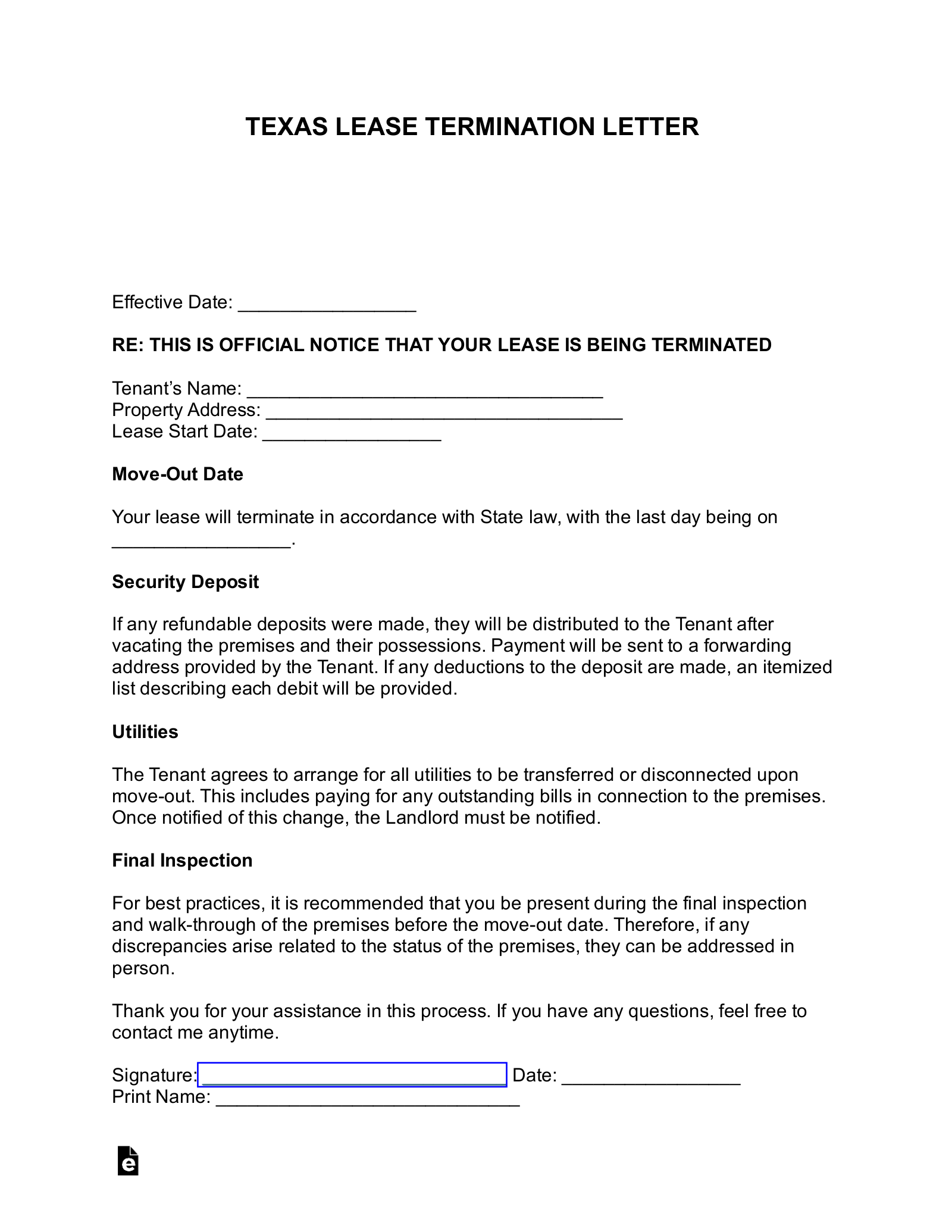
Seeking Professional Advice
When in doubt, or if your situation is particularly complex, consulting with a legal professional specializing in landlord-tenant law in Texas is highly recommended. They can provide tailored advice based on your specific lease and circumstances, helping you understand your rights and obligations and navigate the process effectively to avoid costly mistakes. Tenant advocacy groups or legal aid societies can also be valuable resources for those who qualify. Breaking a lease is a serious matter, but with knowledge and strategic planning, tenants can often find a way to exit their rental agreement with minimized disruption and financial impact.
LifeOutOfTheBox is a participant in the Amazon Services LLC Associates Program, an affiliate advertising program designed to provide a means for sites to earn advertising fees by advertising and linking to Amazon.com. Amazon, the Amazon logo, AmazonSupply, and the AmazonSupply logo are trademarks of Amazon.com, Inc. or its affiliates. As an Amazon Associate we earn affiliate commissions from qualifying purchases.