
California, a land of diverse landscapes, vibrant cities, and a distinct lifestyle, attracts visitors and prospective residents from across the globe. From the bustling streets of Los Angeles and the iconic landmarks of San Francisco to the serene beauty of its national parks and sun-drenched beaches, the Golden State offers an unparalleled experience. As part of understanding the comprehensive lifestyle and regulatory environment unique to this state, some individuals may find themselves curious about specific aspects of local law, including the process for firearm acquisition. While perhaps not a typical topic for a travel or lifestyle blog, for those considering an extended stay, relocation, or simply seeking a deeper understanding of California’s nuanced legal framework, navigating firearm ownership is a significant area of inquiry.
This guide is designed to offer a comprehensive overview, framed within the context of understanding the local landscape for informed decision-making. It is not an endorsement or discouragement of firearm ownership but rather an informational resource for individuals who, as part of their lifestyle choices or recreational pursuits, might consider acquiring a firearm within California’s borders. As with any legal matter, it’s crucial to remember that laws can change, and this information serves as a starting point, not a substitute for professional legal advice or direct consultation with the relevant state authorities.
Embracing the California Lifestyle: Understanding Unique Regulations
For many, the allure of the California lifestyle involves embracing outdoor activities, sports, and a certain degree of independence. For some, this might extend to sport shooting, hunting, or personal safety considerations. However, the legal environment in California regarding firearms is notably stricter and more complex than in many other parts of the United States. Understanding these regulations is paramount for anyone considering firearm ownership, whether they are a new resident in San Diego, a long-term resident in Sacramento, or an individual planning an extended stay where such considerations become relevant.
The Golden State’s Approach to Firearm Ownership
California has historically been at the forefront of firearm regulation in the United States, often implementing laws that go beyond federal requirements. These regulations cover a wide array of aspects, including eligibility, background checks, waiting periods, firearm types, safe storage, and specific permitting. The intent behind these laws is often cited as public safety, and they reflect a unique legislative philosophy that has shaped the experience of firearm owners and prospective owners within the state. Navigating this landscape requires diligence and a commitment to understanding every step of the process. For those accustomed to the firearm laws of other states or countries, the differences can be significant and require careful attention to detail.
Eligibility and Residency: Who Can Purchase?
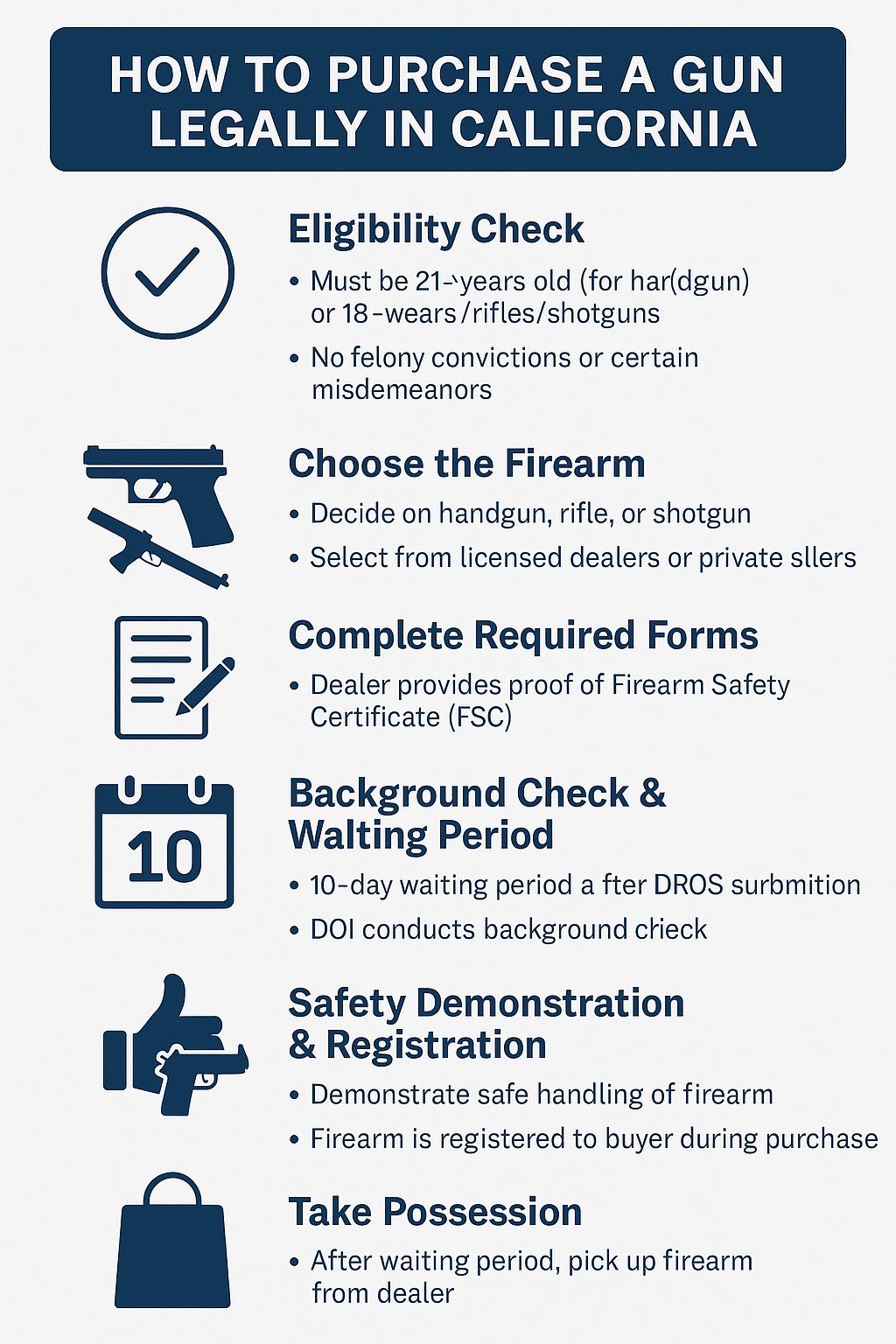
Before even contemplating a purchase, individuals must meet specific eligibility criteria set forth by both federal and California state laws. Generally, to purchase a firearm in California, an individual must be:
- Age: 21 years or older for handguns and semi-automatic centerfire rifles. For other firearms, the age requirement is 18.
- Residency: A legal resident of California is typically required to purchase a firearm within the state. Proof of residency is a critical component of the purchase process, often requiring a California Driver’s License or ID card, along with additional documentation like utility bills, vehicle registration, or a lease agreement.
- Legal Standing: Not prohibited from owning firearms under state or federal law. This includes individuals with felony convictions, certain misdemeanor convictions (such as domestic violence), those subject to restraining orders, or individuals determined to be a danger to themselves or others. Mental health prohibitions also apply.
- Firearm Safety Certificate (FSC): A valid Firearm Safety Certificate (FSC) is mandatory for purchasing any firearm in California. This certificate demonstrates knowledge of basic firearm safety laws and practices.
Understanding these foundational requirements is the first crucial step for anyone exploring firearm ownership as part of their lifestyle in the Golden State.
Navigating the Purchase Process in California
Once eligibility is established, the actual purchase process in California follows a specific, multi-step procedure. Unlike in some other states where private sales might be more lenient, nearly all firearm transactions in California must go through a licensed dealer. This ensures that all legal requirements, including background checks and proper documentation, are meticulously followed.
Essential Steps and Documentation
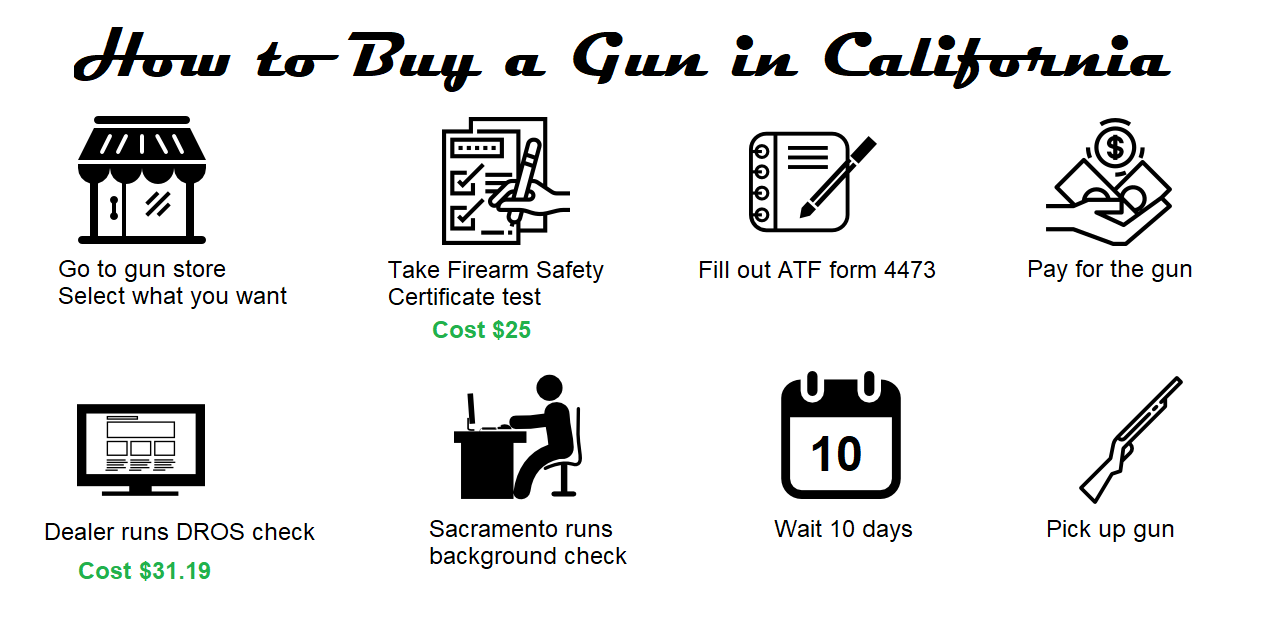
The journey to acquiring a firearm typically begins at a licensed firearms dealer, often referred to as an FFL Dealer (Federal Firearm Licensed Dealer). These dealers are the only entities legally authorized to conduct firearm sales to the general public in California. When you select a firearm, the dealer will guide you through the necessary paperwork, which includes:
- Proof of Identity and Residency: You will need a valid California Driver’s License or ID card. Additionally, you’ll need proof of residency, which could be a utility bill from the last 90 days, a valid California hunting license, or a residential lease. For handgun purchases, a secondary form of residency proof might be required.
- Firearm Safety Certificate (FSC): This certificate, obtained by passing a written test, confirms your understanding of firearm safety laws. The test is usually administered at the dealer’s location or other certified instructors.
- Safe Handling Demonstration: Before completing the sale of a handgun, you must perform a Safe Handling Demonstration with the firearm you intend to purchase, or a similar model, in the presence of the dealer. This ensures you know how to safely operate the weapon.
These initial steps are designed to ensure that prospective owners are both legally eligible and knowledgeable about safe firearm practices.
The Firearm Safety Certificate (FSC)
The Firearm Safety Certificate (FSC) is a cornerstone of California’s firearm regulations. It replaced the previous Basic Handgun Safety Certificate (BHSC) and Handgun Safety Certificate (HSC) programs, expanding the requirement to all firearm types, not just handguns. To obtain an FSC, an applicant must pass a 30-question written test, typically administered by certified instructors at FFL Dealers. The test covers firearm safety, storage, and relevant laws. A score of 75% or higher is required to pass. The FSC is valid for five years from the date of issuance. This requirement underscores California’s emphasis on responsible ownership and education as a prerequisite for firearm acquisition.
Dealer Record of Sale (DROS) and Waiting Periods
Once all documentation is in order and the FSC is confirmed, the FFL Dealer will initiate the Dealer Record of Sale (DROS) process through the California Department of Justice (DOJ) electronic system. This is a critical step that triggers a comprehensive background check. The DROS process requires the buyer’s personal information, firearm details, and takes a fee.
After the DROS is submitted, a mandatory 10-day waiting period begins. During this period, the California Department of Justice conducts a thorough background check, reviewing state and federal databases to ensure the buyer is not prohibited from owning firearms. This check includes cross-referencing with the Federal Bureau of Investigation (FBI) National Instant Criminal Background Check System (NICS) and California’s own records. The 10-day waiting period is strictly enforced, and there are very few exceptions. Only after the 10 days have passed, and the background check has cleared, can the buyer return to the dealer to pick up their newly purchased firearm. This waiting period is a distinctive feature of California’s approach to firearm sales, designed to provide a “cooling-off” period and allow for thorough vetting.
Types of Firearms and Specific Restrictions
Beyond the purchasing process, California imposes specific restrictions on the types of firearms that can be legally owned and sold within the state. These regulations are among the most stringent in the United States and are particularly important for prospective owners to understand, especially if they are coming from jurisdictions with different laws.
California’s Approved Handgun Roster
One of the most unique aspects of California’s firearm laws is the Roster of Handguns Certified for Sale. This roster, maintained by the California Department of Justice, lists all handguns that have been tested and certified by the state to meet specific safety and functionality standards. For a new handgun model to be added to the roster, it must pass a series of tests, including dropping safety, firing requirements, and, crucially, microstamping technology. Microstamping is a technology that imprints a unique code on spent casings, which the state mandates for all new semi-automatic pistols added to the roster. Due to the difficulty and cost associated with implementing microstamping, very few new handgun models have been added to the roster in recent years, making the selection of new handguns available for purchase in California quite limited compared to other states. While older models that were on the roster before the microstamping requirement can still be sold, this regulation significantly impacts the market for new handgun purchases.
Understanding Assault Weapon and Magazine Bans
California also maintains a comprehensive Assault Weapons Ban, defining and prohibiting the sale, manufacture, and transfer of certain semi-automatic firearms based on specific characteristics (e.g., pistol grips, collapsible stocks, flash suppressors, etc.). While some “featureless” or “fixed magazine” configurations of these firearms might be legal, the interpretation and compliance are highly technical. The state’s definition of an “assault weapon” can be complex and has evolved over time, making it imperative for prospective owners to consult the latest California Penal Code and potentially legal experts.
In addition to the Assault Weapons Ban, California has strict prohibitions on large-capacity magazines, generally defined as magazines capable of holding more than 10 rounds of ammunition. The manufacture, importation, sale, and even possession of such magazines are largely prohibited, with very limited exceptions. This ban affects a wide range of firearms and is another critical piece of legislation to understand for anyone considering firearm ownership in the state.
Beyond the Purchase: Responsible Ownership and Storage
Acquiring a firearm in California is only the beginning of responsible ownership. The state places a strong emphasis on how firearms are stored and used, aiming to prevent unauthorized access and accidental discharge. For those embracing a lifestyle in California that includes firearm ownership, understanding and adhering to these ongoing responsibilities is crucial.
Secure Storage Requirements
California law mandates that all firearms, when not in the immediate control of their owner, must be stored securely. This means either in a locked container or disabled with a trigger lock or similar device. The purpose of these laws is to prevent minors and unauthorized individuals from accessing firearms, thereby reducing the risk of accidental shootings, suicides, and firearms being used in crimes. Specific requirements apply if minors are present in the home, often demanding stricter storage measures. Failure to comply with California’s safe storage laws can result in significant legal penalties, highlighting the state’s serious stance on preventing firearm misuse. For families living in or moving to California, especially those with children, understanding and implementing these storage requirements is a non-negotiable aspect of responsible firearm ownership.
Continuous Compliance and Resources
The legal landscape surrounding firearms in California is dynamic, with laws and regulations subject to change. For this reason, continuous education and awareness are essential for firearm owners. Staying informed through official sources, such as the California Department of Justice’s Bureau of Firearms website, is highly recommended. This website often provides detailed guides, FAQs, and updates on new legislation. Additionally, reputable firearm safety courses, local shooting ranges, and gun owner organizations can be valuable resources for maintaining compliance and enhancing safe practices. These organizations often offer training programs that go beyond the basic FSC requirements, fostering a community of responsible firearm enthusiasts.
In conclusion, purchasing a firearm in California is a process deeply embedded in the state’s unique legal and regulatory environment. For those drawn to the diverse lifestyle offerings of the Golden State, understanding these specific nuances is an important part of informed citizenship or extended residency. From rigorous eligibility checks and mandatory safety certificates to strict waiting periods and limitations on firearm types and storage, California’s approach is comprehensive. By meticulously navigating these requirements and committing to responsible ownership, individuals can ensure they remain compliant with the law while pursuing their chosen lifestyle in one of the United States’ most distinctive states. Always consult official sources and legal professionals for the most current and specific guidance.
LifeOutOfTheBox is a participant in the Amazon Services LLC Associates Program, an affiliate advertising program designed to provide a means for sites to earn advertising fees by advertising and linking to Amazon.com. Amazon, the Amazon logo, AmazonSupply, and the AmazonSupply logo are trademarks of Amazon.com, Inc. or its affiliates. As an Amazon Associate we earn affiliate commissions from qualifying purchases.