
Texas, the Lone Star State, is renowned globally for its vast landscapes, vibrant cities like Dallas, Houston, San Antonio, and Austin, and a distinctive culture that blends Southern charm with rugged individualism. For many visitors and those considering a longer stay, the state’s approach to firearms often sparks curiosity, if not a direct interest in understanding the process of acquisition. Whether you’re an international traveler intrigued by Texas’ unique lifestyle, an individual contemplating relocation and curious about self-defense options, or simply someone wanting to engage with the state’s rich recreational shooting and hunting scene, understanding the local gun laws is paramount.
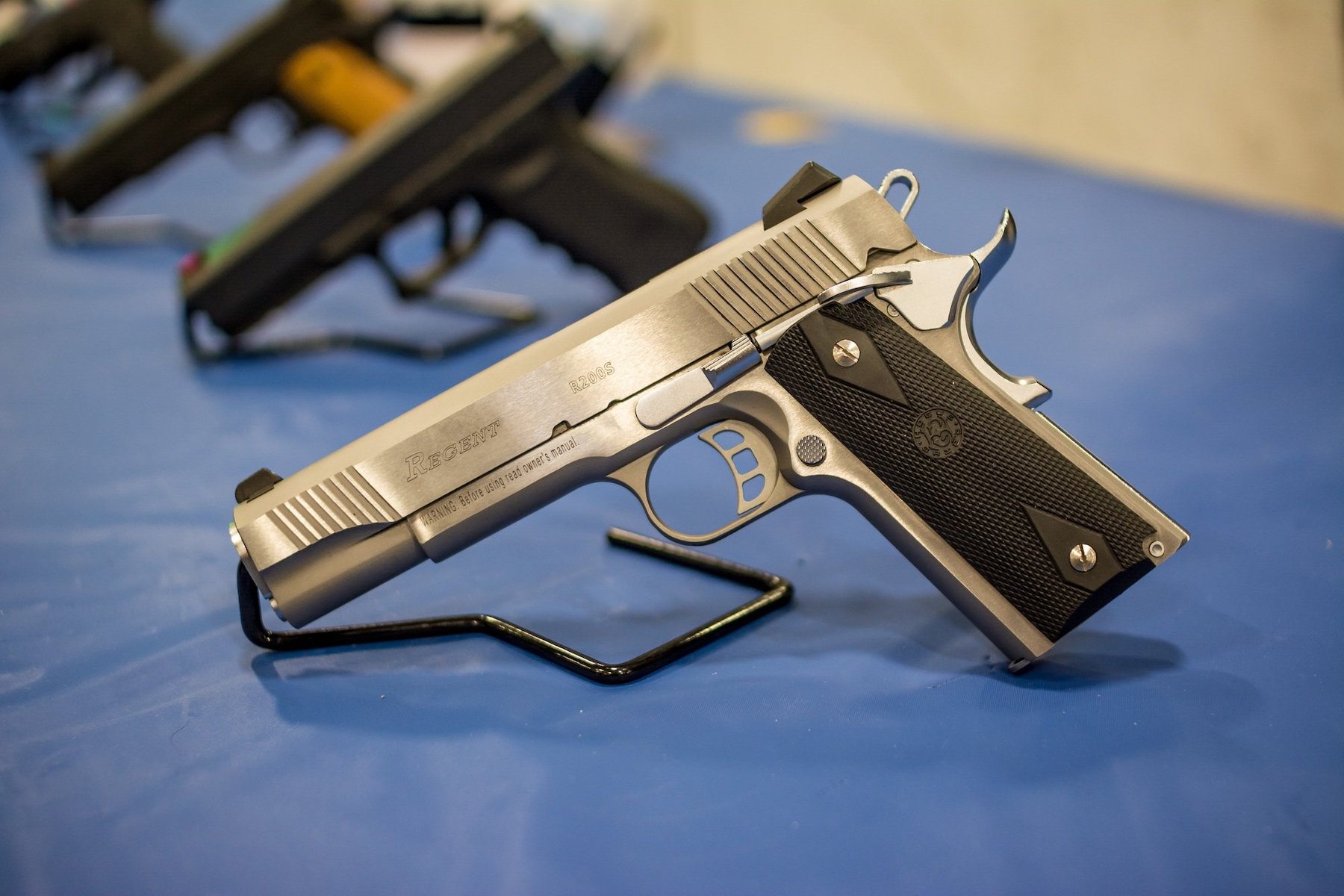
This guide aims to demystify the process of buying a gun in Texas, framing it within the context of travel, tourism, and lifestyle considerations. It’s not just about the transaction; it’s about appreciating a significant facet of Texas’ identity, ensuring responsible engagement, and understanding the legal framework that shapes this aspect of Texan life. From understanding residency nuances for those exploring accommodation options to finding reputable shooting ranges for a unique travel experience, we’ll cover what you need to know.
I. Navigating Texas’ Gun Laws: What Visitors and Newcomers Need to Know
For anyone stepping into Texas, whether for a vacation, a business trip, or a potential long-term relocation, understanding the local cultural and legal landscape regarding firearms is crucial. Texas holds a distinct position within the United States when it comes to gun ownership, driven by its history and a strong emphasis on individual liberties. This section helps bridge the gap between general curiosity and practical knowledge, making it relevant for tourists observing local culture or individuals planning an extended stay.
A. The Cultural Landscape of Firearm Ownership in Texas
Firearm ownership in Texas isn’t just a legal right; it’s deeply woven into the fabric of the state’s identity, a testament to its frontier heritage and a prevalent “self-reliance” philosophy. For tourists seeking to immerse themselves in Texas’ local culture, observing this aspect offers valuable insight. You’ll find a significant portion of the population that views gun ownership as a fundamental right for self-defense, sport, and hunting. This cultural perspective often manifests in everyday life, from discussions in local eateries to the presence of shooting sports at community events.
This widespread acceptance contributes to a distinct atmosphere compared to many other destinations. For visitors, understanding this cultural backdrop is key to appreciating the local ethos. For those considering long-term accommodation, it means that discussions around personal safety and the role of firearms might be more common and openly discussed than in other places. Recreational shooting ranges are popular attractions, and hunting, particularly deer and feral hog, is a deeply ingrained activity that contributes significantly to the state’s tourism and lifestyle offerings, drawing enthusiasts from across the globe to unique Texas destinations.
B. Residency Requirements and Eligibility for Purchase
One of the most critical aspects for anyone looking to acquire a firearm in Texas, especially for those new to the state or visiting, is understanding residency requirements. Generally, to purchase a handgun from a Federally Licensed Firearm Dealer (FFL), you must be a resident of Texas. For rifles and shotguns, federal law allows non-residents to purchase them if the transaction complies with laws in both the seller’s state and the buyer’s state of residence. However, in practice, most FFL dealers prefer to sell only to state residents to avoid complex interstate legalities.
For those planning a long-term stay in Texas, establishing residency is a prerequisite for a straightforward firearm purchase. This typically involves obtaining a Texas driver’s license or ID card, registering to vote, or proving utility bills at a Texas address. Simply visiting on a tourist visa or having temporary accommodation like a hotel suite or short-term apartment rental will generally not qualify you as a resident for gun purchase purposes. Federal law also prohibits certain individuals from owning firearms, including convicted felons, those convicted of domestic violence misdemeanors, individuals subject to restraining orders, and those adjudicated as mentally defective. Understanding these federal and state-level eligibility criteria is paramount for any prospective firearm owner.
C. Understanding Texas’ Constitutional Carry Law
A significant change in Texas law occurred in September 2021 with the implementation of Constitutional Carry (House Bill 1927). This law permits eligible individuals aged 21 or older to carry a handgun in most public places without a state-issued License to Carry (LTC). For visitors and new residents, this means that more individuals may be legally carrying firearms openly or concealed.
While the law grants the ability to carry without a license, it’s crucial to understand that there are still restrictions. Certain locations, such as schools, polling places, airports (beyond security checkpoints), bars, and federal buildings, remain prohibited areas. Private businesses can also post signs (e.g., “30.06” for concealed carry and “30.07” for open carry) to prohibit firearms on their premises. For tourists, being aware of Constitutional Carry adds another layer to understanding local public spaces. For those considering accommodation in Texas, it means understanding your rights and responsibilities, as well as the policies of any private property you visit or reside on. Despite Constitutional Carry, obtaining a License to Carry still offers benefits, which we will explore further, particularly regarding reciprocity with other states and carrying in more locations.
II. The Step-by-Step Process of Purchasing a Firearm in Texas
Once you’ve established residency and confirmed your eligibility, the actual process of buying a firearm in Texas is relatively straightforward, following federal guidelines with specific state nuances. This section outlines the primary avenues for acquisition, ensuring you approach the purchase responsibly and legally. Whether you’re interested in a firearm for sport, hunting, or personal protection as a new resident, knowing these steps is essential.
A. Federally Licensed Firearm Dealers (FFL) and Private Sales
The vast majority of firearm transactions in Texas occur through two main channels: licensed dealers and private sales. Each has its own set of rules and considerations. For someone new to the state, understanding these distinctions is key to a lawful purchase.
1. Purchasing from an FFL Dealer
Buying a firearm from a Federally Licensed Firearm Dealer (FFL) is the most common and regulated method. These dealers, found in various retail stores ranging from specialized gun shops to large sporting goods outlets across cities like Dallas and Houston, are legally mandated to facilitate a background check for every customer.
The process typically involves:
- Selecting Your Firearm: Choose the handgun, rifle, or shotgun that meets your needs. Dealers can offer expert advice on different types, calibers, and features, which can be invaluable if you’re new to firearms.
- Completing Form 4473: This federal form, issued by the Bureau of Alcohol, Tobacco, Firearms and Explosives (ATF), requires you to provide personal information and attest to your eligibility to own a firearm. It includes questions about your criminal history, immigration status, and mental health.
- National Instant Criminal Background Check System (NICS) Check: The FFL dealer will submit your information to the NICS, managed by the FBI. This check typically takes minutes and determines if you are legally prohibited from owning a firearm. In Texas, if the check returns a “proceed” status, you can generally take possession of the firearm immediately. There is no mandatory waiting period for firearm purchases in Texas for those who pass the NICS check. If the check returns a “delayed” status, the dealer must wait up to three business days before transferring the firearm, unless the FBI provides a “deny” status.
- Payment and Transfer: Once approved, you complete the payment and take possession of your new firearm. Always ensure you receive a receipt and understand any warranty information.
2. Private Party Transfers
Texas state law, like federal law, does not require a background check for private sales between individuals who are residents of Texas and not FFL dealers. This means you can purchase a firearm from another private citizen without going through an FFL or a NICS check.
However, it is illegal for an individual to knowingly sell a firearm to a person who is prohibited by law from owning one. For this reason, many individuals opt to conduct private sales through an FFL, where the dealer will perform a background check for a nominal fee. While not legally mandated for private sales, this “transfer through an FFL” method provides an added layer of safety and legal protection for both the buyer and the seller, ensuring the transaction is legal and the buyer is not a prohibited person. For newcomers, especially, utilizing an FFL for any firearm transaction is highly recommended to ensure compliance and peace of mind.
B. Choosing the Right Firearm for Your Needs
Selecting a firearm isn’t a one-size-fits-all decision; it depends heavily on its intended use. For new residents or those curious about Texas’ outdoor activities, this choice can significantly impact your experience.
- Self-Defense: Handguns are commonly chosen for personal protection, both for carry and home defense. Options range from compact pistols suitable for concealed carry to larger models for home use.
- Hunting: Texas offers extensive hunting opportunities, from deer in the Hill Country to feral hogs across the state. Rifles, particularly bolt-action or semi-automatic sporting rifles, are popular for game hunting. Shotguns are excellent for bird hunting (doves, quail) and some larger game. Engaging in a guided hunting trip can be a unique tourism experience in itself.
- Sport Shooting/Target Practice: For those interested in recreational shooting, a wide variety of firearms are suitable. Many ranges offer rentals, allowing you to try different models before committing to a purchase. This can be a fantastic “activity” for tourists looking for a unique Texas experience, often found at dedicated shooting sports complexes near major cities or within easy reach of popular Texas destinations.
Consider factors like caliber, ergonomics, capacity, and ease of use. A reputable FFL dealer can guide you through these choices, ensuring you select a firearm appropriate for your skill level and intended purpose.
C. Essential Documentation and Identification
When purchasing a firearm from an FFL dealer in Texas, you will need to present valid identification and proof of residency.
- Valid Photo ID: A current Texas driver’s license or a Texas state-issued identification card is usually sufficient. This ID must show your current physical address in Texas.
- Proof of Residency (if ID address is outdated): If your ID doesn’t reflect your current Texas address, you might need supplemental documentation. This could include a vehicle registration, a utility bill, or a lease agreement for your apartment or home. This is particularly relevant for those who have recently moved to Texas and are in the process of establishing long-term accommodation.

Ensure all your documents are up-to-date and reflect your current legal status in Texas to avoid any delays or complications during the purchase process.
III. Permits, Training, and Responsible Firearm Ownership in Texas
Acquiring a firearm is just the first step in responsible ownership. For residents and long-term visitors, understanding the nuances of carrying permits, the importance of safety training, and proper storage are vital. These considerations enhance safety, ensure legal compliance, and deepen your appreciation for Texas’ firearm culture as a lifestyle choice.
A. Understanding the License to Carry (LTC) in Texas
While Texas’ Constitutional Carry law allows eligible individuals to carry a handgun without a license, obtaining a License to Carry (LTC) still offers significant advantages, particularly for those who travel frequently or wish for broader carrying privileges.
Benefits of an LTC:
- Expanded Carrying Locations: An LTC allows you to carry a handgun in certain places where Constitutional Carry is prohibited, such as some university campuses (with specific restrictions), and certain government meetings (unless explicitly prohibited).
- Reciprocity with Other States: One of the most compelling reasons for many is the reciprocity agreement Texas has with many other United States states. This means your Texas LTC is recognized in numerous other jurisdictions, simplifying legal carry when traveling outside of Texas. This is a crucial “tip” for travelers who plan to explore destinations beyond the Lone Star State.
- Streamlined Purchase Process: LTC holders are often exempt from the NICS background check when purchasing firearms from an FFL dealer, leading to quicker transactions.
- Enhanced Legal Understanding: The LTC course provides comprehensive education on firearm laws, use of force, and safe handling, which is invaluable even with Constitutional Carry in place.
Application Process for an LTC:
To obtain a Texas LTC, applicants must:
- Meet eligibility requirements (generally 21 years old, or 18 if active military, and not prohibited from possessing a firearm).
- Complete a state-mandated training course, which typically includes classroom instruction on handgun use, safety, laws regarding use of force, non-violent dispute resolution, and secure gun storage, followed by a shooting proficiency test.
- Submit an application to the Texas Department of Public Safety (DPS), which includes fingerprinting for a federal background check.
For individuals making Texas their new home, or those frequently traveling through or from the state, investing in an LTC course and obtaining the license is a highly recommended step for responsible firearm ownership.
B. Firearm Safety Courses and Training Opportunities
Regardless of whether you obtain an LTC, taking a firearm safety course is unequivocally recommended. Responsible firearm ownership begins and ends with proper training and a thorough understanding of safety protocols. For tourists interested in engaging with firearms in a supervised setting, many ranges offer introductory courses that can be a unique activity.
Texas boasts numerous certified instructors and state-of-the-art shooting ranges across its major cities and rural areas. These facilities, often considered local attractions, provide opportunities for:
- Basic Firearm Safety: Learning fundamental rules, safe handling, loading, unloading, and clearing malfunctions.
- Marksmanship Training: Improving accuracy and control with various types of firearms.
- Advanced Defensive Courses: For those interested in self-defense, these courses cover tactical skills and situational awareness.
Participating in such training not only enhances your skill and confidence but also underscores a commitment to safety, a value highly regarded within Texas’ firearm community. Many shooting ranges are integrated into larger “lifestyle” complexes offering amenities, making them popular destinations for a day out.
C. Secure Storage and Transportation of Firearms
Proper storage and transportation are critical aspects of responsible firearm ownership, especially when considering the implications for travel and accommodation. Texas law mandates that firearms should be stored securely to prevent access by unauthorized individuals, particularly minors.
Secure Storage:
- At Home: Firearms should be stored in a locked safe, a locked gun cabinet, or with a trigger lock when not under the immediate control of the owner. This is particularly important for families or when hosting guests in your Texas home or vacation rental.
- In Vehicle: When traveling, firearms should be stored out of plain sight, ideally in a locked container in the trunk or a secured compartment. While a person with an LTC or carrying under Constitutional Carry can have a loaded handgun in their vehicle, care must be taken to ensure it’s not readily accessible to passengers who may not be legally permitted to possess it.
Transportation:
- When transporting firearms, especially long guns, they should be unloaded and stored in a case or vehicle gun rack.
- When flying, federal regulations require firearms to be unloaded, declared to the airline, and placed in a locked, hard-sided container in checked luggage. Ammunition must be in its original packaging or a suitable container, separate from the firearm. This is a crucial consideration for any traveler flying into or out of Texas with firearms.
Adhering to these guidelines ensures not only legal compliance but also the safety of yourself, your family, and the wider community, reflecting a responsible lifestyle choice.
IV. Beyond the Purchase: Engaging with Texas’ Firearm Lifestyle
Acquiring a firearm in Texas can open doors to a unique array of activities and cultural experiences that are deeply embedded in the state’s lifestyle. For both new residents and curious travelers, these opportunities offer a chance to engage responsibly and learn more about this distinctive aspect of Texan life.
A. Recreational Shooting and Hunting
Texas is a paradise for outdoor enthusiasts, offering vast stretches of wilderness for hunting and numerous dedicated facilities for recreational shooting.
- Shooting Ranges: From indoor tactical ranges in urban centers like Austin to expansive outdoor ranges in more rural areas, Texas has options for every level of shooter. Many ranges offer rentals, allowing tourists to experience different firearms under supervision—a thrilling activity that contributes to a memorable Texas experience. These are often considered attractions in themselves, drawing crowds interested in skill-building and sport.
- Hunting: Hunting is a cherished tradition and a significant part of the Texas economy and tourism sector. The state is particularly famous for its white-tailed deer, dove, quail, and especially feral hog hunting. Many ranches offer guided hunting packages, providing accommodation, expert guides, and all necessary equipment. These specialized hunting resorts offer a unique blend of adventure travel and luxury lifestyle, attracting domestic and international tourists to iconic Texas destinations. Understanding firearm regulations is integral for anyone considering participation in these activities.
B. Texas Gun Shows and Expos
Gun shows are popular events across Texas, held regularly in convention centers in cities large and small. These shows are more than just marketplaces; they are significant cultural gatherings. For those interested in Texas’ local culture, visiting a gun show can be an eye-opening experience.
Here, you can:
- Explore a Vast Selection: See a wide array of firearms, ammunition, accessories, and related gear from various vendors.
- Learn and Network: Engage with knowledgeable vendors, collectors, and fellow enthusiasts. It’s an excellent opportunity to learn about different firearm types, historical pieces, and the latest innovations.
- Experience the Culture: Observe the vibrant community that surrounds firearm ownership in Texas. While private sales between individuals can occur at gun shows without a background check (as per Texas law), FFL dealers present at these shows will always conduct the required NICS check for their sales. For visitors, these expos function as unique attractions, offering a glimpse into a prominent aspect of Texan lifestyle.

C. Exploring Texas’ Outdoor Destinations with Firearms
For those who embrace the outdoor lifestyle, Texas offers vast natural landmarks and destinations where firearms can be part of a recreational outing, provided all laws and regulations are meticulously followed.
- National Forests and State Parks: While specific regulations vary, many areas within Texas’ national forests and some state parks permit shooting or hunting in designated areas during specific seasons. Always check with the specific park or forest service for current rules and permitted activities. For instance, Big Bend National Park and Guadalupe Mountains National Park have specific rules regarding firearms.
- Private Ranches: Many private ranches, which constitute the majority of Texas’ land, cater to hunting and shooting enthusiasts, often providing comprehensive packages that include accommodation, guides, and access to private ranges. This offers an exclusive “experience” within the “travel” and “tourism” categories.
Whether camping, hiking, or simply exploring the beautiful Texas outdoors, understanding where and how firearms can be legally carried or discharged is crucial for a safe and enjoyable experience. Always prioritize safety and respect for the environment and fellow outdoor enthusiasts.
Understanding how to buy a gun in Texas is more than just a procedural exercise; it’s an insight into a significant aspect of the state’s unique culture and lifestyle. For travelers, it offers context to the local ethos; for those considering a long-term stay and making Texas their home, it’s a practical guide to responsible integration. By familiarizing yourself with Texas’ gun laws, residency requirements, purchase processes, and the importance of ongoing training, you can engage with this facet of Texas life safely and respectfully. Whether you’re exploring the historic landmarks, enjoying the vibrant city life, or venturing into the expansive wilderness, responsible firearm ownership is a cornerstone of the Texan way, ensuring safety and compliance for all.
LifeOutOfTheBox is a participant in the Amazon Services LLC Associates Program, an affiliate advertising program designed to provide a means for sites to earn advertising fees by advertising and linking to Amazon.com. Amazon, the Amazon logo, AmazonSupply, and the AmazonSupply logo are trademarks of Amazon.com, Inc. or its affiliates. As an Amazon Associate we earn affiliate commissions from qualifying purchases.