
Florida, the Sunshine State, has long been a magnet for those seeking a slice of paradise. Whether you dream of a tranquil retirement haven, a vibrant vacation home, or a strategic investment property, purchasing a house in Florida offers a compelling lifestyle. However, navigating the real estate market in this popular destination requires careful planning and a thorough understanding of the process. This guide will walk you through the essential steps to successfully buy a house in Florida, ensuring your journey is as smooth and rewarding as the state’s famed beaches.
Understanding the Florida Real Estate Landscape
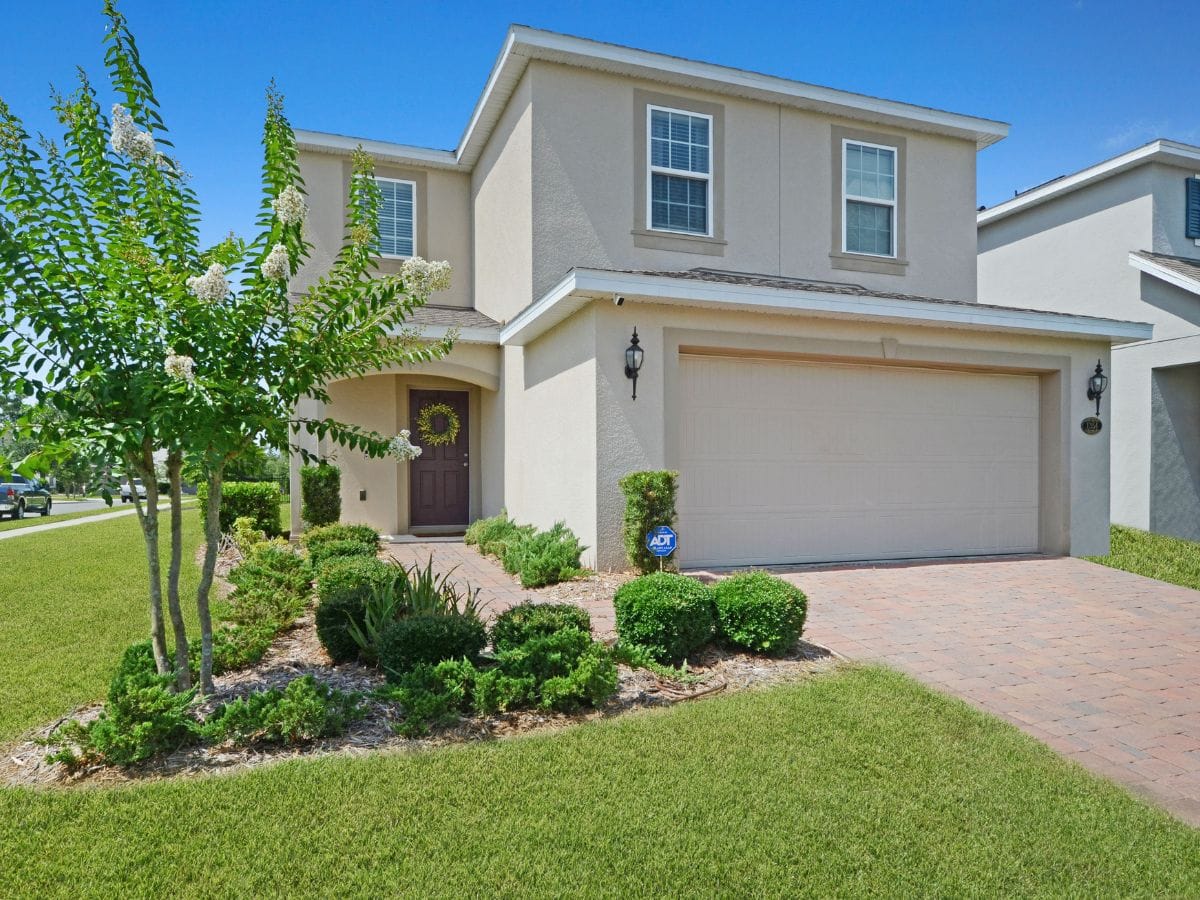
The Florida real estate market is diverse, catering to a wide range of preferences and budgets. From bustling metropolitan areas like Miami and Orlando to charming coastal towns and serene inland communities, there’s a property for everyone. Understanding the nuances of different regions is crucial before you begin your search.
Popular Regions and Their Appeal
Each region of Florida offers a unique lifestyle and set of real estate opportunities.
South Florida: The Vibrant Metropolis
South Florida, encompassing cities like Miami, Fort Lauderdale, and Palm Beach, is renowned for its glamorous lifestyle, pristine beaches, and thriving cultural scene. Properties here tend to be more expensive, with a strong demand for luxury condominiums, waterfront estates, and modern single-family homes. The international allure and robust economy attract a global buyer pool.
Central Florida: The Entertainment Hub
Central Florida, centered around Orlando, is famous for its world-class theme parks like Walt Disney World Resort and Universal Orlando Resort. This region is a popular choice for vacation homes, rental properties, and family residences. Beyond the entertainment attractions, you’ll find a growing job market and diverse housing options, from starter homes to spacious family houses.
Gulf Coast: The Relaxed Coastal Charm
The Gulf Coast of Florida, with its tranquil turquoise waters and sugar-white sand beaches, offers a more laid-back atmosphere. Cities like Tampa, St. Petersburg, and Sarasota provide a blend of beautiful natural scenery and vibrant city life. Housing options range from beachfront condos and coastal cottages to family-friendly neighborhoods and golf course communities. This area is particularly attractive to retirees and those seeking a peaceful, yet active, lifestyle.
Northeast Florida: Historic and Growing
Northeast Florida, home to historic St. Augustine and the bustling city of Jacksonville, offers a mix of history, culture, and modern development. The housing market here is often more affordable than in the southern parts of the state, with a good selection of single-family homes, townhouses, and condominiums. This region appeals to families, professionals, and those seeking a more traditional American feel.
Market Trends and Considerations
Florida’s real estate market is influenced by various factors, including tourism, economic growth, and seasonal migration patterns. Understanding these trends can help you make informed decisions.
Seasonal Fluctuations
Florida experiences distinct seasonal cycles, particularly in popular tourist areas. The winter months (December to April) often see increased demand as “snowbirds” flock to the state, potentially driving up prices and reducing inventory. The summer months can offer more opportunities for buyers, though tropical storm season also needs to be considered.
Investment Potential
With its strong tourism industry and growing population, Florida real estate can offer significant investment potential, especially for those looking to purchase properties for short-term rentals. However, it’s crucial to research local rental regulations and market demand thoroughly.
The Home Buying Process in Florida
Buying a house is a significant financial and emotional undertaking. Florida has specific regulations and practices that buyers should be aware of to ensure a smooth transaction.
Securing Financing
Before you even start looking at properties, the first and most crucial step is to get pre-approved for a mortgage. This will give you a clear understanding of your budget and make your offer much more attractive to sellers.
Mortgage Pre-Approval
- Shop Lenders: Compare interest rates and loan terms from multiple lenders, including local banks, credit unions, and national mortgage companies.
- Gather Documents: Be prepared to provide extensive documentation, including proof of income, tax returns, bank statements, and details about your debts.
- Understand Your Budget: Your pre-approval letter will indicate the maximum loan amount you qualify for, helping you set a realistic price range for your home search.
Types of Mortgages
- Conventional Loans: These are not backed by a government agency and typically require a good credit score.
- FHA Loans: Insured by the Federal Housing Administration, these are suitable for buyers with lower credit scores or smaller down payments.
- VA Loans: Available to eligible veterans and active-duty military personnel, these often require no down payment.
- USDA Loans: For rural properties, these can offer zero-down-payment options for eligible buyers.
Assembling Your Real Estate Team
A skilled and experienced real estate team can be invaluable in navigating the complexities of the Florida market.
Working with a Real Estate Agent
A licensed real estate agent who specializes in the area you’re interested in can provide expert guidance, access to listings, and negotiation support. They understand local market conditions, property values, and the intricacies of Florida real estate laws.
The Role of a Real Estate Attorney

While not always mandatory, hiring a real estate attorney is highly recommended in Florida. They can review contracts, ensure clear title to the property, and protect your legal interests throughout the transaction.
The Property Search and Offer Process
With financing in place and a team assembled, you can begin the exciting phase of house hunting.
Finding Your Dream Home
- Online Listings: Utilize real estate websites and apps to browse properties that match your criteria.
- Agent Showings: Your real estate agent will schedule viewings of properties that fit your needs.
- Open Houses: Attend open houses to get a feel for different neighborhoods and property types.
Making an Offer
Once you find a home you love, your agent will help you prepare a competitive offer. This typically includes:
- Offer Price: Based on comparable sales and market conditions.
- Earnest Money Deposit: A sum of money held in escrow to show your commitment to the purchase.
- Contingencies: Conditions that must be met for the sale to proceed, such as financing, inspection, and appraisal contingencies.
- Closing Date: The target date for finalizing the sale.
Crucial Due Diligence: Inspections and Appraisals
Once your offer is accepted, the critical phase of due diligence begins. This is where you verify the condition and value of the property.
Home Inspections
A professional home inspection is paramount. A qualified inspector will assess the property’s structural integrity, major systems (electrical, plumbing, HVAC), roof, foundation, and any potential issues.
Types of Inspections to Consider
- General Home Inspection: A comprehensive overview of the property’s condition.
- Termite Inspection: Essential in Florida due to prevalent termite activity.
- Roof Inspection: Given Florida’s weather, the condition of the roof is critical.
- Pool Inspection: If the property has a pool, a specialized inspection is recommended.
- Wind Mitigation Inspection: This can potentially lower your homeowner’s insurance premiums by assessing how well the home is protected against high winds.
Negotiating Repairs
Based on the inspection report, you may be able to negotiate with the seller to make repairs or provide credits towards closing costs for any significant issues identified.
Property Appraisal
Your lender will require an appraisal to ensure the property’s market value supports the loan amount. This professional assessment helps protect both you and the lender. If the appraisal comes in lower than your offer price, you may need to renegotiate with the seller, increase your down payment, or potentially walk away from the deal (if your financing contingency allows).
Closing the Deal and Beyond
The closing process is the final step in transferring ownership of the property.
The Closing Process
This typically involves a title company or real estate attorney who will manage the paperwork, disburse funds, and ensure all legal requirements are met. You will sign numerous documents, including the mortgage note and deed.
Title Search and Insurance
The title company will conduct a thorough title search to ensure the seller has clear ownership of the property and that there are no liens or encumbrances. You will then purchase title insurance to protect yourself and your lender against any future claims on the property’s title.
Homeowner’s Insurance
Obtaining adequate homeowner’s insurance is mandatory for your mortgage and essential for protecting your investment. In Florida, this includes coverage for windstorm damage, which is often separate from standard policies.
Moving In and Settling Down
Congratulations! You’ve bought a house in Florida. The next steps involve making it your own.
Utilities and Services
Ensure you have arranged for electricity, water, gas, internet, and other necessary services to be transferred to your name by your closing date.

Establishing Residency
If you are moving to Florida permanently, familiarize yourself with Florida’s residency requirements for things like driver’s licenses and vehicle registration.
Buying a house in Florida is an exciting endeavor. By understanding the market, assembling a strong team, conducting thorough due diligence, and meticulously managing the closing process, you can confidently achieve your dream of homeownership in the Sunshine State.
LifeOutOfTheBox is a participant in the Amazon Services LLC Associates Program, an affiliate advertising program designed to provide a means for sites to earn advertising fees by advertising and linking to Amazon.com. Amazon, the Amazon logo, AmazonSupply, and the AmazonSupply logo are trademarks of Amazon.com, Inc. or its affiliates. As an Amazon Associate we earn affiliate commissions from qualifying purchases.