
In the modern landscape of global travel, the ability to pivot and adapt is just as important as the initial planning phase. Whether you are organizing a high-stakes business trip to New York City or a leisurely escape to the sun-drenched beaches of Hawaii, the logistics of accommodation remain the cornerstone of your experience. Among the giants of the industry, Expedia has established itself as a primary gateway for travelers worldwide. However, life is unpredictable. Flights get delayed, meetings are rescheduled, and personal emergencies arise, leading to the inevitable question: how do you navigate the cancellation process for a hotel booked through a third-party platform?
Understanding the nuances of accommodation management is essential for any savvy traveler. This guide provides a comprehensive deep dive into the technicalities, financial implications, and strategic maneuvers required to successfully cancel or modify a stay at a property, ranging from a boutique lodge in France to a luxury suite at the Four Seasons.
Understanding the Expedia Cancellation Ecosystem
Before clicking the “cancel” button, it is crucial to understand that Expedia functions as an intermediary. While you use their interface to secure a room, the specific rules governing your stay are often a blend of the platform’s policies and the individual hotel’s terms. Whether you are staying at a Marriott International property or a family-run villa in Italy, the “Fine Print” is your most valuable resource.
Refundable vs. Non-Refundable Bookings
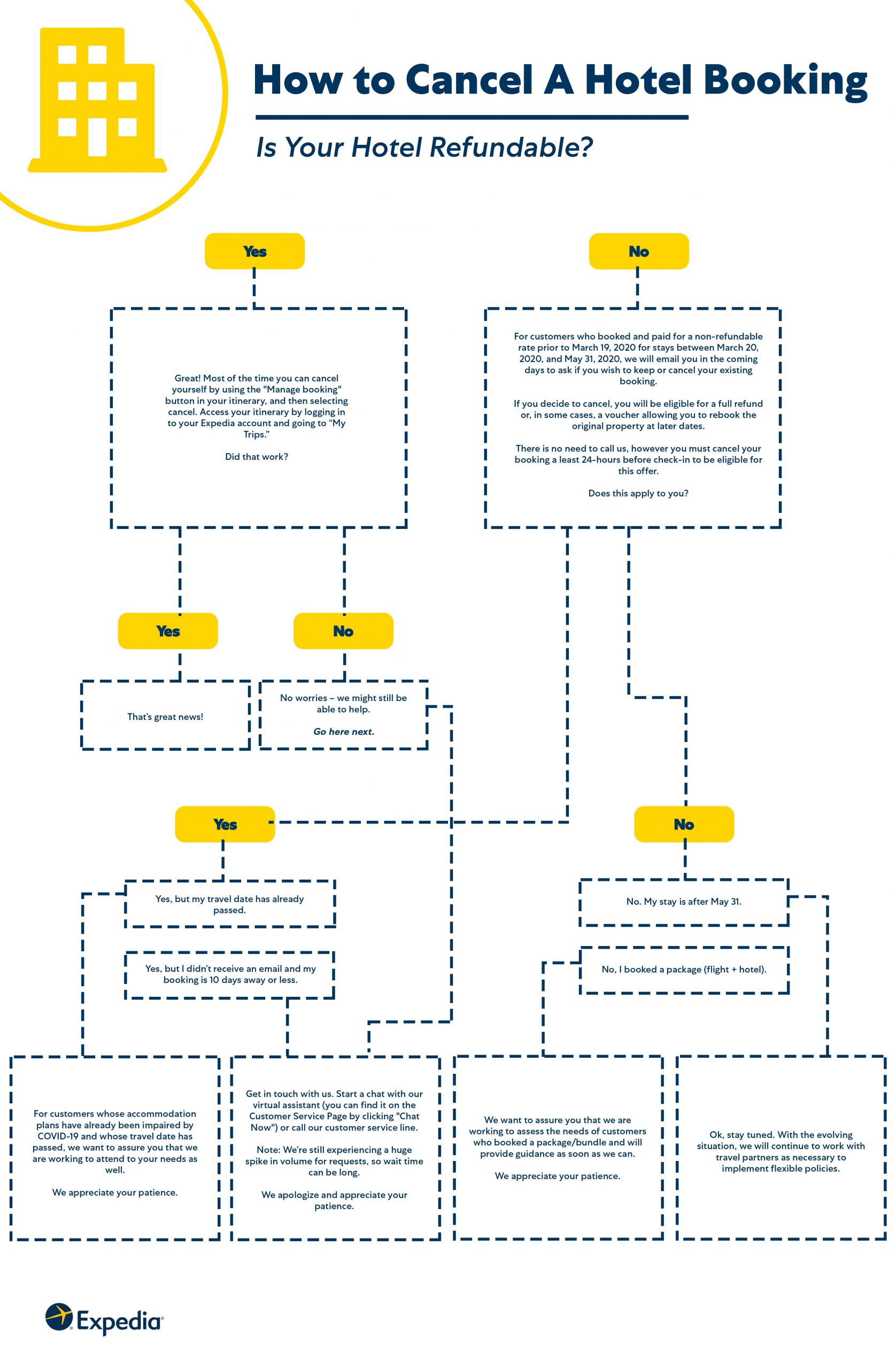
The most significant factor in any cancellation is the rate type you selected at the time of booking. Generally, accommodations are categorized into two tiers: “Fully Refundable” and “Non-Refundable.”
Fully refundable rates offer the ultimate peace of mind. These are particularly popular for travelers heading to busy hubs like London or Tokyo, where plans might shift due to international transit complexities. These bookings usually allow for a cancellation up to 24 to 48 hours before the check-in date without any financial penalty.
On the other hand, non-refundable rates are typically offered at a discount. While they help you save money for activities at Disney World or fine dining in Paris, they carry a higher risk. If you cancel a non-refundable room, you likely forfeit the entire payment unless there are extreme extenuating circumstances.
The 24-Hour Grace Period
In some jurisdictions, particularly within the United States, there are consumer protections that may allow for a 24-hour window to cancel a booking immediately after it is made, provided the check-in date is sufficiently far in the future. While this is more common with airlines, many major hotel chains like Hilton Hotels often honor a brief window for accidental bookings. However, when booking through a third party, these windows are subject to the specific agreement between the platform and the hotel.
Practical Steps to Cancel Your Reservation
The technical process of canceling a stay is designed to be user-friendly, yet it requires a methodical approach to ensure the cancellation is recorded and the refund—if applicable—is triggered.
Navigating the Digital Interface
To begin the process, log into your account on the website or mobile app. Navigate to the “My Trips” or “Manage Booking” section. Here, you will see a list of your upcoming itineraries. Whether it’s a weekend getaway in Las Vegas or a long-term stay in Canada, locate the specific hotel reservation you wish to terminate.
Once you select the reservation, the system will display the “Cancel Room” option if the booking is eligible. It is vital to take screenshots of the confirmation page once the process is complete. In the world of international travel, digital receipts are your primary defense against billing errors.
When to Contact Customer Service
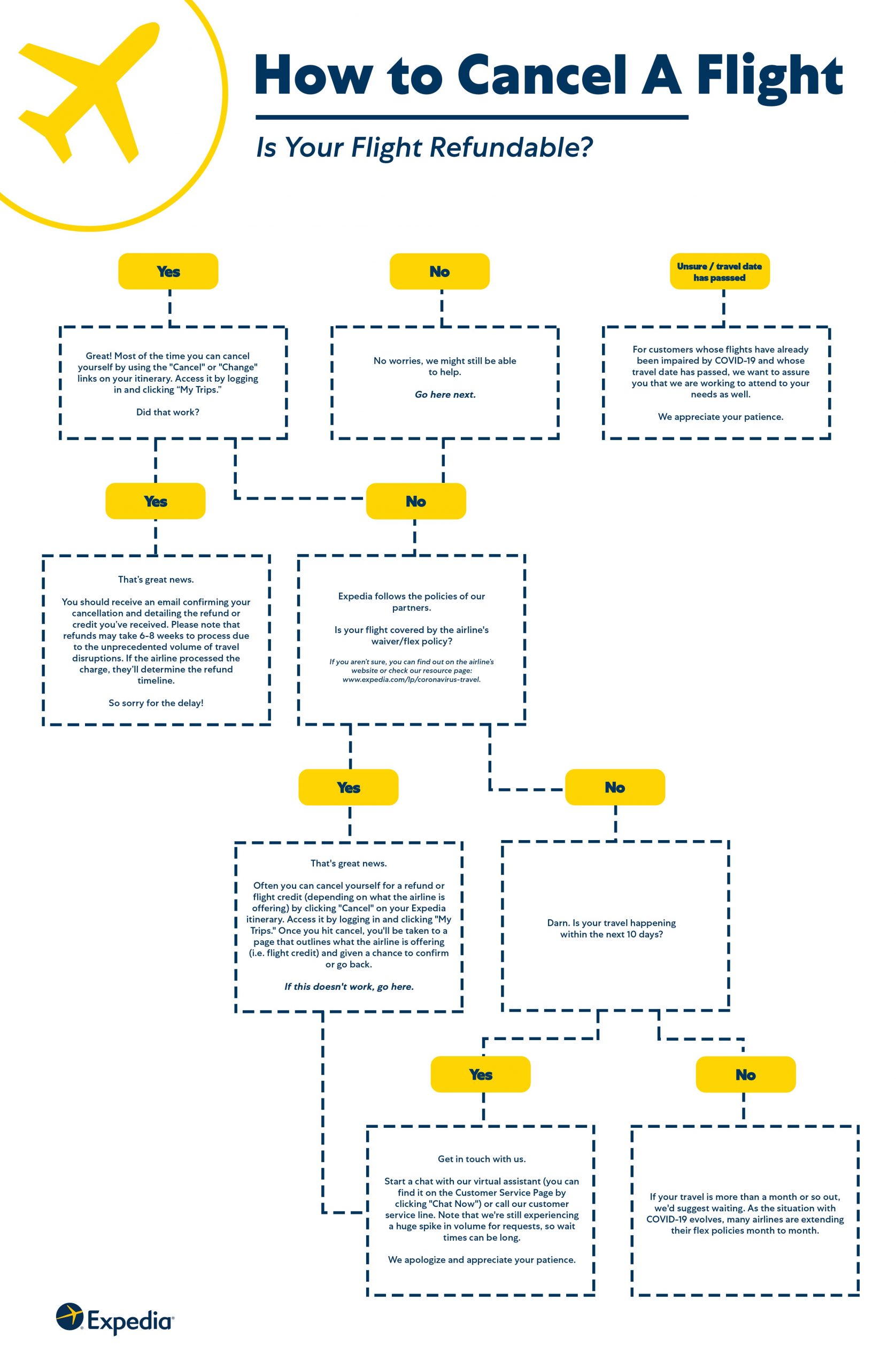
While the automated system handles most requests, certain situations require a human touch. For instance, if you are trying to cancel a package that includes both a flight and a stay at the Ritz-Carlton, the rules become more complex. In these cases, contacting customer support directly is advisable.
If you are dealing with a local property in a place like Mexico or Thailand, there may be a language barrier or a time zone difference to consider. Expedia provides 24/7 support to bridge these gaps, ensuring that travelers from the United Kingdom or Australia can resolve their issues regardless of the hour.
Financial Implications and Refund Timelines
The primary concern for most travelers during a cancellation is the recovery of their funds. The timeline for a refund can vary significantly based on your bank, the hotel’s location, and the original payment method.
Processing Times for Refunds
Once a cancellation is confirmed, the platform usually initiates the refund process within 24 hours. However, the money may not appear in your account immediately. For bookings in Europe, standard banking procedures often mean a 7-to-10-day wait. If you used a credit card to book a luxury resort in Dubai, the credit might take a full billing cycle to reflect on your statement.
Vouchers and Credit Alternatives
In some instances, especially following global disruptions, you might be offered a voucher instead of a cash refund. This is common when dealing with non-refundable stays at high-end destinations like Santorini or Maldives. While a voucher keeps your money within the ecosystem, it provides the flexibility to rebook a trip to Spain or Germany at a later date.
The Role of Travel Insurance
Travel insurance is the unsung hero of accommodation management. If you had to cancel a trip to Grand Canyon National Park due to a medical emergency, your insurance policy might cover the non-refundable portion of your hotel stay. Always check if your premium credit card or a third-party insurer provides “Cancel for Any Reason” (CFAR) coverage, which is the gold standard for frequent travelers.
Strategic Alternatives to Outright Cancellation
Sometimes, canceling isn’t the best move. If your heart is still set on a trip but the timing is wrong, consider these alternatives to maintain your investment.
Modifying Your Dates
Instead of a full cancellation, many properties allow you to change the dates of your stay. If you can’t make it to Los Angeles this month, moving the reservation to next quarter might save you from paying a cancellation fee. Keep in mind that price fluctuations apply; a room in Chicago during a summer festival will cost more than a stay in the quiet winter months.
Transferring the Reservation
While not always possible through the digital portal, some hotels allow you to transfer the name on a reservation. If you can no longer attend a conference in Singapore, a colleague might be able to take the room. This requires direct communication with the hotel’s front desk to ensure the guest list is updated and no issues arise at check-in.
Comparing Platforms for Future Flexibility
The experience of canceling a room often informs how a traveler chooses their next booking platform. In the competitive world of online travel agencies (OTAs), different sites offer varying degrees of flexibility.
Expedia vs. Booking.com
When comparing Expedia to Booking.com, many users look at the transparency of cancellation policies. Booking.com often highlights “No Prepayment Needed,” which allows you to book a stay in Amsterdam and pay only upon arrival. This can make the cancellation process much simpler, as no money has actually left your account.
The Rise of Alternative Accommodations
Platforms like Airbnb have introduced a different dynamic to the industry. Cancellation policies on these platforms are set by individual hosts in cities like Berlin or Rome. These can range from “Flexible” to “Strict,” and understanding these before you book is vital for long-term stays or unique apartment rentals.

Conclusion: Empowering Your Travel Decisions
Mastering the process of hotel cancellations is an essential skill in the modern era of accommodation. By understanding the difference between refundable and non-refundable rates, knowing how to navigate the Expedia interface, and being aware of the financial timelines, you can travel with confidence.
Whether you are exploring the historical landmarks of Egypt, enjoying the vibrant culture of Brazil, or conducting business in Hong Kong, your ability to manage your bookings ensures that you remain in control of your journey. Always remember to read the fine print, keep your documentation organized, and consider the value of flexibility when selecting your next home away from home. Accommodation is more than just a place to sleep; it is a critical component of your travel strategy, and managing it effectively is the hallmark of a professional traveler.
LifeOutOfTheBox is a participant in the Amazon Services LLC Associates Program, an affiliate advertising program designed to provide a means for sites to earn advertising fees by advertising and linking to Amazon.com. Amazon, the Amazon logo, AmazonSupply, and the AmazonSupply logo are trademarks of Amazon.com, Inc. or its affiliates. As an Amazon Associate we earn affiliate commissions from qualifying purchases.