
Embarking on a journey to change your last name in Texas is more than just a legal procedure; it’s a significant life event that can symbolize new beginnings, a fresh identity, or the consolidation of family ties. Whether you’re a newlywed, navigating post-divorce life, or simply seeking a personal transformation, understanding the process in the Lone Star State is crucial. This comprehensive guide aims to demystify the steps involved, offering insights that connect this administrative task to broader lifestyle considerations, including how it impacts your travel plans, accommodation bookings, and overall personal narrative.
Texas, known for its vast landscapes, rich history, and vibrant cities like Houston, Dallas, and San Antonio, offers a clear, albeit detailed, pathway for name changes. While the primary focus might seem purely legal, a name change has ripple effects, influencing everything from your passport and driver’s license – essential for any form of travel – to how you book a stay at a luxurious Grand Hyatt Dallas or secure an apartment for a long-term visit. It’s an administrative journey that ultimately shapes your personal and public identity, impacting how you interact with the world, both locally within Texas and on international adventures.
Understanding the Avenues for Name Change in Texas
In Texas, the pathway to changing your last name largely depends on the circumstances surrounding your decision. Each avenue presents its own set of requirements and implications, from the simplicity of a marriage-related change to the more complex process of a judicial petition. Regardless of the reason, the underlying goal remains consistent: to legally establish your new identity across all official documentation, thereby ensuring seamless experiences in all aspects of life, including travel and leisure.
Name Change Through Marriage
For many, the most common reason to change a last name is marriage. In Texas, this process is remarkably straightforward, offering an elegant transition into a new chapter of life. When you apply for a marriage license, you have the option to indicate your desired new last name directly on the application. Upon the solemnization of your marriage and the return of the completed marriage license to the county clerk, this document serves as your primary legal proof of your name change.
This streamlined approach is a boon for newlyweds planning a honeymoon or future travels. With your marriage certificate in hand, you can initiate the process of updating your Social Security Administration records, followed by your Texas Driver’s License or Texas State ID through the Texas Department of Public Safety, and crucially, your passport with the U.S. Department of State. Imagine booking a romantic suite in a Houston hotel or a resort in Galveston, only to find your identification doesn’t match your reservation. By addressing your name change promptly, you ensure consistency, avoiding potential travel headaches and allowing you to fully immerse yourselves in your shared experiences, whether exploring the historic Alamo in San Antonio or jet-setting to an exotic destination. This minor administrative detail significantly contributes to the smooth flow of your new lifestyle, opening doors to new adventures without bureaucratic snags.
Name Change Following Divorce
The period following a divorce often marks a significant transition, and for many, part of regaining a sense of self involves reverting to a maiden name or a previous surname. In Texas, if you wish to change your last name back to a prior name, this can typically be facilitated as part of the divorce decree. The final divorce order, issued by the court, will often include a specific provision restoring your maiden name or a former legal name. This judicial order then acts as your official documentation for the name change.
This avenue offers a straightforward path to re-establishing your identity, allowing you to move forward with confidence. Just as with a marriage-related name change, the divorce decree is the key document you’ll need to update your records with the Social Security Administration, Texas Department of Public Safety for your driver’s license, and the U.S. Department of State for your passport. For individuals embarking on solo travel, perhaps a rejuvenating retreat in Austin or an exploratory trip out of state, ensuring all identification matches your new name is paramount. It’s about more than just legal compliance; it’s about aligning your public identity with your personal journey, facilitating everything from checking into The Driskill Hotel to renting a car for a scenic drive through the Texas Hill Country, making your new beginnings as seamless and empowering as possible.
Judicial Name Change for Other Reasons
Beyond marriage and divorce, individuals in Texas may desire a name change for a variety of personal reasons, such as personal preference, adoption (for adults), gender affirmation, or to correct a misspelling. In these instances, the process requires a formal petition to a Texas court. This judicial name change involves a more detailed legal procedure, underscoring the significance the state places on personal identity and public record accuracy.
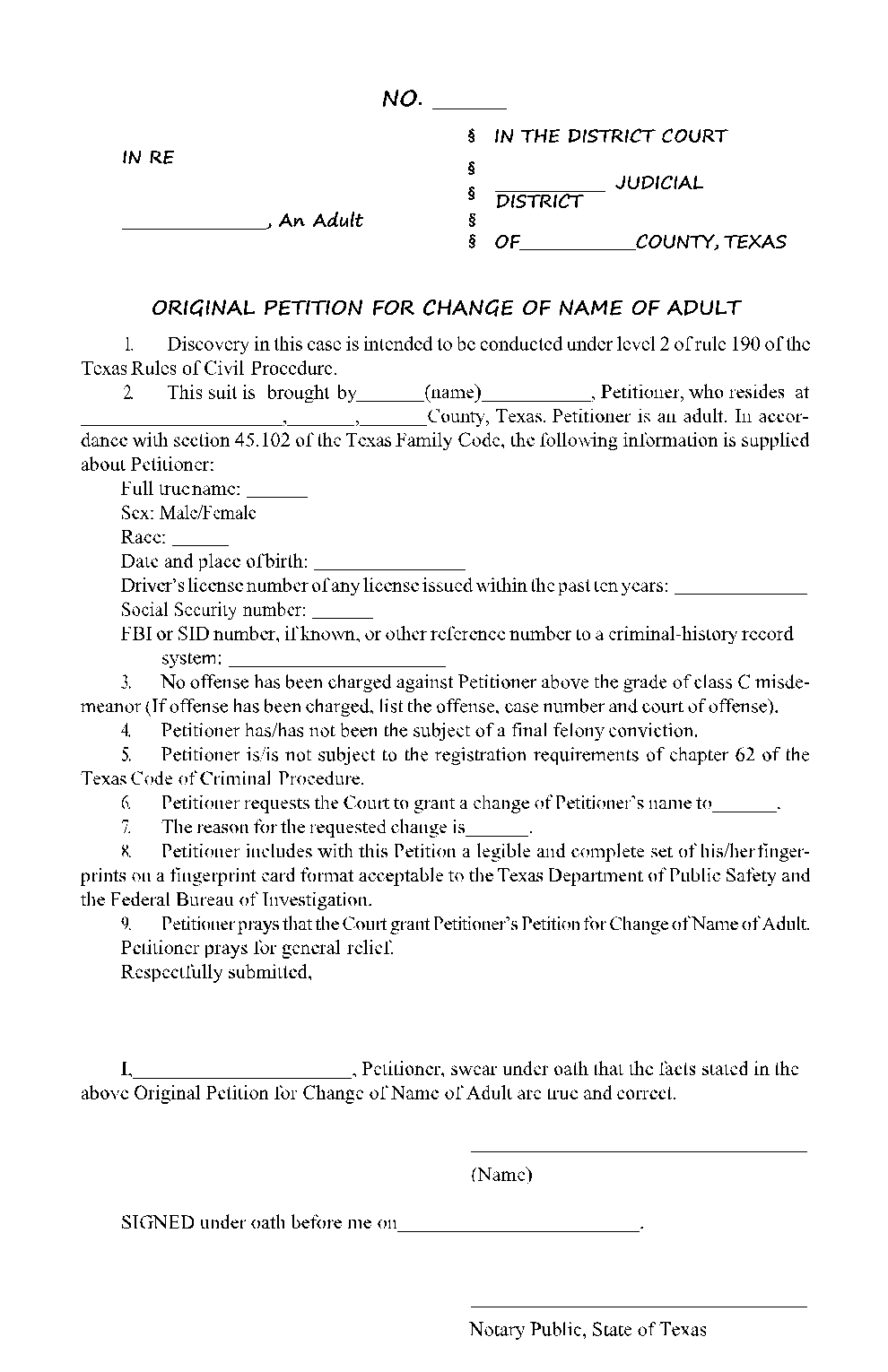
The process typically begins with filing a “Petition for Change of Name” with the District Clerk’s office in your county of residence. This petition will outline the reasons for your desired name change and affirm that you are not seeking the change for any fraudulent or illegal purpose. Depending on the circumstances, you may be required to undergo a fingerprint-based background check to ensure public safety and confirm your identity. A court hearing will then be scheduled, where a judge will review your petition and, if satisfied with the presented evidence and reasons, issue an “Order Changing Name.” This official court order becomes your irrefutable proof of the name change.
For those pursuing a judicial name change, the emphasis on accuracy and consistency extends significantly. For example, individuals embracing a new gender identity often find that updating their name is a critical step in aligning their external presentation with their internal self. This personal transformation can inspire a desire for new experiences, perhaps a trip to Space Center Houston to ponder humanity’s future or a visit to Six Flags Over Texas for some thrilling adventures. Ensuring all identification – from travel documents to bank accounts – reflects your chosen name is essential to navigating the world comfortably and confidently. It’s a foundational step that empowers you to truly live as your authentic self, ready for all of life’s journeys, big or small, within Texas and globally.
The Step-by-Step Process: Navigating the Legal Landscape
Regardless of the specific avenue you take to change your last name in Texas, the overall process involves several critical steps that demand meticulous attention to detail. From gathering the necessary documents to updating your identity across various official bodies, each stage is vital for ensuring your name change is legally recognized and practically effective. This administrative journey, while potentially time-consuming, is essential for a smooth transition in your personal and public life, particularly when it comes to activities like travel, securing accommodation, and engaging with various services.
Gathering Essential Documentation
The foundation of any name change process in Texas is comprehensive documentation. Before you even approach a government office, you must compile a robust portfolio of personal records. This typically includes your original birth certificate, your current photo identification (such as your Texas Driver’s License or Texas State ID), and proof of your current residency in Texas, such as utility bills or a lease agreement. If your name change is due to marriage, your original marriage license is indispensable. Similarly, if it stems from a divorce, a certified copy of your divorce decree, explicitly stating the name change, is required.
For a judicial name change, the requirements might be more extensive, potentially including records of any criminal history checks or other specific forms mandated by the court. The importance of having all original or certified copies cannot be overstated. Any discrepancy or missing document can cause significant delays, akin to finding out your passport has expired just days before a planned international trip. Ensuring your paperwork is impeccable from the outset not only expedites the legal process but also saves you from potential future frustrations when updating other crucial identity documents, allowing you to focus on planning your next Texas adventure, perhaps to explore the vibrant Fort Worth Stockyards or the museums of Dallas.

Filing Your Petition and Attending Court
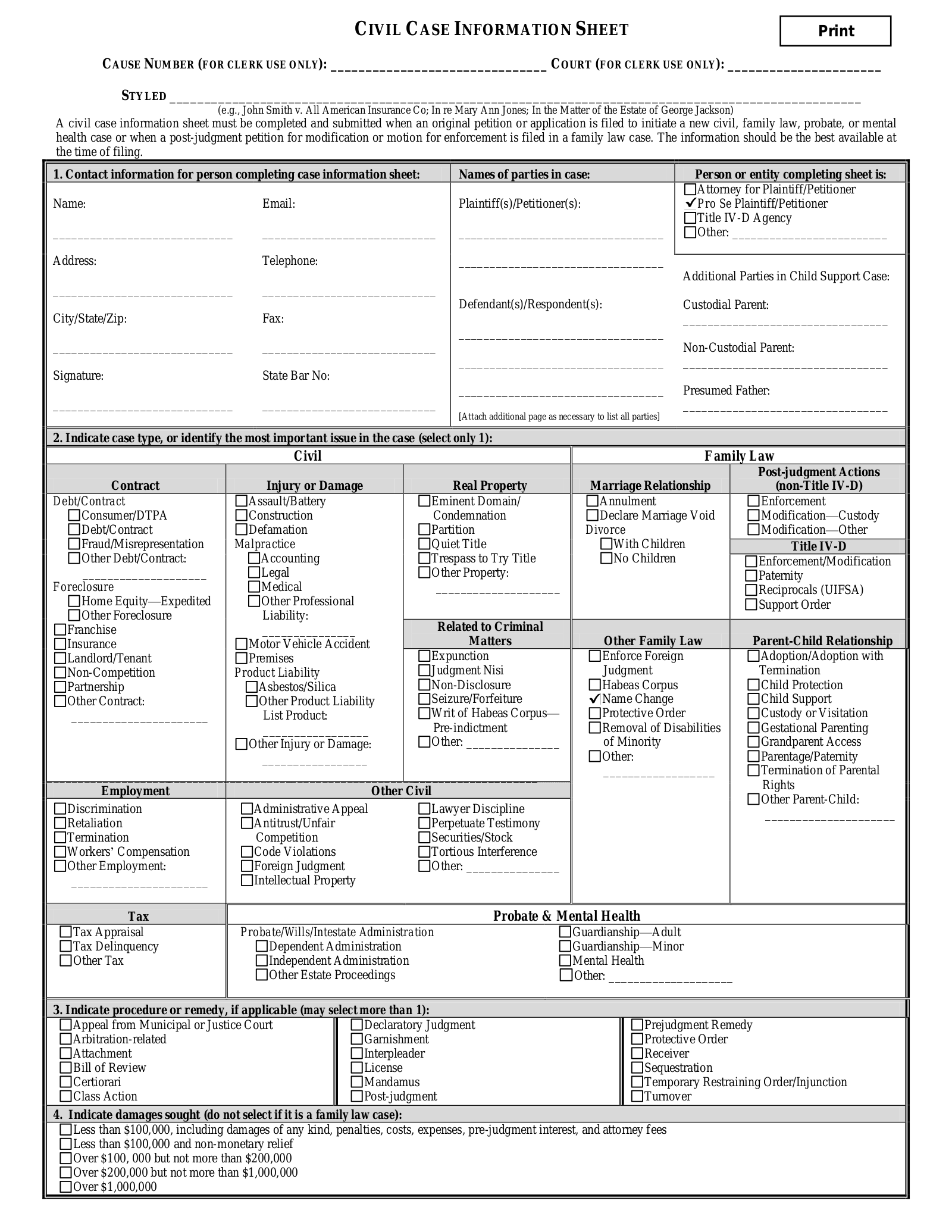
For those pursuing a judicial name change, the next critical phase involves formally initiating the legal process. This begins with filing your “Petition for Change of Name” at the District Clerk’s office in the county where you reside. This document must be accurately completed, detailing your current name, desired new name, and the legitimate reasons for the change. Alongside the petition, you will typically need to pay a filing fee, which can vary by county. In some instances, particularly for adults, a fingerprint-based background check may be a prerequisite to ensure the name change isn’t being sought to evade legal obligations.
Once your petition is filed and any necessary background checks are completed, the court will schedule a hearing. This is your opportunity to present your case to a judge. While the thought of a court appearance might seem daunting, name change hearings are generally straightforward, provided all paperwork is in order and your reasons are clear and lawful. The judge will review your petition and any supporting documentation, and if everything is satisfactory, will issue an “Order Changing Name.” This court order is the definitive legal document confirming your name change. It’s a pivotal moment, much like receiving your visa approval for an exciting overseas journey, signaling that the legal hurdles have been cleared and you are ready to update your identity across all platforms, from bank accounts to travel documents.
Post-Court Order: Updating Your Identity Across the Board
Receiving your “Order Changing Name” (or having your marriage license/divorce decree in hand) is a significant milestone, but it’s just the beginning of the next crucial phase: updating all your official identification. This step is arguably the most impactful for your lifestyle, especially concerning travel and everyday transactions. The first and most critical update should be with the Social Security Administration. Your Social Security card is the foundation of your identity, and nearly all other agencies require this update before they can process your new name.
Once your Social Security records reflect your new name, the next immediate priority is updating your Texas Driver’s License or Texas State ID through the Texas Department of Public Safety. For those who travel internationally, updating your passport with the U.S. Department of State is paramount. It is vital that the name on your passport precisely matches your airline tickets and hotel reservations to avoid significant travel disruptions. Imagine booking a stay at a resort in Austin or flying out of Dallas for a business trip, only to be turned away because your ID doesn’t match your booking.
Beyond these primary documents, you’ll need to update your name with banks, credit card companies, employers, utility providers, insurance companies, and any other institution where your legal name is recorded. This meticulous process ensures a seamless transition, preventing issues with financial transactions, employment records, or even checking into pre-booked accommodation. Taking the time to systematically update every record ensures that your new name is consistently recognized, paving the way for smooth personal and professional interactions, and hassle-free travel experiences wherever your adventures may take you, both within Texas and globally.
Essential Considerations and Tips for a Smooth Transition
Changing your last name in Texas is a process that extends beyond legal formalities; it’s a lifestyle adjustment that requires careful planning and foresight. To ensure a truly smooth transition, it’s vital to consider the broader implications, from financial budgeting to strategic timing, especially if your new identity will coincide with travel plans or other major life events. Approaching this change with a well-thought-out strategy can mitigate potential stressors and allow you to fully embrace your new beginning without unnecessary complications.
Financial Implications and Legal Assistance
Undertaking a name change, particularly a judicial one, comes with various financial implications that should be factored into your budget. The initial filing fees with the District Clerk’s office are a primary cost, which can vary depending on the county in Texas. Beyond that, there may be costs associated with background checks, obtaining certified copies of your court order, and new identification documents (such as a new driver’s license or passport). These small fees can add up, similar to how unexpected costs can accumulate during a spontaneous travel excursion.
While it is possible to navigate the name change process independently, especially for marriage or divorce-related changes, some individuals may benefit from legal assistance. If your situation is complex – for instance, if you have a criminal record, are a non-U.S. citizen, or are seeking a name change for a minor under unusual circumstances – consulting with an attorney familiar with Texas Law can save you time, stress, and potential errors. An attorney can guide you through the intricacies, ensure all paperwork is correctly filed, and represent you in court if necessary. Just as some opt for a personalized travel agent for complex international itineraries, legal counsel provides expertise for navigating legal landscapes. Budgeting for these potential legal fees should be part of your overall financial planning for the name change, similar to allocating funds for a memorable luxury travel experience that ensures peace of mind.
Timing and Planning for Travel
The timing of your name change is a critical consideration, especially if you have upcoming travel plans. The process of updating all your identification documents, particularly your passport, can take several weeks to months. The U.S. Department of State has specific processing times for passports, and any delays could jeopardize your travel arrangements. It is strongly advised against initiating a name change close to planned international trips. Ideally, complete all necessary updates at least three to six months before any scheduled travel.
Moreover, consider how existing bookings might be affected. If you’ve booked flights, hotel reservations, or car rentals under your old name, you will need to contact these providers to update the name on your reservation once your identification reflects your new name. Many airlines and hotels have policies regarding name changes on bookings, which might involve fees or require you to rebook. Inconsistent names between your ID and travel documents are a common cause of travel disruptions, ranging from delays at airport security in Dallas to being denied check-in at your chosen Houston hotel. Strategic planning ensures that your new name facilitates, rather than hinders, your ability to explore new destinations and enjoy seamless accommodation experiences.
Beyond the Basics: Expatriates and New Residents in Texas
For expatriates living in Texas or individuals who have recently moved to the state, the name change process might involve additional layers of complexity. Non-U.S. citizens changing their name must not only navigate Texas Law but also consider the implications for their immigration status and documents issued by the U.S. Citizenship and Immigration Services (USCIS). It is crucial to ensure consistency across all immigration documents, including visas, green cards, and work permits, as any discrepancies could lead to significant legal and travel complications.
New residents to Texas must also establish residency before initiating a name change petition, especially for judicial processes. Understanding the specific requirements for proof of residency in the Lone Star State is a foundational step. Navigating these bureaucratic processes can feel like a journey in itself, but it’s an essential part of fully integrating into your new life in Texas. Embracing this process opens up opportunities to immerse yourself in the local Texas culture, explore iconic Texas landmarks, and truly make the state your home. For all individuals, especially those with unique circumstances, thoroughly researching or seeking professional advice is paramount to ensure a smooth, legally sound, and stress-free transition into their new identity.
Changing your last name in Texas is a comprehensive process that requires careful attention to legal requirements, meticulous documentation, and strategic planning. Whether driven by marriage, divorce, or personal preference, this administrative journey has far-reaching implications for your personal lifestyle, travel readiness, and overall peace of mind. By understanding the distinct avenues for name change, diligently following the step-by-step procedures, and considering the practical implications for finances, travel, and unique circumstances, you can navigate this transition with confidence.
Embrace this opportunity for a fresh start, ensuring that your new name aligns perfectly with your identity and aspirations. With your updated identification in hand, you’ll be well-prepared to embark on new adventures, explore the diverse beauty of Texas, secure seamless accommodation in Texas or any global destination, and fully enjoy all the experiences life has to offer, without a single bureaucratic hitch. Your new name is a key to unlocking new possibilities, both at home and across the globe.
LifeOutOfTheBox is a participant in the Amazon Services LLC Associates Program, an affiliate advertising program designed to provide a means for sites to earn advertising fees by advertising and linking to Amazon.com. Amazon, the Amazon logo, AmazonSupply, and the AmazonSupply logo are trademarks of Amazon.com, Inc. or its affiliates. As an Amazon Associate we earn affiliate commissions from qualifying purchases.