
Navigating the process of changing your last name in Florida can seem like a complex journey, much like planning an intricate itinerary for a dream vacation. While this article focuses on the legal and administrative steps, the underlying desire for a fresh start or a new identity often intertwines with aspirations of new experiences and a renewed sense of self, perhaps even a change of scenery. Whether you’re embarking on a new chapter after marriage, divorce, or simply a personal rebranding, understanding the procedural roadmap is key to a smooth transition. This comprehensive guide will walk you through the essential steps, ensuring you have the clarity and confidence to achieve your goal in the Sunshine State.

Understanding the Florida Name Change Process
The legal framework for changing your name in Florida is primarily governed by state statutes, ensuring a standardized and fair procedure for all residents. Unlike a spontaneous decision to visit a new city, a legal name change requires due diligence and adherence to specific requirements. The process generally involves petitioning a court, providing valid reasons for the change, and obtaining a court order.
Eligibility and General Requirements
Before you begin the paperwork, it’s crucial to understand who is eligible to change their name in Florida and what the general prerequisites are. The primary requirement is that you must be a resident of Florida. This residency is typically established by demonstrating you live in the state and have the intention to remain there.
Key Eligibility Factors:
- Residency: You must have resided in Florida for at least six months prior to filing your petition. Proof of residency can include a driver’s license, utility bills, or lease agreements.
- Age: Individuals who are 18 years of age or older can petition for a name change on their own behalf. Minors require a petition filed by a parent or legal guardian, with specific consent requirements.
- Valid Reason: Florida law requires a legitimate reason for changing your name. Common reasons include marriage, divorce, personal preference, or avoiding debt or legal judgments. However, you cannot change your name to defraud creditors or to evade criminal prosecution.
- No Criminal Record (or Disclosed): If you have a criminal record, you must disclose it to the court. In some cases, a criminal history might impact the court’s decision.
It’s important to note that this process is distinct from the name change that may occur automatically after a marriage, where you can often indicate your new name on the marriage certificate itself. While that’s a streamlined process, seeking a legal name change through the court offers a more comprehensive and legally recognized alteration, especially if you’re not recently married or are seeking a change for other reasons.
Reasons for a Name Change
The motivation behind changing your last name can be as diverse as the attractions found across Florida. While the legal system requires a “good and sufficient reason,” the spectrum of acceptable motivations is broad.
- Post-Marriage: Many individuals choose to adopt their spouse’s last name or hyphenate their names after getting married. This is a very common and straightforward reason.
- Post-Divorce: Similarly, after a divorce, an individual may wish to revert to their maiden name or a previous last name. This is also a widely accepted reason.
- Personal Preference: Some individuals simply feel a strong connection to a different name, wish to honor a family member, or want to adopt a name that better reflects their identity. This is a valid reason, provided it’s not for fraudulent purposes.
- Adoption: When a child is adopted, their legal name is typically changed to reflect their new family.
- Gender Transition: Individuals undergoing gender transition may legally change their name to align with their gender identity.
- Dissatisfaction with Current Name: Some people may dislike their current last name for various reasons and seek to change it to something they prefer.
The court’s primary concern is ensuring the name change is not being sought for any illegal or fraudulent purpose. As long as your intentions are honorable and align with the law, you should be able to proceed.
The Petition and Court Procedures
The heart of the name change process lies in formally petitioning the court and navigating the legal procedures. Think of this as securing your bookings and confirming your travel documents – essential for a smooth journey.
Filing the Petition for Name Change
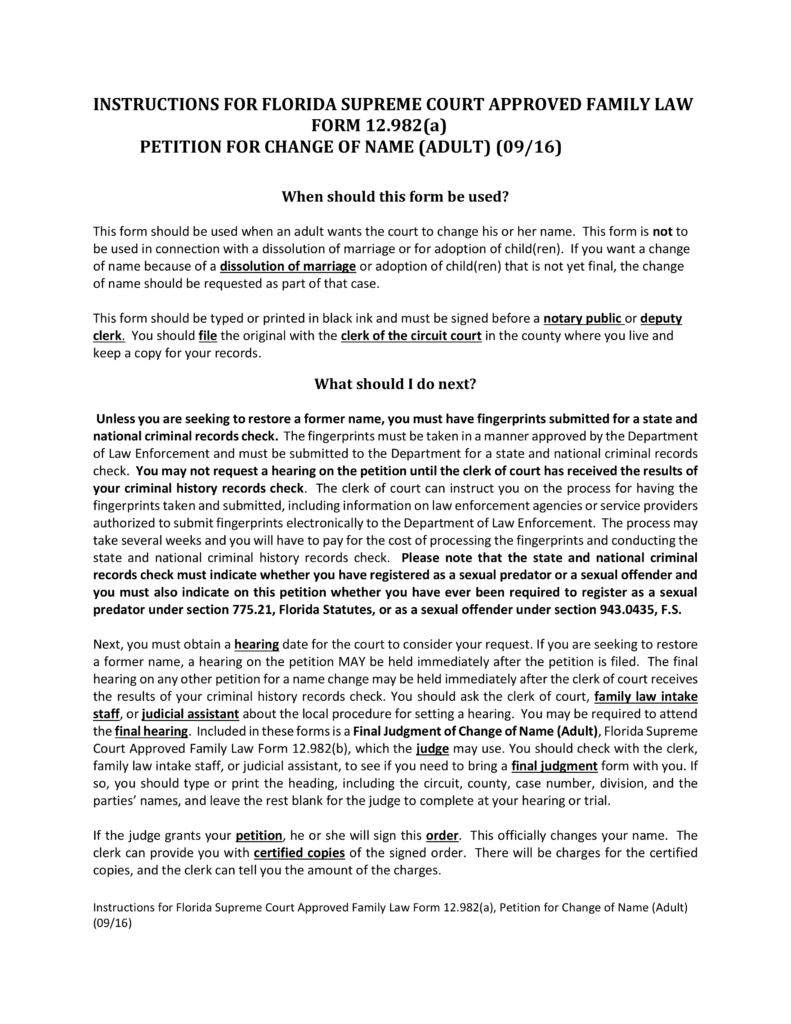
The first formal step is to file a “Petition for Change of Name” with the appropriate circuit court in your county of residence. This document is the official request to the court, outlining your intention and reasons for the name change.
Key Components of the Petition:
- Your Current Full Name: As it appears on your birth certificate or legal identification.
- Your Proposed Full Name: The new name you wish to adopt.
- Your Place of Birth and Date of Birth: Essential identifying information.
- Your Residential Address: To confirm your Florida residency.
- The Reason for the Name Change: A clear and concise explanation of why you are requesting the change. Be specific and honest.
- A Statement of No Fraudulent Intent: A declaration that you are not seeking the name change to avoid debts, legal obligations, or for any other illicit purpose.
- Verification: You will need to sign the petition under oath, attesting to the truthfulness of the information provided.
You can typically find standardized forms for the Petition for Change of Name on the Florida Courts’ official website or through legal aid organizations. It is highly recommended to use these official forms to ensure all necessary information is included.
Serving Notice and Public Posting
In Florida, there’s a requirement to notify the public of your intent to change your name. This is to ensure that no interested parties have an objection to your proposed change.
- Publication: You will generally be required to publish a notice of your intended name change in a local newspaper of general circulation in your county. This publication must usually appear once a week for a specified number of weeks (often two consecutive weeks), though this can vary. The purpose of this publication is to inform any potential creditors or other interested parties who might have grounds to object.
- Waiver of Publication: In certain circumstances, such as for victims of domestic violence or when a compelling reason exists to maintain privacy, you may be able to petition the court to waive the publication requirement. This is at the discretion of the judge.
The specific rules for publication, including the designated newspaper and the exact timing, will be provided by the court clerk when you file your petition. Failure to comply with publication requirements can delay or derail your name change.
The Court Hearing
After filing the petition and fulfilling any publication or notice requirements, a court hearing will be scheduled. This hearing is your opportunity to present your case to a judge and for the judge to ensure all legal requirements have been met and that there are no objections.
What to Expect at the Hearing:
- Judge’s Review: The judge will review your petition and supporting documents.
- Questions: The judge may ask you questions about your reasons for the name change and confirm your identity.
- Objections: If any party has filed an objection to your name change, they will have an opportunity to present their case.
- Order of Name Change: If the judge is satisfied that you meet all the legal requirements and have a valid reason for the change, they will sign an Order for Change of Name. This is the crucial legal document that officially changes your name.
It’s advisable to dress professionally for the court hearing and to bring all your identification and any other relevant documents. While an attorney is not always required, consulting with one can be beneficial, especially if your situation is complex or if there are potential objections.
Post-Change Administrative Steps
Receiving your signed Order for Change of Name is a significant milestone, akin to arriving at your vacation destination. However, the journey isn’t entirely complete. You still need to update your identification and inform relevant institutions. This is where the administrative legwork begins, much like checking into your hotel and exploring the local attractions.
Updating Your Identification
The court order is your legal proof of identity change. You’ll need to use certified copies of this order to update your name on all official documents and identification.
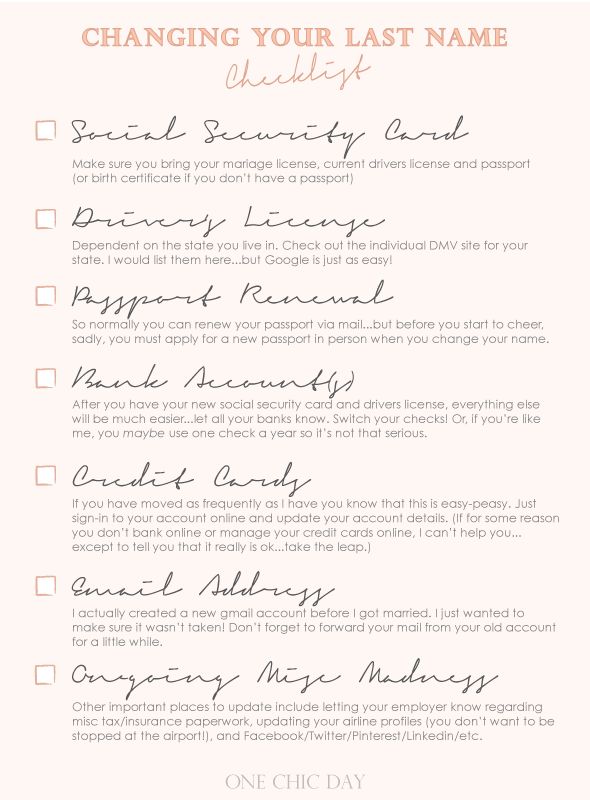
- Social Security Administration (SSA): This is often the first place to update your name. You’ll need to visit an SSA office with your completed Application for a Social Security Card, your original or certified copy of the court order, and proof of identity (like your driver’s license).
- Florida Driver’s License or ID Card: Visit a Florida Department of Highway Safety and Motor Vehicles (DHSMV) office. You’ll need your court order, your current driver’s license or ID, and potentially other documentation.
- Passport: If you have a U.S. Passport, you’ll need to apply for a new one by mail using Form DS-11 or DS-82 (depending on your situation) and include your court order.
- Other Identification: This includes any professional licenses, student IDs, or other forms of identification you may possess.
Tip: Make multiple certified copies of your court order. You will need them for various applications, and it’s wise to have extras.
Informing Other Institutions and Services
Once your primary identification is updated, you’ll need to inform a wide range of other entities about your name change. This ensures all your records are consistent and avoids potential issues.
- Banks and Financial Institutions: Update your name on all bank accounts, credit cards, and loan documents.
- Employer: Inform your HR department to update your payroll, benefits, and other employment records.
- Insurance Companies: Update your name on all insurance policies (auto, home, life, health, etc.).
- Voter Registration: Update your voter registration to reflect your new name.
- Landlords or Mortgage Companies: If you rent or own property.
- Utility Companies: For electricity, water, gas, and internet services.
- Post Office: To ensure mail is delivered to your new name.
- Medical Providers: Update your records with your doctors, dentists, and other healthcare providers.
- Educational Institutions: If you are a student or have records with schools or universities.
- Loyalty Programs and Subscriptions: Update any frequent flyer programs, hotel loyalty accounts, or magazine subscriptions.
Consider the “Lifestyle” Aspect: Just as a change in lifestyle might prompt a desire for a name change, completing these administrative tasks can feel like a fresh start. It’s a chance to streamline your personal and professional life, much like decluttering your travel gear before a long trip.
Special Considerations for Minors
Changing a minor’s name in Florida follows a similar court process but involves additional requirements to protect the child’s best interests.
- Parental Consent: Generally, both legal parents must consent to the name change. If one parent objects, the court will need to hold a hearing to determine if the name change is in the child’s best interest.
- Guardian Ad Litem: In contested cases or when the court deems it necessary, a Guardian ad Litem may be appointed to represent the child’s interests in court.
- Child’s Preference: For older minors, the judge may consider the child’s preference in the name change.
The process for minors can be more involved, and seeking legal advice is strongly recommended.
Changing your last name in Florida is a significant legal step that, while requiring attention to detail, ultimately empowers you to reflect your chosen identity. By understanding the petition process, fulfilling the publication requirements, and diligently updating your identification, you can successfully navigate this journey. Whether this name change is part of a larger personal evolution or a simple desire for a fresh start, the administrative steps are crucial for establishing your new legal identity. Embrace the process, and you’ll soon be enjoying the clarity and peace of mind that comes with legally establishing your new name in the Sunshine State.
LifeOutOfTheBox is a participant in the Amazon Services LLC Associates Program, an affiliate advertising program designed to provide a means for sites to earn advertising fees by advertising and linking to Amazon.com. Amazon, the Amazon logo, AmazonSupply, and the AmazonSupply logo are trademarks of Amazon.com, Inc. or its affiliates. As an Amazon Associate we earn affiliate commissions from qualifying purchases.