
The allure of travel beckons us to explore new destinations, immerse ourselves in vibrant cultures, and unwind in comfortable accommodation. Whether you’re planning a luxurious escape to a Four Seasons resort in Maui, a business trip to London, or a budget-friendly stay in a quaint boutique hotel in Rome, the expectation is always a clean, pest-free environment. However, an unwelcome reality for travelers worldwide can be the presence of bed bugs. These tiny, nocturnal pests are a global concern, capable of turning a dream vacation into a sleepless nightmare. Their ability to hitchhike from one location to another makes them particularly prevalent in high-turnover environments like hotels, hostels, and even private Airbnb rentals.
The mere thought of sharing your bed with these blood-feeding insects is enough to make anyone’s skin crawl. Beyond the psychological discomfort, bed bug bites can cause itchy welts, skin irritation, and, in rare cases, allergic reactions. More importantly, bringing them home can lead to an expensive and frustrating infestation in your own house, disrupting your lifestyle and peace of mind. Therefore, adopting a proactive approach to checking for bed bugs upon arrival at your hotel is not just a recommendation; it’s a crucial step in safeguarding your health, belongings, and travel experience. This comprehensive guide will equip you with the knowledge and strategy to conduct a thorough inspection, ensuring your stay remains as pleasant and undisturbed as you envision.

The Unwanted Travel Companion: Understanding Bed Bugs
Before delving into the how-to, it’s essential to understand what exactly you’re looking for. Bed bugs, scientifically known as Cimex lectularius, are small, reddish-brown insects that feed on the blood of humans and animals. They are experts at hiding, primarily active at night, and surprisingly resilient. Often, the first sign of their presence is mysterious, itchy bites that appear in lines or clusters on exposed skin. While not known to transmit diseases, their bites can lead to secondary skin infections from scratching and cause significant psychological distress.
Their global proliferation means that no hotel, regardless of its star rating or prestige, is entirely immune. From a grand Marriott in New York City to a cozy inn nestled in the French Alps, these pests can find their way into any room. The high volume of guests and their luggage provides ample opportunities for bed bugs to travel from one location to another, making vigilance a traveler’s best defense. Understanding their appearance and typical signs of infestation is the first critical step in protecting yourself and your belongings.
Identifying the Enemy: What Bed Bugs Look Like
Adult bed bugs are roughly the size and shape of an apple seed – flat, oval, and about 4-5 millimeters long. After feeding, they become engorged and appear more reddish and swollen. Nymphs (young bed bugs) are smaller, translucent, and lighter in color, making them harder to spot. Bed bug eggs are tiny (about 1 mm), pearly white, and often found in clusters, securely glued to surfaces.
They are master hiders, preferring dark, secluded spots close to their food source – typically within 8 feet of where you sleep. This includes mattress seams, box springs, bed frames, headboards, nightstands, and even cracks in walls or behind electrical outlets. They do not have wings, so they cannot fly, but they are surprisingly fast crawlers. Knowing these characteristics will help you identify them if you encounter one during your inspection.
Unmistakable Signs: What to Look For
Identifying bed bugs isn’t always about spotting the bugs themselves. Often, their presence is betrayed by a series of tell-tale signs. Training your eye to recognize these clues is paramount:
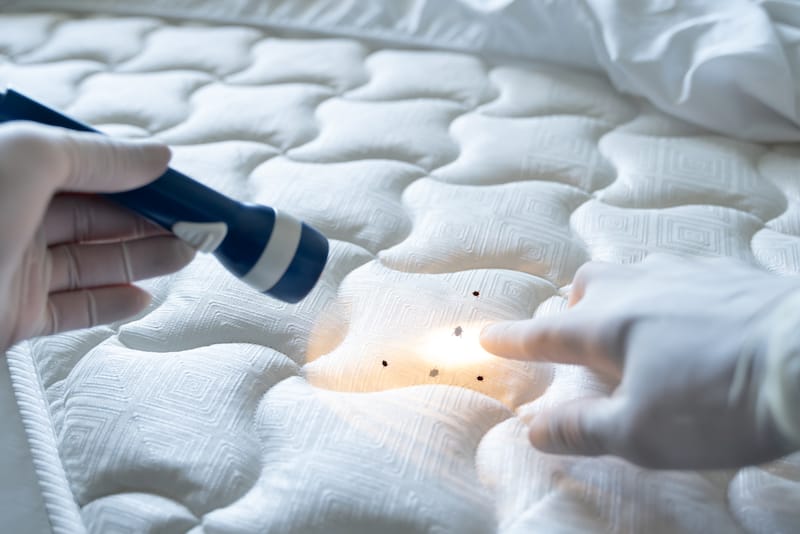
- Reddish-brown or rusty stains: These are typically bed bug fecal spots, which are digested blood. They often appear on sheets, mattresses, pillowcases, and even along the seams of upholstery.
- Small, dark spots/smears: Similar to the above, these are also excrement marks and can look like ink stains.
- Tiny white ovals or pale yellow skins: These are bed bug eggs and shed skins (exoskeletons) from nymphs as they grow. The shed skins are translucent and can be found in the same hiding spots as the live bugs.
- Live bed bugs: Although difficult, you might occasionally spot actual bed bugs. Look for them crawling or hiding in crevices.
- Sweet, musty odor: In cases of severe infestation, a distinct, sweet, musty odor, often described as smelling like cilantro or raspberries, may be present. This is caused by the bed bugs’ alarm pheromones.
- Bites: While not a definitive sign of bed bugs (other insects bite too), new, itchy welts that appear in lines or clusters, especially on exposed skin overnight, should raise a red flag.
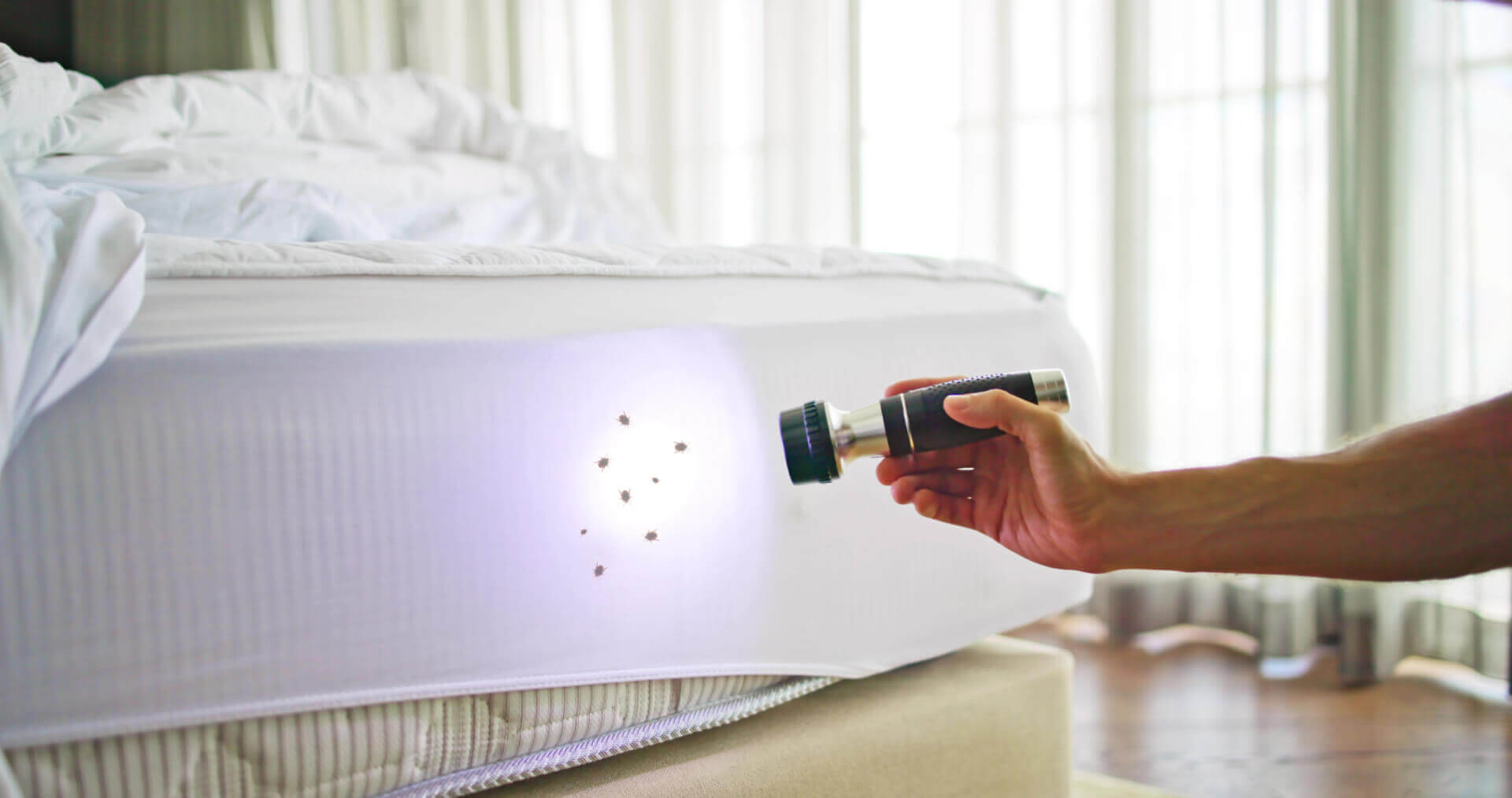
By keeping these visual cues in mind, you can significantly improve your chances of detecting an infestation early, safeguarding your travel experience and peace of mind.
Your Arrival Strategy: A Step-by-Step Inspection Guide
The moment you step into your hotel room is critical. Resist the urge to immediately plop your luggage on the bed or floor. Instead, implement a strategic inspection plan. This vigilance is a small price to pay for a peaceful stay and a bug-free return home. Whether your stay is for business, a family trip to Orlando, or a romantic getaway in Venice, this routine should become a standard part of your travel protocol.
Initial Precautions: Before You Unpack
Your first few minutes in the room are crucial. Before doing anything else, take these preventive measures:
- Place Luggage Strategically: Never put your luggage directly on the bed, the carpet, or against fabric furniture. The bathroom is often the safest place for your bags because bed bugs are less likely to thrive on hard, cool surfaces like tile. Alternatively, use the metal luggage rack, pulling it away from the wall to ensure no bugs can drop onto your bag from wall hangings.
- Arm Yourself: A small flashlight (your phone’s flashlight works perfectly) and a magnifying glass (optional, but helpful for spotting eggs or nymphs) are your best tools.
- Do a Quick Visual Scan: Before getting too close, do a general sweep of the room. Are there any obvious signs of neglect or poor cleanliness?
The Bed Bug Blitz: A Room-by-Room Search
The bed is ground zero for bed bugs. This is where you should focus the majority of your inspection. Take your time, be thorough, and don’t rush.
-
The Mattress:
- Strip the Bed: Carefully pull back the sheets, blankets, and mattress pad. Pay close attention to the seams and piping of the mattress. This is a prime hiding spot.
- Inspect All Sides: Lift and inspect all four corners and edges of the mattress. Look for any of the signs mentioned above: reddish-brown stains, dark spots, tiny white eggs, or shed skins.
- Flip and Check: If possible and safe, lift or flip the mattress to inspect the underside.
-
The Box Spring:
- Lift and Examine: The box spring is another favorite hiding spot due to its many crevices and fabric folds. Lift the mattress off the box spring and inspect the entire surface, paying extra attention to the fabric folds, corners, and any tears.
- The Underside Barrier: Check the thin dust cover fabric on the underside of the box spring. Bed bugs can hide underneath this. If it’s torn, carefully peel back the edges and look inside.
-
The Bed Frame and Headboard:
- Examine the Frame: Run your flashlight along all parts of the bed frame, including joints, slats, and screw holes. Check any decorative carvings or hollow areas.
- Inspect the Headboard: If the headboard is attached to the wall, pull it away slightly if possible (being careful not to damage anything) and inspect the back and the wall area directly behind it. Bed bugs can easily hide in wall cracks, behind picture frames, or in crevices of a wooden or upholstered headboard.
-
Nightstands and Surrounding Areas:
- Empty and Inspect Drawers: Remove items from nightstand drawers and inspect the inside corners and undersides of the drawers.
- Check Electrical Outlets: Bed bugs can squeeze into tiny spaces, including behind electrical outlet covers. While you won’t remove the cover, a quick glance at the edges of the plate for dark spots can be informative.
- Behind Wall Decor: Briefly check behind any framed art or mirrors hanging on the wall closest to the bed.
Don’t Forget the Furniture and Beyond
While the bed is the primary target, bed bugs don’t limit themselves to sleeping areas. Extend your inspection to other furniture and room elements. This step is particularly important in larger accommodations like suites in a Hyatt in Tokyo or family apartments.
- Upholstered Furniture: Sofas, armchairs, and ottomans, especially those with skirts or deep cushions, can harbor bed bugs. Inspect seams, piping, and the undersides of cushions.
- Dressers and Desks: Check drawers (inside and out), joints, and any crevices. Pay attention to areas where wood pieces meet.
- Curtains and Window Treatments: Examine the folds and seams of curtains, particularly where they meet the wall or window frame.
- Luggage Rack: Even if you plan to use it, inspect the luggage rack thoroughly. Bed bugs can easily cling to the straps and crevices.
- Closets: Although less common, check the shelving and corners of closets, especially if you plan to store clothing directly on them.
- Wall-to-Wall Carpeting: While difficult to inspect thoroughly, keep an eye out for any unusual dark spots or patterns on the carpet near the bed and furniture.
This comprehensive approach might seem extensive, but it takes only 10-15 minutes and can save you from considerable distress. It’s an investment in your comfort and peace of mind, allowing you to fully enjoy your travels, whether it’s a business stay or a leisurely exploration of local culture.
What to Do If You Find Bed Bugs
Discovering bed bugs in your hotel room can be unsettling, but panic won’t help. The key is to remain calm, document your findings, and act swiftly and decisively. This protocol applies whether you’re at a luxurious Ritz-Carlton or a Motel 6 along a highway in Canada. Prompt action minimizes the risk to yourself and helps the hotel address the issue effectively.
Immediate Action and Communication
- Document Your Findings: Take clear photos or videos of any bed bugs, eggs, shed skins, or fecal spots you discover. This visual evidence is crucial for your report to hotel staff and any potential disputes. Note the exact location and time of your discovery.
- Do NOT Move Rooms Immediately: While your instinct might be to flee, moving to another room without proper precautions could inadvertently spread the infestation to a new room or even to your own belongings.
- Notify Hotel Management: Immediately contact the front desk or hotel management. Present your evidence calmly and clearly. Request to be moved to a different room.
- Insist on a Thoroughly Inspected New Room: When offered a new room, request one that is not adjacent (above, below, or beside) to the infested room, as bed bugs can travel through walls. Insist that the new room also be thoroughly inspected before you move your belongings into it, or conduct your own inspection there as well.
- Seek Refund/Compensation: Depending on the severity of the infestation and the hotel’s response, you may be entitled to a refund or compensation. Be firm but polite in your discussions. A reputable establishment will take such complaints seriously.
Protecting Your Belongings
Even if you find bed bugs and are moved to a new room, your belongings might have been exposed. Take these steps to prevent hitchhikers:
- Seal Your Luggage: Before leaving the infested room, place all your belongings, especially your luggage, into sealable plastic bags (travel-sized garbage bags work well for smaller items, larger ones for suitcases). This helps contain any bugs that might have already found their way into your bags.
- Inspect and Repack Carefully: Before transferring items to the new room, carefully inspect each item, shaking out clothing and visually checking crevices of bags.
- Avoid Spreading: Do not move your initial luggage into the new room until it has been thoroughly inspected. If possible, leave it outside the door of the new room while you perform your second inspection.
Beyond the Hotel: Preventing Infestations at Home
The true nightmare of encountering bed bugs in a hotel is the possibility of bringing them back to your sanctuary. Preventing a home infestation requires diligent action upon your return, especially if you’re a frequent traveler exploring diverse accommodation options, from luxury travel to more rugged expeditions. This post-trip protocol is as important as your initial hotel inspection.
Post-Trip Protocol
Even if you didn’t find any signs of bed bugs during your stay, it’s wise to assume a potential exposure and take preventative measures:
- Unpack Strategically: When you arrive home, do not bring your luggage directly into your bedroom. Unpack in a garage, bathroom, or even outside if possible.
- Hot Wash and Dry: Immediately put all your clothes (even those you didn’t wear) into the washing machine. Wash them in hot water and then dry them on the hottest setting for at least 30 minutes. The high heat of the dryer is particularly effective at killing bed bugs and their eggs.
- Vacuum Luggage: Thoroughly vacuum your suitcases, paying close attention to seams, zippers, and pockets. Dispose of the vacuum bag immediately in an outdoor trash bin.
- Heat Treatment for Non-Washables: For items that cannot be washed or dried on high heat (e.g., shoes, books, electronics), consider placing them in a sealed bag in direct sunlight for several hours on a hot day, or using a portable heat chamber if you frequently travel and want a dedicated solution. Freezing items can also work, but requires prolonged exposure to very low temperatures.
- Inspect and Store Luggage: After cleaning, inspect your luggage again. Store empty suitcases in a plastic protective cover or sealed bag in an area away from your sleeping quarters, such as an attic, garage, or large closet. Avoid storing them under your bed.
Long-Term Vigilance for Frequent Travelers
For those whose lifestyle involves constant travel, making these precautions a routine will significantly reduce risks.
- Mattress and Box Spring Encasements: Consider using bed bug-proof encasements for your mattress and box spring at home. These zippered covers trap any existing bugs inside and prevent new ones from establishing themselves.
- Regular Home Inspections: Periodically inspect your own bed, particularly after returning from a trip.
- Educate Yourself: Stay informed about bed bug prevalence, especially in common tourist hotspots or specific hotel chains. Knowledge is your best defense.
By integrating these practices into your travel habits, you transform from a potential victim into a prepared, empowered traveler. This proactive approach ensures that your adventures remain focused on the joys of exploration, the beauty of landmarks like the Eiffel Tower, and the rich experiences of local culture, rather than the distress of an unwanted pest problem. Safe travels begin with smart habits.
LifeOutOfTheBox is a participant in the Amazon Services LLC Associates Program, an affiliate advertising program designed to provide a means for sites to earn advertising fees by advertising and linking to Amazon.com. Amazon, the Amazon logo, AmazonSupply, and the AmazonSupply logo are trademarks of Amazon.com, Inc. or its affiliates. As an Amazon Associate we earn affiliate commissions from qualifying purchases.