
The excitement of arriving at a new hotel, whether for a much-anticipated vacation or a crucial business trip, can sometimes be overshadowed by an unwelcome thought: bed bugs. These tiny, elusive pests are a pervasive concern for travelers worldwide, capable of transforming a relaxing stay into a stressful ordeal. Understanding how to thoroughly inspect your room for bed bugs is not just a precautionary measure; it’s an essential skill for any discerning traveler. This comprehensive guide will equip you with the knowledge and techniques to identify potential infestations, ensuring your peace of mind and protecting your belongings from these persistent stowaways.

Why Bed Bugs Are a Concern for Hotel Guests
Bed bugs are a global issue, thriving wherever people congregate and travel, making hotels a prime habitat. Their ability to hitchhike in luggage and personal items means that a single infested guest can inadvertently introduce them to an otherwise clean establishment, leading to potential widespread problems.
What are Bed Bugs?
Bed bugs (Cimex lectularius) are small, reddish-brown, nocturnal insects that feed exclusively on the blood of warm-blooded animals, primarily humans. About the size of an apple seed (4-5 mm), they are flat, oval, and wingless. They are adept at hiding in tiny crevices and cracks, making them challenging to spot. While not known to transmit diseases, their bites can cause itchy welts, skin irritation, and significant psychological distress. An infestation can ruin a trip and, if unknowingly carried home, can lead to costly and time-consuming eradication efforts. Major hotel chains, from Marriott International to Hilton Hotels, invest heavily in pest control, but no establishment is entirely immune to the risk due to the nature of their transmission.
The Global Travel Connection
The very nature of global travel facilitates the spread of bed bugs. A traveler might pick them up in a hostel in Europe, carry them in their suitcase to a luxury resort in Asia, and then inadvertently deposit them in a hotel room in New York City. This continuous cycle underscores why vigilance is paramount. High-turnover environments like hotels provide bed bugs with a steady supply of hosts and ample opportunities for relocation. This makes diligent checking a standard practice for savvy travelers, whether visiting London or Paris.
Your Step-by-Step Hotel Room Inspection Guide
Upon entering your hotel room, resist the urge to immediately unpack and settle in. Your first priority should be a thorough, systematic inspection. This process should ideally take place before your luggage even touches the floor or furniture.
Initial Entry Scan
As soon as you open the door, perform a quick visual sweep. Don’t set your bags on the bed or carpet. Instead, place them in the bathroom, preferably in the bathtub or on the tile floor, which offers fewer hiding spots and provides a contrasting surface against which bed bugs might be visible. Use your phone’s flashlight, or a dedicated powerful flashlight, as bed bugs prefer dark, secluded areas. Look around the general area for any immediate, obvious signs of distress or previous pest control activity.
The Mattress and Bedding Deep Dive
The bed is ground zero for bed bug activity, as it provides easy access to their blood meals. This area requires the most meticulous attention.
- Lifting the Sheets: Begin by pulling back all the bedding – sheets, blankets, and mattress pad. Pay close attention to the seams, piping, and tufts of the mattress. These are prime hiding spots for bed bugs and their eggs.
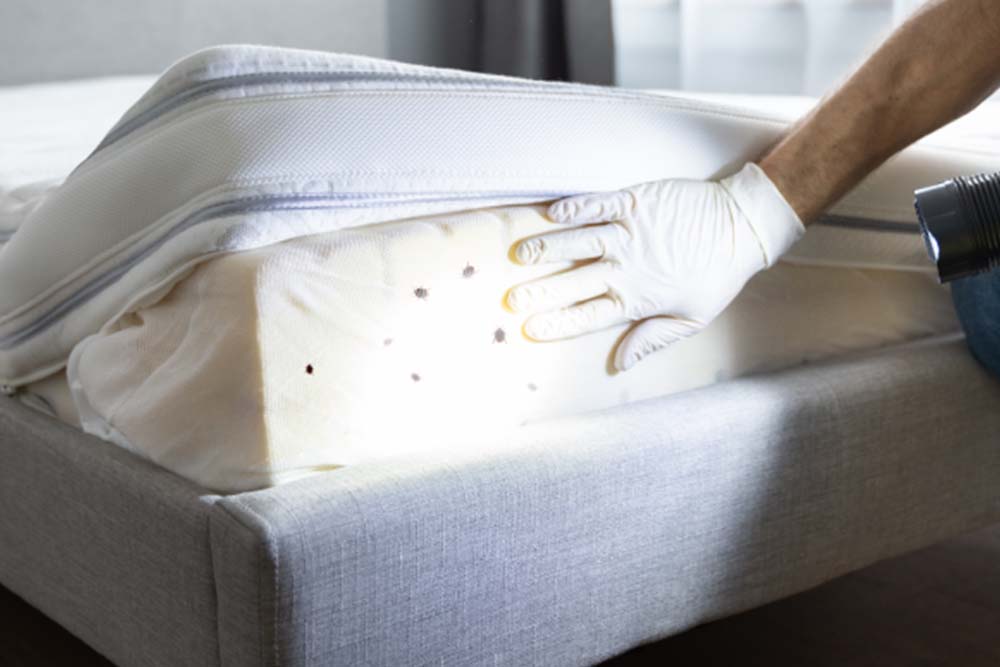
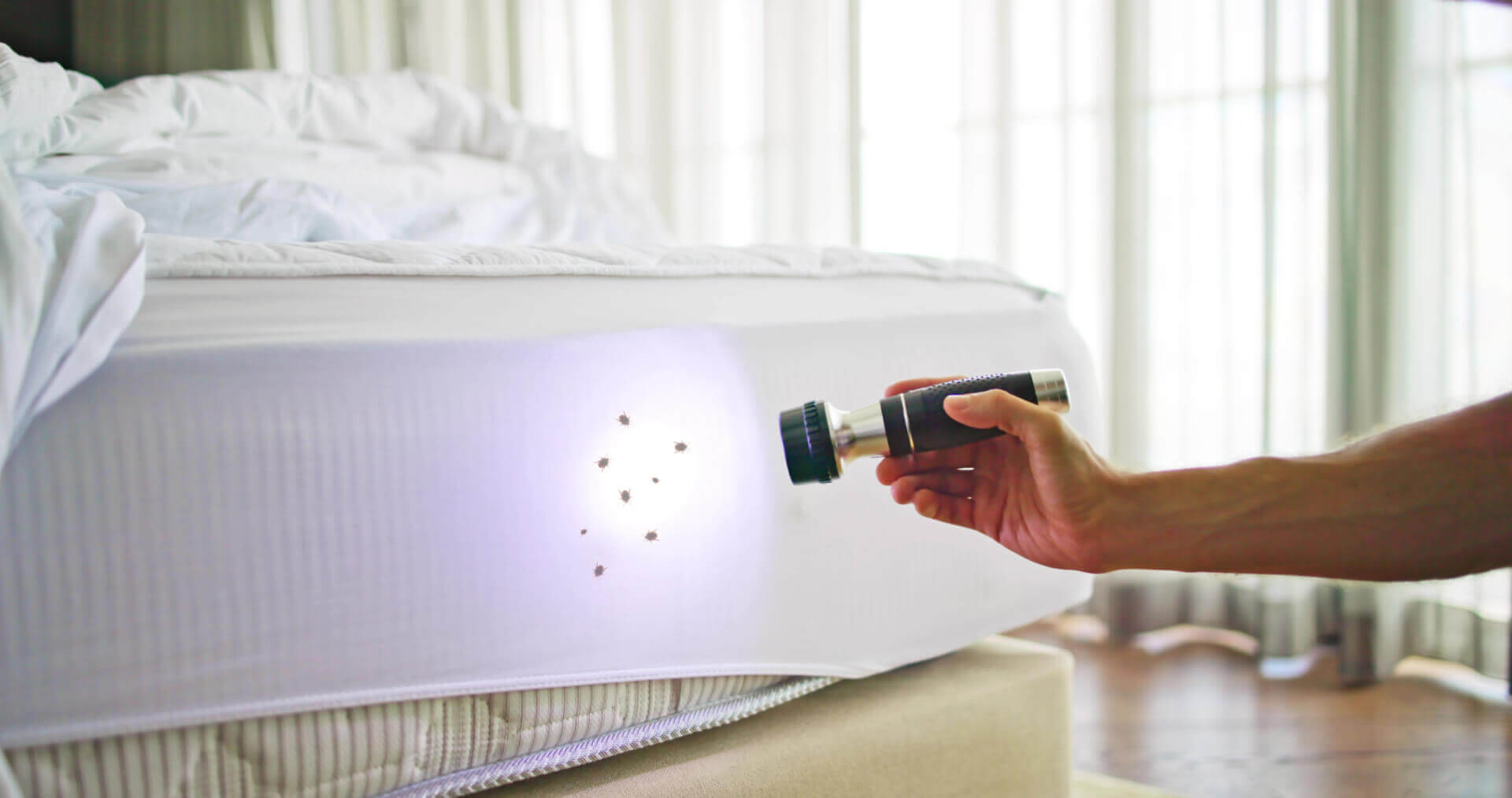
- Inspecting the Mattress and Box Spring: Carefully lift each corner of the mattress. Shine your flashlight along the seams, folds, and underside of the mattress. Look for any dark spots, tiny rust-colored stains (bed bug fecal matter), small red smears (crushed bed bugs), or even the bugs themselves. Extend this inspection to the box spring, removing it from the bed frame if possible to check its underside and crevices.
- Checking the Headboard and Bed Frame: Bed bugs don’t just stay on the mattress. They often hide in the headboard, particularly if it’s upholstered, and within the bed frame itself. Use your flashlight to examine all cracks, crevices, screw holes, and seams of the headboard and frame. If the headboard is mounted to the wall, check the area where it meets the wall.
Scrutinizing Nearby Furniture and Fixtures
Bed bugs are not limited to the bed. They can disperse and find refuge in any dark, undisturbed location near their host.
- Nightstands and Dressers: Empty the drawers of nightstands and dressers. Inspect the inside and outside, focusing on joints, seams, and the underside of drawers. Pull the nightstands away from the wall to check the wall behind them and the back of the furniture itself.
- Chairs and Sofas: If your room includes upholstered chairs or a sofa, inspect them thoroughly. Check the seams, cushions, and underneath of these items. Look for any signs of bed bugs or their droppings.
- Curtains and Walls: Examine the pleats and seams of curtains, particularly near the top where they hang from the rod. Also, scan the walls around the bed, looking for any dark spots or trails, especially behind picture frames or loose wallpaper.
Checking Luggage Racks and Storage Areas
Never place your luggage directly on the bed, floor, or upholstered furniture before inspection. The luggage rack is often considered a safer spot, but it’s still susceptible.
- Luggage Rack: Before using it, thoroughly inspect the luggage rack, particularly the straps, joints, and crevices. Bed bugs are known to hide here, waiting for an opportunity to transfer to your bags.
- Closet and Storage Areas: Briefly check the closet floor, shelves, and any other storage areas. While less common, these spots can also harbor bugs if an infestation is severe or has spread.
Key Indicators of a Bed Bug Infestation
Knowing what to look for is as important as knowing where to look. Bed bugs leave several distinct clues that can alert you to their presence.
Visual Identification of Live Bugs
Adult bed bugs are about the size and shape of an apple seed, reddish-brown, and flat. After feeding, they become engorged and more reddish. Nymphs (young bed bugs) are smaller, translucent, and yellowish-white. Eggs are tiny, pearly-white, and typically found in clusters in crevices. A magnifying glass can be useful for spotting eggs.
Tell-tale Physical Evidence
- Fecal Spots: These are small, dark, rust-colored spots, often resembling dried blood. They are typically found in clusters on mattresses, bedding, bed frames, and even walls. These spots are digested blood and will bleed like a marker if wiped with a wet cloth.
- Shed Skins (Exoskeletons): As bed bugs grow, they shed their outer shells (exoskeletons). These empty, translucent casings are often found near their hiding spots and look like tiny, hollow bed bugs.
- Blood Stains: Small, reddish-brown smears on sheets or pajamas can indicate that a bed bug was crushed after feeding. These are often distinct from the darker fecal spots.
- Bed Bug Bites: While bites themselves are not definitive proof of an infestation (other insects bite), they are a strong indicator when combined with other signs. Bed bug bites often appear as small, red, itchy welts, frequently in a line or cluster, commonly on exposed skin like arms, legs, and neck.
Unmistakable Odors
In cases of heavy infestation, a distinct, sweet, musty odor, often described as smelling like spoiled raspberries or coriander, may be present. This smell is produced by the bed bugs’ alarm pheromones and glands. If you detect such an odor, it’s a significant red flag.
Immediate Actions Upon Discovering Bed Bugs
Finding bed bugs can be alarming, but remaining calm and acting swiftly is crucial to protect yourself and prevent further spread.
Documenting the Evidence
Before doing anything else, document your findings. Take clear, well-lit photos or videos of the live bugs, fecal matter, shed skins, or any other signs of infestation. This serves as undeniable proof when communicating with hotel staff. Note the exact location and time of your discovery. If you can safely capture a live specimen in a sealed plastic bag or container, this provides even stronger evidence.
Notifying Hotel Management
Immediately contact the front desk or hotel management. Politely but firmly explain your findings and present your evidence. Request to be moved to a different room, ideally on a different floor and away from adjacent rooms, to minimize the chance of moving to another infested area. Be clear that you are concerned about your health and the potential spread of pests. A reputable establishment like the Hyatt Regency or other well-known hotels should respond promptly and offer a new, thoroughly inspected room or a full refund.
Protecting Your Belongings
Even if you move rooms, there’s a risk your belongings may have been exposed.
- Isolate Your Luggage: If possible, seal your luggage in large plastic trash bags before moving it to the new room. This helps contain any potential hitchhikers.
- Inspect and Clean: Before transferring your belongings, thoroughly inspect everything. Pay special attention to the seams and pockets of your luggage. Any clothing or items that can be laundered should be placed directly into a sealed bag. Do not place items from your old room on the bed or furniture in your new room until they have been inspected. Consider wiping down hard-sided luggage with disinfectant wipes.
Preventing Bed Bugs From Hitchhiking Home
The biggest fear after a hotel encounter with bed bugs is bringing them home. Proactive measures before you leave the hotel and upon your return are essential.
Pre-Departure Bag Check
Before packing to leave, perform a mini-inspection of your belongings. Shake out clothes, visually inspect seams and pockets of luggage. Even if you didn’t find bed bugs in your room, it’s wise to assume a potential exposure and take precautions. Consider placing all clothing into sealed plastic bags within your suitcase.
Post-Travel Laundry Protocol
Upon returning home, immediately take your luggage to an area where you can minimize contamination, such as a garage, balcony, or laundry room. Do not bring suitcases into your bedroom.
- Hot Wash and Dry: Launder all clothing, whether worn or unworn, in the hottest water permissible for the fabric. Crucially, tumble dry on high heat for at least 30 minutes, as heat is highly effective at killing bed bugs and their eggs.
- Dry Cleaning and Delicates: For items that require dry cleaning or cannot withstand high heat, consult with a professional dry cleaner. Some items might need to be sealed in bags and stored for an extended period in extreme temperatures (e.g., a freezer if practical) or treated professionally.
Luggage Storage Best Practices
After emptying and treating your luggage, store it in a way that prevents any surviving bed bugs from infesting your home.
- Storage Location: Avoid storing luggage near your bed or in frequently used living areas. A garage, attic, or basement might be better options.
- Sealed Storage: Consider storing your luggage in large, heavy-duty plastic bags or hard plastic containers with tight-fitting lids. This creates a barrier, preventing any lingering bed bugs from escaping and finding new hosts.
- Vacuuming: Thoroughly vacuum your suitcases, paying close attention to zippers, seams, and pockets, before storing them. Dispose of the vacuum bag immediately outside in a sealed trash bag.
By adopting these diligent inspection and prevention practices, you significantly reduce the risk of encountering bed bugs and, more importantly, bringing them back into your home. Traveling, whether for business or pleasure to destinations like Miami or any city in the United States, should be an enjoyable experience, and being prepared for potential issues like bed bugs is a crucial part of smart travel.
LifeOutOfTheBox is a participant in the Amazon Services LLC Associates Program, an affiliate advertising program designed to provide a means for sites to earn advertising fees by advertising and linking to Amazon.com. Amazon, the Amazon logo, AmazonSupply, and the AmazonSupply logo are trademarks of Amazon.com, Inc. or its affiliates. As an Amazon Associate we earn affiliate commissions from qualifying purchases.