
Navigating the complexities of the legal system can be a daunting task for anyone, regardless of their involvement. In the great state of Texas, understanding whether an active warrant exists for your name is a crucial step in ensuring peace of mind and avoiding potential complications. Whether you are a long-time resident, a new mover, or simply planning an extended stay, knowing how to proactively check for warrants is an essential piece of personal due diligence. This guide will walk you through the various avenues available to you in Texas for conducting such inquiries, empowering you with the knowledge to address any outstanding legal matters.
Understanding Warrants in Texas
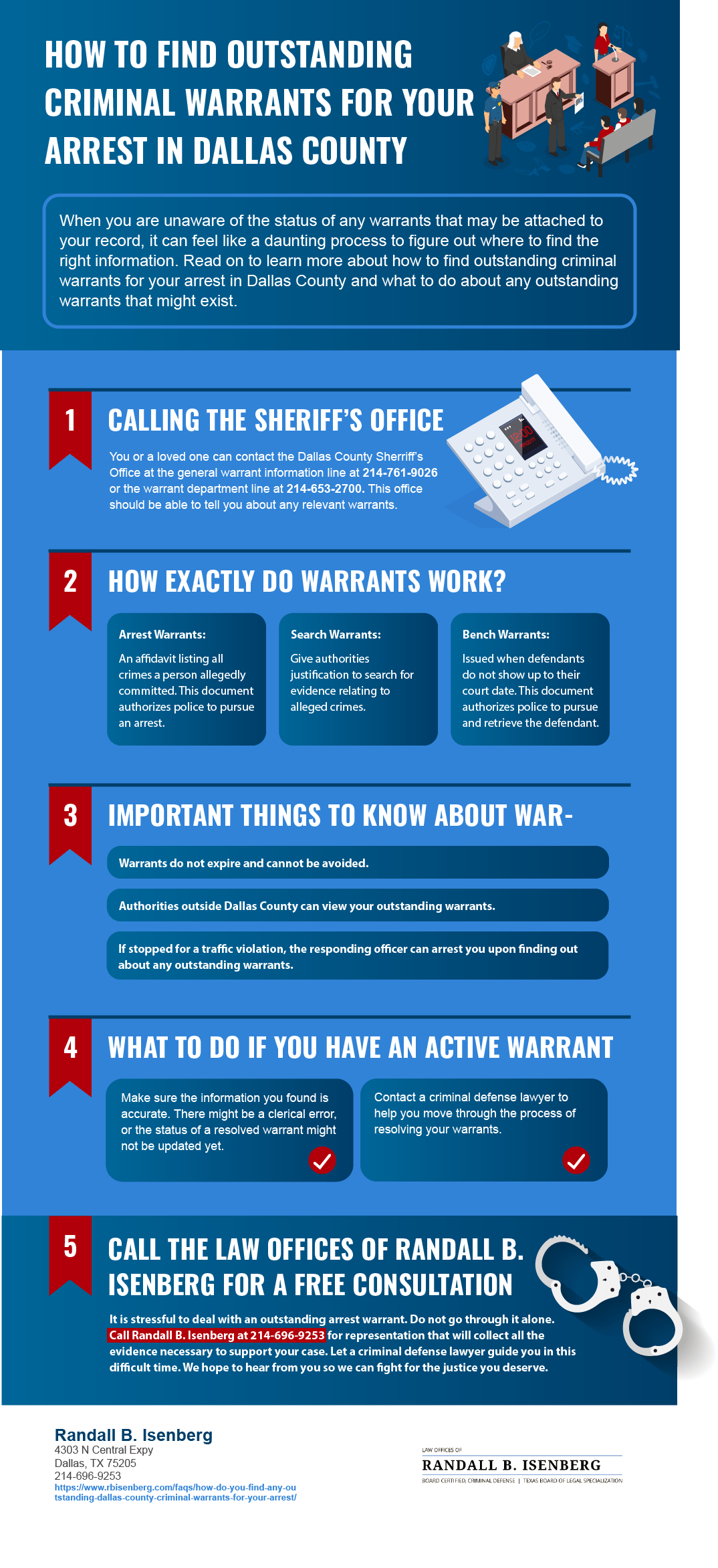
Before delving into the practical methods of checking for warrants, it’s important to grasp what a warrant signifies within the Texas legal framework. A warrant is a legal document issued by a judge or magistrate that authorizes law enforcement officers to take a specific action, most commonly to arrest an individual suspected of committing a crime. Warrants are not issued lightly; they are typically based on probable cause presented by law enforcement.
Types of Warrants in Texas
In Texas, warrants can generally be categorized into a few main types, each with different implications:
Arrest Warrants
These are the most common type of warrant and are issued when law enforcement has probable cause to believe an individual has committed a criminal offense. An arrest warrant grants police the authority to detain the individual named in the warrant and bring them before the court.
Bench Warrants
A bench warrant is issued by a judge when an individual fails to appear in court for a scheduled hearing or fails to comply with a court order. This can include failing to pay fines, missing a jury duty summons, or not showing up for a traffic ticket arraignment.
Search Warrants
While not directly related to checking for personal warrants, it’s worth noting that search warrants authorize law enforcement to search a specific location for evidence of a crime. Understanding the distinction between arrest/bench warrants and search warrants is important when conducting your inquiries.
The Importance of Proactive Checking
The primary reason for proactively checking for warrants is to avoid the surprise and inconvenience of an arrest. If you are pulled over for a minor traffic violation and an active warrant exists for your arrest, you could find yourself taken into custody on the spot, regardless of the reason for the initial stop. This can significantly disrupt your plans, potentially leading to missed work, family obligations, or even travel arrangements.
For individuals who have moved to Texas or are considering relocation, it is particularly prudent to ensure all past legal obligations in previous jurisdictions have been settled. Similarly, for those who may have outstanding fines or unaddressed minor offenses, a quick check can prevent future legal entanglements.
Methods for Checking for Warrants in Texas
Fortunately, Texas offers several accessible methods for individuals to inquire about outstanding warrants. These methods range from official online portals to in-person inquiries, allowing for flexibility based on your preference and circumstances.
Online Warrant Searches
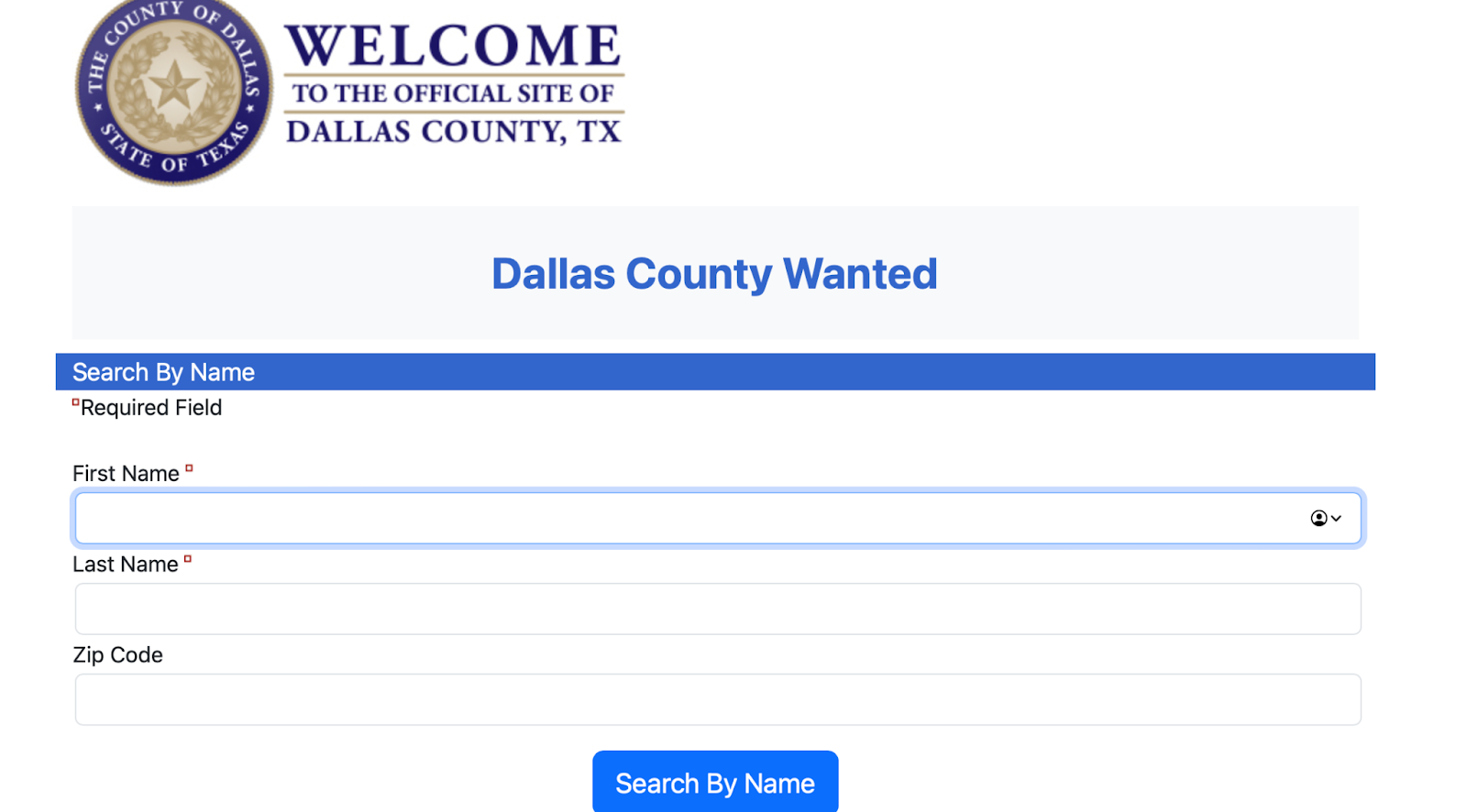
Many counties in Texas provide online databases that allow the public to search for active warrants. These databases are often maintained by the sheriff’s office or the local justice system.
County Sheriff’s Office Websites
The most direct way to check for a warrant in a specific county is to visit the official website of that county’s sheriff’s office. Many sheriff’s departments have a “Warrant Search” or “Inmate Lookup” section where you can enter a name to see if any active warrants are associated with it. It is important to note that the information on these sites may not always be perfectly up-to-date, but they are a good starting point.
Court Clerks’ Online Portals
Some court systems also offer online access to their dockets and case information, which may include warrant details. Searching the website of the district clerk or county clerk for the relevant county can sometimes yield results. These portals are more likely to be comprehensive for court-related matters.
Third-Party Public Record Websites
While not official government sources, some third-party websites aggregate public records, including warrant information. It is crucial to exercise caution when using these sites, as the data may be outdated, incomplete, or inaccurate. Always cross-reference any information found on these platforms with official sources.
In-Person Inquiries
For a definitive answer or if online resources are not yielding results, an in-person inquiry is often the most reliable method. This approach involves visiting the relevant government offices.
Visiting the Sheriff’s Office
You can visit the sheriff’s office in the county where you believe a warrant might exist. You can inquire at the front desk, and a deputy can assist you in checking their system. Be aware that if a warrant does exist, your presence in the sheriff’s office could lead to an immediate arrest. It is advisable to have legal counsel present or to be prepared for this possibility.
Contacting the Local Court Clerk
The office of the district clerk or county clerk is another valuable resource. You can call or visit their office in person and request information about any outstanding warrants under your name. Similar to the sheriff’s office, if an active warrant is discovered, proceeding with the inquiry in person could result in apprehension.
Consulting with an Attorney
Engaging with a qualified criminal defense attorney is arguably the most secure and advisable method if you suspect an active warrant. An attorney can conduct a confidential warrant search on your behalf. They have the knowledge and resources to investigate discreetly and can advise you on the best course of action, including how to address any outstanding legal issues without unnecessary risk. This is particularly recommended if you are concerned about potential arrest.
Considerations and Next Steps
Once you have conducted your warrant search, understanding the implications of your findings is paramount. Whether you discover an active warrant or confirm there are none, there are specific considerations and recommended next steps.
If No Warrant is Found
If your diligent search reveals no active warrants for your name in Texas, you can largely proceed with your daily activities with peace of mind. However, it is always wise to maintain good standing with the legal system.
Staying Up-to-Date
Legal situations can change. While not a necessity for most, some individuals may wish to periodically re-check, especially if they have upcoming travel plans or significant life events.
Settling Minor Infractions
Even without active warrants, ensuring all minor infractions, such as traffic tickets and associated fines, are resolved is a good practice to prevent potential future complications that could lead to bench warrants.
If a Warrant is Found
Discovering an active warrant requires a measured and informed response. Acting impulsively can often exacerbate the situation.
Do Not Ignore It
The most critical advice when a warrant is found is to not ignore it. Warrants do not expire on their own and can lead to arrest at any time. Delaying can lead to more severe consequences.
Seek Legal Counsel Immediately
This is the most crucial step. If you find out you have an active warrant, contact a Texas criminal defense attorney as soon as possible. An attorney can:
- Confidentiality: Conduct inquiries discreetly.
- Guidance: Advise you on the specific charges and the severity of the warrant.
- Representation: Negotiate with the prosecutor or court on your behalf.
- Surrender Process: Arrange for a voluntary surrender to the authorities, which can often lead to a less stressful process and potentially immediate bail or release on bond, minimizing jail time.
- Expungement/Seal: Explore options for clearing your record if applicable.
Understanding Your Options
Your attorney will explain your legal options, which may include:
- Appearing in Court: The attorney can help you prepare for your court appearance.
- Posting Bond: Depending on the nature of the warrant and the court’s policy, you may be able to post bail to be released while your case is pending.
- Motion to Quash: In some circumstances, an attorney may be able to file a motion to quash (cancel) the warrant, especially if it was issued improperly.
The Role of Law Enforcement and Court Systems
It is important to remember that warrant databases are maintained by law enforcement and judicial systems. While efforts are made to keep these systems accurate, discrepancies can occur. The information provided by official sources is the most reliable. Law enforcement officers use these databases to identify individuals with outstanding warrants during routine stops or investigations. The seriousness of encountering an officer with an active warrant cannot be overstated, as it typically results in immediate detention.
Frequently Asked Questions About Texas Warrants
Addressing common queries can further clarify the process and alleviate concerns for individuals seeking information about warrants in Texas.
Can I Be Arrested for a Traffic Ticket in Texas?
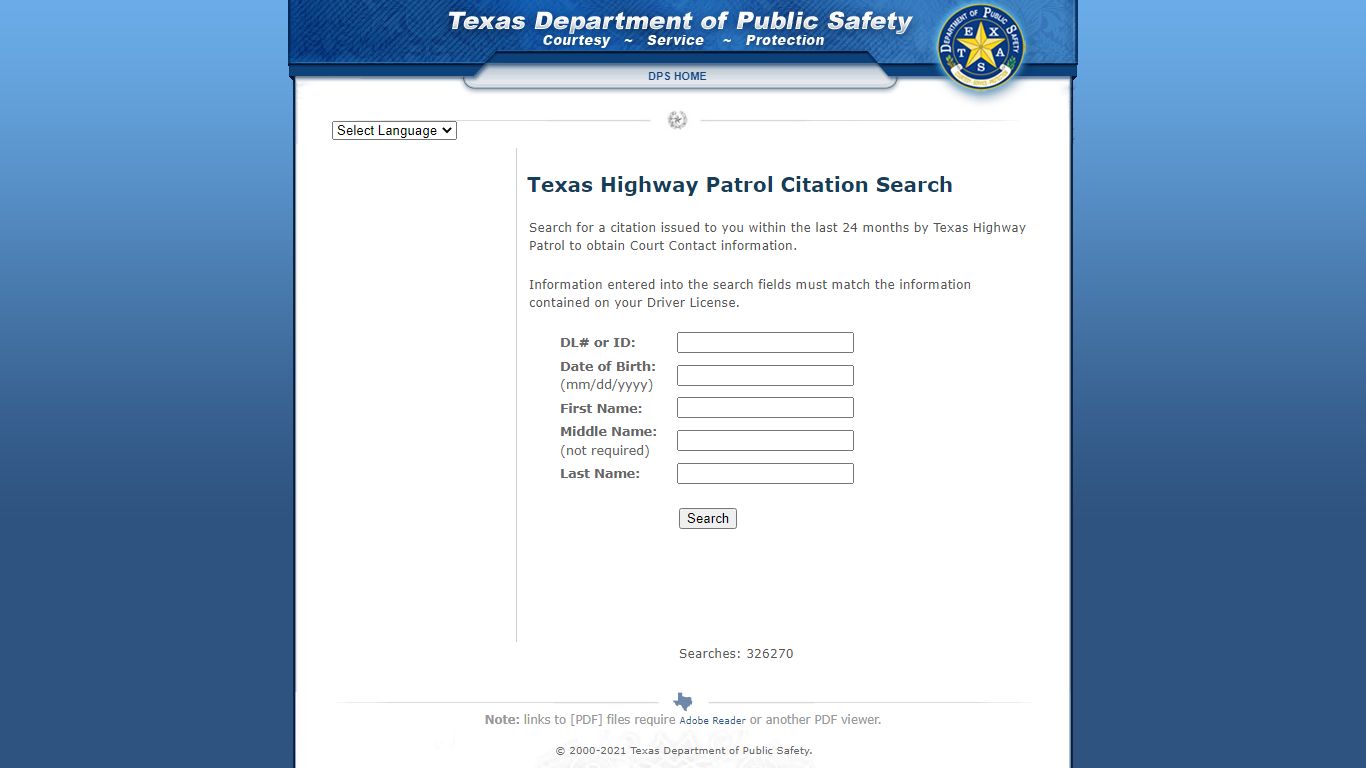
Yes, if you fail to appear in court for a traffic ticket or fail to pay the associated fines, a judge can issue a bench warrant for your arrest. This means that even if you are stopped for a minor infraction, the officer could discover the outstanding warrant and arrest you.
How Long Does a Warrant Stay Active in Texas?
Warrants in Texas generally remain active until they are served, quashed, or recalled by a judge. There is no statutory time limit for how long a warrant can remain active.
Is it Possible to Check for Warrants Anonymously?
While official online databases allow for searches by name, they are public records. The most anonymous way to check if you have a warrant, without risking discovery, is to hire an attorney to conduct the search on your behalf.
What Happens if I Have a Warrant from Another State but am in Texas?
If you have a warrant from another state, and it is entered into national databases such as the FBI’s National Crime Information Center (NCIC), law enforcement in Texas can discover it during an interaction. Extradition procedures would then determine if you would be returned to the issuing state. Consulting with an attorney in both states would be advisable.
Can a Warrant Be Cleared Without Appearing in Court?
In some specific situations, an attorney may be able to get a warrant quashed or recalled without the individual appearing in court, especially if the warrant was issued in error or under specific legal grounds. However, for most warrants, a court appearance or resolution is required.
Conclusion
Understanding and addressing potential warrants in Texas is a vital aspect of personal responsibility and legal compliance. By utilizing the available online resources, making in-person inquiries, or, most importantly, consulting with a qualified attorney, you can proactively manage any outstanding legal matters. The key is to act informedly and without delay. Whether you are a resident, visitor, or planning a trip to the Lone Star State, ensuring your legal standing is clear will allow you to enjoy your time and activities without the looming concern of an unexpected legal entanglement. Remember, knowledge and timely action are your strongest allies in navigating the legal landscape.
LifeOutOfTheBox is a participant in the Amazon Services LLC Associates Program, an affiliate advertising program designed to provide a means for sites to earn advertising fees by advertising and linking to Amazon.com. Amazon, the Amazon logo, AmazonSupply, and the AmazonSupply logo are trademarks of Amazon.com, Inc. or its affiliates. As an Amazon Associate we earn affiliate commissions from qualifying purchases.