
The thrill of travel is an unparalleled experience, offering opportunities to explore new destinations, immerse oneself in local culture, and create lasting memories. Whether you’re embarking on luxury travel to a five-star resort, seeking budget travel in charming boutique hotels, planning family trips to a theme park, or managing business stays in a bustling metropolis like New York City, the promise of a comfortable and safe accommodation is paramount. After a long journey, or an exciting day exploring landmarks such as the Eiffel Tower in Paris or the Colosseum in Rome, there’s nothing quite like sinking into a soft, inviting bed. However, an unwelcome reality for travelers worldwide is the potential presence of bed bugs. These elusive pests can turn a dream vacation into a nightmare, causing discomfort, anxiety, and even carrying them back home as an unwanted souvenir.

While the thought might be unsettling, being prepared is your best defense. This comprehensive guide will equip you with the knowledge and a step-by-step inspection checklist to ensure your hotel bed is bug-free, allowing you to enjoy your travel experiences with complete peace of mind. From understanding what bed bugs are to executing a thorough room inspection and knowing what to do if you find them, we’ll cover everything you need to know to protect your slumber and your belongings.
Understanding the Threat: Why Bed Bugs Matter
Before diving into the inspection process, it’s crucial to understand what bed bugs are, why they pose a problem, and what signs they leave behind. Dispelling myths and arming yourself with accurate information will make your inspection more effective and your overall travel experience less stressful.
The Elusive Pests: What Are Bed Bugs?
Bed bugs (Cimex lectularius) are small, reddish-brown insects, roughly the size of an apple seed when adult. They are nocturnal blood-feeders, meaning they typically emerge at night to feed on humans and animals. Despite their name, bed bugs aren’t confined to beds; they can hide in various cracks and crevices in a room. They are not known to transmit diseases, but their bites can cause itchy welts, skin irritation, and significant psychological distress due to sleep disturbance and the general unease of being bitten.
It’s a common misconception that bed bugs are a sign of uncleanliness. In reality, bed bugs are equal-opportunity hitchhikers. They can be found in the most luxurious suites and the simplest motels, in bustling cities like London or serene villas in Bali. Their presence is often a result of being transported by travelers from one location to another, rather than a reflection of a property’s hygiene standards. This is precisely why every traveler, regardless of their lifestyle or destination, should be vigilant.
Identifying the Signs: What to Look For
Knowing what evidence bed bugs leave behind is key to a successful inspection. Their small size and nocturnal habits make direct sightings rare, but their tell-tale signs are often more discernible. The primary indicators include:
- Small, Reddish-Brown Stains: These are often dried blood spots that result from bed bugs being crushed after feeding. You’ll typically find these on sheets, pillowcases, or the mattress.
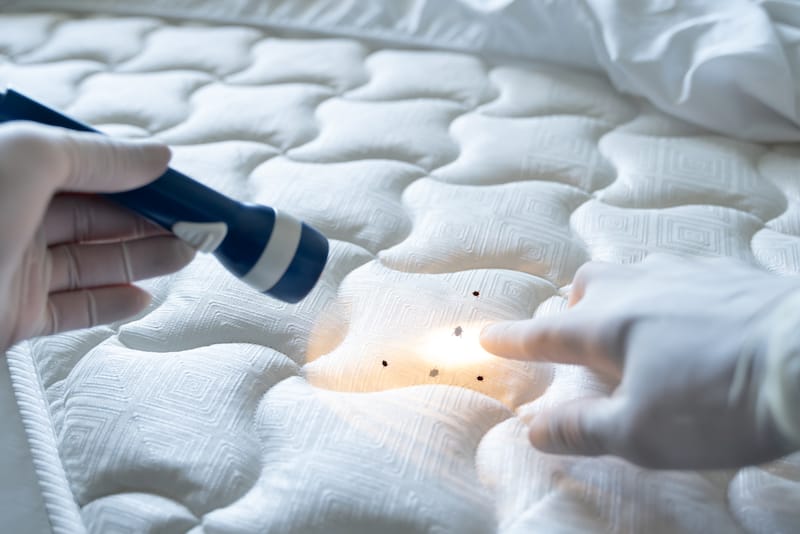
- Dark Spots (Fecal Matter): These are tiny, dark, rust-colored spots, about the size of a period, that look like specks of ground pepper or dried blood. They are bed bug excrement and will often “bleed” like a felt-tip marker if wiped with a wet cloth. Look for them along mattress seams, bed frames, and even walls near the bed.
- Tiny Eggs and Eggshells: Bed bug eggs are tiny (about 1mm), pale yellow, and resemble grains of rice. They are often found in clusters in crevices. Hatched eggshells are translucent and appear empty.
- Shed Skins (Exoskeletons): As bed bugs grow, they shed their outer shells five times before reaching maturity. These translucent, empty exoskeletons will be found near their hiding spots.
- Live Bed Bugs: While less common, finding a live, reddish-brown bed bug is definitive proof. They are typically flat and oval-shaped when unfed, becoming more swollen and elongated after a blood meal.
- Sweet, Musty Odor: In cases of severe infestation, a distinct, sweet, musty odor, sometimes described as a “buggy” or “raspberry-like” smell, may be present.
Understanding these signs empowers you to conduct a targeted and effective search, transforming a daunting task into a manageable safety routine.
Your Pre-Check-in Game Plan: Smart Travel Habits
Vigilance begins even before you step foot into your hotel room. Implementing smart travel habits can significantly reduce your risk of encountering bed bugs and, more importantly, bringing them home.
Researching Your Stay: Informed Choices
In today’s digital age, information is readily available. Before booking any accommodation, make it a habit to check recent reviews online. Websites specializing in hotel comparisons and user-generated content are excellent resources. Search specifically for mentions of “bed bugs” in the reviews. While one isolated mention might be a fluke, a pattern of complaints or recent reports should raise a red flag. Pay attention to the response of the hotel management; a proactive and responsible approach to such issues is a good sign. This due diligence is a simple yet powerful step in minimizing your risk.
Packing Smart: Protecting Your Belongings
Your luggage is the primary vehicle for bed bugs to travel with you. To minimize this risk:
- Choose the Right Luggage: Hard-shell suitcases offer fewer seams and crevices for bed bugs to hide in compared to soft-sided luggage.
- Pack Smartly: Consider using sealable plastic bags for your clothing, especially items you’ll wear to bed. This provides an extra layer of protection for your garments.
- Prepare for Arrival: When you first enter your hotel room, resist the urge to immediately place your luggage on the bed, upholstered furniture, or the floor. The bathroom, with its tiled surfaces, is generally considered the safest place to store your bags initially. Bed bugs find it difficult to climb smooth, slick surfaces. Keep your luggage zipped up when not in use.
By adopting these proactive measures, you’re setting yourself up for a safer and more enjoyable stay, whether you’re exploring the ancient wonders of Egypt or enjoying the vibrant street food scene in Thailand.
The Definitive Hotel Room Inspection Checklist
Once you’ve entered your room and secured your luggage, it’s time for the main event: a thorough bed bug inspection. This process should be systematic and comprehensive, leaving no stone unturned (or rather, no seam unexamined).
Initial Entry: Don’t Rush In
Before anything else, conduct a quick scan of the room. Do you notice any immediate red flags, such as visible bugs crawling on the floor or furniture, or a strong, musty odor? If so, immediately contact the front desk. Otherwise, proceed with caution:
- Stash Your Bags: As mentioned, place all luggage in the bathroom, preferably on a luggage rack if available, or in the bathtub. This keeps your belongings away from potential infestation zones while you inspect.
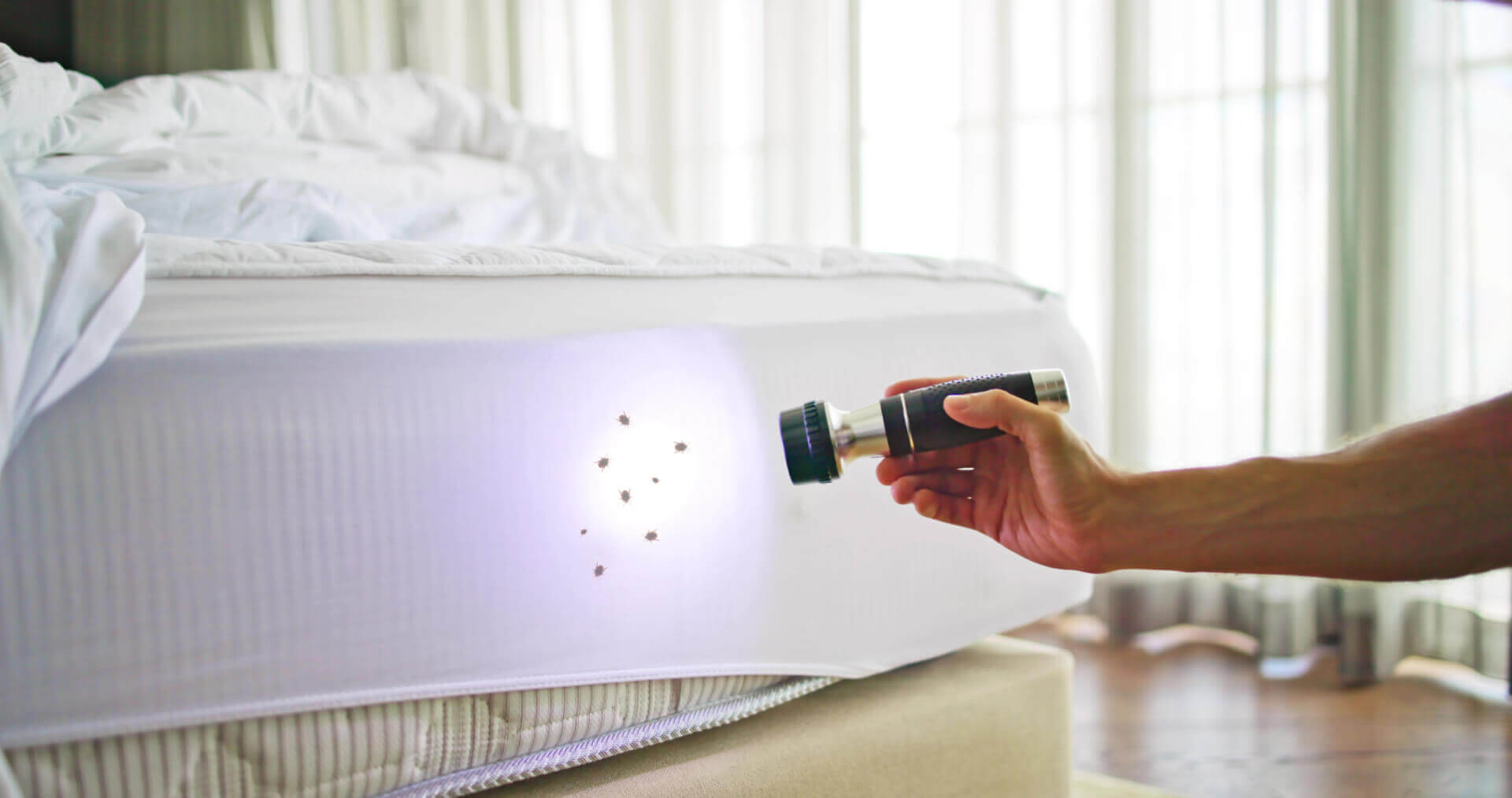
- Grab Your Tools: A small, bright flashlight (your phone’s flashlight works well) is essential for seeing into dark crevices. Gloves can be helpful for those who are particularly squeamish.
The Bed Bug Blueprint: A Systematic Search
The bed is ground zero for bed bug activity. This is where you should focus the majority of your efforts.
- Pull Back the Sheets: Carefully strip the bed, pulling back all sheets, blankets, and mattress pads. Don’t simply glance; lift and inspect each layer.
- Examine Mattress Seams: This is arguably the most crucial step. Using your flashlight, meticulously inspect all piping and seams of the mattress, paying close attention to the top, bottom, and sides. Look for the aforementioned reddish-brown stains, dark spots, eggs, shed skins, or live bugs.
- Investigate the Box Spring: Lift the mattress and thoroughly check the top and bottom of the box spring, especially along the seams and around the plastic corner protectors. If the box spring has a fabric dust cover on the bottom, carefully peel back a corner to inspect underneath.
- Inspect the Bed Frame and Headboard: Dismantle the headboard from the wall if possible (many are simply hung on hooks) and examine the back of it, as well as the wall behind it. Check all crevices, joints, screw holes, and decorative elements of the bed frame. Bed bugs love to hide in wood and metal frames.
- Nightstands and Surrounding Furniture: Don’t stop at the bed. Pull out the nightstands and inspect the drawers, underneath, and behind them. Check other upholstered furniture in the room, such as sofas, chairs, or ottomans, paying attention to seams and cushions.
Beyond the Bed: Other Hiding Spots
While the bed is the primary concern, bed bugs are incredibly adept at finding diverse hiding spots. Expand your search to include:
- Picture Frames and Wall Decor: Remove any framed art or mirrors from the wall and inspect the backs, edges, and the wall space behind them.
- Electrical Outlets and Light Switches: Use your flashlight to peer into these fixtures. Bed bugs are small enough to squeeze into these tiny spaces.
- Curtains and Window Frames: Inspect the pleats and seams of curtains, as well as the window sills and frames.
- Closet and Drawer Interiors: Quickly check the drawers in dressers and the interior of closets, especially along seams and corners.
- Crevices and Cracks: Do a general scan of any cracks in walls, peeling wallpaper, or loose baseboards.
This detailed, systematic inspection might seem time-consuming, but it typically takes less than 10-15 minutes and can save you from significant discomfort and inconvenience. It’s a small investment for a worry-free stay, whether your trip takes you through the historical streets of Kyoto or the bustling markets of Mexico City.
What to Do If You Discover Bed Bugs
Despite your best efforts, sometimes you might find evidence of bed bugs. It’s an unpleasant discovery, but knowing how to react calmly and effectively is crucial.
Immediate Action: Document and Report
- Do Not Panic: This is easier said than done, but remaining calm allows you to think clearly.
- Do Not Move Your Belongings to Another Part of the Room: This risks spreading the bugs. Keep your luggage sealed in the bathroom.
- Document the Evidence: Use your phone to take clear photos and videos of the bed bugs, their signs (fecal matter, shed skins, eggs), and their location. This visual proof is invaluable when reporting the issue.
- Immediately Contact the Front Desk: Politely but firmly explain your findings. Show them your documentation. Request to be moved to a different room.
- Request a Non-Adjacent Room: Crucially, ask for a room that is not adjacent to, directly above, or directly below the infested room. Bed bugs can easily travel through wall voids and electrical conduits. If possible, ask to inspect the new room yourself before moving your luggage.
Securing a New Room or Accommodation
If the hotel cannot offer a suitable, bug-free alternative, or if you feel uncomfortable staying, you may need to consider seeking accommodation elsewhere.
- Know Your Rights: While specific regulations vary by location (e.g., United States consumer protection laws), most reputable establishments will prioritize guest safety and satisfaction. You should not be charged for an infested room.
- Consider a Different Property: If you decide to switch hotels, try to choose one that is well-reviewed and has no recent bed bug reports. Before transferring your belongings, inspect them carefully.
Dealing with bed bugs is a significant disruption, but handling it methodically will mitigate further problems and ensure your travel tips are truly effective.
Preventing a Souvenir You Didn’t Ask For: Post-Stay Strategies
The battle isn’t over once you leave the hotel room. The greatest risk associated with bed bugs is bringing them home, where they can establish an infestation that is costly and difficult to eradicate. Diligence upon returning home is just as important as your pre-check-in and in-room inspections.
Laundry Protocol: Heat Is Your Friend
Bed bugs and their eggs cannot survive high heat. This is your most effective weapon for items that can be washed.
- Isolate Your Luggage: Upon returning home, do not bring your luggage directly into your bedroom or living areas. If possible, unpack outdoors, in a garage, or in a laundry room.
- Immediate Laundering: Place all clothing, towels, and other washable fabric items (whether worn or not) directly into the washing machine. Wash them on the hottest water setting recommended for the fabric.
- High Heat Drying: The drying cycle is even more crucial. Dry all items on the highest heat setting for at least 30 minutes. The sustained high temperature in a dryer will kill any bed bugs or eggs that survived the wash. Items that cannot be washed or dried on high heat (e.g., delicate clothing) may need to be dry cleaned or carefully inspected and sealed in plastic bags for several months to starve out any bugs.
Luggage Care: Inspection and Storage
Your suitcase, backpack, or carry-on bag also needs attention, as bed bugs can hide in seams, zippers, and pockets.
- Thorough Vacuuming: Vigorously vacuum your empty luggage, inside and out, paying close attention to all seams, zippers, and crevices. Immediately dispose of the vacuum bag in an outdoor trash receptacle.
- Steam Treatment (Optional but Recommended): If you have a portable steamer, using it on your luggage can effectively kill bed bugs and eggs with high heat.
- Heat Exposure (If Possible): On a hot, sunny day, you can place your vacuumed luggage (zipped and open) in a black plastic bag and leave it in direct sunlight for several hours. The internal temperature can reach lethal levels for bed bugs.
- Proper Storage: Once thoroughly cleaned, store your luggage in a location away from your sleeping areas, ideally in a garage, attic, or basement, or sealed in a large plastic bag.
Home Vigilance: Continuous Awareness
Even after taking precautions, remain vigilant for a few weeks after returning from your trip. Be aware of any new bites or signs of bed bugs in your home. Early detection is key to preventing a full-blown infestation. Remember, a good night’s sleep is an invaluable part of enjoying any travel experience, from exploring the ancient Great Wall of China to relaxing on the pristine beaches of the Maldives.
By following these guidelines, you empower yourself to travel confidently and return home without the unwelcome addition of bed bugs. These practices ensure that your focus remains on the joy of discovery and the relaxation you deserve, making every journey truly memorable for all the right reasons.
LifeOutOfTheBox is a participant in the Amazon Services LLC Associates Program, an affiliate advertising program designed to provide a means for sites to earn advertising fees by advertising and linking to Amazon.com. Amazon, the Amazon logo, AmazonSupply, and the AmazonSupply logo are trademarks of Amazon.com, Inc. or its affiliates. As an Amazon Associate we earn affiliate commissions from qualifying purchases.