
Navigating the intricacies of hotel check-in and check-out is a fundamental aspect of any travel experience, yet it often goes overlooked until a question or challenge arises. From the anticipation of arrival to the thoughtful departure, these processes are more than mere formalities; they are critical touchpoints that significantly shape your overall stay. Understanding the etiquette, requirements, and available options for both checking in and checking out can transform a potentially stressful situation into a seamless, enjoyable, and efficient experience. This guide delves into the essential steps, practical tips, and common considerations for managing your hotel accommodation, ensuring a smooth transition both into and out of your temporary home away from home. Whether you’re a seasoned globetrotter or planning your first overnight stay, mastering these procedures is key to maximizing comfort, minimizing hassle, and fully appreciating the hospitality services you’ve chosen.
The Seamless Start: Mastering Hotel Check-In
The moment you arrive at your chosen accommodation marks the beginning of your stay. A well-executed check-in process sets a positive tone, ensuring you can quickly settle in and begin enjoying your trip. This stage involves more than just getting a key; it’s about confirming details, understanding policies, and accessing the amenities that will define your time there.
Pre-Arrival Preparation: Setting the Stage for a Smooth Check-In
Long before you even step foot in the lobby, smart preparation can significantly streamline your check-in. The first step involves thoroughly reviewing your reservation details. Confirming the booking dates, room type, and any special requests you made, such as a king-sized bed or a room with a view, can prevent discrepancies upon arrival. It’s also wise to check the hotel’s standard check-in time, as arriving too early might mean a wait, while a late arrival might necessitate specific communication with the front desk. Many modern establishments offer online check-in services, sometimes through a dedicated app or their website, allowing you to complete much of the administrative work before you arrive. This not only saves time but also often provides access to mobile keys, bypassing the front desk entirely. Having your confirmation number, a valid government-issued ID (like a passport or driver’s license), and the credit card used for booking readily accessible will expedite the process when you do arrive. For international travelers, ensure your passport’s validity and be aware of any visa requirements for your destination city, be it New York City or Tokyo.
The Arrival Experience: Navigating the Front Desk
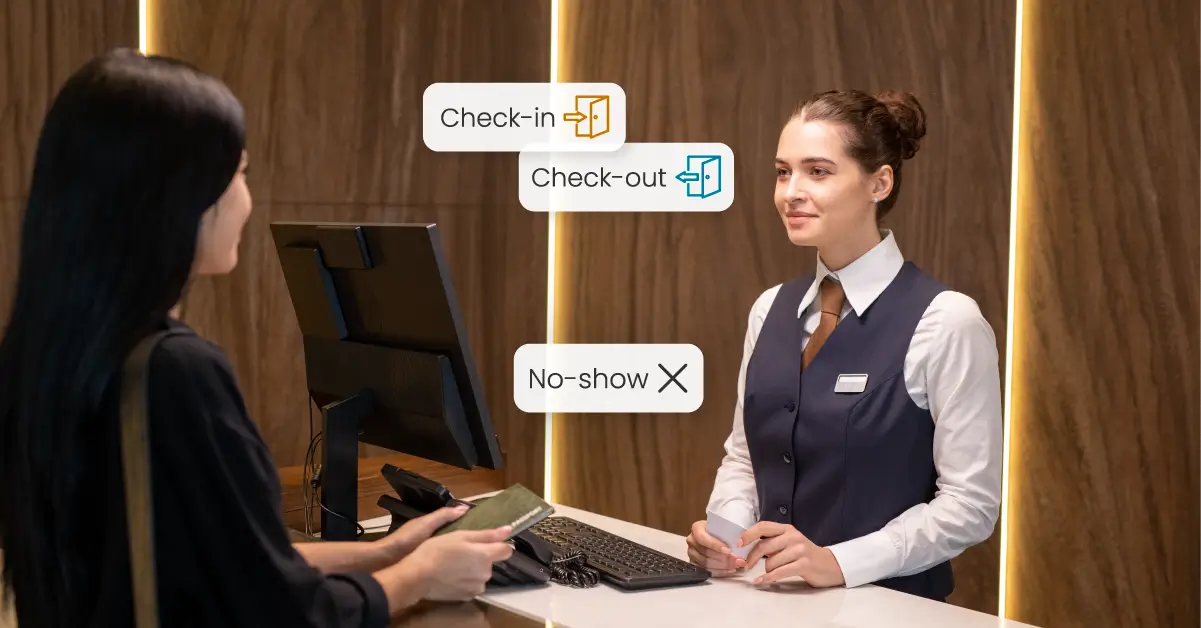
Upon entering the hotel lobby, your first point of contact will typically be the front desk. Approach the desk, present your identification and confirmation number, and be prepared to provide a credit card for incidentals. Even if your stay is prepaid, hotels often require a card on file to cover potential charges for minibar items, room service, or damages. This authorization is standard practice across most hospitality sectors, from a budget-friendly guesthouse to a luxurious Grand Palace Hotel. Take this opportunity to confirm your departure date and inquire about the breakfast schedule, Wi-Fi access, and any other immediate questions you might have regarding hotel services or facilities. If you have any last-minute special requests, such as an extra pillow or a specific floor preference, politely mention them. While not always guaranteed, a friendly request might be accommodated, especially if the hotel isn’t at full capacity. The front desk staff are your primary resource for information and assistance throughout your stay, so establishing a good rapport can be beneficial.
Understanding Your Room: Keys, Amenities, and Hotel Policies
Once the check-in formalities are complete, you’ll receive your room key – increasingly, this might be a key card, a digital key on your smartphone, or even a traditional metal key, depending on the accommodation type. Before heading to your room, clarify its location within the property, especially in large resorts or multi-building complexes. It’s also a good time to ask about any specific hotel policies that might affect your stay, such as quiet hours, visitor policies, or pet restrictions if you’re traveling with an animal. Upon entering your room, take a moment to confirm that it matches your booking and that all essential amenities are present and functional. Check the air conditioning, television, lights, and ensure the bathroom is fully stocked. If anything is amiss or not to your satisfaction, contact the front desk immediately. Addressing issues early ensures they can be resolved swiftly, allowing you to settle in comfortably and enjoy your accommodation without lingering concerns.
Enhancing Your Stay: Maximizing Your Hotel Experience After Check-In
Beyond the initial check-in, making the most of your hotel stay involves proactive engagement with the property’s offerings and understanding how to navigate common situations. A hotel isn’t just a place to sleep; it’s a hub of services designed to enrich your travel.
Leveraging Hotel Amenities and Services
Hotels, regardless of their star rating, typically offer a range of amenities and services designed to enhance guest comfort and convenience. Knowing what’s available and how to access it can significantly improve your experience. Common amenities include fitness centers, swimming pools, business centers, and concierge services. For example, a concierge at a Marriott Resorts property can provide invaluable local insights, book tours, or secure restaurant reservations in a bustling city like Paris. Many hotels also provide complimentary Wi-Fi, often with tiered access depending on your booking or loyalty status. Dining options, from casual cafes to fine-dining restaurants and room service, are another key amenity. Don’t hesitate to explore these options. Additionally, many hotels offer laundry services, dry cleaning, and even childcare, which can be particularly useful for longer stays or family trips. Understanding the hours of operation and any associated costs for these services upfront will prevent surprises and allow you to plan your itinerary effectively.
Addressing Common Issues and Seeking Assistance
Even in the best hotels, minor issues can sometimes arise. Knowing how to politely and effectively seek assistance is crucial. If you encounter a problem, such as a malfunctioning appliance, an issue with cleanliness, or excessive noise from a neighboring room, your first point of contact should always be the front desk. Clearly and calmly explain the situation. Most hotels, particularly reputable chains like Hilton Hotels, prioritize guest satisfaction and will endeavor to resolve issues promptly. For more significant concerns or if a front desk resolution isn’t satisfactory, ask to speak with a duty manager. Remember to document any significant issues, especially if they impact your stay considerably. While it’s important to advocate for yourself, maintaining a polite and respectful demeanor typically yields the best results. Good communication ensures that hotel staff can understand your needs and work towards a solution that makes your stay as comfortable as possible.
Embracing Digital Tools for a Modern Stay
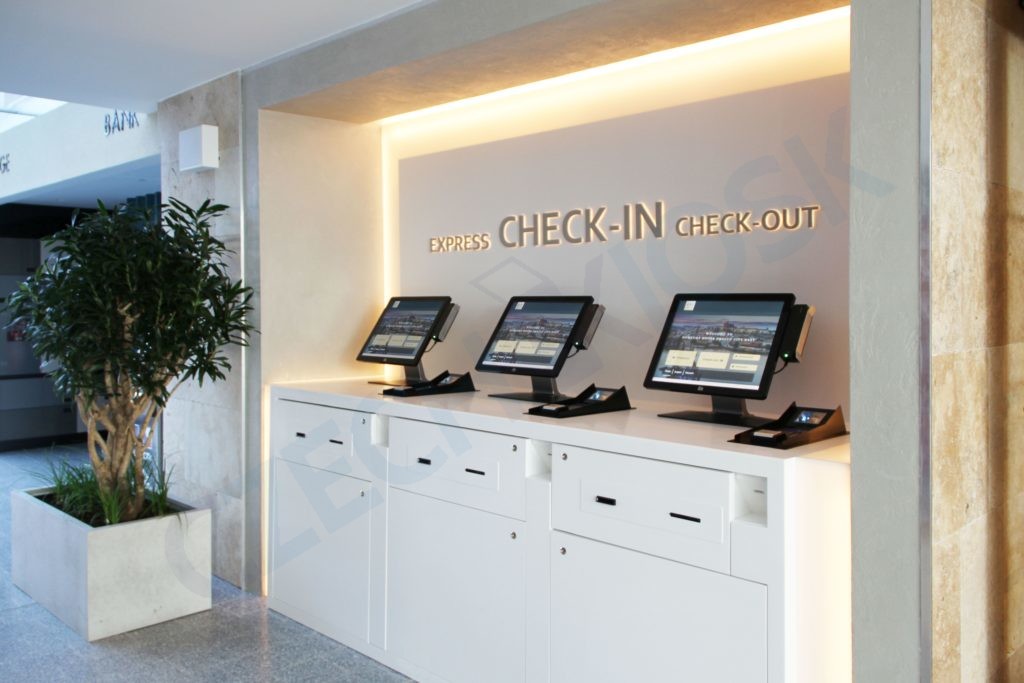
The digital transformation has significantly impacted the accommodation industry, offering guests unprecedented control and convenience. Many hotels now provide dedicated mobile apps that serve as a comprehensive digital concierge. These apps often allow you to do everything from checking in and out remotely to unlocking your room door with a mobile key. Beyond keyless entry, these platforms frequently enable guests to request amenities like extra towels, order room service, or communicate directly with hotel staff via chat, bypassing phone calls. Some apps even offer personalized recommendations for local attractions or dining based on your preferences. Exploring these digital tools upon arrival or even before your stay can unlock a smoother, more personalized experience. This is especially true in technologically advanced regions or with global brands like Luxury Suites International, where seamless digital integration is a hallmark of their service offering. Leveraging these innovations not only saves time but also provides a level of autonomy that enhances the overall guest journey.
The Graceful Exit: A Guide to Hotel Check-Out
Just as important as a smooth check-in is an efficient and hassle-free check-out. This final interaction leaves a lasting impression and ensures all financial and logistical aspects of your stay are properly concluded.
Preparing for Departure: The Pre-Check-Out Checklist
To ensure a seamless departure, begin your preparations well before the official check-out time. First, gather all your belongings. It’s easy to overlook items in drawers, closets, or under the bed, so a thorough check is advisable. Don’t forget chargers plugged into outlets, toiletries in the bathroom, or personal items left on nightstands. Next, if you’ve consumed anything from the minibar or used any paid services, such as laundry, make a note of them. While these charges will typically be added to your bill, having a personal record can help you cross-reference for accuracy. If you utilized any hotel amenities that require items to be returned, such as beach towels or rental equipment, ensure these are handled appropriately. Finally, pack your bags and consider bringing them to the front desk or a designated storage area if you plan to spend extra time in the city after checking out, freeing you from carrying luggage.
The Check-Out Process: Options and Efficiency
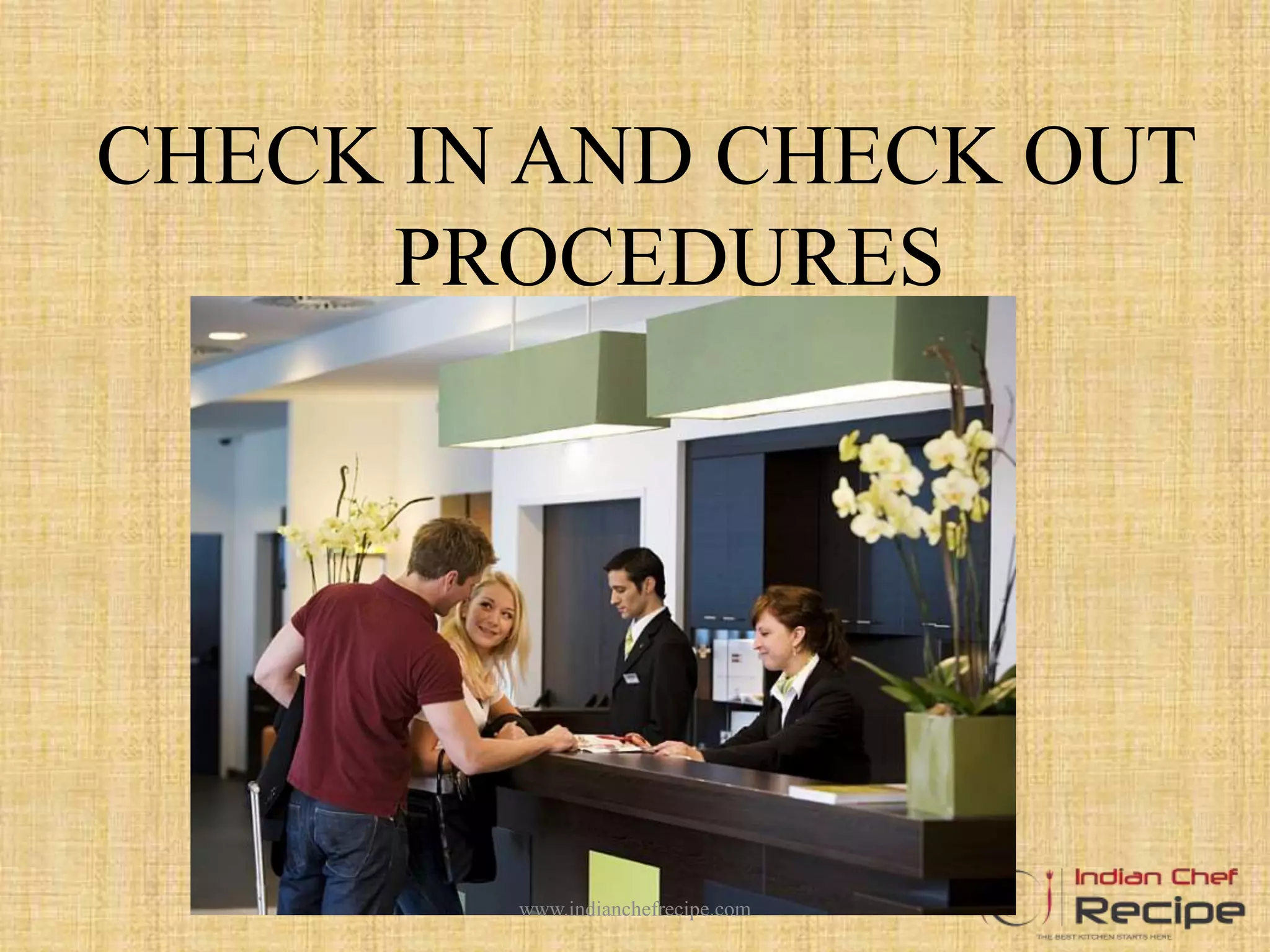
The check-out process itself has become increasingly flexible, with several options designed for guest convenience. The traditional method involves visiting the front desk. Here, you’ll confirm your departure, settle any outstanding balances (like minibar charges or room service), and return your room keys. Review your final bill carefully before payment, ensuring all charges are accurate and reflect only services you used. Don’t hesitate to politely question any unfamiliar charges. Many hotels now offer express check-out options, which can be particularly useful if you’re in a hurry. This might involve simply leaving your key card in the room and departing, with your final bill emailed to you, or using a designated express check-out box in the lobby. Additionally, many digital hotel apps allow for mobile check-out, where you can review your bill and confirm departure directly from your smartphone. Choose the method that best suits your schedule and comfort level.
Post-Departure Considerations: Feedback and Final Steps
After checking out, there are a few final considerations that can be beneficial. If you had a particularly good or bad experience, consider providing feedback. Many hotels will send a post-stay survey via email, which is an excellent opportunity to share your thoughts. Positive feedback can recognize hardworking staff, while constructive criticism can help the hotel improve its services for future guests. If you left something behind in your room, contact the hotel’s lost and found department as soon as possible. Provide a detailed description of the item and your room number. Most reputable hotels maintain a lost and found and will make efforts to return forgotten items. Finally, keep a copy of your final receipt for your records, especially if traveling for business or needing to track expenses. A smooth departure, characterized by efficiency and proper closure, ensures that your final impression of the accommodation is as pleasant as your initial check-in.
Special Considerations for Different Accommodation Types
While the core principles of check-in and check-out remain consistent, specific types of accommodations often have unique nuances that guests should be aware of. Understanding these can prevent surprises and tailor your expectations.
Resorts and All-Inclusive Properties
Resorts, especially large ones and all-inclusive properties found in destinations like the Caribbean, often have a more elaborate check-in and check-out process. Check-in might include a welcome drink, an orientation to the property’s expansive grounds, and detailed explanations of inclusive packages, dining reservations, and activity schedules. You might receive wristbands for all-inclusive access, which are essential for enjoying the included services. For check-out, expect a more thorough review of your bill, especially if you incurred charges for premium services, spa treatments, or excursions not covered by your package. Be prepared for a potentially longer wait at the front desk during peak times due to the higher volume of guests and the complexity of individual bills. Early check-out might also be less flexible, especially if the resort relies on comprehensive inventory checks before the next guest arrives.
Boutique Hotels and Guesthouses
Boutique hotels and guesthouses often offer a more personalized and intimate check-in and check-out experience. Instead of a large, bustling front desk, you might be greeted by the owner or a small team member in a more relaxed setting. Check-in can feel more like a personal welcome, often accompanied by local recommendations and a less formal process. Given their smaller scale, late check-ins might require prior arrangement and communication, as staff might not be available 24/7. Similarly, check-out might involve a direct interaction with the same person who checked you in, allowing for a more personal farewell. While the formalities are typically simpler, the emphasis is often on bespoke service and local charm. These establishments, often found in historic districts or unique neighborhoods, pride themselves on their individual character and the personal touch they offer, distinguishing them from larger, more standardized hotel chains.
Apartments and Extended-Stay Accommodations
Checking into and out of apartments or extended-stay accommodations, especially those managed through platforms like Airbnb or directly by property management companies, differs significantly from traditional hotels. Often, there isn’t a physical front desk. Check-in might involve self-check-in with a lockbox code, a smart lock, or meeting a host at a designated time. You’ll likely receive detailed instructions via email or a messaging app regarding key collection, Wi-Fi passwords, and property rules. For extended stays, you might also have specific instructions for utilities or waste disposal. Check-out typically involves tidying up, taking out the trash, and returning keys to a designated spot. Late check-out options might be more limited due to cleaning schedules. Always read the specific instructions provided by the host or management carefully, as each property can have unique requirements.
Troubleshooting Common Check-In/Check-Out Scenarios
Even with careful planning, unexpected situations can arise. Knowing how to handle common check-in and check-out challenges can save you stress and ensure a smoother trip.
Late Arrivals and Early Departures
Life happens, and sometimes travel plans necessitate a late arrival or an early departure. If you anticipate arriving much later than the standard check-in time, it’s imperative to notify the hotel in advance. This prevents your reservation from being marked as a no-show and potentially cancelled. Most hotels, particularly those with 24-hour front desks, can accommodate late arrivals as long as they are informed. For early departures, if you need to leave before the front desk opens or before automated systems are fully operational, inform the hotel a day in advance. They can often arrange for express check-out, a bill to be prepared the night before, or provide instructions for key drop-off. Some hotels may charge an early departure fee, especially if your booking was for a longer, discounted stay, so it’s always wise to clarify any potential costs.
Dealing with Unexpected Charges
One of the most common points of contention during check-out is unexpected charges. These can range from minibar items you didn’t consume to phantom phone calls or incorrect service fees. When reviewing your bill, scrutinize every line item. If you spot a charge you don’t recognize or believe is incorrect, calmly bring it to the attention of the front desk staff. Be prepared to explain why you dispute the charge. Most hotels are willing to investigate and remove erroneous charges. It’s helpful to keep your own record of any services you used or items you purchased, particularly from the minibar. If the dispute cannot be resolved at the front desk, ask to speak with a manager. Persistence, coupled with politeness and clear communication, is usually effective in resolving such discrepancies.
Group Bookings and Special Requests
Group bookings, whether for a family reunion, a business conference, or a destination wedding, often come with their own set of check-in and check-out complexities. Typically, a group organizer or a designated point person handles the master booking, but individual guests still need to process their personal check-in. Ensure you know if your room is part of a larger block and under what name the reservation was made. For check-out, clarify if your incidentals are separate or if everything is charged to a master bill. Special requests, ranging from accessible rooms to connecting doors or specific dietary needs for breakfast, should ideally be made at the time of booking and re-confirmed during pre-arrival communication or at check-in. While hotels strive to accommodate, especially in regions like European capitals, last-minute requests may be subject to availability. Clear and early communication is key to managing expectations and ensuring all guests in a group have a smooth experience.
LifeOutOfTheBox is a participant in the Amazon Services LLC Associates Program, an affiliate advertising program designed to provide a means for sites to earn advertising fees by advertising and linking to Amazon.com. Amazon, the Amazon logo, AmazonSupply, and the AmazonSupply logo are trademarks of Amazon.com, Inc. or its affiliates. As an Amazon Associate we earn affiliate commissions from qualifying purchases.