
Navigating the world of academic and journalistic writing often involves adhering to specific citation styles, each with its own set of rules and nuances. Among the most widely recognized and utilized is the Chicago Manual of Style. While its primary focus is on clear and consistent formatting for a wide range of written works, one of the foundational elements of mastering Chicago style is understanding how to properly cite sources. Books, being a cornerstone of research and information, are frequently cited. This guide will delve into the intricacies of citing a book in Chicago style, covering both the author-date and notes-bibliography systems, and providing practical examples to ensure your citations are accurate and authoritative, no matter what aspect of travel, hotels, or tourism you might be documenting.

The Chicago Manual of Style offers two distinct citation systems: the notes-bibliography system and the author-date system. Both are widely accepted, but their application often depends on the specific discipline or publication. Understanding the core components of each will empower you to choose the right system and implement it flawlessly. For those delving into historical research or extensive literary analysis, the notes-bibliography system is often preferred. For disciplines in the social sciences and sciences, the author-date system is more common. Regardless of your chosen path, accurate book citation is paramount for giving credit to original authors and allowing your readers to locate the sources you’ve consulted, enriching their understanding of topics ranging from the allure of Paris to the architectural marvels of the Colosseum.
Understanding the Chicago Manual of Style Citation Systems
Before we dive into the specifics of book citations, it’s essential to grasp the two primary systems Chicago offers. Each system has its own format for in-text citations and corresponding bibliographic entries. Choosing the right system is often dictated by the field of study or the requirements of your instructor or publisher. For instance, a travelogue detailing experiences in Kyoto might benefit from the descriptive nature of the notes-bibliography system, while a research paper on the economics of international tourism might lean towards the conciseness of the author-date system.
The Notes-Bibliography System
This system relies on numbered footnotes or endnotes to indicate sources. Each note corresponds to a number in the text, providing a citation for the specific passage. A comprehensive bibliography, listing all cited sources in alphabetical order, appears at the end of the work. This system is often favored in humanities disciplines like literature, history, and art history, where detailed source information and commentary might be necessary. When writing about historical accounts of famous landmarks or the cultural significance of a specific destination, the notes-bibliography system allows for rich contextualization.
In-Text Citations (Notes)
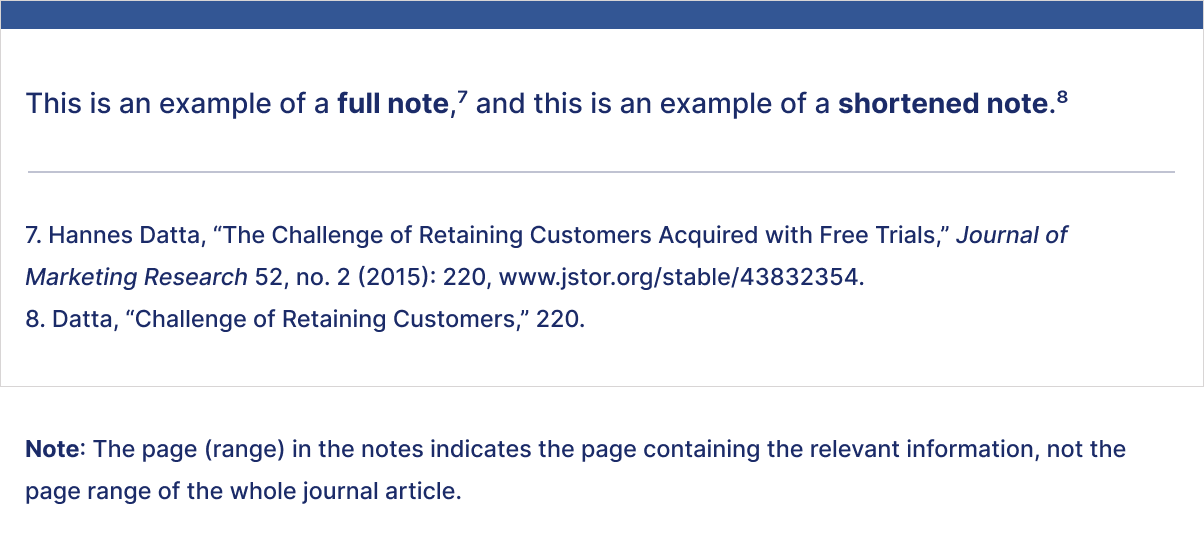
In the notes-bibliography system, when you refer to a source in your text, you insert a superscript number. This number corresponds to a footnote at the bottom of the page or an endnote at the end of the chapter or the entire work. The first time a source is cited, the note typically includes full bibliographic information. Subsequent citations for the same source are abbreviated.
Example of a First Note Citation for a Book:
¹ Michael Pollan, The Omnivore’s Dilemma: A Natural History of Four Meals (New York: Penguin Press, 2006), 99.
Example of a Subsequent Note Citation for the Same Book:
² Pollan, Omnivore’s Dilemma, 154.
Notice the use of italics for the book title and the inclusion of the author’s full name, title, publication city, publisher, year, and the specific page number. This level of detail is crucial for academic integrity.
Bibliography Entries
The bibliography provides a complete alphabetical list of all the sources you have cited in your work. The format for a book entry in the bibliography is similar to the first note, but with some key differences in punctuation and the order of elements.
Example of a Bibliography Entry for a Book:
Pollan, Michael. The Omnivore’s Dilemma: A Natural History of Four Meals. New York: Penguin Press, 2006.
Key distinctions to observe include:
- Author’s Name: In the bibliography, the author’s last name comes first, followed by a comma, and then their first name.
- Punctuation: Commas are used to separate elements in the bibliography entry, whereas periods are used in the notes.
- Page Numbers: Page numbers are not included in the bibliography entry unless you are citing a specific chapter or article within a larger work that has page ranges.
This system allows readers to easily find the full bibliographic details for any source they wish to explore further. Whether you are researching the best resorts in the Caribbean or understanding the historical context of a famous architectural wonder, thorough citation is key.
The Author-Date System
The author-date system, prevalent in the social sciences and natural sciences, uses brief in-text citations that include the author’s last name and the year of publication. These in-text citations correspond to a reference list at the end of the work, which provides full bibliographic details for each source. This system prioritizes conciseness in the main body of the text, allowing for a smoother reading experience for certain academic audiences. It’s particularly useful when discussing the lifestyle choices of travelers or the economic impact of tourism on various economies.
In-Text Citations (Author-Date)
In the author-date system, citations appear directly within the text, usually in parentheses, and include the author’s last name and the year of publication. If a specific page is being referenced, the page number is added after the year, separated by a comma.
Example of an In-Text Citation for a Book:
(Pollan 2006, 99)
When the author’s name is part of the sentence, only the year of publication needs to be in parentheses:
Pollan argues that our food choices have profound implications (2006, 99).
This direct integration of source information into the narrative makes it easy for readers to quickly identify the origin of the information without interrupting the flow of the text significantly. This is especially helpful when comparing different accommodation options or reviewing various travel guides.
Reference List Entries
The reference list at the end of the document provides complete bibliographic information for all sources cited in the text. The entries are listed alphabetically by the author’s last name. The format for a book entry in the reference list closely resembles the bibliography entry in the notes-bibliography system, with some minor variations.
Example of a Reference List Entry for a Book:
Pollan, Michael. 2006. The Omnivore’s Dilemma: A Natural History of Four Meals. New York: Penguin Press.
Key features of the author-date reference list entry include:
- Author’s Name: Last name followed by a comma, then the first name.
- Year of Publication: The year appears immediately after the author’s name, followed by a period.
- Title: The book title is italicized.
- Publication Information: The place of publication and the publisher are listed, separated by a colon.

The author-date system offers a streamlined approach to source citation, ensuring that readers can easily locate the full details of any source mentioned within your work, from a detailed guide to the best food in Italy to a critical analysis of luxury travel.
Citing Different Types of Books in Chicago Style
The core principles of Chicago style book citation apply to a wide range of book types, from standard trade books to edited collections and multivolume works. However, there are specific nuances to consider depending on the nature of the book you are citing. Mastering these variations ensures accuracy and completeness in your research, whether you’re documenting the history of a famous place or analyzing the cultural impact of a particular travel experience.
Books with Single or Multiple Authors
When citing a book with a single author, the process is straightforward, as demonstrated in the examples above. For books with two or three authors, all authors’ names are included in the citation. For books with four or more authors, only the first author’s name is listed, followed by “et al.” (which means “and others”).
Notes-Bibliography System:
-
Single Author:
¹ [Author’s Full Name], [Book Title] ([Publication City]: [Publisher], [Year]), [Page Number].- Bibliography Entry: [Author’s Last Name, First Name]. [Book Title]. [Publication City]: [Publisher], [Year].
-
Two or Three Authors:
¹ [First Author’s Full Name], [Second Author’s Full Name], and [Third Author’s Full Name], [Book Title] ([Publication City]: [Publisher], [Year]), [Page Number].- Bibliography Entry: [First Author’s Last Name, First Name], [Second Author’s First Name Last Name], and [Third Author’s First Name Last Name]. [Book Title]. [Publication City]: [Publisher], [Year].
-
Four or More Authors:
¹ [First Author’s Full Name] et al., [Book Title] ([Publication City]: [Publisher], [Year]), [Page Number].- Bibliography Entry: [First Author’s Last Name, First Name] et al. [Book Title]. [Publication City]: [Publisher], [Year].
Author-Date System:
-
Single Author:
- In-Text: ([Author Last Name] [Year], [Page Number])
- Reference List: [Author Last Name, First Name]. [Year]. [Book Title]. [Publication City]: [Publisher].
-
Two or Three Authors:
- In-Text: ([First Author Last Name], [Second Author Last Name], and [Third Author Last Name] [Year], [Page Number])
- Reference List: [First Author Last Name, First Name], [Second Author First Name Last Name], and [Third Author First Name Last Name]. [Year]. [Book Title]. [Publication City]: [Publisher].
-
Four or More Authors:
- In-Text: ([First Author Last Name] et al. [Year], [Page Number])
- Reference List: [First Author Last Name, First Name] et al. [Year]. [Book Title]. [Publication City]: [Publisher].
These rules ensure that even with multiple contributors, the citation remains clear and manageable, whether you are referencing a comprehensive guide to luxury travel or a scholarly work on the history of world attractions.
Edited Books and Books with Chapters by Different Authors
When citing an edited book or a specific chapter within an edited collection, the citation needs to acknowledge both the editor(s) and the chapter author. This is particularly relevant when you’re drawing information from diverse sources within a single volume, perhaps a collection of essays on various destinations or the local culture of different regions.
Notes-Bibliography System:
-
First Note:
¹ [Chapter Author’s Full Name], “[Chapter Title],” in [Book Title], ed. [Editor’s Full Name] ([Publication City]: [Publisher], [Year]), [Page Number]. -
Bibliography Entry:
[Chapter Author’s Last Name, First Name]. “[Chapter Title].” In [Book Title], edited by [Editor’s Full Name], [Page Range of Chapter]. [Publication City]: [Publisher], [Year].
Author-Date System:
-
In-Text Citation:
([Chapter Author Last Name] [Year], [Page Number]) -
Reference List Entry:
[Chapter Author Last Name, First Name]. [Year]. “[Chapter Title].” In [Book Title], edited by [Editor’s Full Name], [Page Range of Chapter]. [Publication City]: [Publisher].
It’s important to correctly identify whether you are citing the entire edited book or a specific chapter within it. If you are referencing the entire work without referring to a specific chapter, you would cite the editor as the author.
Multivolume Works and Series
Citing works that span multiple volumes or are part of a series requires additional information to pinpoint the exact source. This is common when researching extensive historical accounts or detailed encyclopedias on travel and tourism.
Notes-Bibliography System:
-
First Note:
¹ [Author’s Full Name], [Book Title], vol. [Volume Number] ([Publication City]: [Publisher], [Year]), [Page Number]. -
Bibliography Entry:
[Author’s Last Name, First Name]. [Book Title]. Vol. [Volume Number]. [Publication City]: [Publisher], [Year].
If the work is part of a series, you would also include the series title and number.
Author-Date System:
-
In-Text Citation:
([Author Last Name] [Year], [Page Number]) -
Reference List Entry:
[Author Last Name, First Name]. [Year]. [Book Title]. Vol. [Volume Number]. [Publication City]: [Publisher].
When citing a specific volume in the reference list, you can indicate the volume number before the publication information. For example:
Pollan, Michael. 2006. The Omnivore’s Dilemma: A Natural History of Four Meals. Vol. 1. New York: Penguin Press.
These detailed citation practices ensure that whether you are using a comprehensive travel guide for Europe or a specialized historical text on ancient civilizations, your readers can easily trace your sources, enhancing the credibility and depth of your work. The meticulous attention to detail in Chicago style allows for a robust and well-supported piece of writing, be it a detailed review of hotels or an in-depth exploration of a particular destination’s attractions.
Mastering Chicago style book citation is a fundamental skill for any writer. By understanding the nuances of both the notes-bibliography and author-date systems, and by practicing with different types of books, you can ensure your work is properly attributed and easily verifiable. This not only upholds academic integrity but also empowers your readers to delve deeper into the subjects that fascinate them, whether it’s the culinary delights of Asia, the architectural wonders of South America, or the unique experiences offered by a specific resort. Accurate citations are the bedrock of credible research and engaging storytelling in any field, including the vibrant world of travel and tourism.
LifeOutOfTheBox is a participant in the Amazon Services LLC Associates Program, an affiliate advertising program designed to provide a means for sites to earn advertising fees by advertising and linking to Amazon.com. Amazon, the Amazon logo, AmazonSupply, and the AmazonSupply logo are trademarks of Amazon.com, Inc. or its affiliates. As an Amazon Associate we earn affiliate commissions from qualifying purchases.