
The Chicago Manual of Style (CMOS) is renowned for its comprehensive approach to citation, offering guidance on a vast array of source types. While academic papers and published works are its most frequent subjects, understanding how to properly cite less conventional materials, such as handouts, is crucial for maintaining academic integrity and providing clear attribution. This guide delves into the specific methods for citing handouts within the Chicago style, ensuring your work is both accurate and compliant.
Understanding the Handout as a Source
A handout, in the context of academic citation, typically refers to a document distributed to students or attendees in a class, workshop, seminar, or conference. These can range from lecture notes and reading summaries to supplementary materials and assignment guidelines. The key characteristic is their distribution within a specific, often limited, context.

When is a Handout Citable?
A handout is considered a citable source when it contains original information, analysis, or data that you are referencing or building upon in your own work. This could include:
- Unique Interpretations: If the handout offers a particular perspective or interpretation of a topic not readily available elsewhere.
- Specific Data or Findings: If it presents research data, statistical information, or findings unique to the instructor or presenter.
- Detailed Instructions or Guidelines: For assignments or projects, where the handout’s specific instructions are being quoted or paraphrased.
- Supplementary Reading Material: If the handout includes excerpts from larger works or original essays designed to complement a course.
If a handout merely reiterates widely known information or is a direct copy from a readily available published source (like a textbook chapter already cited), it might not warrant a separate citation as a handout, though the original source should be credited.
The Chicago Manual of Style Approach
The Chicago Manual of Style encourages citing sources that provide unique value to your argument. For materials like handouts, which may not fit neatly into standard categories like books or journal articles, Chicago provides flexibility. The core principle remains: enable your reader to locate the source. Since handouts are often informal and may not have formal publication details, the citation needs to convey enough information for identification.
Citing Handouts in Chicago Style: Notes and Bibliography
Chicago style offers two primary citation systems: the Notes-Bibliography system and the Author-Date system. The Notes-Bibliography system is more common in the humanities.
Footnotes and Endnotes
In the Notes-Bibliography system, you will use footnotes (at the bottom of the page) or endnotes (at the end of the document) to cite your sources. The first time you cite a handout, you will provide a full note. Subsequent citations will use a shortened note format.
The First Note: Full Citation Details
When citing a handout for the first time, your note should include as much of the following information as is available and relevant:
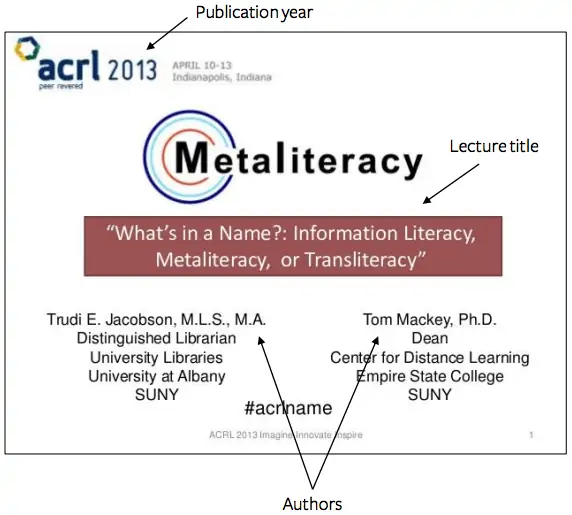
- Author(s): The name(s) of the person who created the handout. If it’s an institutional handout with no named author, you might use the name of the institution or department.
- Title of Handout: If the handout has a title, use it. Enclose titles of shorter works (like handouts or essays) in quotation marks. If there’s no title, briefly describe the handout’s content.
- Type of Document: Indicate that it is a handout, such as “handout,” “course packet,” or “lecture notes.”
- Course Name/Number (if applicable): The name or number of the course for which it was distributed.
- Instructor’s Name (if applicable): The name of the instructor who provided the handout.
- Institution: The name of the university, college, or organization.
- Date Distributed: The date the handout was given out or presented.
- Location (if applicable): If the handout was accessed online through a course management system (like Canvas or Blackboard), you might include this.
Example of a Full Note (Footnote/Endnote):
Let’s imagine you are citing a handout on literary theory from a college course.
¹ Jane Doe, “Introduction to Postmodernism,” handout for English 301: Contemporary Literature, Professor John Smith, University of Chicago, Fall 2023.
If the handout has no specific title, you might describe it:
¹ John Doe, Lecture notes on the causes of the American Civil War, History 101, Professor Alice Johnson, State University, September 15, 2023.
If the handout was accessed online:
² Mark Lee, “Key Concepts in Urban Planning,” course handout for Urban Studies 450, Professor Emily Davis, Metropolitan College, accessed October 20, 2023, Blackboard.
Subsequent Notes: Shortened Format
After the first full note, subsequent references to the same handout can be shortened. This typically includes the author’s last name and a shortened version of the title, followed by the page number if applicable.
Example of a Shortened Note:
³ Doe, “Introduction to Postmodernism,” 3.

If the handout has no title, you might use the description:
³ Doe, Lecture notes on the Civil War.
The Bibliography Entry
In the Notes-Bibliography system, the bibliography is an alphabetical list of all sources cited in your paper. The entry for a handout should mirror the information in the first note but follow bibliography formatting. The main differences are:
- Author’s Last Name First: The author’s last name comes first, followed by their first name.
- No Commas for Course Details: Information like the course name, instructor, and institution is generally presented without the serial commas used in notes.
- End Punctuation: Entries end with a period.
Example of a Bibliography Entry:
Doe, Jane. “Introduction to Postmodernism.” Handout for English 301: Contemporary Literature. Professor John Smith, University of Chicago, Fall 2023.
If accessed online:
Lee, Mark. “Key Concepts in Urban Planning.” Course handout for Urban Studies 450. Professor Emily Davis, Metropolitan College. Accessed October 20, 2023. Blackboard.
Important Considerations for Bibliography:
- No Page Numbers: Unlike the note, the bibliography entry typically does not include page numbers unless the handout itself is paginated and you are referring to specific pages within the entire document.
- Clarity is Key: If an element like the instructor’s name or institution isn’t essential for identifying the handout within its context, you might omit it, but it’s generally better to include more information than too little.
Citing Handouts in Chicago Style: Author-Date
While less common in fields that favor the Notes-Bibliography system, the Author-Date system is prevalent in the social sciences and natural sciences.
In-Text Citations
In the Author-Date system, you provide a brief parenthetical citation within the text itself, usually consisting of the author’s last name, the year of publication (or distribution, in this case), and the page number if applicable.
Example of an In-Text Citation:
(Doe 2023, 3)
or, if no specific year is available, you might use a more general date if known, or omit the year and rely on the reference list. However, for handouts, a date of distribution is almost always available.
The Reference List
The reference list, at the end of your paper, provides full details for all sources cited in the text.
Example of a Reference List Entry:
Doe, Jane. 2023. “Introduction to Postmodernism.” Handout for English 301: Contemporary Literature. Professor John Smith, University of Chicago, Fall 2023.
If accessed online:
Lee, Mark. 2023. “Key Concepts in Urban Planning.” Course handout for Urban Studies 450. Professor Emily Davis, Metropolitan College. Accessed October 20, 2023. Blackboard.
Key Differences in Author-Date:
- Year is Prominent: The year of distribution is a crucial element.
- Alphabetical Order: The reference list is arranged alphabetically by author’s last name.
- Format: Generally, the year follows the author’s name, and the rest of the information is presented similarly to the bibliography in the Notes-Bibliography system.
Practical Tips for Citing Handouts
- When in Doubt, Provide More Detail: It is always better to provide too much information than too little. If you are unsure about whether to include a specific piece of information (like the instructor’s name), include it. The goal is for your reader to be able to identify the source definitively.
- Consistency is Crucial: Whichever system you use (Notes-Bibliography or Author-Date), be consistent with your formatting throughout the entire paper.
- Check Course Guidelines: Some instructors may have specific requirements for citing course materials, including handouts. Always check your syllabus or ask your instructor if you are unsure.
- Digital vs. Physical: The method of accessing the handout (e.g., a physical copy handed out in class versus a PDF downloaded from a course website) might influence how you describe its location or access. If accessed online, mention the platform and date of access.
- What if No Author is Listed? If a handout has no clearly designated author, you can attribute it to the organization, department, or instructor responsible for it. For example, if it’s a departmental policy handout, use the department name as the author.
- If it’s a Lecture: If the handout is directly tied to a specific lecture and you are citing the lecture content itself (not just the handout), you might need to cite the lecture. However, if you are referencing the material distributed in the handout, cite the handout.
By adhering to these guidelines, you can effectively and accurately cite handouts in your academic work, upholding the standards of scholarly communication as promoted by the Chicago Manual of Style. Proper citation not only avoids plagiarism but also enhances the credibility and transparency of your research, allowing your readers to explore the resources that informed your insights.
LifeOutOfTheBox is a participant in the Amazon Services LLC Associates Program, an affiliate advertising program designed to provide a means for sites to earn advertising fees by advertising and linking to Amazon.com. Amazon, the Amazon logo, AmazonSupply, and the AmazonSupply logo are trademarks of Amazon.com, Inc. or its affiliates. As an Amazon Associate we earn affiliate commissions from qualifying purchases.