
In the vibrant world of travel, where every journey tells a story and every destination offers a treasure trove of information, the ability to accurately source and credit your findings is paramount. Whether you’re a seasoned travel blogger documenting a trek through the Rocky Mountains, a hospitality professional analyzing hotel trends in Dubai, or simply a passionate explorer sharing insights about the Louvre Museum in Paris, maintaining academic rigor and ethical standards through proper citation is crucial. Chicago style, with its versatile Notes-Bibliography and Author-Date systems, provides a comprehensive framework for achieving just that. For those crafting narratives, guides, and reviews related to travel, hotels, tourism, accommodation, landmarks, and lifestyle, understanding Chicago style isn’t just a requirement; it’s a tool for enhancing credibility, demonstrating thorough research, and empowering your readers to explore the origins of your information.
When diving into the vast ocean of online resources—from official tourism board sites offering historical facts about the Acropolis in Athens to user-generated content on review platforms for a stay at the Bellagio Hotel in Las Vegas—knowing how to properly cite a website in Chicago style ensures that your audience can verify your claims and delve deeper into topics that pique their interest. This guide will walk you through the nuances of Chicago style citation for online sources, specifically tailored to the context of travel writing, ensuring your content is not only engaging but also impeccably referenced.
Understanding the Basics of Chicago Style Citation for Online Sources
Chicago style offers two primary documentation systems: Notes-Bibliography and Author-Date. For most travel narratives, destination guides, and historical accounts often found on travel and lifestyle websites, the Notes-Bibliography system is generally preferred. This system uses footnotes or endnotes for in-text citations and a comprehensive bibliography at the end of the work. The Author-Date system, more common in the natural and social sciences, uses parenthetical citations in the text and a reference list. For the purposes of travel writing, which often involves rich descriptive narratives and detailed historical context, Notes-Bibliography offers a more unobtrusive way to weave citations into your story without interrupting the flow.
Notes-Bibliography: The Preferred System for Travel Narratives
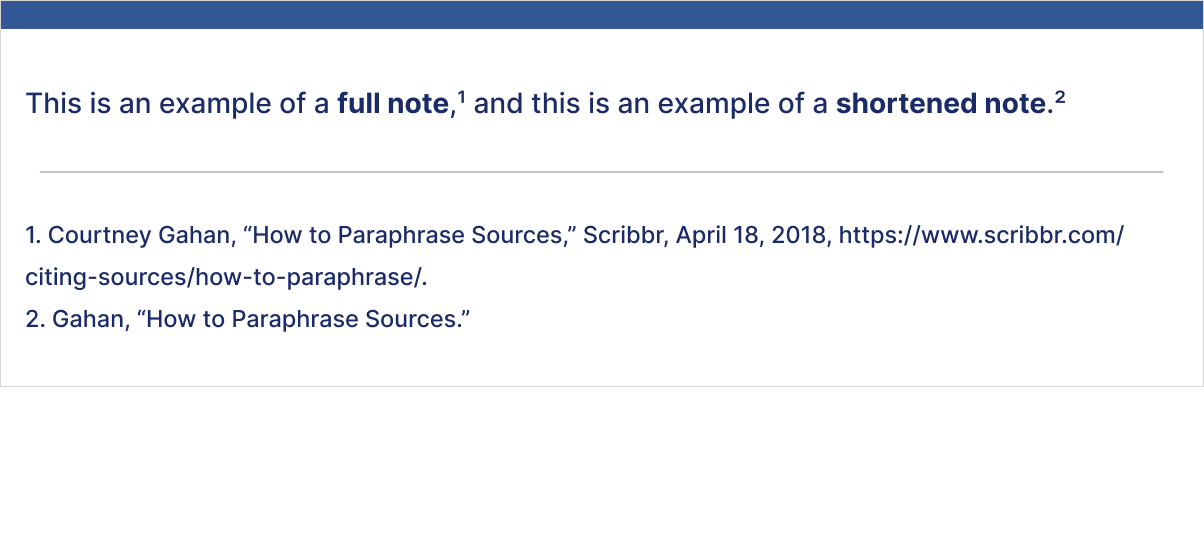
In the Notes-Bibliography system, specific pieces of information or direct quotes are referenced with a numbered footnote or endnote. This note provides the full citation details the first time a source is mentioned, and a shortened version for subsequent references. All sources cited in the notes are then listed alphabetically in a bibliography at the end of the article. This dual approach allows for precise referencing within the text while also providing a complete list of all consulted materials for further reading. Imagine you’re writing about the architectural marvels of the Sagrada Familia in Barcelona; a footnote allows you to credit the official church website or a historical architecture blog without breaking the narrative with a parenthetical citation.
Key Elements for Citing Websites
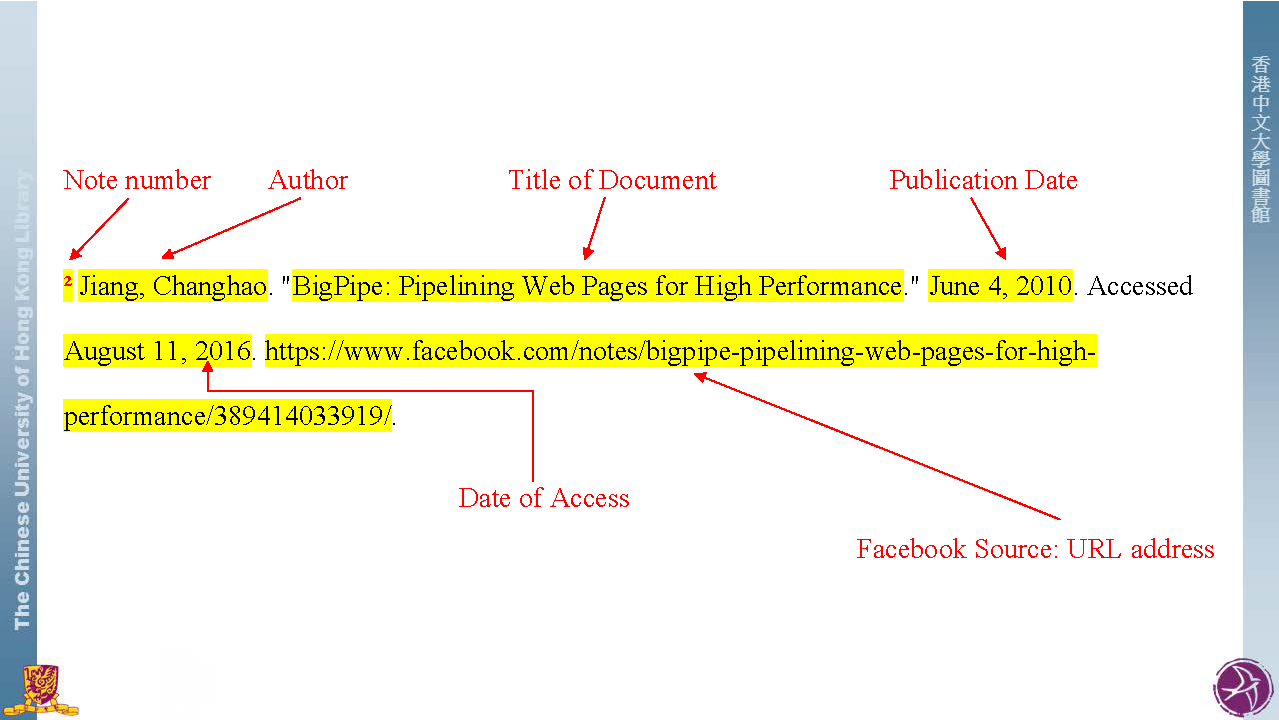
When citing a website in Chicago style, whether in a note or a bibliography entry, several key pieces of information are essential to ensure your reader can locate the original source. Not all websites will have every element, and Chicago style provides guidelines for how to handle missing information gracefully. The core components typically include:
- Author/Editor: If an individual or organization is clearly credited as the author of the specific webpage, include it. For many travel blogs or company websites like Marriott International, the author might be a staff writer or the organization itself. If no author is listed, start with the title of the page.
- Title of Page/Article: This is the specific title of the content you are referencing (e.g., “The Best Beaches in Maui” or “History of the Eiffel Tower”).
- Title of Website/Publication: This refers to the overarching website or publication where the content is found (e.g., “Lonely Planet,” “National Geographic Traveler,” or “lifeoutofthebox.com”).
- Date of Publication/Last Revision: If available, include the date the content was published or last updated. This is crucial for travel information, as details about attractions, hotel amenities, or local events can change rapidly.
- Access Date: Because online content can be dynamic, it’s often recommended to include the date you accessed the information, especially if no publication date is provided or if the content is likely to change.
- URL: The direct link to the webpage. This is perhaps the most critical element for online sources, allowing immediate access to the original content.
Understanding these elements is the foundation for crafting accurate and useful citations, especially when discussing everything from booking trends on Booking.com to hidden gems discovered on TripAdvisor.
Crafting Your Citations: Step-by-Step Guide for Travel Writers
Applying Chicago style to your travel content involves careful attention to detail in both your in-text notes and your final bibliography. The format changes slightly depending on where the citation appears and whether it’s the first time you’re referencing a particular source.
Footnotes/Endnotes for In-Text References
Footnotes (at the bottom of the page) or endnotes (at the end of the document) are how you cite specific pieces of information within your article. A small, superscript number is placed at the end of the sentence or clause containing the information you’re citing, corresponding to a numbered note.
First Reference Format (Detailed):
The first time you cite a source, provide full details.
- Format:
Author First Name Last Name, “Title of Page,” Title of Website, Publication Date (if available), accessed Access Date, URL. - Example (Official Tourism Site):
Imagine you’re writing about the best hiking trails in Canada and found information on a national parks website.- Parks Canada, “Plan Your Visit to Banff National Park,” Parks Canada, September 10, 2023, accessed October 26, 2023, https://lifeoutofthebox.com/banff-national-park-plan-your-visit.
- Example (Travel Blog Post):
You might reference a detailed guide on budget travel to Vietnam from a popular blog.- Nomadic Matt, “How to Travel Southeast Asia on a Budget,” Nomadic Matt, July 15, 2023, accessed October 26, 2023, https://lifeoutofthebox.com/how-to-travel-southeast-asia-on-a-budget.
- Example (Hotel Review Site):
Perhaps you’re quoting a specific feature of a luxury stay at the Waldorf Astoria Maldives Ithaafushi.- Sarah Jenkins, “Exceptional Overwater Villas,” review of Waldorf Astoria Maldives Ithaafushi, TripAdvisor, August 20, 2023, accessed October 26, 2023, https://lifeoutofthebox.com/waldorf-astoria-maldives-ithaafushi-review.
Subsequent Reference Format (Shortened):
After the first full citation, subsequent notes for the same source can be shortened, typically using only the author’s last name (or a shortened title if no author) and a brief page title.
- Format:
Author Last Name, “Shortened Title of Page.” - Example:
- Parks Canada, “Plan Your Visit.”
- Nomadic Matt, “Southeast Asia on a Budget.”
- Jenkins, “Overwater Villas.”
This streamlined approach keeps your narrative fluid while still directing readers to the original detailed citation in your footnotes or bibliography.

Bibliography Entries for Comprehensive Listing
The bibliography provides an alphabetical list of all sources cited in your notes, formatted slightly differently than the notes themselves. This list offers a complete record for readers wishing to explore your research further.
Full Bibliography Entry Format for Websites:
- Format:
Author Last Name, First Name. “Title of Page.” Title of Website. Publication Date (if available). Accessed Access Date. URL. - Example (Official Tourism Site):
Parks Canada. “Plan Your Visit to Banff National Park.” Parks Canada. September 10, 2023. Accessed October 26, 2023. https://lifeoutofthebox.com/banff-national-park-plan-your-visit. - Example (Travel Blog Post):
Nomadic Matt. “How to Travel Southeast Asia on a Budget.” Nomadic Matt. July 15, 2023. Accessed October 26, 2023. https://lifeoutofthebox.com/how-to-travel-southeast-asia-on-a-budget. - Example (Hotel Review Site – note the difference for a specific review):
Jenkins, Sarah. “Exceptional Overwater Villas.” Review of Waldorf Astoria Maldives Ithaafushi. TripAdvisor. August 20, 2023. Accessed October 26, 2023. https://lifeoutofthebox.com/waldorf-astoria-maldives-ithaafushi-review. - Example (General Website with no specific article title, e.g., a hotel chain’s homepage):
The Ritz-Carlton. Accessed October 26, 2023. https://lifeoutofthebox.com/the-ritz-carlton.
(In this case, if you’re citing general information from a homepage without a specific authored article, you might start with the website name itself.)
Handling Missing Information:
If key information like the author or publication date is missing, Chicago style offers flexibility:
- No Author: Begin the citation with the title of the webpage.
- No Date: Use “n.d.” (no date) in place of the publication date. Including an access date becomes even more important here.
For instance, if you’re citing historical information about Chichen Itza found on a university’s archaeology department website that lacks a specific author or publication date, your note might look like:
- “The Wonders of Chichen Itza,” University of Pennsylvania Museum, n.d., accessed October 26, 2023, https://lifeoutofthebox.com/chichen-itza-wonders.
Specific Scenarios in Travel Writing
The diverse nature of online travel content presents unique citation challenges. From dynamic maps to user-generated reviews, knowing how to appropriately cite these varied sources will strengthen your work.
Citing Online Maps and Image Galleries
Online maps are invaluable for travel guides, providing context for directions to the Grand Canyon or showing the layout of Millennium Park in Chicago. Image galleries, similarly, offer visual inspiration for destinations like Kyoto or the Pyramids of Giza in Egypt.
- Format (Map):
Map Provider, “[Title of Map/Specific View],” Scale (if indicated), Title of Website, accessed Access Date, URL. - Example:
- Google Maps, “Directions from [The Plaza Hotel to Central Park],” Google Maps, accessed October 26, 2023, https://lifeoutofthebox.com/the-plaza-hotel-to-central-park-directions.
- Format (Image Gallery/Photo Essay):
Author/Creator, “[Title of Gallery/Image],” Title of Website, Publication Date (if available), accessed Access Date, URL. - Example:
- National Geographic, “Photo Essay: Life on the Ganges River,” National Geographic, June 1, 2023, accessed October 26, 2023, https://lifeoutofthebox.com/ganges-river-photo-essay.
Referencing Online Reviews and Testimonials
Travelers often rely on the experiences of others when planning trips or booking accommodations. Citing reviews from platforms like Expedia or Booking.com can add a layer of authenticity and social proof to your articles about hotels or excursions.
- Format (Individual Review):
Reviewer First Name Last Name, “[Review Title or first few words of review],” review of [Hotel Name/Attraction Name], Review Website, Publication Date, accessed Access Date, URL. - Example:
- John D., “Fantastic Stay, Highly Recommend the Fairmont Royal York,” review of Fairmont Royal York, Hotels.com, September 28, 2023, accessed October 26, 2023, https://lifeoutofthebox.com/fairmont-royal-york-review.
(Note: For anonymous or username-only reviews, use the username if available, otherwise just use the website name in the author position, or focus on citing the aggregate data if that’s what you’re referencing.)
- John D., “Fantastic Stay, Highly Recommend the Fairmont Royal York,” review of Fairmont Royal York, Hotels.com, September 28, 2023, accessed October 26, 2023, https://lifeoutofthebox.com/fairmont-royal-york-review.
Government and Tourism Board Websites
These are often primary sources for official information on visa requirements, safety advisories, national park regulations (like those for Grand Teton National Park), historical details about landmarks like the Great Wall of China, or cultural insights into cities like Mexico City.
- Format:
Government Agency/Tourism Board, “Title of Page,” Title of Website, Publication Date (if available), accessed Access Date, URL. - Example:
- Visit Florida, “Top 10 Beaches in Florida,” Visit Florida, n.d., accessed October 26, 2023, https://lifeoutofthebox.com/top-10-beaches-florida.
- Example (Historical Information):
- British Museum, “The Rosetta Stone,” British Museum, accessed October 26, 2023, https://lifeoutofthebox.com/rosetta-stone.
By diligently applying these citation rules, you not only elevate the authority of your travel articles but also provide a valuable service to your readers. Proper citation guides them to the original source, fostering an environment of trust and thoroughness, which is essential for any reputable content platform focused on enriching travel experiences. Whether you’re recounting a trip to London, exploring the history of Angkor Wat, or recommending accommodation options in Sydney, ethical and accurate citation practices are the cornerstone of impactful storytelling.
In conclusion, mastering how to cite a website in Chicago style is an invaluable skill for anyone creating content in the travel, hospitality, and lifestyle sectors. It reinforces the authenticity of your narratives, validates your research, and ultimately serves your audience by offering pathways to further exploration. As you share stories from Rio de Janeiro to Tokyo, from the Schönbrunn Palace in Vienna to the Space Needle in Seattle, remember that every piece of information you present can be strengthened by a clear, consistent, and correct citation. Embrace Chicago style as your guide to maintaining integrity and excellence in all your travel writing endeavors.
LifeOutOfTheBox is a participant in the Amazon Services LLC Associates Program, an affiliate advertising program designed to provide a means for sites to earn advertising fees by advertising and linking to Amazon.com. Amazon, the Amazon logo, AmazonSupply, and the AmazonSupply logo are trademarks of Amazon.com, Inc. or its affiliates. As an Amazon Associate we earn affiliate commissions from qualifying purchases.