
In an increasingly interconnected world, where information is readily available at our fingertips, the discerning individual—whether a seasoned traveler, an aspiring digital nomad, or a passionate content creator—understands the paramount importance of credibility. For those embracing a lifestyle rich in exploration and knowledge sharing, mastering the art of proper citation is not merely an academic exercise; it’s a cornerstone of integrity and authority. The Chicago Manual of Style, widely respected for its comprehensive guidelines, offers a robust framework for acknowledging sources, particularly websites, which are ubiquitous in our daily lives. Understanding how to cite websites Chicago style ensures that your travel narratives, destination guides, or cultural insights are not only engaging but also rigorously credible.
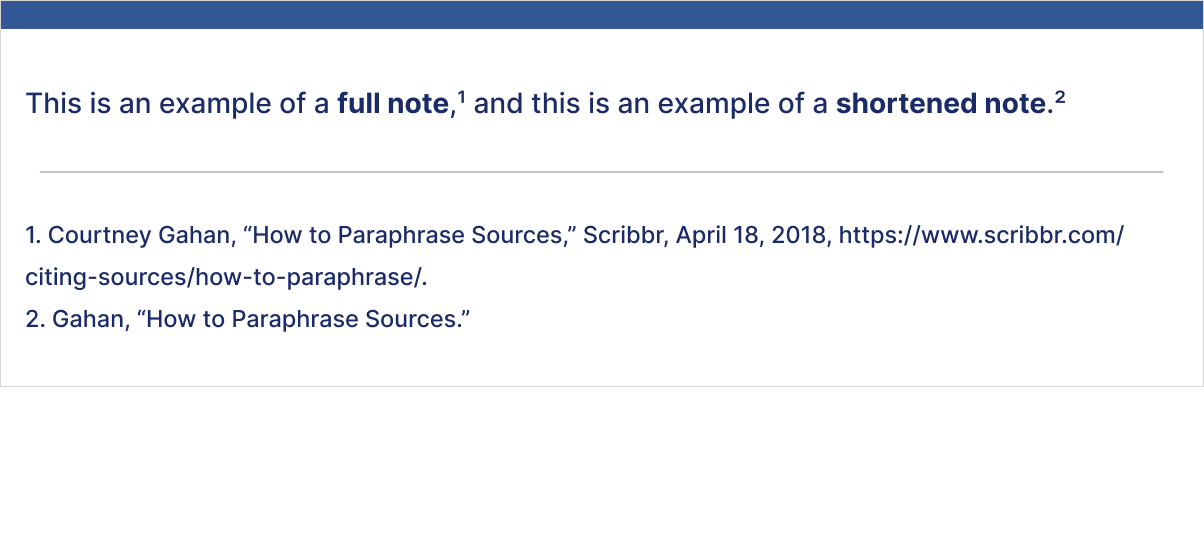
The Imperative of Credibility in the Modern Lifestyle
The digital age has blurred the lines between casual observation and authoritative reporting. For anyone whose lifestyle involves sharing experiences, insights, or advice—from detailing a solo journey through Southeast Asia to reviewing boutique hotels in Kyoto—the responsibility to present accurate and attributable information is non-negotiable. Travel blogs, online journals, and digital guides are rich repositories of information, but their value is intrinsically linked to their trustworthiness. Proper citation is the invisible backbone that supports this trust, allowing readers to verify information, explore original sources, and appreciate the intellectual contributions of others. It’s a testament to ethical communication, vital for anyone building a reputation in the vast online landscape.
Why Citation Matters for Travelers and Creators
For individuals chronicling their adventures or crafting guides for fellow explorers, the temptation to repurpose information without proper attribution can be high. However, neglecting citation undermines your authority and can lead to accusations of plagiarism, damaging your personal brand or publication. Imagine sharing historical facts about the Roman Colosseum or ecological data on the Galapagos Islands without acknowledging where that information originated. Your audience, keen on planning their own trips to these iconic locations, relies on the accuracy and verifiability of your content. By meticulously citing your sources, you not only avoid ethical pitfalls but also elevate your content, presenting yourself as a meticulous researcher and a credible voice in the travel community. This dedication to integrity becomes a hallmark of your lifestyle, distinguishing your work in a crowded digital space.
Navigating Chicago Style: Core Principles for Websites
The Chicago Manual of Style offers two primary systems for citation: the Notes-Bibliography system and the Author-Date system. While both serve the purpose of attribution, their application differs. For most non-scholarly publications, particularly those in the humanities and often found in travel and lifestyle writing, the Notes-Bibliography system is more common. However, it’s crucial to understand both to apply the correct style based on the specific context of your writing.
Notes-Bibliography System Explained
The Notes-Bibliography (NB) system uses footnotes or endnotes in your text, coupled with a comprehensive bibliography at the end of your work. This system is particularly effective for articles rich in narrative or extensive analysis, common in detailed travelogues or cultural deep-dives.
Footnote/Endnote Format:
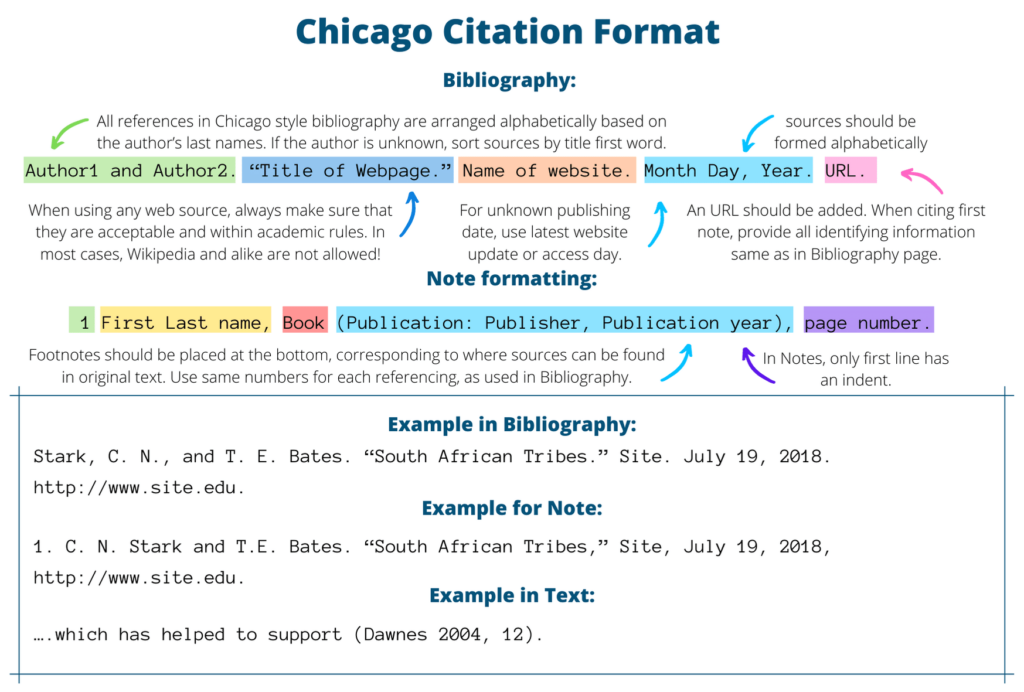
- Author’s First Name Last Name, “Title of Web Page,” Website Name, Last Modified Month Day, Year (if available), URL.
Example Footnote:
- Jane Doe, “Exploring the Hidden Gems of Lisbon,” Wanderlust Chronicles, July 15, 2023, https://www.wanderlustchronicles.com/lisbon-hidden-gems.
Bibliography Entry Format:
Author’s Last Name, First Name. “Title of Web Page.” Website Name. Last Modified Month Day, Year (if available). URL.
Example Bibliography Entry:
Doe, Jane. “Exploring the Hidden Gems of Lisbon.” Wanderlust Chronicles. July 15, 2023. https://www.wanderlustchronicles.com/lisbon-hidden-gems.
Key elements to include for a website citation are the author (if identifiable), the title of the specific page, the name of the overall website, the date of publication or last modification, and the URL. If no author is listed, begin the citation with the title of the web page. If no publication date is available, include an access date, though this is generally less preferred by Chicago unless the content is highly volatile.
Author-Date System Explained
The Author-Date (AD) system, more common in the sciences and social sciences, uses parenthetical citations within the text, along with a reference list. This system is characterized by its conciseness, making it suitable for reports or analytical pieces where direct textual flow is prioritized.
Parenthetical Citation Format:
(Author Last Name Year)
Example Parenthetical Citation:
(Doe 2023)
Reference List Entry Format:
Author’s Last Name, First Name. Year. “Title of Web Page.” Website Name. Last Modified Month Day, Year (if available). URL.
Example Reference List Entry:
Doe, Jane. 2023. “Exploring the Hidden Gems of Lisbon.” Wanderlust Chronicles. July 15. https://www.wanderlustchronicles.com/lisbon-hidden-gems.
While the AD system is less frequently encountered in typical travel and lifestyle blogging, it’s essential to be aware of its structure, especially if you are contributing to more research-intensive projects or collaborating with academics whose work might fall under this domain. The choice between NB and AD often depends on the specific publisher’s requirements or the academic discipline. For a consistent and professional lifestyle, adopting one system and applying it uniformly across your relevant content is advisable.
Crafting Your Citations: Practical Examples
Applying Chicago style to diverse online sources requires attention to detail. Here are practical examples demonstrating how to cite various types of websites relevant to travel and lifestyle content creators using the Notes-Bibliography system, which is most common for this genre.

Citing a Travel Blog Post
Travel blogs are a rich source of firsthand experiences and niche advice. When referencing a post from a blog, ensure you capture the specific author and the title of the individual post.
Example Scenario: You’re writing about eco-tourism in Costa Rica and want to cite a blog post describing sustainable lodging.
Footnote:
- Mark Johnson, “Sustainable Stays in Monteverde: My Eco-Lodge Experience,” Green Journeys Blog, April 22, 2024, https://www.greenjourneys.com/sustainable-monteverde-lodge.
Bibliography:
Johnson, Mark. “Sustainable Stays in Monteverde: My Eco-Lodge Experience.” Green Journeys Blog. April 22, 2024. https://www.greenjourneys.com/sustainable-monteverde-lodge.
Referencing a Tourism Board Website
Official tourism websites provide valuable, often government-backed, information on destinations, events, and local regulations. These sites are essential for factual accuracy.
Example Scenario: You’re drafting a guide for visiting Paris and need to cite the official tourism board for information on local attractions.
Footnote:
- Paris Convention and Visitors Bureau, “Explore the Eiffel Tower,” ParisJeTaime, accessed May 10, 2024, https://www.parisjetaime.com/eng/article/the-eiffel-tower.
Bibliography:
Paris Convention and Visitors Bureau. “Explore the Eiffel Tower.” ParisJeTaime. Accessed May 10, 2024. https://www.parisjetaime.com/eng/article/the-eiffel-tower.
(Note: When an organization is the author, list it as such. If no specific publication date is provided, an access date is acceptable.)
Including Online News Articles on Destinations
Online news outlets frequently cover travel trends, new destinations, or specific events impacting tourism, such as the opening of the Grand Hyatt Hotel in Dubai.
Example Scenario: You’re writing about the resurgence of travel to Japan post-pandemic and want to cite an article from a major news website.
Footnote:
- Sarah Chen, “Tourist Boom: Japan’s Reopening Sparks Unprecedented Visitor Numbers,” Global Travel News, February 18, 2024, https://www.globaltravelnews.com/japan-tourism-boom.
Bibliography:
Chen, Sarah. “Tourist Boom: Japan’s Reopening Sparks Unprecedented Visitor Numbers.” Global Travel News. February 18, 2024. https://www.globaltravelnews.com/japan-tourism-boom.
These examples illustrate the flexibility of Chicago style while maintaining its core principles of clarity and comprehensive attribution. By consistently applying these formats, you empower your readers with the ability to delve deeper into your research, fostering a more informed and engaged community.
Tools and Best Practices for Seamless Citation
Integrating proper citation into your content creation workflow doesn’t have to be a daunting task. While the manual application of Chicago style requires precision, several tools and best practices can streamline the process, allowing you to focus more on your explorations and less on formatting minutiae. For those whose lifestyle involves frequent content production—from detailed travel guides about New Zealand to culinary explorations in Bangkok—efficiency is key.
Leveraging Online Citation Generators (with Caution)
Numerous online citation generators can automate the creation of Chicago style citations for websites. Tools like Zotero, Mendeley, or even free online generators can convert basic source information (URL, author, title) into correctly formatted notes and bibliography entries. These can be incredibly time-saving, especially when dealing with a large volume of sources.
However, a word of caution is paramount: always double-check the output. Automated tools, while sophisticated, are not infallible. They may occasionally misinterpret website structures, omit crucial information, or apply an outdated version of the style guide. Treat these generators as aids, not as definitive solutions. A quick manual review against the official Chicago Manual of Style guidelines (or a reliable summary) will ensure accuracy and maintain your reputation for meticulousness. Relying solely on a generator without verification can inadvertently lead to errors, undermining the very credibility you aim to build.
Maintaining a Research Log
One of the most effective best practices for any content creator is to maintain a comprehensive research log. As you gather information for your travel articles, destination reviews of places like Boracay, or historical insights into Machu Picchu, meticulously record the details of each source immediately. This includes the author, title of the page, website name, publication or last modified date, and the full URL.
A simple spreadsheet or a dedicated note-taking app can serve this purpose. By logging source information as you find it, you prevent the frustrating and time-consuming task of backtracking to locate details needed for citation later on. This proactive approach minimizes errors, saves valuable time, and ensures that your final content is thoroughly supported by accurate and complete citations. For the conscientious lifestyle creator, a well-maintained research log is an invaluable asset, guaranteeing that every piece of information shared is properly attributed and easily verifiable, solidifying your position as a trusted and authoritative voice in the travel community.
LifeOutOfTheBox is a participant in the Amazon Services LLC Associates Program, an affiliate advertising program designed to provide a means for sites to earn advertising fees by advertising and linking to Amazon.com. Amazon, the Amazon logo, AmazonSupply, and the AmazonSupply logo are trademarks of Amazon.com, Inc. or its affiliates. As an Amazon Associate we earn affiliate commissions from qualifying purchases.