
Navigating the process of claiming disability benefits in Texas can often feel like traversing a labyrinth. Whether you are seeking benefits from the Social Security Administration (SSA) due to a medical condition that prevents you from working, or exploring other state-specific programs, understanding the landscape is paramount. This guide aims to demystify the journey, offering insights into the requirements, application process, and potential avenues for support within the Lone Star State.
Understanding Disability Benefits in Texas
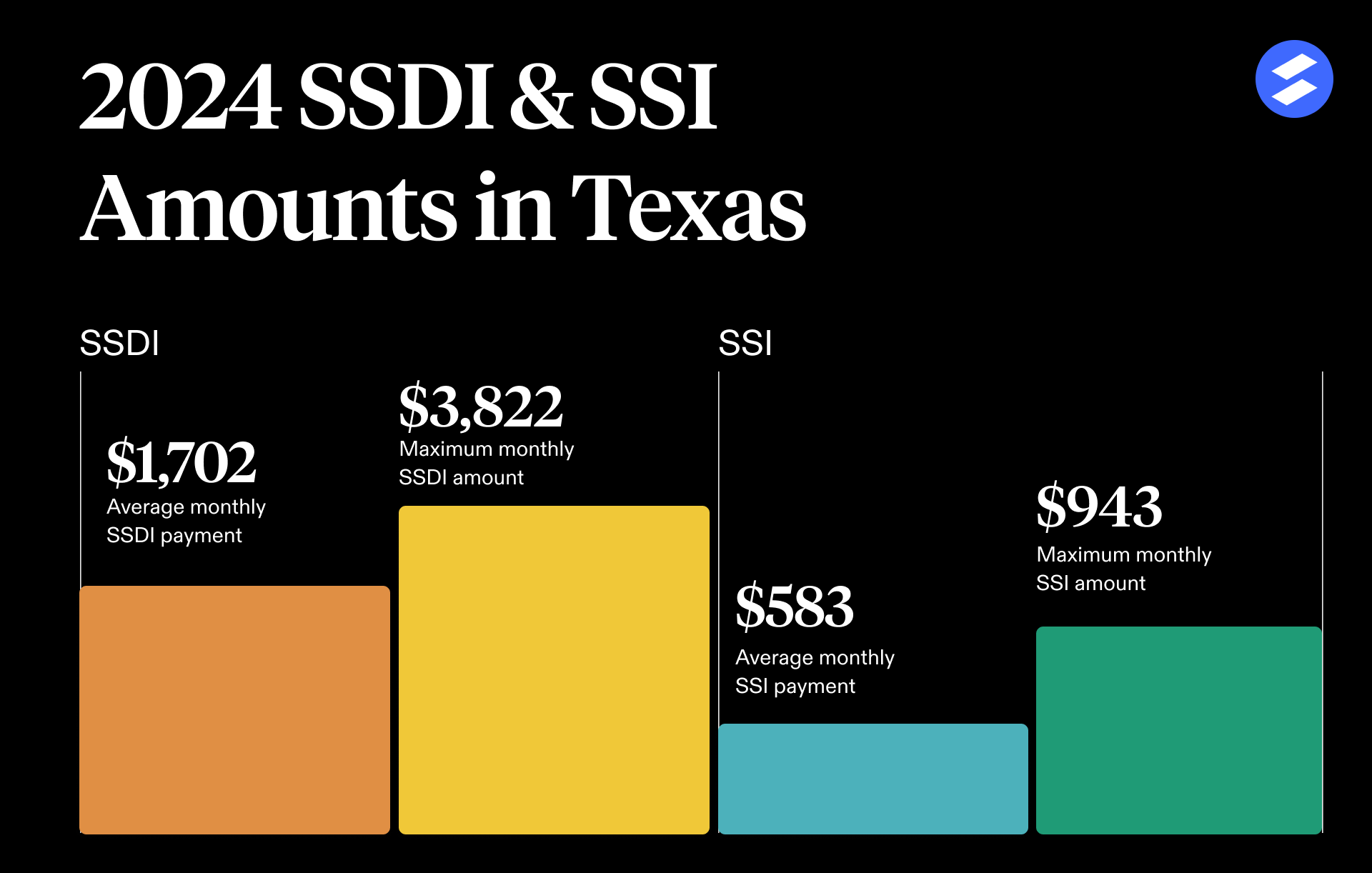
Disability benefits are designed to provide financial assistance to individuals who are unable to engage in substantial gainful activity due to a medically determinable impairment that is expected to last for at least 12 months or result in death. In Texas, the primary federal program is Social Security Disability Insurance (SSDI) and Supplemental Security Income (SSI), both administered by the SSA.

Social Security Disability Insurance (SSDI)
SSDI is an earned benefit. To qualify, you must have worked long enough and recently enough under Social Security to earn a certain number of work credits. These credits are earned based on your earnings throughout your working life. The number of credits required varies by age at the time of disability. The SSA uses a grid system to evaluate disability, considering your age, education, work experience, and the severity of your medical condition.
Supplemental Security Income (SSI)
SSI is a needs-based program. It provides a monthly payment to adults and children with a disability or blindness who have very limited income and resources. Unlike SSDI, SSI does not require you to have a work history. However, eligibility is strictly based on income and asset limitations. The SSA uses the same definition of disability for both SSDI and SSI.
Other Potential Benefits
While the SSA programs are the most common, individuals in Texas may also be eligible for other forms of assistance. The Texas Workforce Commission (TWC) administers the state’s unemployment benefits, which, in some specific circumstances related to medical inability to work, might have tangential relevance. However, for long-term disability, the SSA programs remain the primary source. It is also important to note that some employers offer private disability insurance plans, which are separate from government benefits.
The Application Process: A Step-by-Step Guide
Applying for disability benefits can be a complex undertaking. The SSA has established a multi-step process designed to evaluate each claim thoroughly. Understanding these steps can help applicants prepare and navigate the system more effectively.
1. Initial Application
The first step is to file an initial application. This can be done online through the SSA website, by phone, or in person at a local Social Security office. You will need to provide detailed information about your medical condition, including diagnoses, treatments, dates of service, and the names of all healthcare providers you have seen. It is crucial to be as accurate and complete as possible during this stage.
- Gathering Medical Evidence: This is arguably the most critical component of your application. Collect all medical records, including doctor’s notes, hospital records, test results (X-rays, MRIs, lab work), prescription information, and any documentation of physical or mental limitations. The more comprehensive your medical history, the stronger your claim.
- Work History: You will also need to detail your past work experience, including job titles, duties performed, and the physical and mental demands of each job. This information helps the SSA determine if your disability prevents you from performing your past work or any other substantial gainful activity.
- Personal Information: Be prepared to provide personal details such as your Social Security number, birth certificate, and information about your spouse and children, if applicable.
2. Non-Medical Review
Once your application is submitted, the SSA will first conduct a non-medical review. This involves verifying that you meet the basic non-medical requirements for benefits, such as having enough work credits for SSDI or meeting the income and resource limits for SSI.
3. Medical Review
If you meet the non-medical criteria, your application will be forwarded to a state agency, typically the Disability Determination Services (DDS), for a medical review. DDS adjudicators, composed of disability examiners and medical consultants, will evaluate the medical evidence you have submitted. They may contact your doctors for additional information or request that you undergo a consultative examination (CE) with a physician chosen by the SSA. These exams are usually brief and focused on specific aspects of your condition.
4. Decision
After the medical review, you will receive a decision from the SSA. If your claim is approved, you will be informed of the benefit amount and when payments will begin. If your claim is denied, you will receive a letter explaining the reasons for the denial.
Appealing a Denied Claim
It is common for initial disability claims to be denied. The SSA reports that a significant percentage of first-time applicants receive a denial. However, this is not the end of the road. The appeals process allows you to challenge the decision and present further evidence.
The Four Levels of Appeal
The appeals process in Texas involves four levels:
Level 1: Reconsideration
This is the first step in the appeals process. You must request a reconsideration within 60 days of receiving the denial notice. Your claim will be reviewed by a different adjudicator than the one who made the initial decision. This review is based on the original evidence, plus any new evidence you may submit.
Level 2: Hearing by an Administrative Law Judge (ALJ)
If your claim is denied at the reconsideration stage, you can request a hearing before an Administrative Law Judge (ALJ). This is often the most crucial stage of the appeals process, as it is your first opportunity to present your case in person. You can testify, present new evidence, and have legal representation at this hearing. Many claimants find success at this level.
Level 3: Review by the Appeals Council
If the ALJ denies your claim, you can request a review by the Appeals Council. The Appeals Council does not typically hold hearings or consider new evidence. Instead, they review the ALJ’s decision to determine if it was legally or factually flawed.
Level 4: Federal Court Review
The final level of appeal is to file a civil lawsuit in a U.S. District Court. This is a formal legal proceeding where a judge will review the entire administrative record to ensure that the SSA followed proper procedures and that the decision was supported by substantial evidence.
Seeking Assistance and Support
The disability claims process can be emotionally and financially taxing. Fortunately, there are resources available to help individuals in Texas navigate this journey.
Disability Lawyers and Advocates
Hiring a qualified disability lawyer or advocate can significantly improve your chances of success. These professionals specialize in Social Security disability law and understand the complexities of the SSA’s regulations and procedures. They can assist with:
- Completing applications and appeals forms accurately.
- Gathering and organizing medical evidence.
- Communicating with the SSA and DDS on your behalf.
- Representing you at hearings before an ALJ.
Most disability lawyers work on a contingency fee basis, meaning they only get paid if you win your case, and their fee is a percentage of your back benefits.
Non-Profit Organizations and Legal Aid
Various non-profit organizations and legal aid societies throughout Texas offer free or low-cost legal assistance to individuals who cannot afford a private attorney. These resources can be invaluable for those with limited financial means. Checking with local bar associations or community service directories can help identify these organizations.
State Vocational Rehabilitation Services
The Texas Workforce Commission also offers vocational rehabilitation services to help individuals with disabilities prepare for, secure, retain, or regain employment. While not directly related to claiming disability benefits, these services can be beneficial once you are approved for benefits or if you are seeking to re-enter the workforce with accommodations.

Key Takeaways for Claimants in Texas
Successfully claiming disability in Texas requires patience, persistence, and a thorough understanding of the process. Here are some essential takeaways:
- Be Thorough with Medical Documentation: The strength of your claim hinges on comprehensive and consistent medical evidence. Ensure all your treating physicians are aware you are applying for disability and are willing to provide records.
- Understand the Definition of Disability: The SSA has a strict definition of disability. It’s not just about having a medical condition; it’s about how that condition prevents you from working.
- Do Not Give Up After a Denial: Denials are common, especially at the initial stages. The appeals process is designed to allow for further review.
- Consider Professional Assistance: While you can navigate the process alone, a disability attorney or advocate can provide invaluable expertise and support.
- Be Truthful and Accurate: Always provide honest and accurate information on your application and during any interactions with the SSA or DDS.
Claiming disability benefits in Texas is a significant undertaking. By understanding the requirements, the application and appeals processes, and the available support systems, individuals can increase their chances of securing the benefits they need and deserve.
LifeOutOfTheBox is a participant in the Amazon Services LLC Associates Program, an affiliate advertising program designed to provide a means for sites to earn advertising fees by advertising and linking to Amazon.com. Amazon, the Amazon logo, AmazonSupply, and the AmazonSupply logo are trademarks of Amazon.com, Inc. or its affiliates. As an Amazon Associate we earn affiliate commissions from qualifying purchases.