
Navigating a period of unemployment can be one of life’s most challenging experiences, bringing with it not only financial uncertainty but also significant emotional strain. Yet, it’s a time that can also be reframed as an opportunity for introspection, skill development, and strategic planning for the future. For residents of the Lone Star State, understanding how to claim unemployment benefits in Texas is a crucial first step toward stabilizing your finances and paving the way for your next chapter. This guide aims to demystify the process, offering practical advice on securing the support you need, while also exploring how a strategic approach to managing this transition can still allow for enriching lifestyle experiences, perhaps even discovering local gems, and laying the groundwork for future travel adventures.
In times of job transition, financial stability becomes paramount. The ability to cover essential living expenses, maintain a semblance of your preferred lifestyle, and even plan for future aspirations – be it a budget-friendly weekend getaway or a long-dreamed-of international trip – hinges on sound financial management. Unemployment benefits are designed to provide a temporary safety net, bridging the gap between jobs and allowing individuals to focus on their job search without immediate destitution. This article will not only walk you through the specifics of the application process with the Texas Workforce Commission but also offer insights into managing your finances during this period and how to keep your travel and lifestyle dreams alive, even when times are tough.
Understanding Unemployment Benefits in Texas: A Foundation for Financial Stability
Before diving into the specifics of claiming benefits, it’s essential to grasp the fundamental principles of the unemployment insurance program in Texas. This program, administered by the Texas Workforce Commission (TWC), provides temporary income to eligible workers who have lost their jobs through no fault of their own. It’s a vital resource that can offer peace of mind and the necessary breathing room to focus on securing new employment, rather than succumbing to immediate financial pressure. Think of it as a crucial part of your financial “travel kit” during a period of professional navigation; it helps you stay on course.
Eligibility Requirements: Who Qualifies for Support?
Not everyone who becomes unemployed automatically qualifies for benefits. The TWC has specific criteria that applicants must meet. Understanding these requirements from the outset can save you time and frustration, and help you determine if applying is the right step for your situation.
Firstly, you must have lost your job through no fault of your own. This typically means you were laid off due to a lack of work, a company downsizing, or your position was eliminated. If you quit your job voluntarily or were fired for misconduct, your eligibility might be denied, though there are exceptions depending on the specific circumstances (e.g., quitting for good cause related to your employment, or being fired for reasons unrelated to misconduct).
Secondly, you must have earned sufficient wages during your “base period.” The base period is typically the first four of the last five completed calendar quarters before you filed your claim. The TWC uses this period to calculate if you meet the minimum earning requirements to qualify for benefits and to determine your potential weekly benefit amount. This ensures that the program supports individuals who have a recent history of contributing to the workforce.
Thirdly, you must be able and available for work, and actively seeking new employment. This is a critical ongoing requirement. “Able and available” means you are physically and mentally capable of working and are not prevented from accepting suitable employment (e.g., due to illness, injury, or lack of childcare). “Actively seeking work” means you are making a good faith effort to find a new job, which typically involves engaging in work search activities such as applying for jobs, attending job fairs, or networking. The TWC will require you to document these work search activities, so keeping meticulous records is essential.
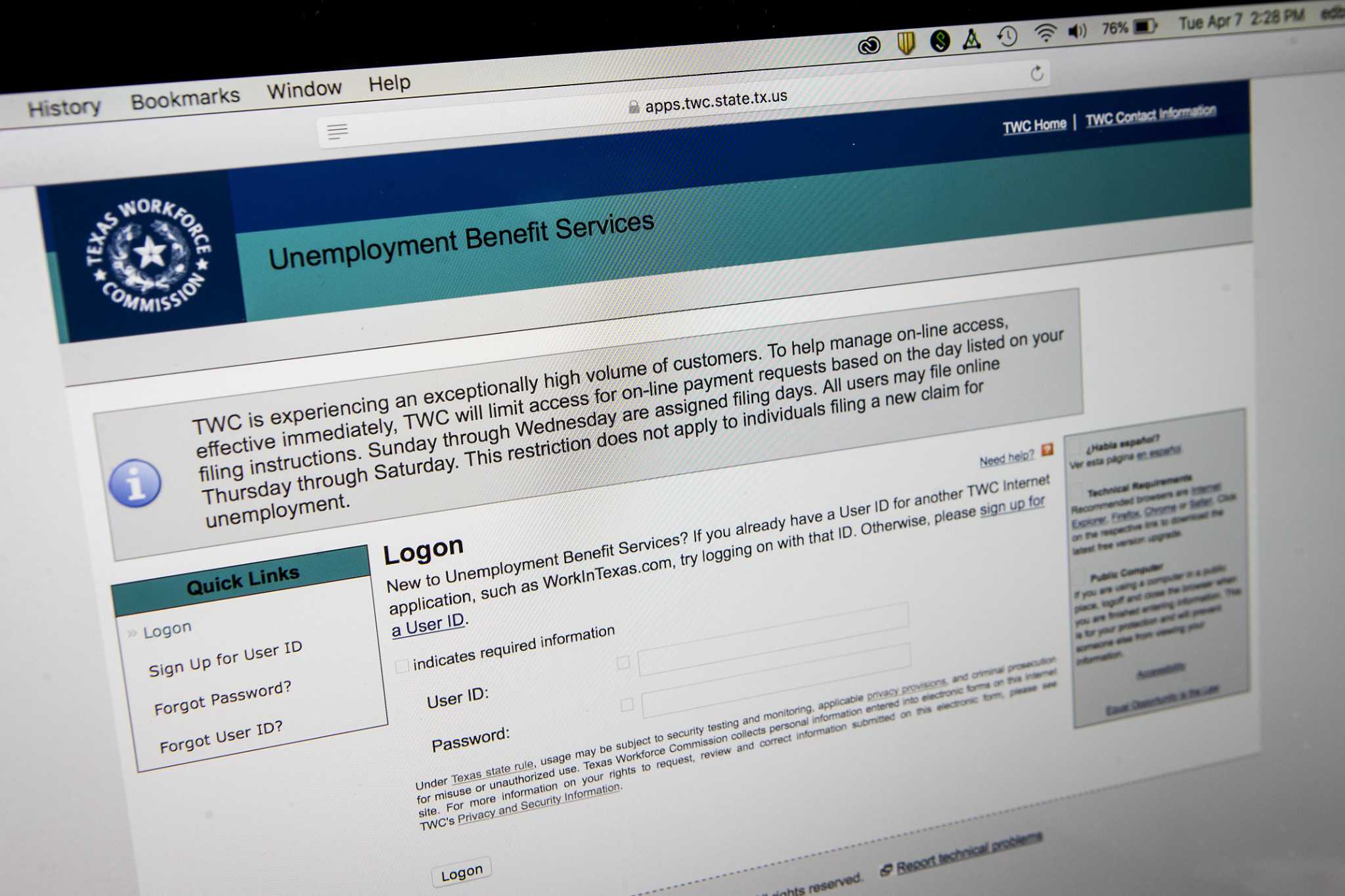
Meeting these criteria is the bedrock of a successful unemployment benefits claim. Think of it as securing your passport and visa before embarking on an important journey; without these foundational elements, your trip can’t begin.
The Application Process: Navigating the TWC System
Once you’ve determined your likely eligibility, the next step is to initiate the application process. The Texas Workforce Commission has streamlined this considerably, with the primary method for filing a claim being online. This digital approach makes the process accessible and efficient, a welcome feature during a stressful time.
To file your initial claim for unemployment benefits in Texas, you will need to visit the official TWC website. It’s crucial to use the official site to ensure the security of your personal information and to access accurate forms. The application will ask for a range of personal details, including your Social Security number, driver’s license number, and mailing address. You’ll also need comprehensive information about your past employment, including the names, addresses, and phone numbers of all employers for the last 18 months, your dates of employment, and the reason for your separation from each.
Accuracy is paramount when completing the application. Any discrepancies or incomplete information could delay the processing of your claim or, in some cases, lead to a denial. Take your time, gather all necessary documents beforehand, and double-check every entry. Once your initial claim is filed, the TWC will review your information and verify your past wages and the reason for your separation with your former employer(s). This review process can take a few weeks, and you may receive correspondence or phone calls from the TWC if they require additional information or clarification.
After your claim is approved, you will need to request payment weekly or bi-weekly. This involves certifying that you remain eligible by confirming you were able and available for work, actively sought employment, and earned no wages (or reported any wages earned) during the period you are claiming benefits for. Missing these payment requests or failing to accurately report earnings can lead to delays or denials of your weekly benefits. Think of this as checking in regularly on your journey to confirm you’re still on track and meeting all travel requirements.
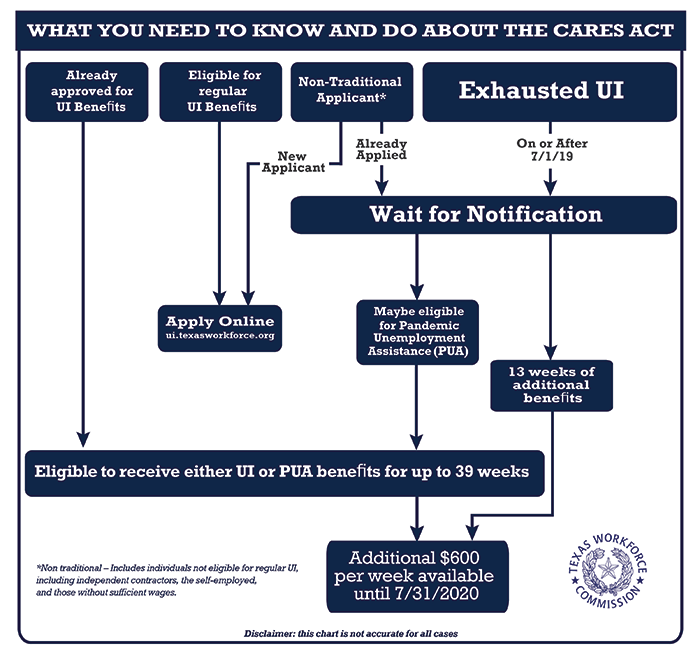
Maximizing Your Resources: Beyond the Benefits Check
Receiving unemployment benefits is a crucial financial lifeline, but it’s often not enough to fully replace your previous income. This period demands prudent financial management and a strategic approach to living. This isn’t just about tightening your belt; it’s about smart budgeting, discovering affordable local pleasures, and maintaining a sense of well-being that will fuel your job search and future aspirations. Even with reduced income, opportunities exist to enjoy life and explore the vibrant culture of Texas.
Budgeting and Financial Planning During Transition
Effective budgeting is your most powerful tool during unemployment. It’s not just about cutting expenses, but about consciously allocating your resources to ensure all essential needs are met while minimizing unnecessary outlays. Start by creating a detailed budget that tracks all income (including unemployment benefits) and expenses. Categorize your expenses into “essential” (housing, utilities, food, healthcare, transportation for job search) and “non-essential” (entertainment, dining out, subscriptions).
Prioritize essential expenses and ruthlessly cut back on non-essentials. This might mean pausing streaming services, reducing dining out to rare treats, or opting for free recreational activities. Look for areas where you can save, such as cooking at home more often, comparing prices for groceries, or exploring public transportation instead of driving. Some utility companies or service providers may offer temporary hardship programs, so it’s worth inquiring.
While this period might feel restrictive, it’s also an opportunity to build robust financial habits that will serve you well long-term. Establishing an emergency fund, even if small contributions are made, can be a valuable outcome. Managing your finances effectively during this transition is not just about survival; it’s about maintaining control and laying a stable foundation for your next career move and future lifestyle choices, including your much-anticipated travel plans.

Exploring Texas on a Budget: Local Adventures and Well-being
Even when finances are tight, maintaining your mental and physical well-being is crucial. Texas offers a wealth of affordable or free activities that can provide much-needed respite, a sense of discovery, and even networking opportunities, aligning perfectly with a lifestyle blog’s ethos of enjoying life.
Embrace the outdoors by visiting Texas State Parks. Many offer low-cost entry, and some even have free days. Explore the vastness of places like Big Bend National Park (though a longer trip, shorter visits to parts can be planned), or the geological wonders of Dinosaur Valley State Park near Glen Rose. Hiking, picnicking, and simply enjoying nature can be incredibly restorative. Coastal cities like Galveston, Corpus Christi, and destinations around Padre Island National Seashore offer beautiful beaches and Gulf breezes for free, perfect for a day trip or a budget-friendly escape.
Major cities across Texas also boast numerous free attractions. In Houston, explore the Museum District, where several institutions offer free admission year-round or on specific days, such as the Houston Center for Photography or the Menil Collection. Wander through Hermann Park or the Buffalo Bayou Park for scenic walks. Dallas offers free entry to the Dallas Museum of Art and beautiful urban green spaces like Klyde Warren Park. Fort Worth’s Cultural District also has free access to the Amon Carter Museum of American Art.
In Austin, stroll down South Congress Avenue for vibrant street art and window shopping, visit the Texas State Capitol for a dose of history, or enjoy the many trails along Lady Bird Lake. San Antonio’s iconic River Walk is free to explore, and the historic Alamo offers free admission, transporting you back in time. Attending local farmers’ markets provides a chance to engage with the community, sample local foods (often with free samples!), and enjoy the atmosphere without spending a fortune.
These local excursions are not just about saving money; they are about maintaining a positive outlook, discovering new facets of your home state, and reminding yourself that enriching experiences are accessible regardless of your financial situation. They contribute to your overall lifestyle and can be a powerful antidote to the stress of unemployment.
Preparing for Your Next Chapter: Job Search and Future Travel Aspirations
While navigating the present with the support of unemployment benefits and smart budgeting, it’s equally important to keep an eye on the future. A period of unemployment is inherently transitional, and actively planning for your next career move and setting new lifestyle goals, including future travel, is vital for motivation and long-term success. The resources provided by the TWC extend beyond just financial support, offering valuable tools for re-employment.
Active Job Seeking and Skill Development
A core requirement for receiving unemployment benefits is actively seeking work. The TWC mandates specific work search activities, and you will need to log these efforts. This typically includes applying for jobs, creating a resume, interviewing, and networking. The TWC website itself is a comprehensive resource, offering job boards, resume-building tools, and career counseling services. Utilizing these resources can significantly enhance your job search effectiveness.
Consider this period an opportunity for skill development. Many online platforms offer free or low-cost courses in a variety of fields, from digital marketing to data analysis. Acquiring new skills or updating existing ones can make you more competitive in the job market. Attending virtual or in-person workshops, webinars, and networking events (many of which are free or low-cost) can also expand your professional network and uncover hidden job opportunities. Platforms like LinkedIn are invaluable for connecting with industry professionals and discovering job postings. Think of skill development as upgrading your travel gear; it prepares you for more challenging and rewarding expeditions.
Actively engaging in these activities not only fulfills the requirements for unemployment benefits but also accelerates your path to re-employment. It’s about being proactive and strategic, treating your job search as a full-time endeavor that will ultimately lead you to your next fulfilling role.
Envisioning Future Adventures: Travel Planning with Purpose
Even during a job search, it’s healthy and motivating to envision your future lifestyle, which for many includes travel. Having concrete goals, like a future trip, can provide the motivation needed to push through the challenges of unemployment. While lavish trips might be on hold, you can still engage in “armchair travel” and strategic future planning.
Use this time to research dream destinations, whether they’re international getaways or exploring more of Texas. Create vision boards, compare accommodation options (from luxury suites to budget-friendly apartments), and scout out attractions and local experiences. Learn about different cultures or brush up on a foreign language. This kind of planning can be incredibly uplifting and reminds you of the lifestyle you’re working towards.
Once you secure new employment, having a travel goal already mapped out can make saving easier. Consider how your new job might open doors for business travel, combining work with exploration, or how a stable income will allow you to finally book that weekend trip to Fredericksburg for wine tasting, or a longer stay in a unique boutique hotel in Austin. Moreover, finding a new job might even involve relocation, which in itself is a significant travel and accommodation experience, opening up entirely new destinations and lifestyles.
Unemployment is a temporary state. By strategically managing your benefits, finances, and job search, you’re not just surviving; you’re building resilience and purposefully planning for a future filled with renewed financial stability and the lifestyle experiences, including travel, that you cherish.
In conclusion, claiming unemployment benefits in Texas is a structured process designed to provide essential support during a difficult transition. By understanding the eligibility requirements, meticulously navigating the application process with the Texas Workforce Commission, and proactively managing your finances, you can stabilize your situation. More importantly, by integrating smart budgeting with an openness to local explorations and diligent future planning, you can transform this challenging period into one of personal growth, maintaining a positive outlook and ensuring your journey toward a vibrant lifestyle, complete with future travel adventures, remains firmly on track.
LifeOutOfTheBox is a participant in the Amazon Services LLC Associates Program, an affiliate advertising program designed to provide a means for sites to earn advertising fees by advertising and linking to Amazon.com. Amazon, the Amazon logo, AmazonSupply, and the AmazonSupply logo are trademarks of Amazon.com, Inc. or its affiliates. As an Amazon Associate we earn affiliate commissions from qualifying purchases.