
Maintaining the pristine condition of your spa filters is paramount to ensuring a consistently enjoyable and hygienic spa experience. Whether you own a luxurious resort spa or a private home hot tub, the quality of your water is directly linked to the cleanliness of these vital components. Neglecting spa filter maintenance can lead to cloudy water, reduced jet performance, and even potential health concerns. This comprehensive guide will walk you through the essential steps of cleaning spa filters, transforming a potentially daunting chore into a manageable routine that preserves the longevity and efficacy of your spa.
The Importance of Clean Spa Filters
Spa filters are the unsung heroes of your aquatic sanctuary. Their primary function is to capture and remove debris, oils, lotions, and other impurities that accumulate in the spa water. Without effective filtration, these contaminants would recirculate, diminishing water clarity and compromising hygiene.
Water Clarity and Purity
The most immediate benefit of clean spa filters is crystal-clear water. When filters are clogged with debris, they become less efficient, allowing particles to pass through and cloud the water. This not only detracts from the aesthetic appeal of your spa but can also indicate a breeding ground for bacteria. Regular cleaning ensures that the filtration system operates at its peak, trapping even the smallest particles and maintaining that inviting, pristine water quality. Imagine soaking in a spa with water so clear you can see the bottom – that’s the goal, and clean filters are the key.
Optimal Spa Performance
A clogged filter acts like a kink in a hose, restricting the flow of water. This reduced water circulation puts a strain on your spa’s pump and heater, forcing them to work harder. Consequently, you might experience weaker jets, longer heating times, and an increased energy bill. By keeping your spa filters clean, you ensure unobstructed water flow, allowing your spa’s systems to operate efficiently, providing powerful jets and consistent temperatures without unnecessary strain. This translates to a more invigorating and effective hydrotherapy session every time you use your spa.
Extending Filter Lifespan and Saving Costs
Spa filters, particularly those made from pleated materials, are an investment. While they are designed for durability, their lifespan is significantly impacted by how well they are maintained. Regular cleaning prevents the buildup of oils and minerals that can permanently clog the filter media, rendering it ineffective. Instead of needing to replace filters prematurely, a consistent cleaning schedule can extend their usability for months, even years, saving you money on replacement parts. This proactive approach is a hallmark of savvy spa ownership.
Preventing Health Risks
Unhygienic spa water is a breeding ground for bacteria and other microorganisms. These can cause skin irritations, infections, and other health issues. Dirty filters can harbor these pathogens, negating the sanitizing efforts of your spa’s chemicals. Clean filters, in conjunction with proper water chemistry, are crucial for maintaining a safe and healthy spa environment, allowing you to relax without worry. For families with young children or individuals with compromised immune systems, this aspect of spa maintenance is particularly critical.
Types of Spa Filters and Cleaning Methods
The most common type of spa filter is the pleated cartridge filter, typically made from polyester or a similar synthetic material. While cleaning methods can vary slightly based on the specific filter material, the general principles remain the same.
Pleated Cartridge Filters
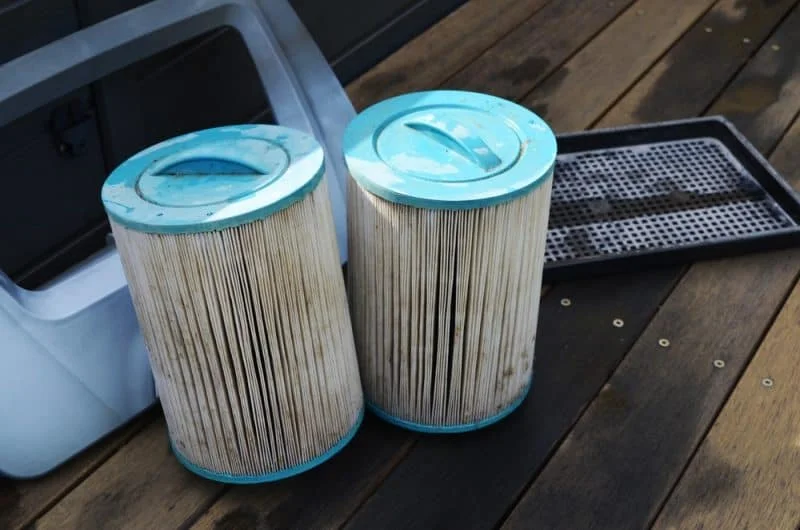
These are the workhorses of spa filtration. They consist of a pleated fabric wrapped around a central core, designed to maximize surface area for capturing debris. Over time, oils, lotions, and mineral deposits can become embedded in these pleats, reducing their effectiveness.
Cleaning Frequency
A good rule of thumb is to rinse your spa filters weekly and perform a deeper cleaning every 4-6 weeks, depending on spa usage. If you notice a decrease in water clarity or jet performance, it’s a strong indicator that your filters need attention sooner. Heavily used spas, or those in environments with more airborne debris, may require more frequent cleaning. It’s also advisable to have at least two sets of filters on hand. This allows you to swap out a dirty filter for a clean one, ensuring uninterrupted filtration while the other set is being cleaned and dried. This rotation is key to maintaining optimal water quality and reducing downtime.
Daily/Weekly Rinse (Quick Clean)
This simple yet effective method involves a quick spray-down to remove loose debris.
Steps:
- Turn off the spa: Always ensure the spa is completely powered off before attempting to remove or clean the filters. This is a crucial safety step.
- Locate and remove filters: Most spa filter housings have a simple screw-off or lift-off lid. Once open, you should be able to unscrew or pull out the filter cartridges. Note their orientation for easy reinstallation.
- Rinse with a garden hose: Use a standard garden hose with a spray nozzle. Direct the spray at an angle into the pleats, working your way around the entire filter. Aim to dislodge as much debris as possible. A strong, focused stream is more effective than a wide spray.
- Inspect: Briefly check the filters for any significant damage, such as tears in the fabric or a cracked end cap. If damage is apparent, it may be time for replacement.
- Reinstall: Place the clean, rinsed filters back into their housing, ensuring they are seated correctly. Close the spa filter housing securely.

Deep Cleaning (Monthly Maintenance)
For a more thorough cleaning that removes embedded oils and mineral deposits, a dedicated filter cleaner is recommended.
Steps:
- Follow steps 1-3 from the Quick Clean.
- Prepare cleaning solution: You can use a commercial spa filter cleaning solution or a DIY solution. For DIY, a mixture of one part degreaser (like dish soap) and four parts water, or a diluted solution of muriatic acid (use with extreme caution and protective gear) can be effective for mineral buildup. However, commercial cleaners are generally recommended for their effectiveness and safety.
- Soak the filters: Submerge the filters completely in the cleaning solution in a bucket or large container. Ensure the solution penetrates all the pleats. Allow them to soak for at least 30 minutes, or as directed by the cleaner’s instructions. For stubborn buildup, soaking overnight can be beneficial.
- Scrub (optional): After soaking, you can gently scrub the filters with a soft brush to loosen any remaining debris. Be careful not to damage the filter fabric.
- Rinse thoroughly: This is a critical step. Rinse the filters extensively with clean water until all traces of the cleaning solution and loosened debris are gone. Any residual cleaner can affect your spa’s water chemistry and potentially cause foaming.
- Allow to dry: Before reinstalling, let the filters air dry completely. This is crucial for two reasons: it helps to remove any remaining moisture that could promote mold or mildew, and it allows the filter media to expand slightly, which can improve its filtering efficiency. Drying can take 24-48 hours, which is why having a second set of filters is highly advantageous.
Advanced Filter Maintenance and Troubleshooting
Beyond routine cleaning, there are advanced techniques and common issues that spa owners may encounter. Addressing these proactively will further enhance your spa experience.
Chemical Cleaning vs. Water Rinsing
While weekly rinsing is essential for removing loose debris, it doesn’t tackle the oils, lotions, and mineral deposits that get trapped deep within the filter fabric. Chemical cleaning, using specialized spa filter cleaners, breaks down these stubborn contaminants. These cleaners are designed to emulsify oils and dissolve mineral scale without damaging the filter material. Always follow the product instructions carefully, as some cleaners require specific soaking times and rinsing procedures.
Dealing with Stubborn Buildup
If your filters have a significant buildup of oils or minerals, you might need to repeat the deep cleaning process or consider a stronger chemical cleaner. For extreme mineral buildup, a diluted acid-based cleaner can be effective, but this requires extreme caution, proper ventilation, and personal protective equipment (gloves, eye protection). Always test a small, inconspicuous area first and rinse thoroughly. If you’re unsure, consulting with your spa dealer or a professional is always a wise option.
When to Replace Your Spa Filters
Even with diligent cleaning, spa filters have a finite lifespan. Signs that it’s time for replacement include:
- Torn or damaged fabric: If you notice any rips, tears, or holes in the filter material, it can no longer effectively trap debris.
- Cracked end caps: The plastic end caps that hold the filter together can crack over time, compromising the filter’s structural integrity.
- Persistent cloudy water: Despite thorough cleaning and proper water chemistry, if your spa water remains cloudy, your filters may be too worn out to function effectively.
- Reduced flow: If you’ve cleaned your filters and still experience significantly reduced water flow or jet pressure, the filter media may be permanently clogged or degraded.
- Age: Most spa filters should be replaced every 1-2 years, depending on usage and maintenance.
Having spare filters readily available ensures that you can quickly swap out a failing unit without prolonged interruption to your spa enjoyment.
Enhancing Spa Hygiene Beyond Filters
While clean filters are fundamental, a holistic approach to spa hygiene ensures the best possible water quality and user experience.
Maintaining Water Chemistry
Regular testing and balancing of your spa’s water chemistry are crucial. This includes monitoring and adjusting pH, alkalinity, and sanitizer levels (e.g., chlorine or bromine). Properly balanced water not only ensures a safe and comfortable soak but also helps to prevent the buildup of scale and other contaminants that can clog your filters. Test strips are readily available and easy to use. Aim to test your water at least 2-3 times a week, especially with frequent use.
Regular Draining and Refilling
Over time, even with excellent filtration and water chemistry, the total dissolved solids (TDS) in your spa water will increase. This can make it harder to maintain proper water balance and can lead to cloudy water and a less effective sanitizing action. Draining and refilling your spa with fresh water periodically (typically every 3-4 months, depending on usage) is essential for maintaining optimal water quality. This is also an excellent opportunity to give your spa shell a good clean.

Using Spa Covers Effectively
A high-quality, well-fitting spa cover is more than just insulation; it’s a critical component of spa hygiene. When not in use, a cover prevents debris, leaves, and insects from entering the water, significantly reducing the load on your filters. It also helps to keep the water warm, saving energy. Ensure your cover is clean and in good condition. Regularly brushing off debris and periodically cleaning the cover itself will contribute to cleaner spa water. For those with a villa rental or a private resort stay, ensuring the cover is properly used can make a significant difference in the overall impression of cleanliness.
By implementing these comprehensive cleaning and maintenance practices, you’ll not only extend the life of your spa and its components but also guarantee a consistently clean, refreshing, and healthy environment for relaxation and rejuvenation. The effort invested in maintaining your spa filters pays dividends in every perfectly clear, invigorating soak.
LifeOutOfTheBox is a participant in the Amazon Services LLC Associates Program, an affiliate advertising program designed to provide a means for sites to earn advertising fees by advertising and linking to Amazon.com. Amazon, the Amazon logo, AmazonSupply, and the AmazonSupply logo are trademarks of Amazon.com, Inc. or its affiliates. As an Amazon Associate we earn affiliate commissions from qualifying purchases.